Red Sea Rerouting Raises EU Freight Pressure
Author
Date Published
Reading Time
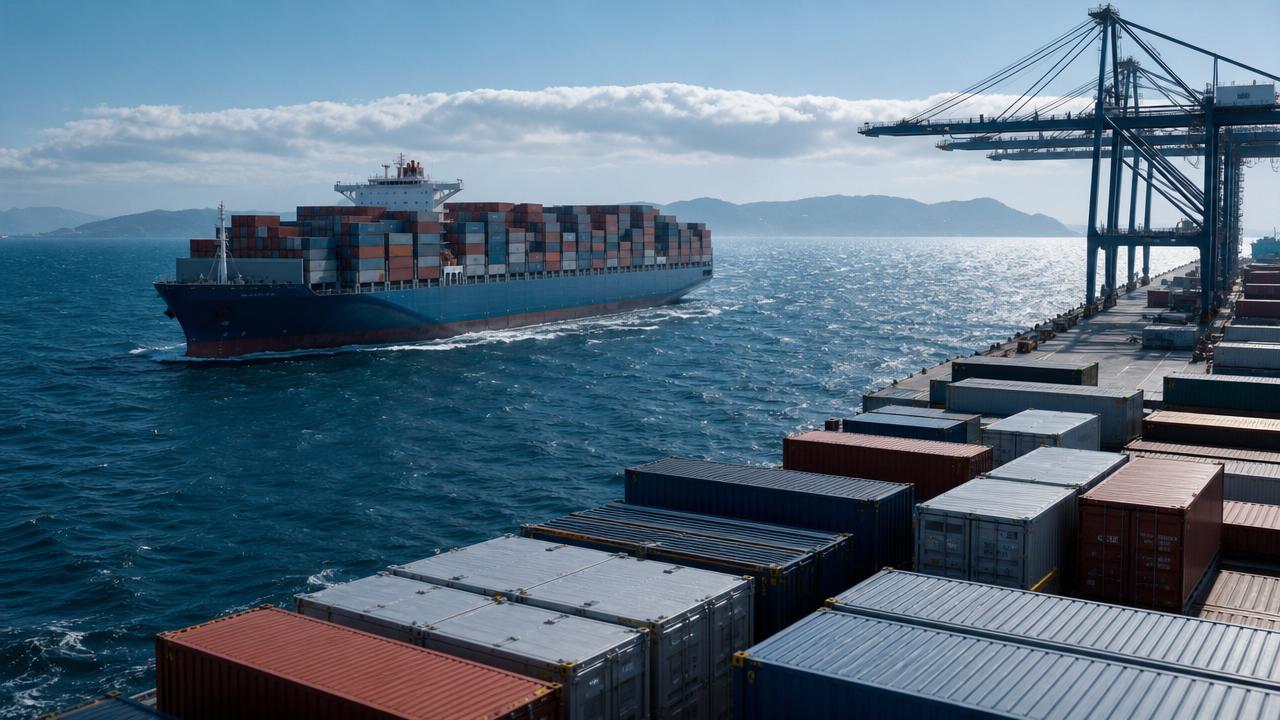
No specific event date has been disclosed for this update. Amid continued tensions around the Strait of Hormuz and attacks by Houthi forces in the Red Sea, large numbers of global container vessels are rerouting around the Cape of Good Hope. According to Alphaliner data cited in the update, spot freight rates on European routes rose 5.3% in one week. The development deserves attention from CO2 incubator exporters, precision equipment manufacturers, EU-facing distributors, and supply chain service providers because delivery cycles and shipping schedule certainty are being directly affected.
Event Overview
Publicly available information in the update indicates that ongoing tensions around the Strait of Hormuz and Red Sea Houthi attacks have led to large-scale container vessel rerouting via the Cape of Good Hope.
Alphaliner data cited in the update shows that spot freight rates on European routes increased by 5.3% week on week.
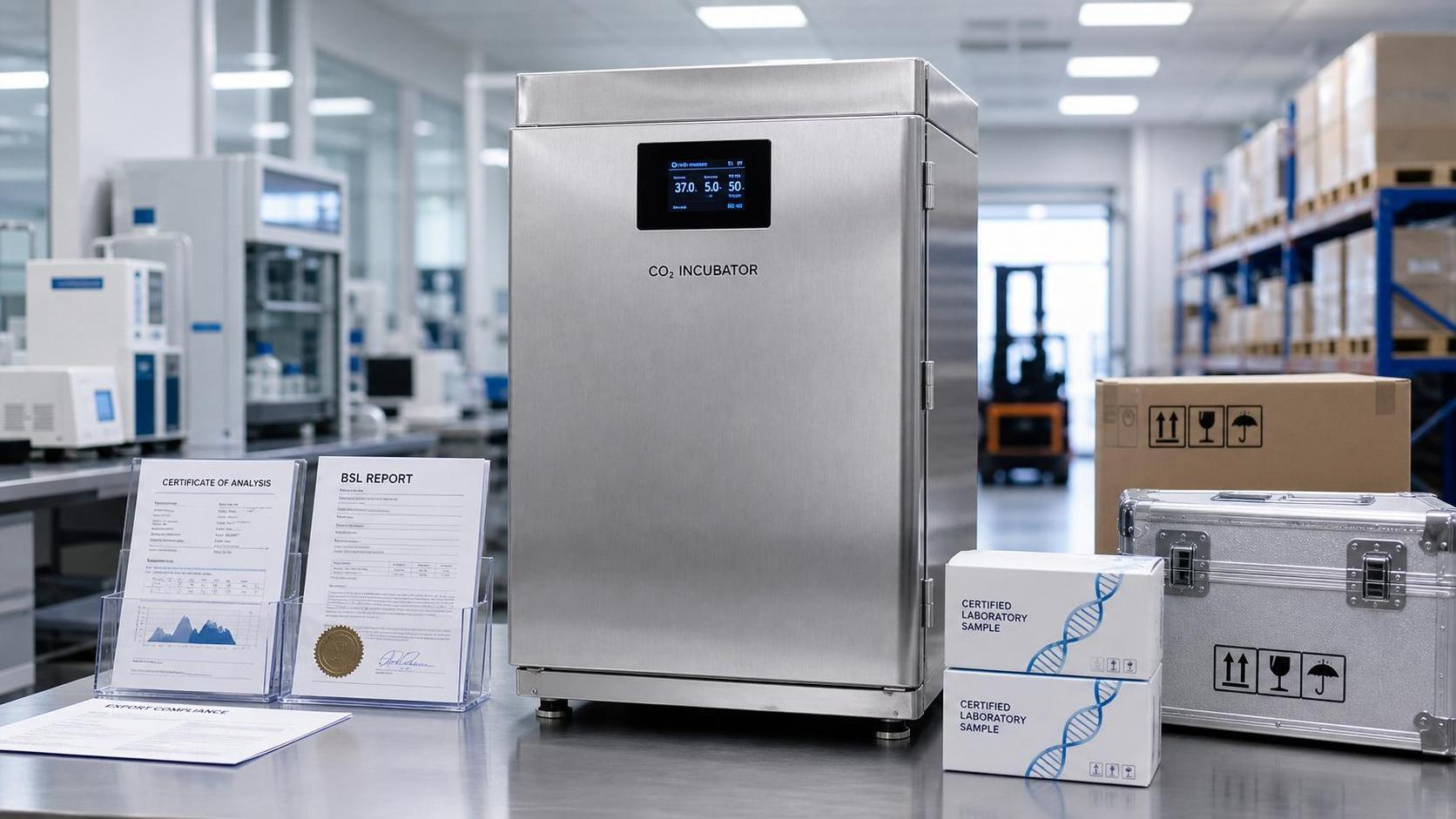
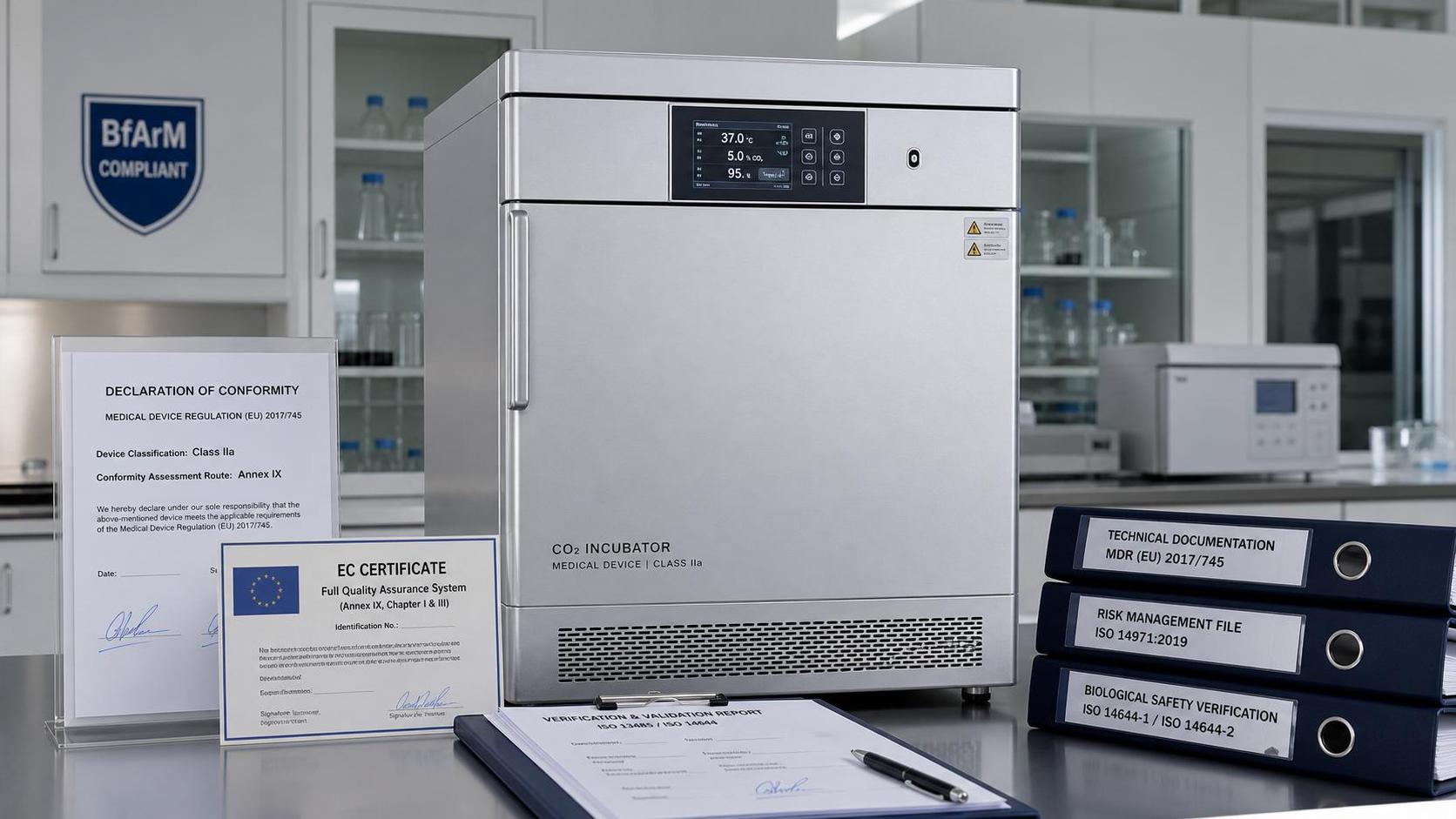
For CO2 incubators, which are generally temperature-controlled precision devices and often rely on direct shipping capacity, the average export delivery cycle to the European Union has extended by 11 days compared with April. Some orders are also facing risks related to less controllable sailing schedules.
The update does not disclose a specific event date beyond the current shipping and delivery changes described above.
Which Segments Are Affected
CO2 Incubator Exporters
CO2 incubator exporters are directly affected because the equipment is described as temperature-controlled and precision-based, while EU-bound shipments rely heavily on stable direct shipping capacity. When vessels reroute and sailing schedules become less predictable, exporters may face longer delivery commitments, higher freight quotations, and increased difficulty confirming arrival windows.
The main impact is not limited to freight cost. It also includes delivery-cycle management, order communication, and the risk that confirmed shipping plans may need to be adjusted after booking.
Precision Equipment Manufacturers
Manufacturers of CO2 incubators and similar precision equipment may be affected at the production-to-shipment handover stage. From an industry perspective, when export delivery times extend by an average of 11 days to the European Union, manufacturers need to align production completion, packaging, inspection, and booking schedules more carefully.
The impact is mainly reflected in shipment planning and delivery coordination. If a production batch is completed but available direct capacity changes, storage time before loading may increase, and downstream delivery expectations may need to be reset.
EU-Facing Distributors and Channel Operators
Distributors and channel operators serving the European Union may face pressure from delayed inbound shipments. Because the update specifically points to an average 11-day extension in CO2 incubator delivery cycles, EU-facing channel operators need to pay closer attention to customer delivery promises, inventory allocation, and order priority.
What deserves closer attention now is the gap between original delivery expectations and actual vessel schedules. For products used in controlled laboratory or production environments, uncertainty in arrival timing may affect installation planning and customer-side project schedules.
Supply Chain and Freight Service Providers
Freight forwarders, booking agents, and other supply chain service providers are affected because European route capacity and schedule reliability are central to the issue. The 5.3% weekly increase in spot freight rates indicates that shipping cost pressure has already appeared in the cited market data.
Observably, service providers may need to communicate more frequently with shippers about booking availability, rerouting-related transit time changes, and the possibility that planned vessel schedules may not remain stable.
What Companies and Practitioners Should Watch and How to Respond
Track Freight Rate and Sailing Schedule Changes on EU Routes
Companies involved in CO2 incubator exports should monitor European route spot freight changes and vessel schedule updates more closely. The reported 5.3% weekly increase shows that freight quotations can change quickly under the current rerouting situation.
Practical actions include confirming validity periods for freight quotations, checking whether bookings are linked to direct capacity, and preparing alternative sailing options before committing to customer delivery dates.
Reassess Delivery Commitments for EU-Bound Orders
Since the average delivery cycle for CO2 incubators exported to the European Union has extended by 11 days compared with April, companies should avoid relying on previous delivery assumptions. It is more appropriate to understand this as a delivery-planning adjustment signal rather than a single isolated delay.
Exporters and distributors should update estimated delivery timelines, communicate revised lead times to customers, and identify orders where installation dates or project deadlines are sensitive to arrival delays.
Prioritize Temperature-Controlled Precision Equipment Shipments
CO2 incubators are described in the update as temperature-controlled precision equipment. Analysis shows that this product characteristic makes shipping certainty more important than for less time-sensitive or less handling-sensitive goods.
Companies should prioritize shipment review for high-value, urgent, or customer-critical orders. Where possible, booking plans should be matched with packaging readiness, documentation completion, and final inspection timing to reduce additional delays before loading.
Prepare Communication Plans for Schedule Uncertainty
Some orders are already facing risks related to uncontrollable sailing schedules. Exporters, freight service providers, and channel partners should prepare clear communication templates for delivery changes, including updated estimated departure times, expected transit extensions, and revised arrival windows.
This is especially important for EU-bound CO2 incubator orders where downstream users may need to coordinate laboratory preparation, installation, or acceptance procedures.
Editor’s View / Industry Observation
From an industry perspective, this update is significant because it links geopolitical shipping disruption, European route freight pressure, and the delivery performance of a specific precision equipment category: CO2 incubators.
Analysis shows that the reported 5.3% weekly rise in European route spot freight rates is already a measurable market result, while the 11-day average extension in EU-bound CO2 incubator delivery cycles reflects a concrete operational impact on exporters and their customers.
It is more appropriate to understand this update as both an existing result and an ongoing risk signal. The freight increase and delivery extension have already been reported, but the future direction of sailing schedules, route stability, and order-level delivery certainty still requires continued observation.
Conclusion
The current rerouting of container vessels around the Cape of Good Hope is placing visible pressure on European route freight rates and delivery cycles for CO2 incubators exported to the European Union. For industry participants, the key issue is not only higher transport cost but also reduced certainty in delivery planning.
A rational reading is that this development should be treated as a supply chain planning signal. Companies should update delivery assumptions, monitor EU route shipping capacity, and strengthen communication around orders that depend on predictable sailing schedules.
Information Sources
Main source: Alphaliner data cited in the provided industry update.
Other information referenced: the provided update on continued tensions around the Strait of Hormuz, Red Sea Houthi attacks, container vessel rerouting via the Cape of Good Hope, European route spot freight increases, and CO2 incubator export delivery-cycle changes.
Items requiring continued observation: subsequent changes in European route spot freight rates, sailing schedule stability, direct shipping capacity availability, and whether the average delivery extension for EU-bound CO2 incubator exports continues to widen or stabilizes.
Expert Insights

Chief Security Architect
Dr. Thorne specializes in the intersection of structural engineering and digital resilience. He has advised three G7 governments on industrial infrastructure security.
Related Analysis
Core Sector // 01
Security & Safety
- USP Standards updates that can affect release testingAuthor :Dr. Elena Frost

- How Often Should a CO2 Incubator Be Decontaminated?Author :Dr. Elena Frost

- Which CO2 Incubator Specifications Matter for Sensitive Cell Lines?Author :Dr. Elena Frost

- FDA Import Alert Tightens CO2 Incubator EntryAuthor :Dr. Elena Frost

- FDA Sets BSL Report Rule for CO2 Incubator ImportsAuthor :Dr. Elena Frost

- BfArM Tightens CO2 Incubator DoC RequirementAuthor :Dr. Elena Frost

- Defibrillator AED Wholesale Buying Guide: Certifications, Battery Life, and MOQ ExplainedAuthor :Dr. Elena Frost

- BfArM Tightens CE DoC Rules for CO2 IncubatorsAuthor :Dr. Elena Frost