Is personalized therapeutics bioprocess engineering ready
Author
Date Published
Reading Time

Is personalized therapeutics bioprocess engineering ready for the shift from lab-scale innovation to reliable, regulated production? For technical evaluators, the answer depends on fluidic precision, scalable process architecture, and bioconsistent equipment performance. This article examines how benchmarked systems, compliance-driven design, and batch-to-continuous readiness are shaping faster, lower-risk decisions in advanced therapeutic manufacturing.
For teams assessing equipment, process design, and production risk, the central issue is no longer whether personalized modalities can be developed in the lab. The real question is whether personalized therapeutics bioprocess engineering can deliver repeatable output across 3 critical stages: development, pilot validation, and regulated manufacturing transfer.
That question matters because personalized therapeutics operate with tighter lot sizes, narrower process windows, and shorter release timelines than conventional large-batch biologics. A deviation of even 1 dispensing step, a temperature drift of 1–2°C, or a centrifugation mismatch across sites can affect yield, comparability, and release confidence.
For technical evaluators in pharmaceutical and chemical organizations, decisions increasingly depend on systems that can bridge benchtop discovery and industrial execution. This is where benchmark-driven platforms such as G-LSP become strategically useful: they support side-by-side evaluation of fluidic precision, scale-up architecture, and hardware consistency against ISO, USP, and GMP-oriented expectations.
Why personalized therapeutics bioprocess engineering is under new pressure
The manufacturing logic behind personalized therapies differs from the economics of traditional blockbuster production. Instead of optimizing a single process for thousands of identical units, engineering teams may need to support dozens of patient-specific or low-volume runs per month, each with strict chain-of-identity and chain-of-custody controls.
This creates a new technical burden. Personalized therapeutics bioprocess engineering must now prove not only scientific feasibility but operational reproducibility across small-volume transfer points, high-sensitivity media handling, and multi-device workflows that can include reactors, microfluidic platforms, pipetting systems, and separation tools.
The shift from research flexibility to controlled execution
In early R&D, teams often tolerate manual interventions, custom tubing arrangements, and non-standard cycle timing. In regulated production, those practices become liabilities. A process that works at 50 mL may fail at 5 L or 20 L if shear exposure, mixing time, or sampling consistency changes beyond acceptable thresholds.
Technical evaluators therefore look for 4 things early: consistent fluid path geometry, repeatable dosing accuracy, traceable process data, and hardware behavior that remains stable across validation cycles. If any one of these elements is weak, scale-up risk increases sharply during technology transfer.
Common pressure points in evaluation
- Sub-milliliter dosing drift in media, reagents, or cell handling steps
- Bioreactor control variability in pH, dissolved oxygen, or agitation range
- Inconsistent separation recovery after centrifugation or filtration handoff
- Manual liquid handling steps that add 2–5 avoidable operator interventions per batch
The table below outlines how process demands change when moving from exploratory work to production-oriented personalized therapeutics bioprocess engineering.
The key conclusion is that readiness is not defined by a single high-performance instrument. It is defined by whether the entire process chain behaves predictably across scale and documentation requirements. That is the real threshold technical evaluators must test.
What technical evaluators should measure before approving scale-up
When personalized therapeutics bioprocess engineering is assessed for procurement or platform standardization, equipment selection should move beyond brochure specifications. Evaluators need measurable decision criteria tied to process robustness, maintenance burden, and validation effort over 6–18 months of operational use.
1. Fluidic precision and transfer accuracy
In personalized workflows, small-volume error matters disproportionately. Whether the task involves reagent addition, media exchange, or sample splitting, deviations at the microliter or low-milliliter level can affect concentration, cell viability, or analytical comparability. Precision dispensers and automated pipetting systems should therefore be assessed for repeatability across at least 3 volume bands rather than a single nominal point.
For many advanced therapy workflows, an evaluator may examine performance at sub-100 µL, 100–1000 µL, and 1–10 mL ranges. The objective is not simply minimum error, but stable output under realistic lab conditions, including frequent starts, pauses, tip changes, and multi-operator use.
2. Bioconsistency across vessels and hardware platforms
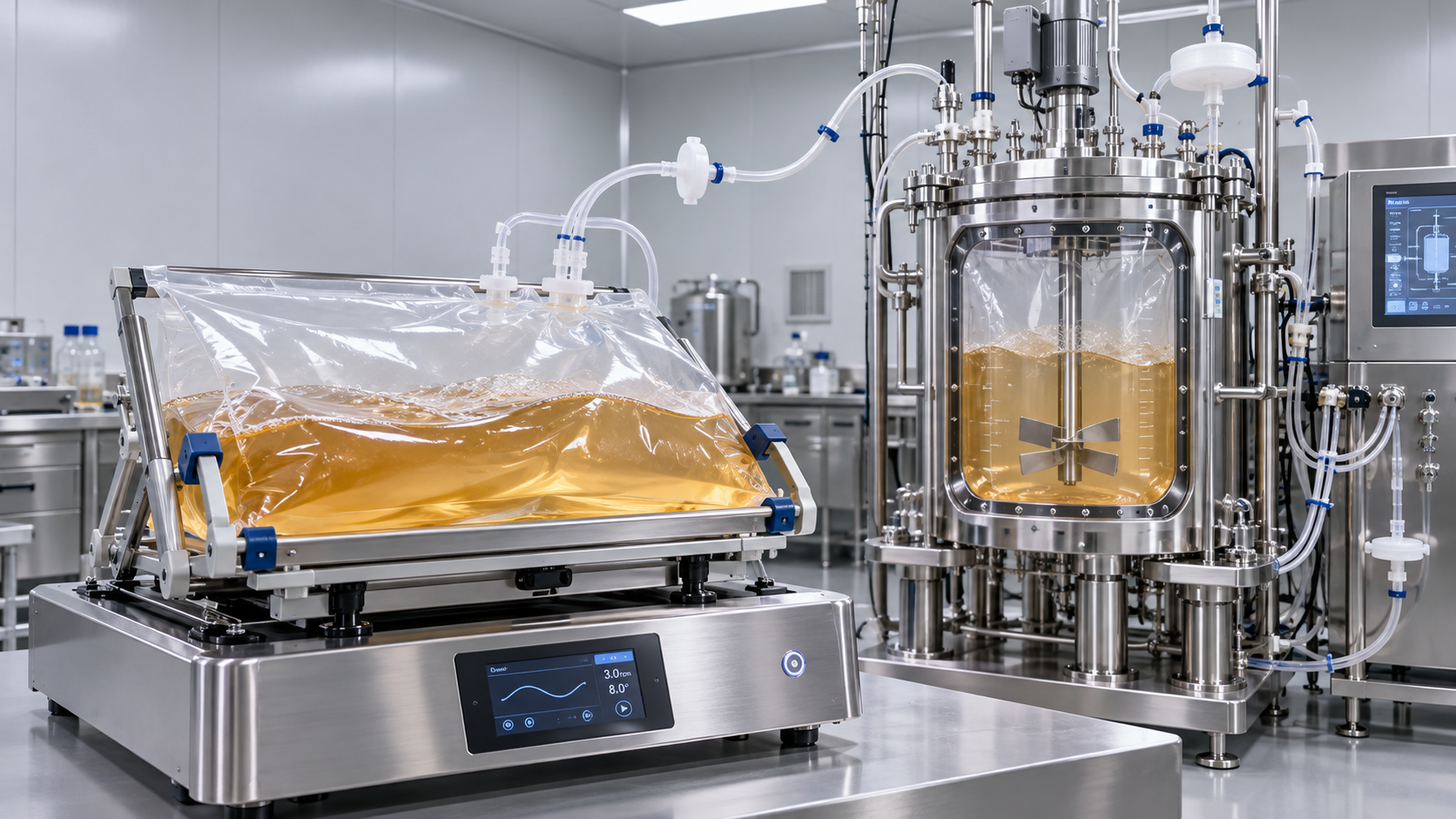
Bioconsistency means the process experiences the same practical environment from run to run. That includes mixing energy, gas transfer behavior, contact materials, hold-up volume, and sensor response. If a benchtop bioreactor and a pilot bioreactor diverge materially in these factors, process performance can shift even when setpoints appear identical.
This is one reason G-LSP-style benchmarking across single-use bioreactors, stirred systems, and fluidic devices has decision value. It helps evaluators compare equipment not only by advertised capacity, such as 2 L, 10 L, or 50 L, but by how consistently each system maintains process-relevant conditions during transition.
3. Data integrity and compliance-oriented architecture
A technically strong platform can still fail organizational review if it does not support secure records, auditable parameter history, or standardized operating procedures. For technical evaluators, the cost of retrofitting compliance later is often higher than selecting a better-aligned architecture at the start.
Systems intended for regulated environments should be reviewed for electronic record handling, alarm traceability, calibration routines, and maintenance intervals. Even a 30-minute undocumented manual override can become a deviation source during qualification or commercial transfer.
A practical 5-point evaluation checklist
- Verify repeatability across low, medium, and high operating ranges.
- Check whether wetted materials align with the intended biological or chemical environment.
- Review calibration frequency, service response windows, and spare-part availability.
- Test digital traceability for parameter changes, alarms, and user access levels.
- Confirm that scale-up or tech-transfer documentation is usable by downstream manufacturing teams.
The following comparison helps technical evaluators separate headline performance from production-ready fit.
In practice, the production-ready column is what reduces downstream risk. It shortens technical review cycles, lowers requalification effort, and improves confidence during procurement decisions involving cross-site deployment.
How batch-to-continuous readiness changes equipment priorities
One of the biggest structural changes affecting personalized therapeutics bioprocess engineering is the growing expectation that processes should be modular enough to support batch, intensified, or continuous-like operation. Not every therapy will move to full continuous manufacturing, but many will require partial continuity in feeding, sampling, formulation, or downstream handling.
This changes how technical evaluators view equipment. A reactor, pump, centrifuge, or liquid handler is no longer judged only by standalone performance. It is judged by its ability to maintain steady process behavior across connected steps, often with lower dead volume, faster turnover, and more frequent cleaning or single-use changeout cycles.
Modularity and low hold-up volume
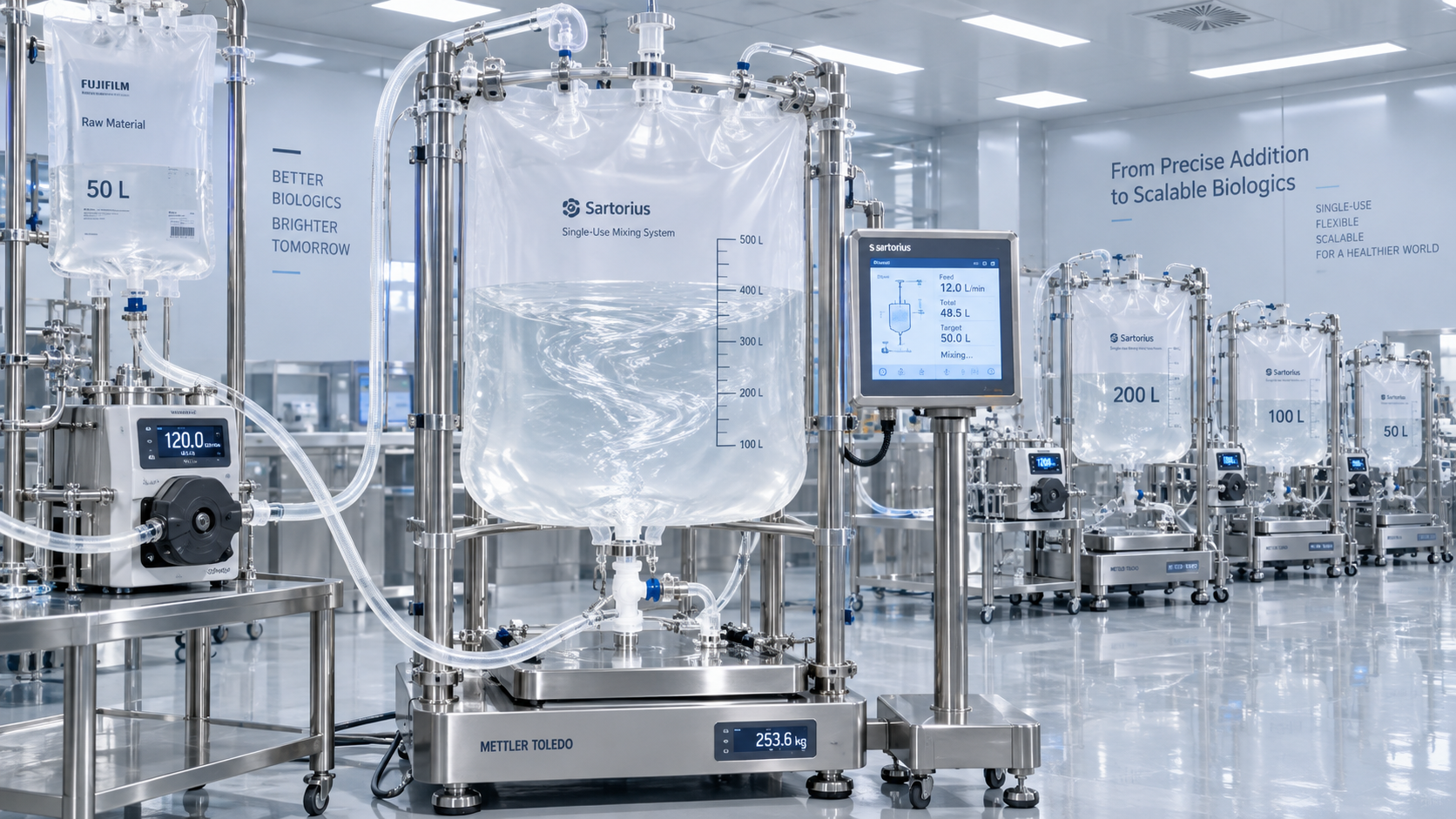
In small-batch or patient-specific production, excess hold-up volume directly affects yield economics. A fluid path that retains 5–20 mL may be operationally minor in large-batch biologics, but significant in low-volume personalized workflows. Precision microfluidic devices and compact transfer architectures can reduce this hidden loss while improving control over reaction or dispensing timing.
Changeover time and cleaning strategy
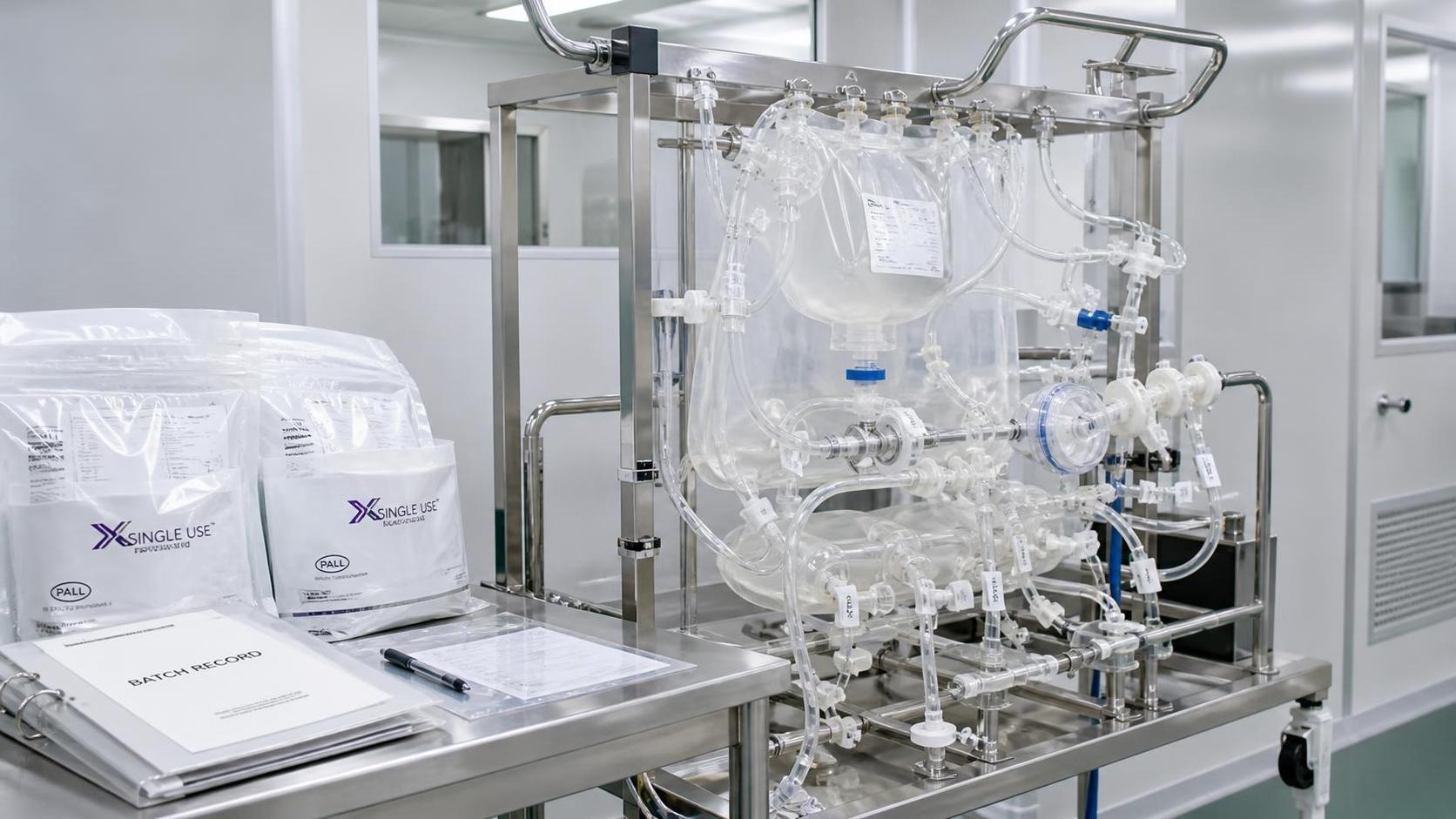
Another priority is turnaround. If a platform requires 4 hours for disassembly, cleaning verification, and restart, it may limit throughput even if the core process is efficient. Single-use assemblies, accessible wetted paths, and simplified verification routines can materially improve scheduling flexibility for facilities running multiple low-volume campaigns each week.
Signals that a platform is batch-to-continuous ready
- Stable flow performance over repeated cycles rather than short one-time tests
- Integrated sensing for pressure, temperature, flow, or fill status
- Low dead-leg design and minimized residual volume in transfer pathways
- Quick component replacement or single-use conversion within one shift
For technical evaluators, these factors help distinguish equipment that can support a future-state manufacturing architecture from equipment that will require redesign within 12–24 months.
Implementation risks that often delay personalized manufacturing programs
Even strong platforms can underperform if implementation planning is weak. Personalized therapeutics bioprocess engineering succeeds when hardware, process logic, service support, and qualification planning move together. Delays usually arise not from one catastrophic failure, but from 3 or 4 smaller mismatches that accumulate over time.
Risk 1: Treating pilot data as automatically scalable
Pilot success does not guarantee production success. Mixing regime, sensor lag, harvest recovery, and operator timing can all change between systems. Evaluators should request a scale-bridging plan with defined acceptance criteria, not just nominally similar equipment specifications.
Risk 2: Underestimating service and calibration load
A platform may look cost-effective at purchase but become expensive in use if it requires monthly calibration downtime, long spare-part lead times, or specialist-only maintenance. For high-value therapeutic workflows, even a 7-day service delay can disrupt production commitments and comparability schedules.
Risk 3: Fragmented equipment ecosystems
When reactors, centrifuges, pipetting systems, and sensing tools are selected in isolation, the result is often inconsistent data structure and manual transfer dependency. G-LSP’s five-pillar benchmarking perspective is useful here because it supports system-level review rather than isolated device purchasing.
A 4-step implementation path for evaluators
- Map the end-to-end process from sample or cell input to final transfer point.
- Identify the top 3 precision-sensitive operations and define measurable tolerances.
- Benchmark candidate systems against regulatory fit, serviceability, and interoperability.
- Run pilot verification with documentation templates that can be reused during qualification.
This structured approach shortens evaluation cycles and makes procurement decisions easier to defend internally, especially when multiple stakeholders from engineering, quality, operations, and sourcing are involved.
How G-LSP supports lower-risk technical decisions
For organizations managing sensitive R&D-to-production transitions, the practical value of G-LSP lies in its multidisciplinary benchmarking model. Instead of reviewing pilot-scale reactors, precision microfluidic devices, bioreactors, centrifugation systems, and automated liquid handling tools as disconnected categories, evaluators can assess them as linked elements of one manufacturing architecture.
That matters because personalized therapeutics bioprocess engineering depends on cumulative consistency. A high-performing reactor cannot compensate for poor dosing repeatability upstream, and a well-controlled liquid handler cannot correct downstream separation losses caused by mismatched centrifugation parameters.
Benchmarking against operational reality
What technical evaluators need is not promotional performance language, but usable comparison logic: which systems align with low-volume precision work, which platforms better support batch-to-continuous evolution, and which hardware configurations reduce validation friction. Benchmarking against ISO-, USP-, and GMP-relevant expectations provides a more disciplined basis for those decisions.
Better procurement outcomes through technical clarity
When procurement teams receive clearer performance criteria, sourcing outcomes improve. Reviews become less dependent on broad claims and more focused on calibration burden, component compatibility, traceability, and lifecycle support. For global organizations, that can reduce the chance of buying equipment that performs well in a demo but poorly in a regulated production chain.
Personalized therapeutics bioprocess engineering is ready only where process architecture, fluidic precision, and bioconsistent hardware are evaluated as one system. The organizations that make faster progress are usually the ones that standardize their technical review framework before they standardize equipment.
Final perspective for technical evaluators
The readiness of personalized therapeutics bioprocess engineering should be judged by evidence across scale, control, serviceability, and compliance readiness. Technical evaluators should look beyond isolated instrument performance and focus on how 5 connected domains—reaction, fluidics, culture, separation, and liquid handling—behave across the full transfer path.
For teams seeking lower-risk decisions, the most effective path is a benchmark-led review of scalable process architecture, precision-critical operations, and validation-friendly hardware choices. G-LSP is positioned to support that evaluation with a technically rigorous view of micro-efficiency, batch-to-continuous readiness, and production-aligned equipment selection.
If you are comparing systems for advanced therapeutic manufacturing, now is the right time to refine your assessment framework, review precision-sensitive bottlenecks, and align equipment choices with future-state production demands. Contact us to discuss your evaluation priorities, request a tailored benchmarking perspective, or explore more solutions for reliable scale-up.
Expert Insights

Chief Security Architect
Dr. Thorne specializes in the intersection of structural engineering and digital resilience. He has advised three G7 governments on industrial infrastructure security.
Related Analysis
Core Sector // 01
Security & Safety
- Single-Use Cell Culture Systems: Rocking vs. Stirred-Tank for Mammalian CellsAuthor :Dr. Elena Frost

- Single-Use Formulation Systems: Accuracy, Compatibility, and Scale-UpAuthor :Dr. Elena Frost

- How Automated Buffer Preparation Improves Consistency in Bioprocessing WorkflowsAuthor :Dr. Elena Frost

- ISO Compliance for Bioprocessing: What QA Teams Must Verify in Single-Use SystemsAuthor :Dr. Elena Frost

- FDA Tightens E&L Rules for Lab Fluidic DevicesAuthor :Dr. Elena Frost

- ECHA Adds 12 SVHCs, Prompting REACH UpdatesAuthor :Dr. Elena Frost

- FDA Tightens Validation Rules for Single-Use Fluidic DevicesAuthor :Dr. Elena Frost

- Batch to Continuous Biologics: Process Differences, Facility Impact, and When the Shift Makes SenseAuthor :Dr. Elena Frost