USP standards compliance mistakes biomanufacturers still make
Author
Date Published
Reading Time
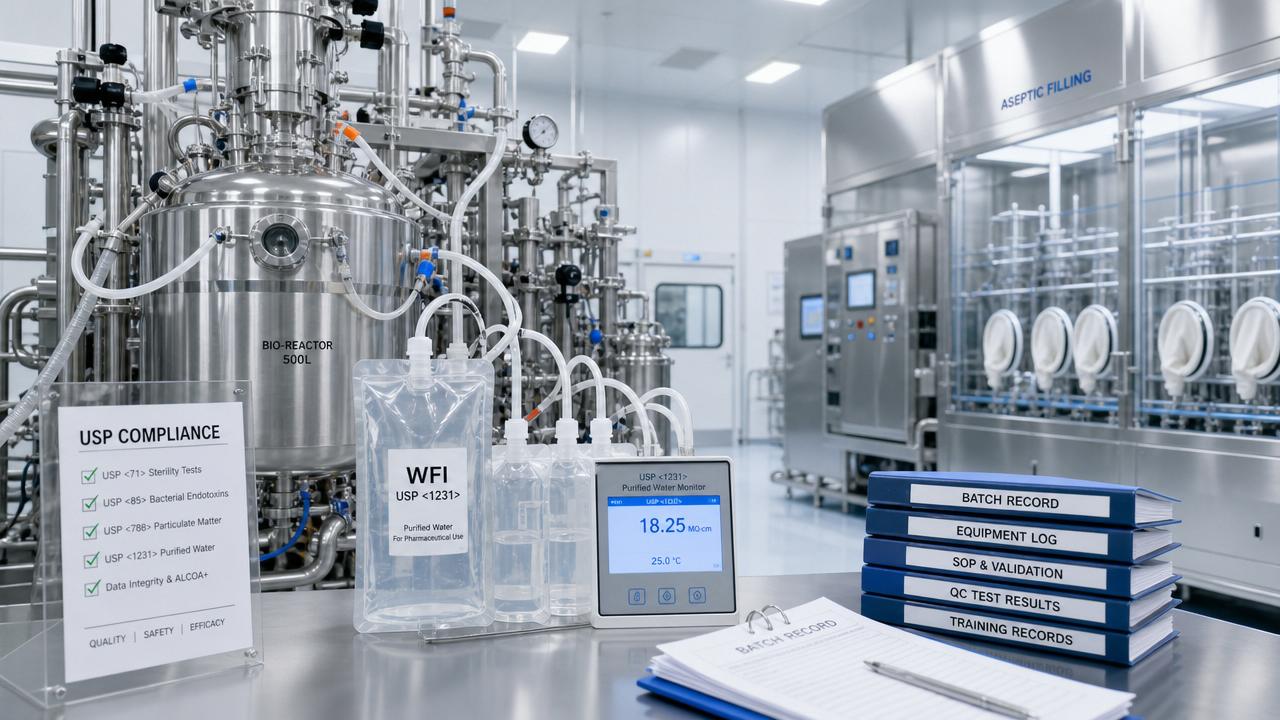
Despite growing regulatory scrutiny, many sites still struggle with USP standards compliance in biological manufacturing. The failure points are rarely dramatic. They usually appear as small documentation gaps, weak material controls, inconsistent environmental monitoring, or unvalidated process adjustments. Over time, those gaps raise deviation rates, increase audit exposure, and weaken the link between development evidence and commercial execution.
In biological manufacturing, USP standards shape expectations around sterility, particulate control, water quality, analytical suitability, packaging interactions, and contamination prevention. Missing the intent behind those standards is often more damaging than missing a single test step. Strong compliance depends on a repeatable checklist that connects facilities, equipment, methods, operators, and batch records.
Why a checklist approach matters for USP standards compliance in biological manufacturing
USP requirements intersect with GMP, internal quality systems, and scale-up realities. A checklist reduces interpretation drift. It also helps teams verify that laboratory assumptions still hold in pilot and production environments.
This matters especially in facilities moving toward batch-to-continuous workflows, single-use platforms, closed fluid paths, and higher product sensitivity. In those settings, one weak compliance link can compromise both technical performance and regulatory defensibility.
Core checklist: mistakes that still undermine compliance
- Define the applicable USP chapters early, then map each requirement to process steps, sampling points, equipment states, release criteria, and document owners.
- Validate analytical methods under actual matrix conditions, not only ideal development samples, especially for biologics with complex excipients or fragile active components.
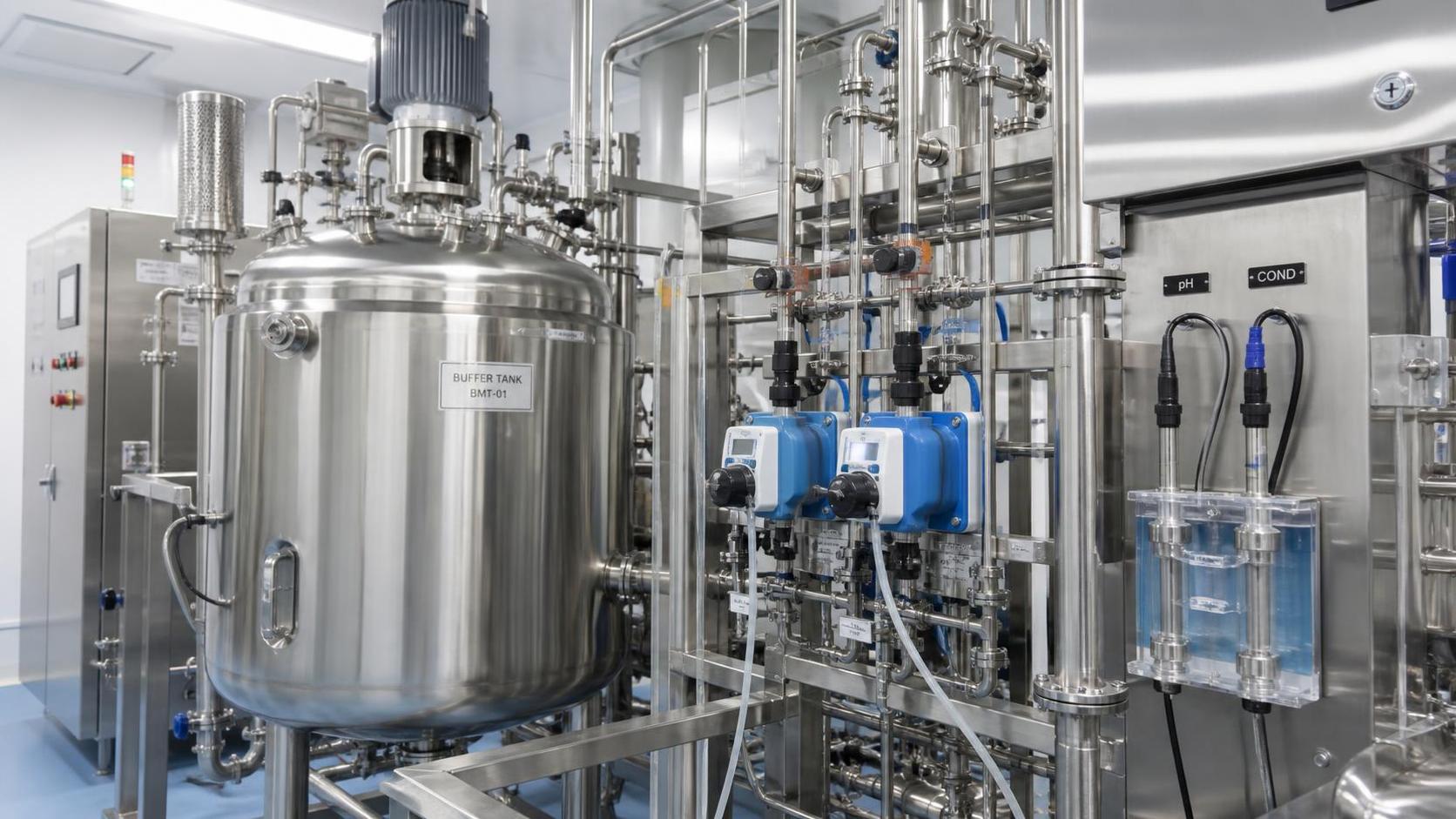
- Control water systems against microbial, chemical, and endotoxin risks, then trend seasonal variation instead of relying only on passing point-in-time results.
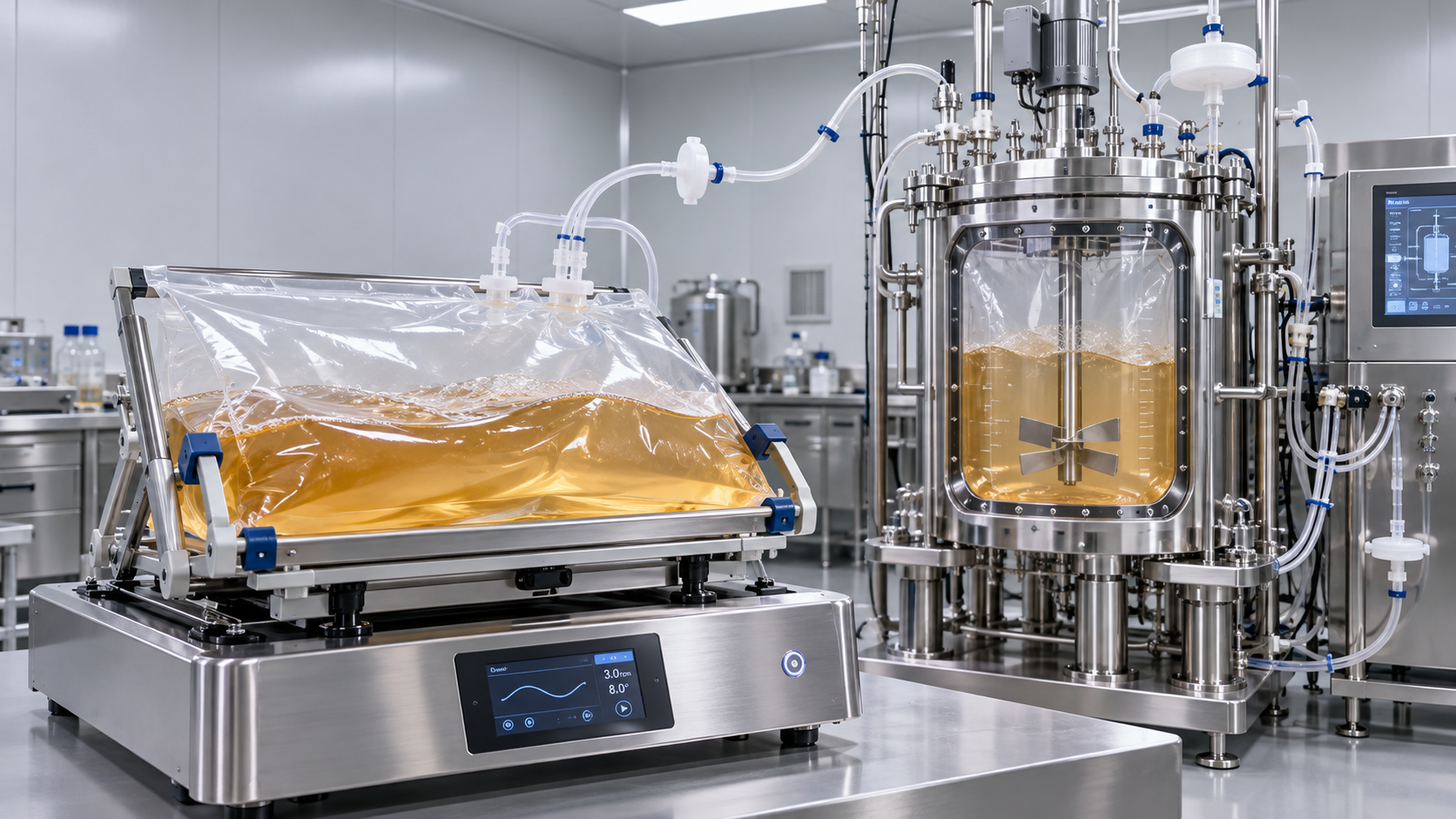
- Verify single-use assemblies for extractables, leachables, compatibility, and flow behavior before routine deployment in sensitive cell culture or fill-finish operations.
- Separate cleanroom classification from real process risk, because compliant room grades do not guarantee acceptable operator practices or intervention control.
- Trend viable and nonviable monitoring data together, then investigate subtle shifts before alert limits become action-level excursions.
- Qualify fluid handling accuracy across the full operating range, including low-volume transfers where pipetting bias or pulsation can distort potency and concentration.
- Link equipment calibration to product-critical parameters, rather than treating reactor mixing, temperature probes, or centrifuge speed checks as generic maintenance tasks.
- Document process changes with scientific rationale, comparability evidence, and cross-functional approval before implementation, even when the adjustment seems operationally minor.
- Train operators on contamination pathways and data integrity behaviors, not only on SOP reading and signature completion.
- Review container-closure integrity and packaging interactions for biologics that face adsorption, moisture sensitivity, or temperature-driven degradation during storage.
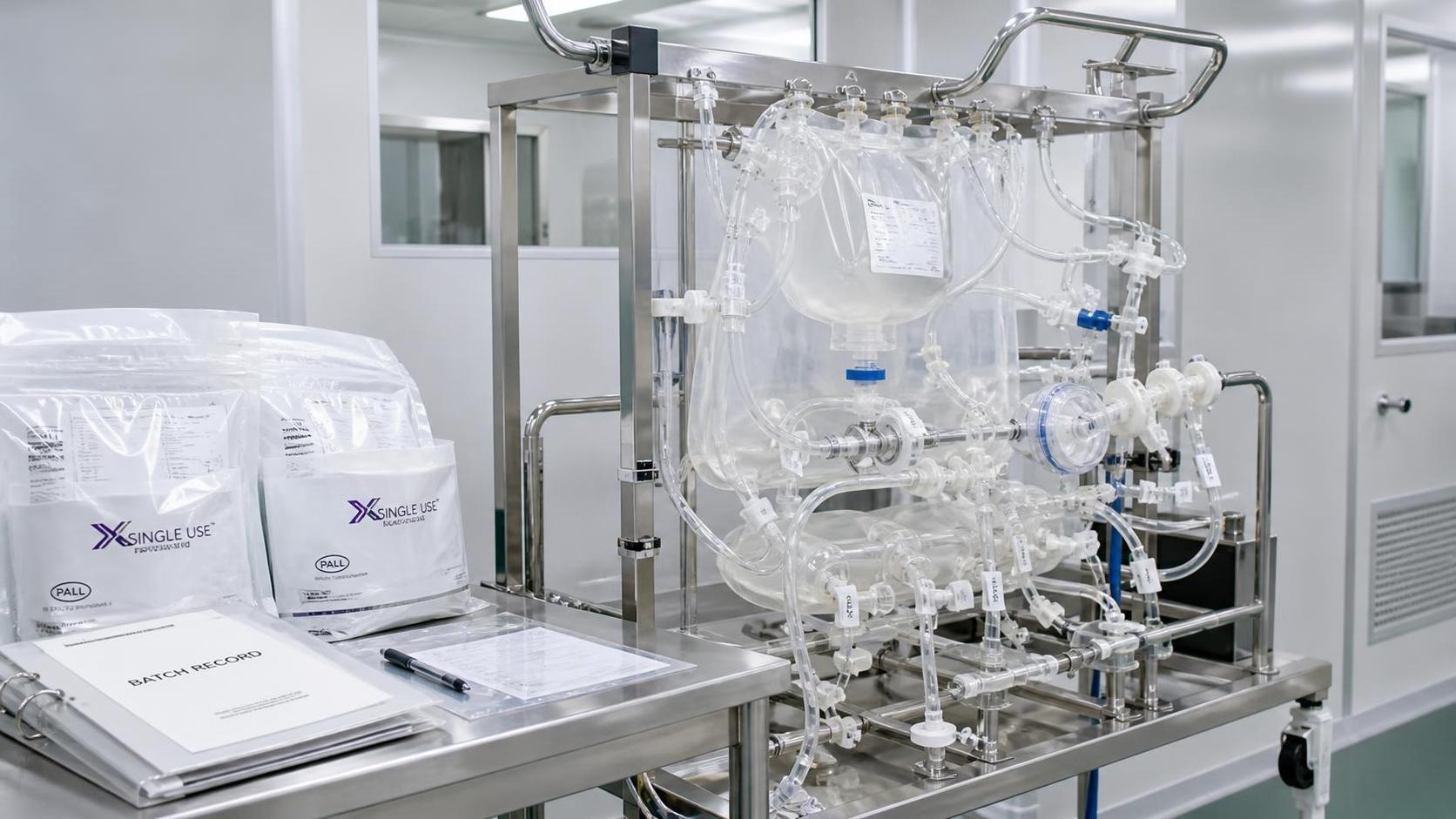
- Audit batch records for completeness, traceability, and exception handling so that USP standards compliance in biological manufacturing remains reviewable and defensible.
Where these mistakes appear across operating scenarios
Lab-to-pilot transfer
Early-stage programs often assume that development controls automatically support USP standards compliance in biological manufacturing. That assumption fails when benchtop conditions differ from pilot hardware, hold times, tubing layouts, or cleaning workflows.
For example, a validated assay may perform well on fresh samples but lose accuracy after longer transfer windows. Similarly, microfluidic or precision dispensing results may not translate directly to larger fluidic systems without new verification limits.
Commercial biologics production
At commercial scale, recurring compliance issues usually involve trend management rather than isolated failures. Sites may meet release criteria while still missing weak signals in environmental shifts, water quality variation, or component lot behavior.
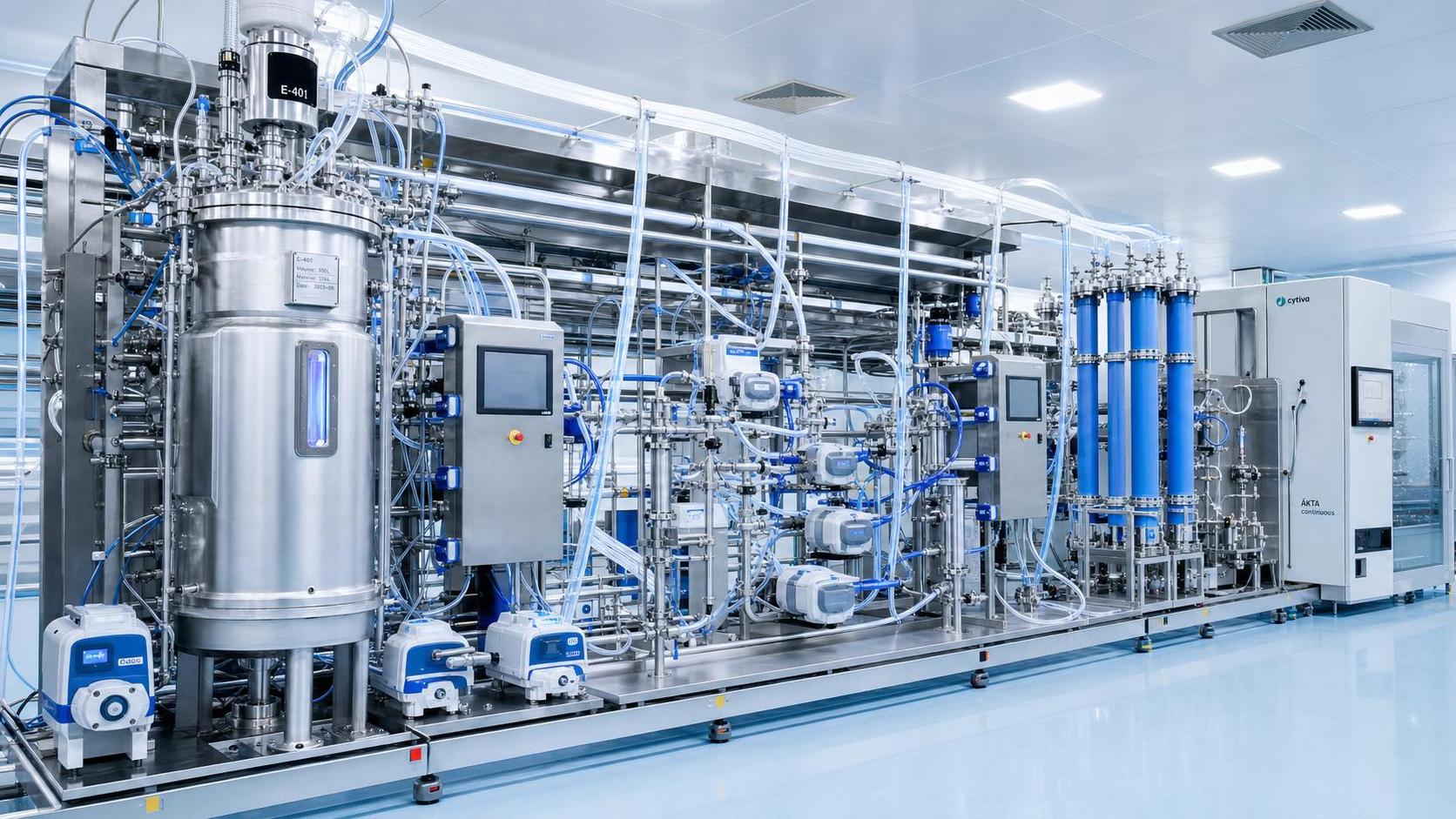
This is where benchmarking matters. High-performance bioreactors, centrifugation platforms, and automated liquid handling systems should be evaluated against both process capability and the relevant USP expectations that support batch consistency.
Aseptic and fill-finish environments
Aseptic operations often overemphasize room classification and underemphasize intervention discipline. USP standards compliance in biological manufacturing depends on the entire contamination control strategy, including glove management, line stoppages, and setup recovery.
Container-closure integrity is another weak point. Teams may validate sealing under normal conditions but overlook vibration, cold-chain handling, or product-contact interactions that affect long-term sterility assurance.
Single-use and hybrid facilities
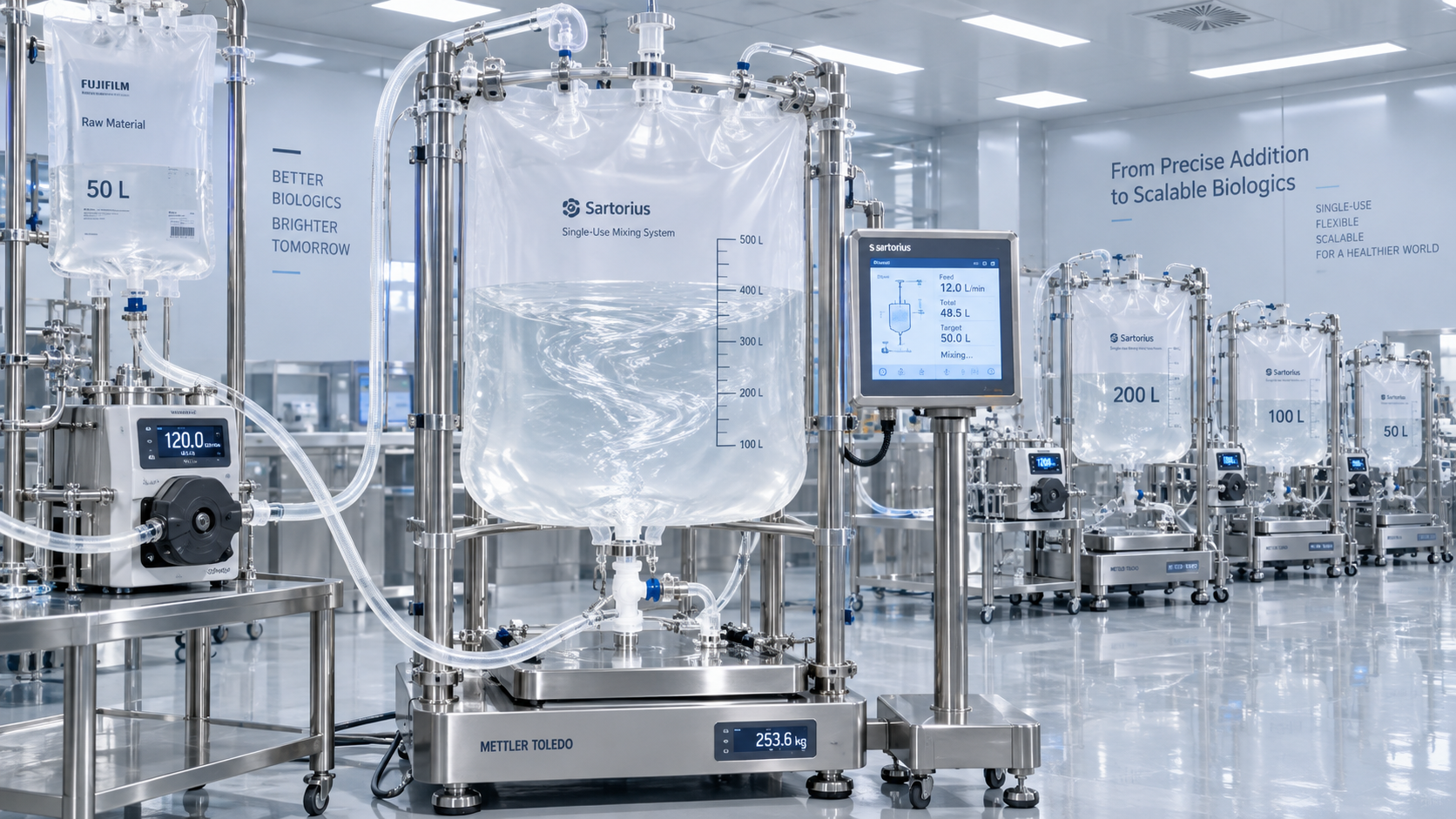
Single-use systems improve flexibility, but they also introduce supplier dependence and material variability. Compliance gaps emerge when incoming assemblies are accepted on vendor documentation alone, without site-specific verification.
Hybrid facilities face an added challenge. Reusable and disposable paths may follow different maintenance, cleaning, and traceability rules. Unless those rules are harmonized, documentation becomes fragmented and difficult to defend during inspection.
Frequently overlooked risks behind USP compliance failures
Incomplete risk ranking
Some quality systems rank deviations by immediate impact only. They miss cumulative effects from recurring small events, such as repeated low-level bioburden drift or minor transfer inaccuracies.
Weak data context
Passing values without historical context create false confidence. USP standards compliance in biological manufacturing requires trend interpretation, not only result archiving.
Overreliance on vendor certificates
Certificates of analysis and conformance are important, but they do not replace in-process suitability checks, incoming verification, or use-case-specific qualification.
Poor alignment between engineering and quality records
Equipment teams may document adjustments in maintenance logs that never appear in change control or batch impact assessments. That disconnect is a common inspection finding.
Training that ignores real interventions
Operators often train on ideal procedures, not on line disturbances, alarm responses, aseptic breaches, or restart conditions. Actual behavior then diverges from documented expectations.
Practical execution steps to strengthen compliance
- Build a USP requirement matrix that ties each chapter to methods, equipment, records, and acceptance criteria.
- Use trend reviews monthly for water, environmental monitoring, deviations, and calibration drift.
- Requalify low-volume fluid transfers after software updates, maintenance work, or tubing changes.
- Run periodic media simulations and intervention studies under stressed but realistic operating conditions.
- Compare supplier claims with site data for extractables, integrity, and process compatibility.
- Escalate repeat minor deviations as systemic signals, not isolated housekeeping issues.
Conclusion and next actions
The most persistent failures in USP standards compliance in biological manufacturing are rarely caused by lack of awareness. They usually result from weak integration between standards, equipment capability, operator behavior, and data review discipline.
A practical next step is to audit one product family end to end. Review applicable USP chapters, water and environmental trends, fluid handling accuracy, single-use qualification, and batch record completeness in one connected exercise.
That focused review often reveals where compliance is assumed rather than demonstrated. Once those gaps are visible, corrective action becomes faster, scale-up becomes more reliable, and inspection readiness becomes far more credible.
Expert Insights

Chief Security Architect
Dr. Thorne specializes in the intersection of structural engineering and digital resilience. He has advised three G7 governments on industrial infrastructure security.
Related Analysis
Core Sector // 01
Security & Safety
- Single-Use Cell Culture Systems: Rocking vs. Stirred-Tank for Mammalian CellsAuthor :Dr. Elena Frost

- Single-Use Formulation Systems: Accuracy, Compatibility, and Scale-UpAuthor :Dr. Elena Frost

- How Automated Buffer Preparation Improves Consistency in Bioprocessing WorkflowsAuthor :Dr. Elena Frost

- ISO Compliance for Bioprocessing: What QA Teams Must Verify in Single-Use SystemsAuthor :Dr. Elena Frost

- FDA Tightens E&L Rules for Lab Fluidic DevicesAuthor :Dr. Elena Frost

- ECHA Adds 12 SVHCs, Prompting REACH UpdatesAuthor :Dr. Elena Frost

- FDA Tightens Validation Rules for Single-Use Fluidic DevicesAuthor :Dr. Elena Frost

- Batch to Continuous Biologics: Process Differences, Facility Impact, and When the Shift Makes SenseAuthor :Dr. Elena Frost