BioProcess Asia Adds Continuous Transition Hub
Author
Date Published
Reading Time
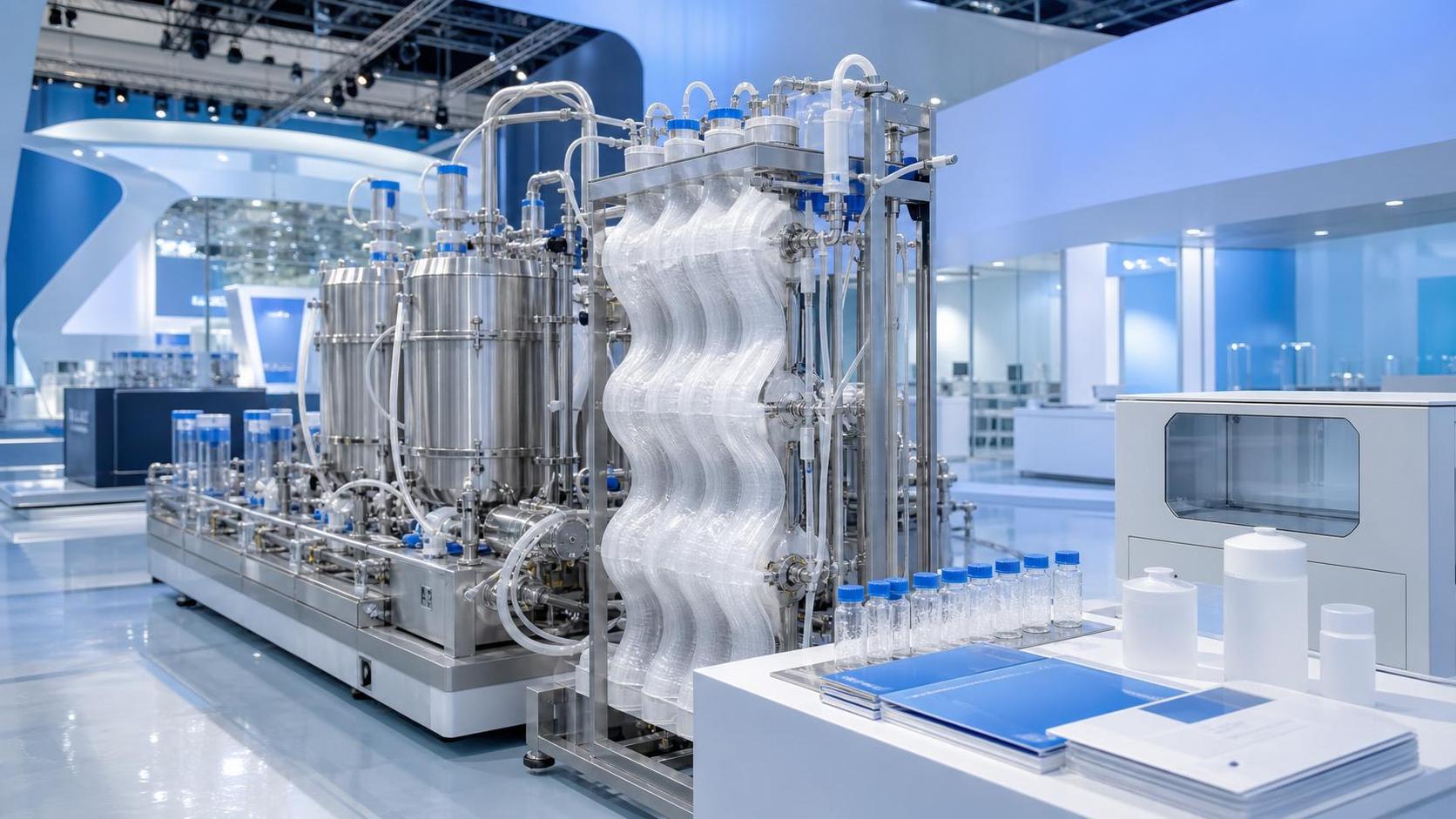
On June 29, 2026, Informa Markets disclosed that BioProcess Asia 2026, scheduled for October 14-16 in Singapore, will introduce a new Lab-to-Continuous Certification Hub. For bioprocess equipment suppliers, procurement teams, and process transfer functions, the announcement is worth close attention because it links exhibition participation, technical validation, and buyer-facing qualification signals more directly than a standard event update.
A new certification track tied to continuous transition readiness
According to the information provided, the new Lab-to-Continuous Certification Hub will appear for the first time at BioProcess Asia 2026. The certification framework is jointly endorsed by ISPE, BioPhorum, and SGH.
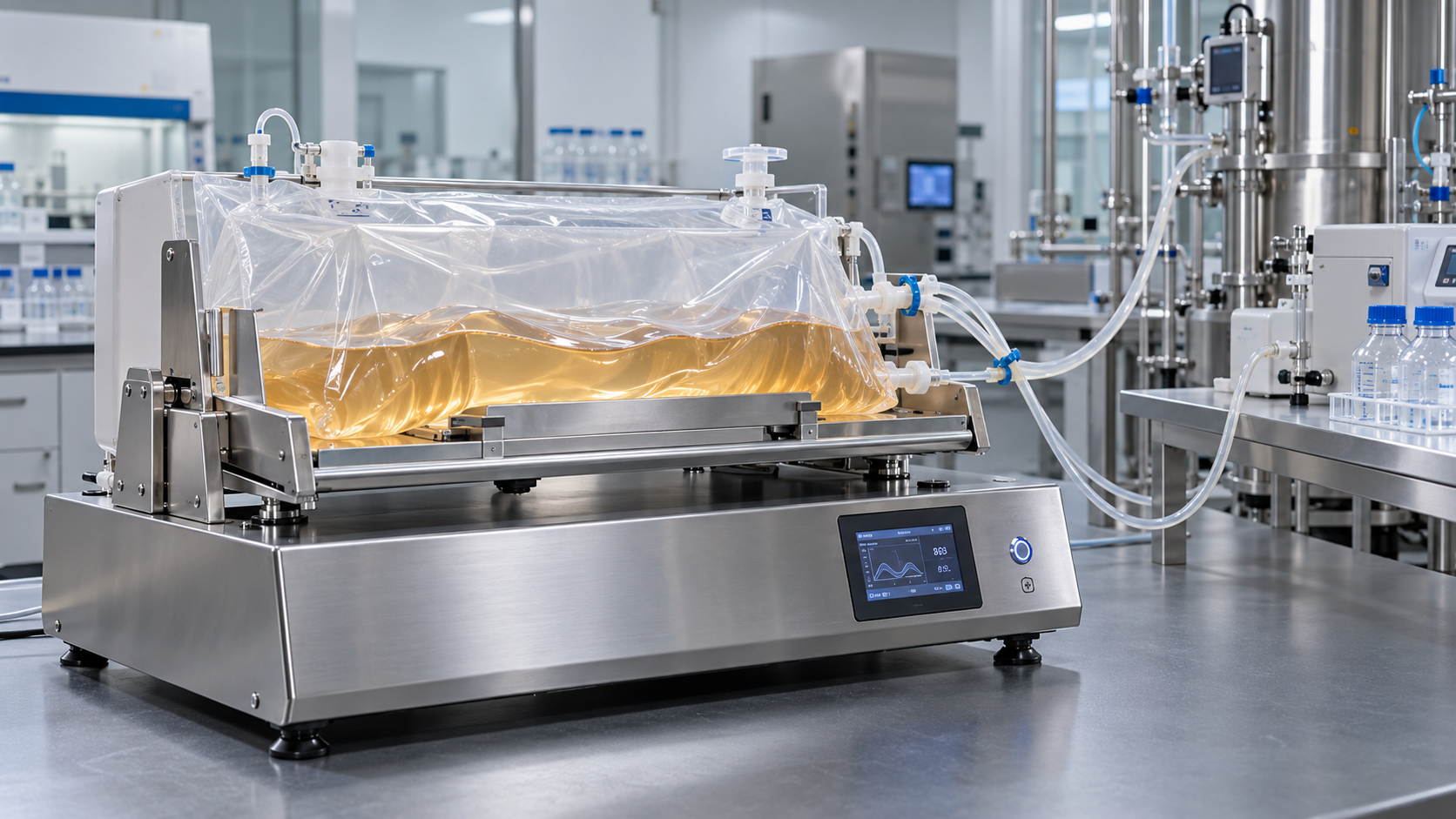
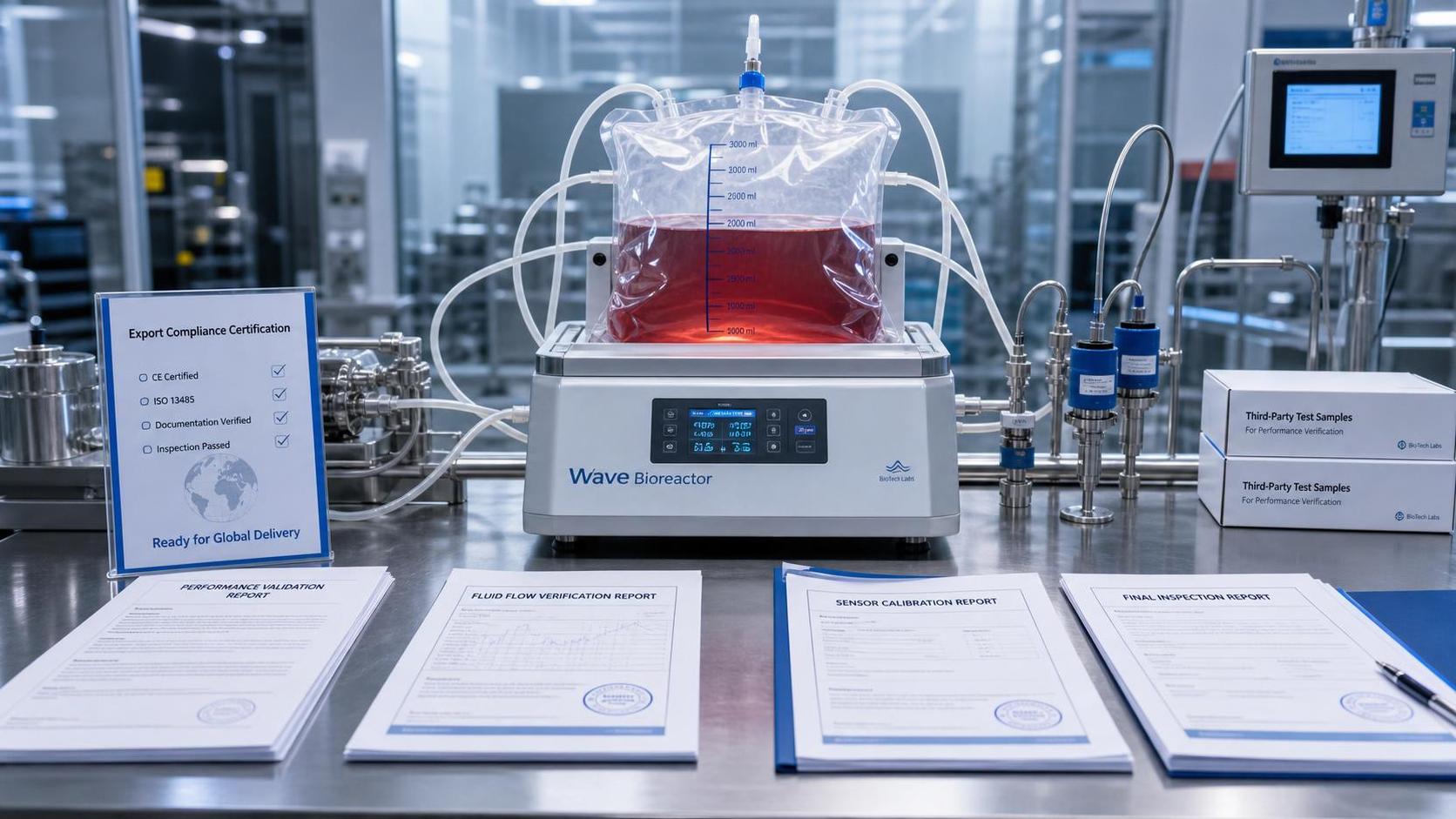
Wave Bioreactors are among the first equipment categories included on the initial whitelist. Exhibitors seeking the "Certified for Continuous Transition" designation must complete continuous fluid dynamics modeling validation and submit data from three GMP-grade process transfer batches.
The same designation has already been listed by 12 multinational pharmaceutical companies, including Pfizer and CSL, as a preferred basis in procurement decisions.
Where the market impact is likely to be felt first
Equipment suppliers face a higher proof threshold
From an industry perspective, suppliers of Wave Bioreactors may be affected first because the announcement turns a product category inclusion into a documentation and validation requirement. The immediate impact is likely to center on technical submission readiness, process evidence packaging, and how vendors present transfer capability to prospective buyers.
Procurement teams gain a clearer screening signal
For pharmaceutical buyers and sourcing teams, the certification mark may function as an early filtering tool in supplier comparison. The business effect is likely to appear in vendor shortlisting, tender preparation, and cross-functional review between technical, quality, and purchasing teams. What deserves closer attention is whether this label starts to shape prequalification expectations beyond the exhibition setting itself.
Process transfer and GMP-facing functions come into focus
Teams responsible for process transfer, GMP documentation, and technical operations may also feel the impact because the stated requirements are not limited to marketing claims. The need for continuous fluid dynamics modeling validation and three GMP-grade transfer batches points attention toward evidence generation, data consistency, and readiness to support customer review.
Service providers may see demand shift toward validation support
Observably, service providers involved in modeling, validation support, and technical documentation may need to track this development closely. The likely effect is not confirmed demand growth, but a possible increase in requests related to submission preparation, technical interpretation, and alignment between engineering evidence and buyer qualification needs.
What companies should watch before October 2026
Watch for any refinement in certification language
Analysis shows that companies should monitor whether organizers or participating certification bodies further clarify the exact submission standards, review criteria, or scope of eligible equipment. At this stage, the market has the core requirements, but operational details may still determine who can realistically qualify.
Prepare evidence in a buyer-ready format
For exhibitors and suppliers, the practical issue is not only whether the required work has been completed, but whether modeling validation results and GMP-grade transfer data can be presented in a form suitable for external review. Customer-facing teams should align technical files, qualification narratives, and supporting materials early.
Separate event signaling from commercial conversion
What deserves closer attention is the distinction between a recognized designation and an automatic purchase outcome. The input confirms that 12 multinational pharmaceutical companies treat the mark as a preferred procurement basis, but that should still be understood as a purchasing signal rather than a guaranteed order path. Companies should plan for follow-up technical discussions, quality reviews, and delivery capability questions.
Review supplier communication and delivery planning
Suppliers and channel-facing teams should also reassess how they communicate qualification status, evidence availability, and timelines to customers. If the certification mark becomes a practical screening factor, response speed, document completeness, and consistency between sales claims and technical records may matter more in pre-sales conversations.
Why this looks more like a standards signal than a one-off event update
Analysis shows that this announcement is better understood as a structured market signal around continuous transition readiness rather than as a routine trade show feature. The combination of joint certification, defined technical evidence requirements, and stated procurement relevance suggests that the discussion is moving closer to operational qualification criteria.
At the same time, it is more appropriate to understand this as an emerging signal than a fully settled market standard. The provided information confirms the framework, the initial equipment category, and buyer interest, but it does not yet establish how broadly the model will be adopted across other equipment classes or purchasing programs.
How to read the announcement at this stage
The immediate significance of the update lies in its attempt to connect exhibition visibility with verifiable process transfer readiness. For equipment vendors, pharmaceutical procurement teams, and technical functions supporting GMP transfer, the key issue is no longer only product exposure but also evidence-backed qualification.
A neutral reading is that this is a credible near-term signal with possible longer-term implications. It should not yet be treated as a final industry-wide outcome, but it clearly merits continued attention because it may influence how continuous transition capability is documented, compared, and discussed in commercial settings.
Basis of this article and points for continued verification
This article is based on the user-provided news title, event date, and event summary. Information of this kind is commonly associated with source categories such as organizer announcements, company statements, industry association information, standards-related documents, and reporting by established trade media.
A specific official source link was not provided in the input, so the exact wording and any subsequent updates still require ongoing verification. The next points worth tracking are whether the certification framework is further detailed, whether additional equipment categories are added, and whether procurement references to the designation become more explicit in future public communications.
Expert Insights

Chief Security Architect
Dr. Thorne specializes in the intersection of structural engineering and digital resilience. He has advised three G7 governments on industrial infrastructure security.
Related Analysis
Core Sector // 01
Security & Safety
- Cytiva Launches Next-Generation Xcellerex Single-Use Wave BioreactorAuthor :Dr. Elena Frost

- Selecting Biopharmaceutical Manufacturing Equipment for Scalable GMP ProductionAuthor :Dr. Elena Frost

- Peristaltic Pump Flow Rate Stability in Bioprocessing: Sources of Drift and ControlAuthor :Dr. Elena Frost

- Scaling Biologics Manufacturing: Key Process Choices from Pilot to Commercial ScaleAuthor :Dr. Elena Frost

- How to Select a Single-Use Cell Culture Bioreactor for Scalable BioprocessesAuthor :Dr. Elena Frost

- Bioprocess Scale-Up for Cell Therapy: Key Risks, Controls, and Platform ChoicesAuthor :Dr. Elena Frost

- FDA Draft Adds Validation Burden for Wave Bioreactor ExportsAuthor :Dr. Elena Frost

- Personalized Therapeutics Bioprocess Engineering: Critical Scale-Up Challenges and Control StrategiesAuthor :Dr. Elena Frost