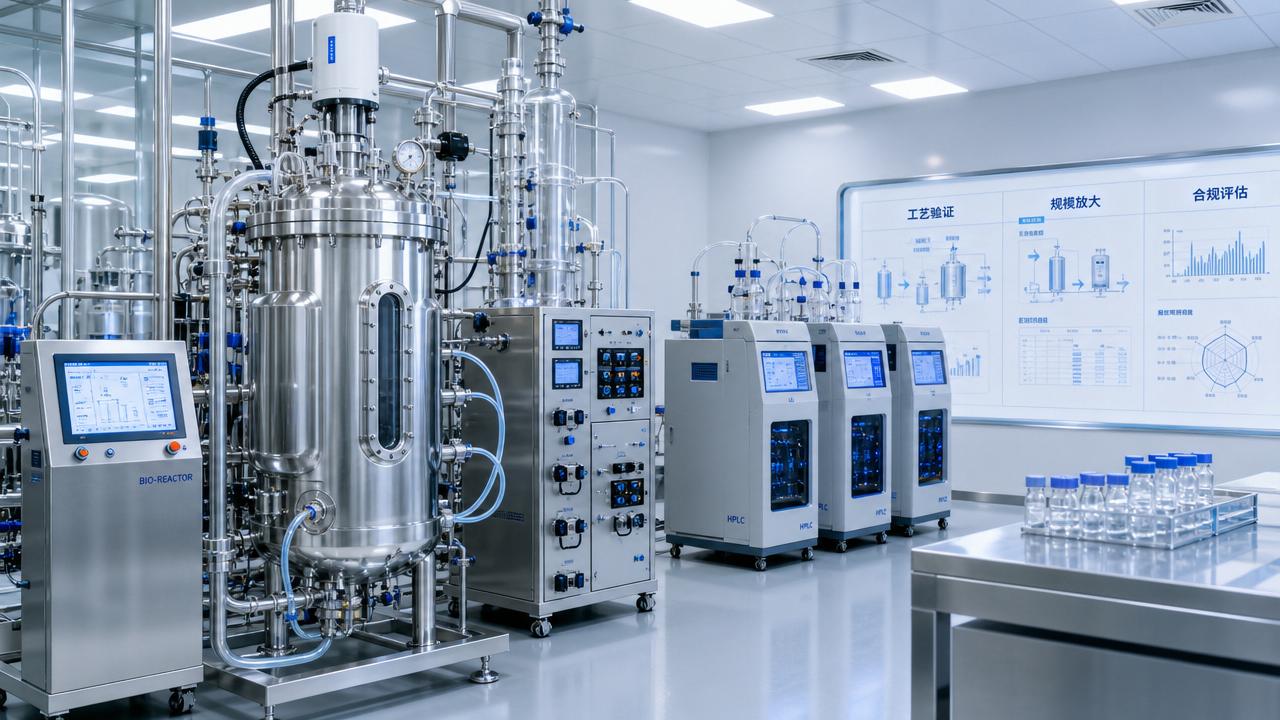
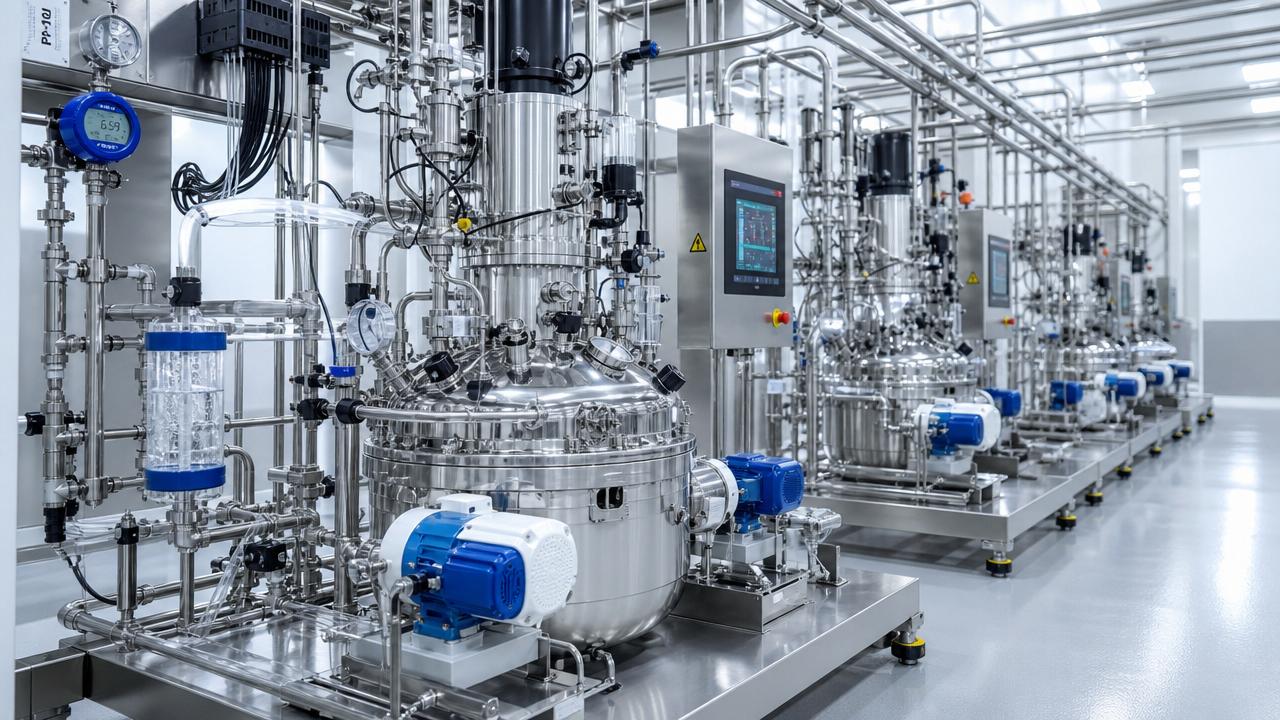
What matters most in technical benchmarking for bioreactors
Author
Date Published
Reading Time
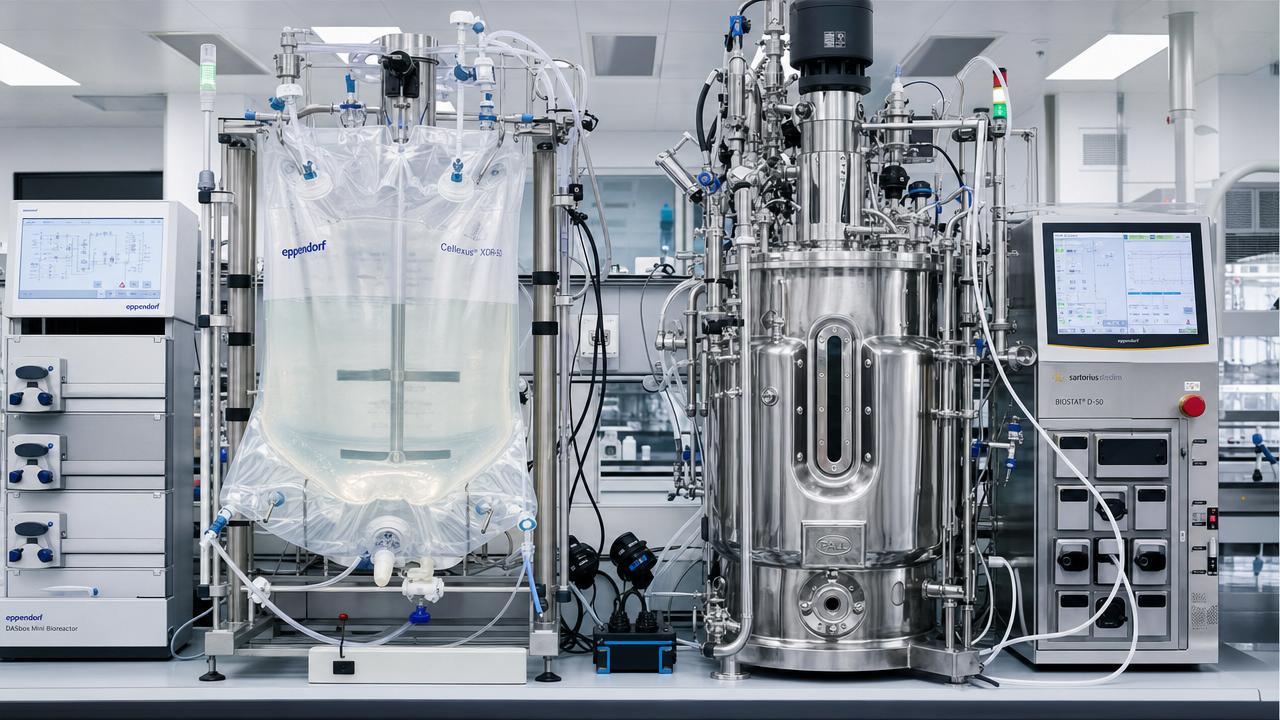
Why does technical benchmarking for bioreactors matter before purchase or scale-up?
Technical benchmarking for bioreactors matters when data must survive scale, audit, and biological variability.
A reactor can look impressive on paper yet fail under real media, shear-sensitive cells, or strict sterility expectations.
That is why technical benchmarking for bioreactors goes beyond brochure specifications and marketing language.
It compares measurable performance against process intent, regulatory boundaries, and lifecycle operating risk.
For integrated laboratories and pilot facilities, this benchmark supports better transfer from development to production.
Within G-LSP, the comparison lens centers on fluidic precision, bioconsistency, and standard-based technical evidence.
The goal is not only equipment selection.
The goal is protecting yield, reproducibility, cleaning strategy, and future process flexibility.
What should technical benchmarking for bioreactors actually measure?
Effective technical benchmarking for bioreactors starts with measurable, process-relevant variables.
The best benchmark framework links each variable to product quality and scale-up behavior.
Core technical metrics
- Mixing time under different viscosities and fill volumes
- Oxygen transfer rate and kLa across agitation ranges
- Gas distribution efficiency and bubble size behavior
- Temperature uniformity and heat removal stability
- pH and dissolved oxygen sensor response accuracy
- Foam control reliability and antifoam interaction
- Sterility assurance, SIP or gamma-ready integrity
- Data logging depth, alarm integrity, and control reproducibility
These metrics reveal whether performance is stable or only optimized for a narrow demonstration condition.
Technical benchmarking for bioreactors should also include turn-down ratio and scalability mapping.
A useful system should preserve comparable mass transfer and control logic across development stages.
Why brochure values are not enough
Quoted kLa values may depend on water tests, not complex media or live culture conditions.
Sensor accuracy may look excellent until drift appears after sterilization cycles or extended runs.
Benchmarking should therefore test dynamic conditions, not only static acceptance values.
How do fluid dynamics and control architecture affect real bioprocess outcomes?
Fluid behavior is often the hidden factor behind inconsistent growth, variable titer, and poor scale correlation.
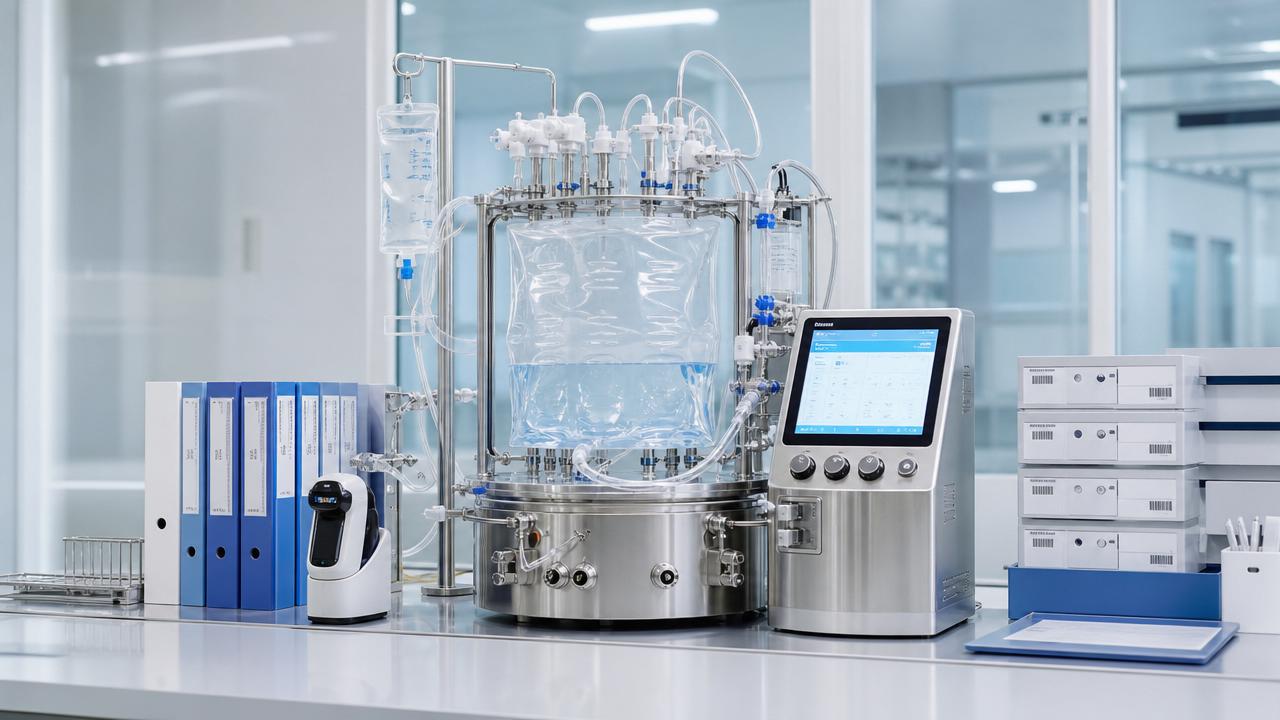
Technical benchmarking for bioreactors must examine how geometry, impellers, spargers, and probes work together.
Fluidic design questions that matter
- Does the impeller design support fragile mammalian cells or robust microbial cultures?
- Are dead zones minimized at low working volumes?
- Can the sparger maintain transfer without excessive shear?
- Does baffle configuration improve mixing without overloading power input?
Control architecture matters just as much as vessel geometry.
A strong automation layer reduces operator variation and improves batch comparability.
Look for cascade control options, recipe management, historian quality, and compliant audit trail design.
If a platform cannot integrate upstream analytics, benchmarking is incomplete.
Modern bioreactor evaluation should consider PAT readiness and digital handoff potential.
In this sense, technical benchmarking for bioreactors supports both process science and data governance.
Which is better for benchmarking: single-use or stainless-steel bioreactors?
There is no universal winner.
Technical benchmarking for bioreactors should compare platform fit, not brand preference or legacy assumptions.
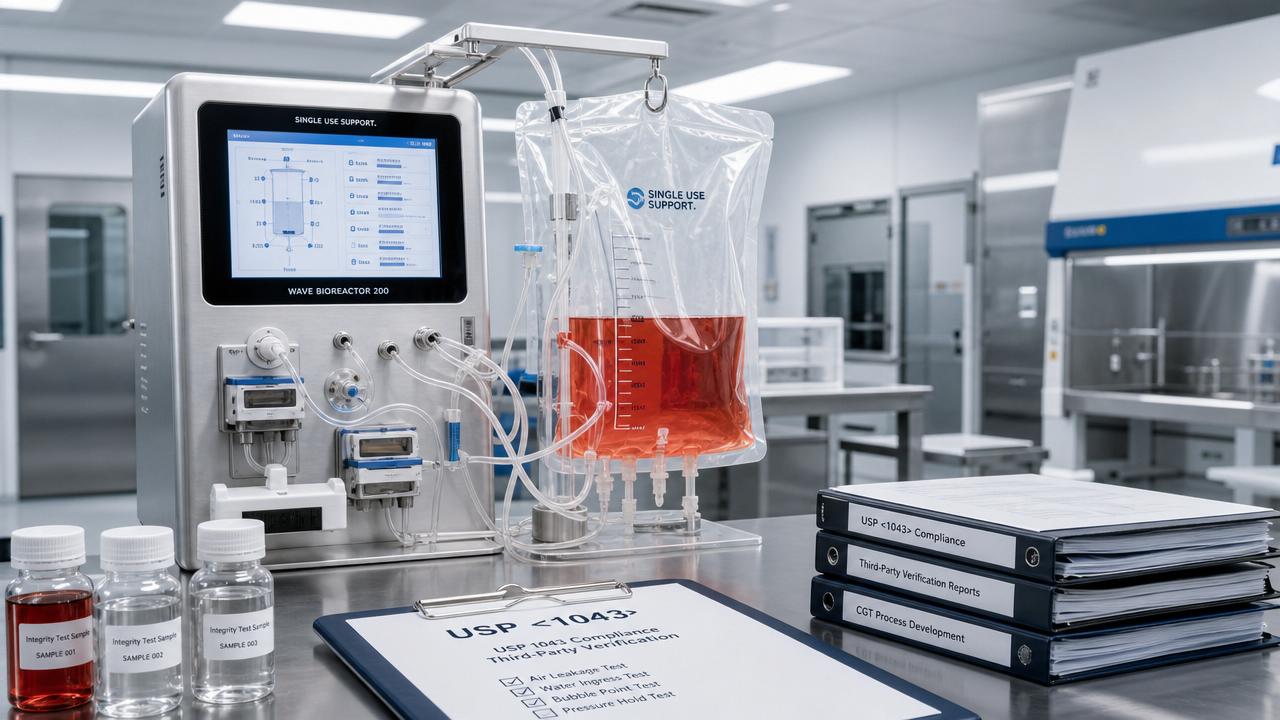
Single-use strengths
- Fast changeover and reduced cleaning validation burden
- Lower cross-contamination risk between campaigns
- Useful for flexible, multi-product, or personalized workflows
Stainless-steel strengths
- Strong thermal robustness and long service life
- Suitable for repeated high-throughput campaigns
- Often preferred where established CIP and SIP infrastructure exists
However, the real comparison should include extractables, leachables, bag robustness, and mixing equivalence.
For stainless steel, focus on cleaning validation burden, downtime, and utility dependency.
Technical benchmarking for bioreactors becomes meaningful when both capital and process risk are visible.
What are the most common benchmarking mistakes and hidden risks?
Many evaluations fail because they compare isolated specifications instead of process behavior across time.
That creates blind spots during transfer, validation, and routine production.
Frequent errors
- Testing with water instead of representative media
- Ignoring low-volume and high-density operating conditions
- Comparing sensors without sterilization cycle drift analysis
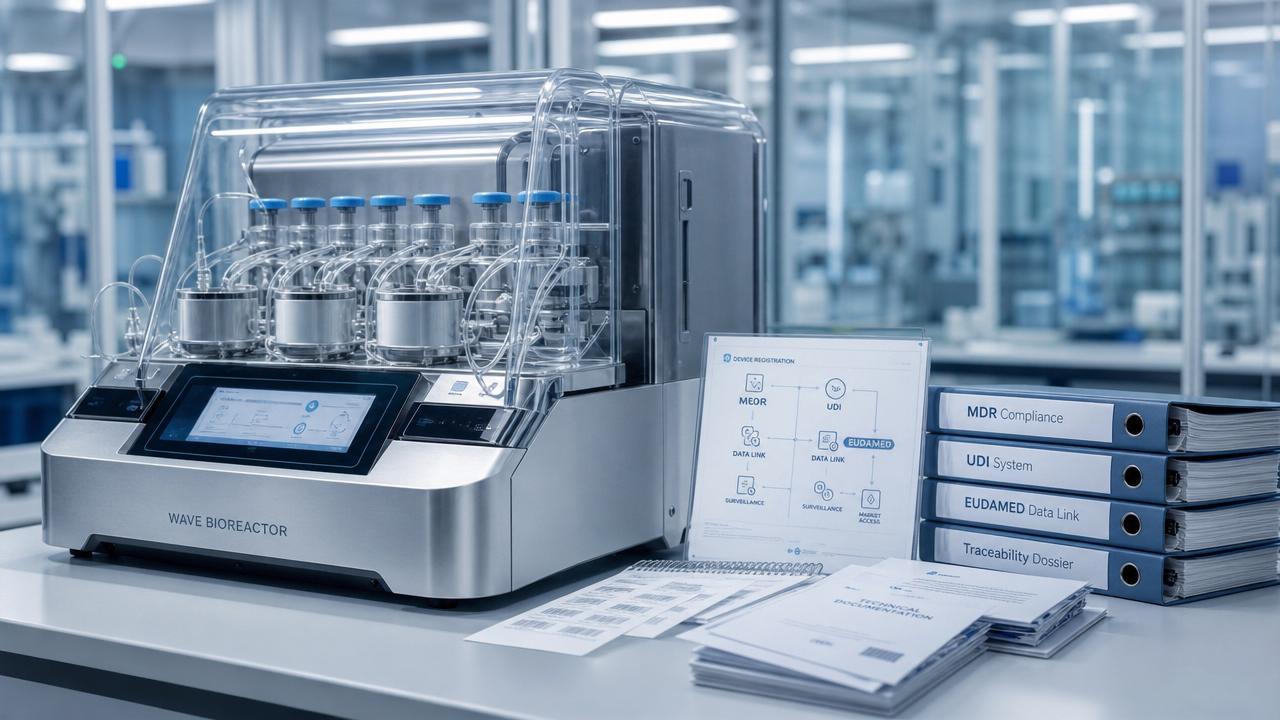
- Overlooking software compliance and data integrity requirements
- Assuming scale-up will remain linear across geometries
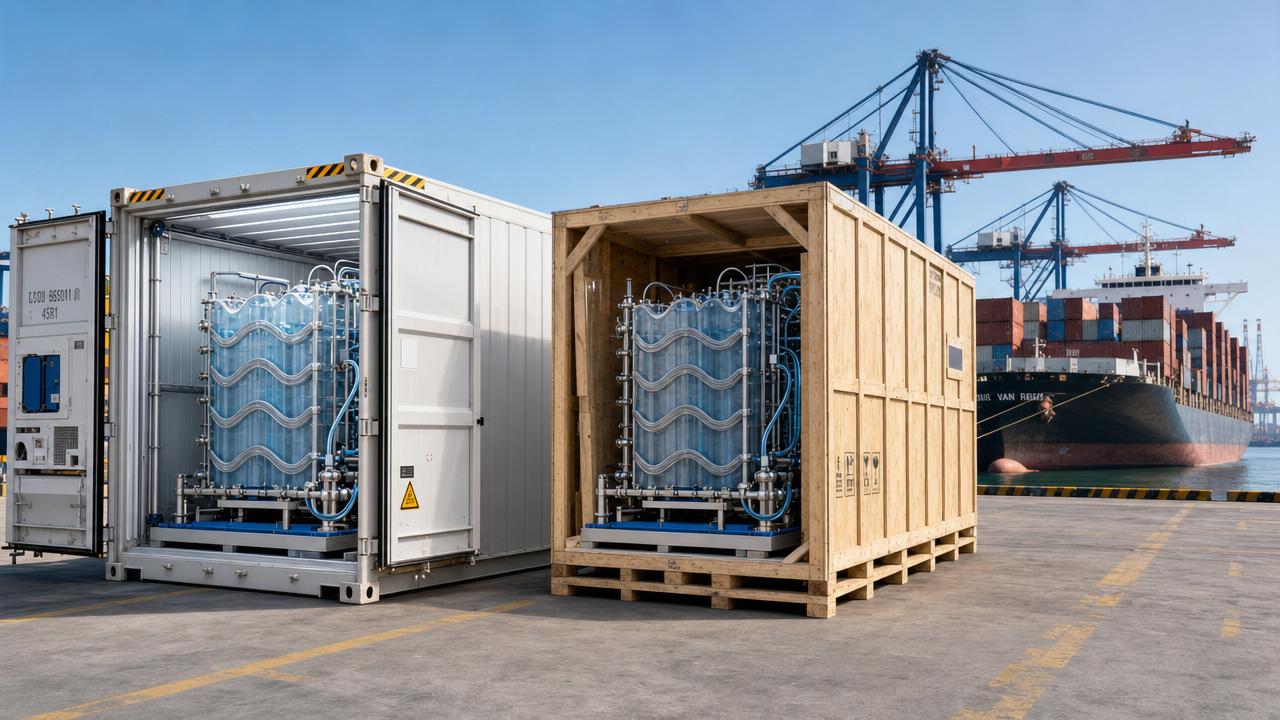
- Underestimating spare parts, consumables, and service response risk
Another mistake is separating hardware review from biological performance review.
A technically elegant vessel can still underperform for sensitive cell lines.
Benchmarking should therefore pair engineering metrics with actual culture response and reproducibility data.
This is where technical benchmarking for bioreactors becomes a strategic safeguard rather than a checklist exercise.
How can organizations build a practical technical benchmarking for bioreactors workflow?
A practical workflow should be structured, evidence-based, and easy to repeat across projects.
It should connect process development, compliance expectations, and facility realities.
Recommended workflow
- Define the target process window and biological sensitivity profile.
- Rank critical quality and critical process parameters.
- Select benchmark criteria tied to scale, sterility, and control demands.
- Run comparative tests using representative media and realistic cycle conditions.
- Review software, maintenance, training, and documentation readiness.
- Score total lifecycle fit, not only purchase price.
For multidisciplinary environments, this workflow helps align engineering, quality, and operational priorities.
G-LSP applies this logic across bioreactors and adjacent fluidic systems to support coherent technology transfer.
Technical benchmarking for bioreactors FAQ and comparison guide
In the end, technical benchmarking for bioreactors is about reducing uncertainty before it becomes operational loss.
The strongest evaluations compare vessel design, automation depth, sterility strategy, and biological fit together.
That combined view is essential in modern batch-to-continuous and personalized production environments.
Use technical benchmarking for bioreactors as a repeatable decision framework, not a one-time vendor exercise.
Start with your process window, challenge every performance claim, and validate under realistic operating conditions.
When benchmark data is rigorous, equipment choice becomes a controlled path toward reproducibility, compliance, and scalable efficiency.
Expert Insights

Chief Security Architect
Dr. Thorne specializes in the intersection of structural engineering and digital resilience. He has advised three G7 governments on industrial infrastructure security.
Related Analysis
Core Sector // 01
Security & Safety
- Singapore Fast Lane Adds Wave BioreactorsAuthor :Dr. Elena Frost
![]()
- FDA Tightens USP <1043> Rule for Wave BioreactorsAuthor :Dr. Elena Frost

- TÜV Rheinland Launches MDR-UDI Portal for Wave BioreactorsAuthor :Dr. Elena Frost

- EU MDR Deadline Hits Wave Bioreactors June 28Author :Dr. Elena Frost
![]()
- EUDAMED Mandate Impacts Wave BioreactorsAuthor :Dr. Elena Frost

- Europe Freight Futures Up 5%, Wave Exports SqueezedAuthor :Dr. Elena Frost

- What to check before investing in Bioprocessing TechnologyAuthor :Dr. Elena Frost

- How Continuous Manufacturing Systems cut cost and wasteAuthor :Dr. Elena Frost