China's Lab Equipment Pavilion Expands at LABVOLUTION 2026
Author
Date Published
Reading Time
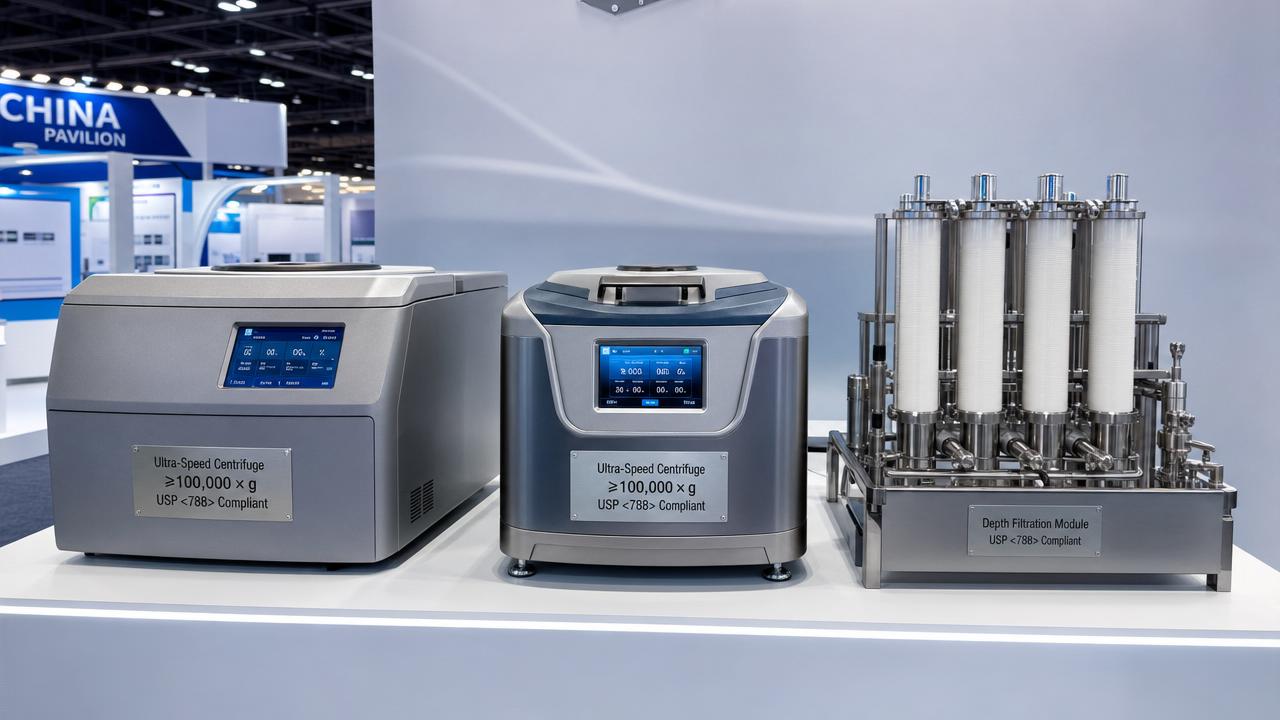
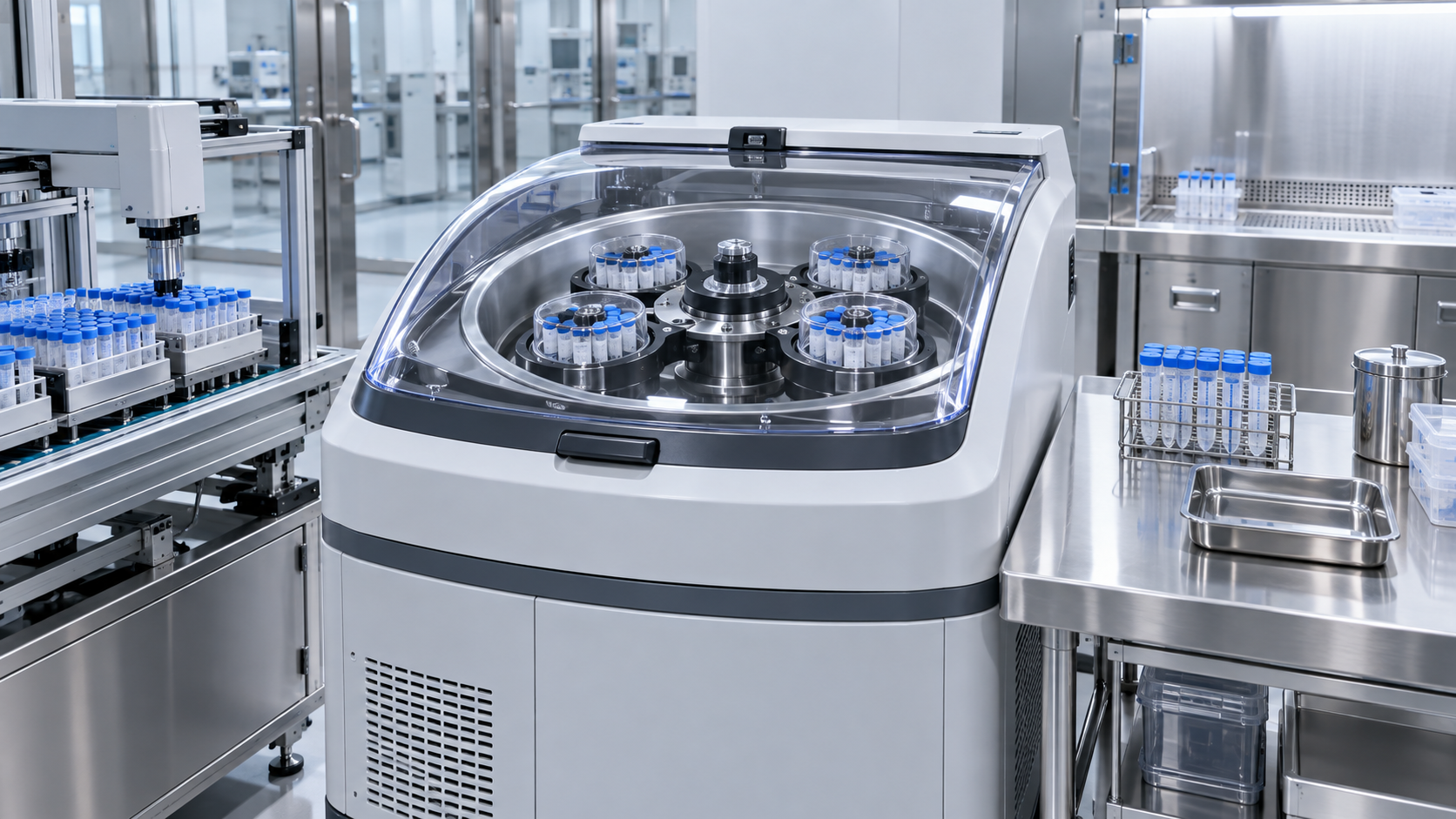
BERLIN, May 23, 2026 — The Chinese national pavilion at LABVOLUTION 2026, which opened on May 23, marked a significant milestone in China’s global laboratory equipment export strategy. With a 37% year-on-year expansion in booth area and participation, the delegation drew intensified attention from European buyers—particularly for ultracentrifuges and filtration units—reflecting evolving demand signals in regulated life science and biomanufacturing markets.
Event Overview
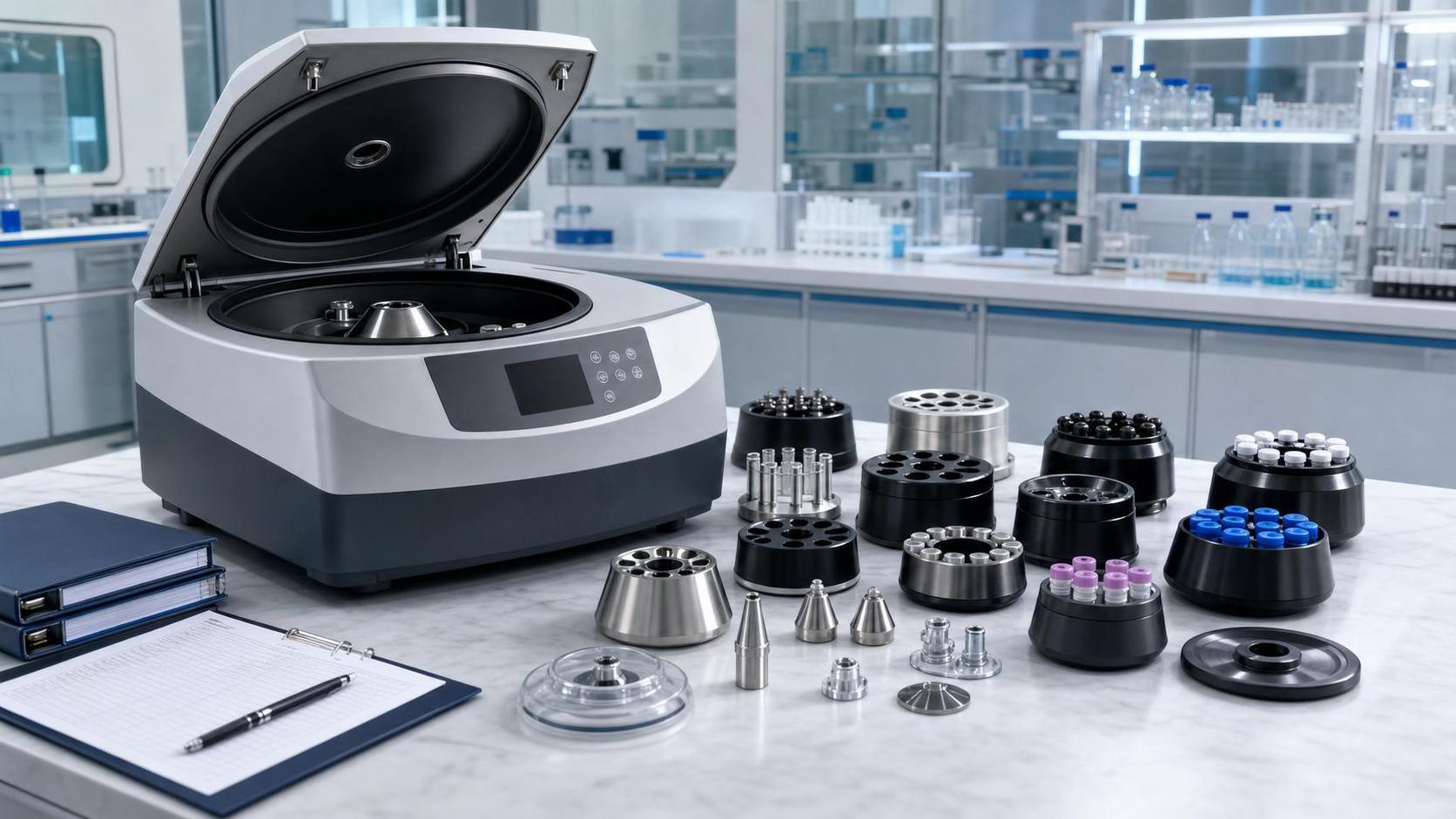
The 2026 LABVOLUTION exhibition in Berlin opened on May 23. The Chinese national pavilion grew by 37% in scale compared to 2024. Ultracentrifuges and filtration units were the most visited product categories, receiving over 1,200 visits from European and North American procurement professionals. Order intentions focused on ultracentrifuge models capable of ≥100,000 × g acceleration and deep-bed filtration modules compliant with USP <788> particulate matter standards. Several Chinese manufacturers signed distribution agreements with European partners during the event.
Industries Affected
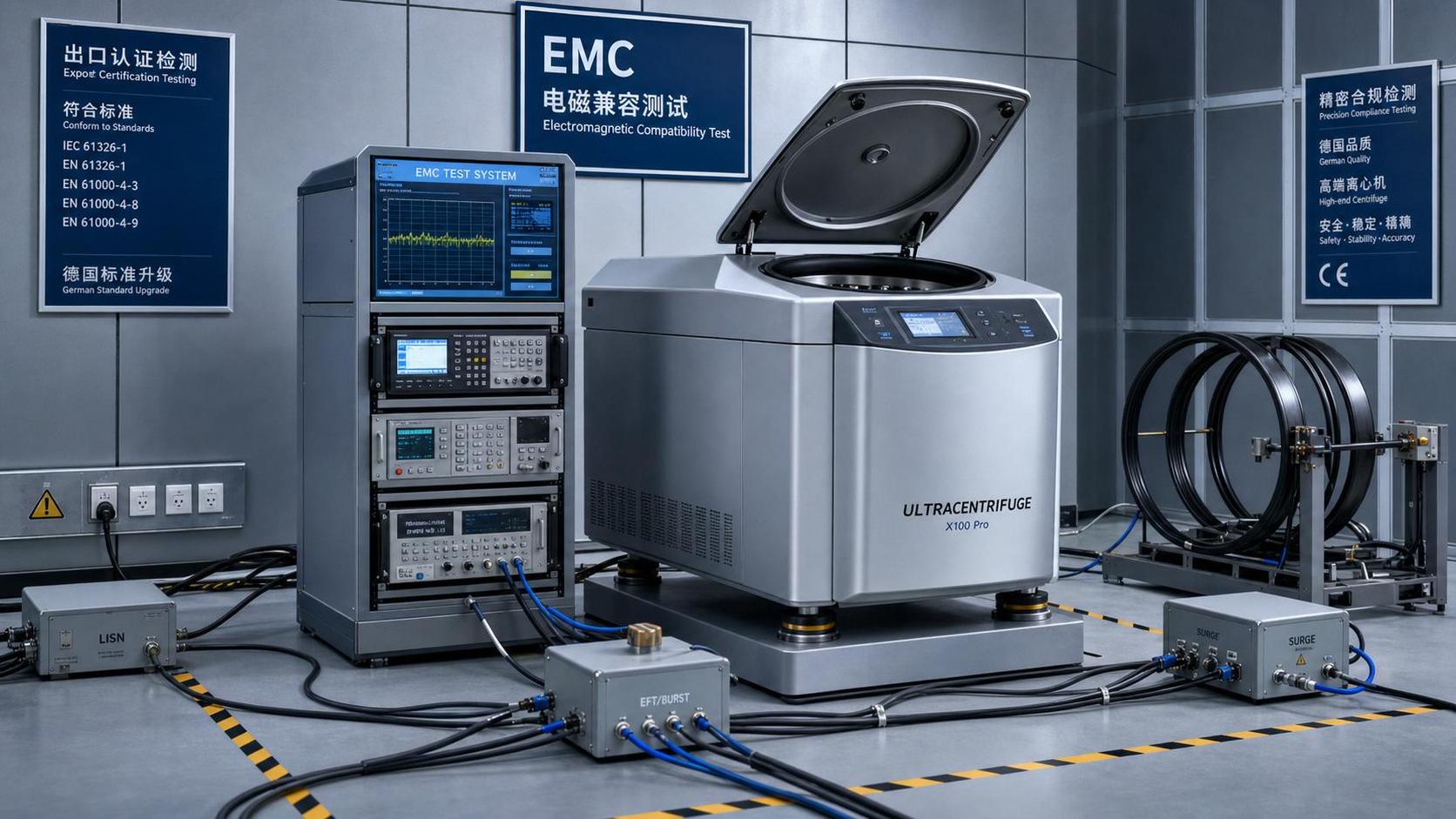
Direct Trade Enterprises: Export-oriented OEMs and brand distributors face heightened commercial opportunity—but also increased scrutiny on regulatory alignment (e.g., CE marking, USP compliance documentation, and traceability of filter media). Revenue upside is tangible, yet contractual terms—including liability clauses for particle shedding or rotor certification—require deeper legal and technical review than previous cycles.
Raw Material Procurement Enterprises: Suppliers of high-purity stainless steel alloys, ceramic filter substrates, and certified polymer gaskets are seeing upstream demand pressure. Notably, orders referencing USP <788> imply tighter specifications for extractables/leachables testing, prompting requalification of existing material suppliers—especially those without ISO 13485 or USP Class VI certification.
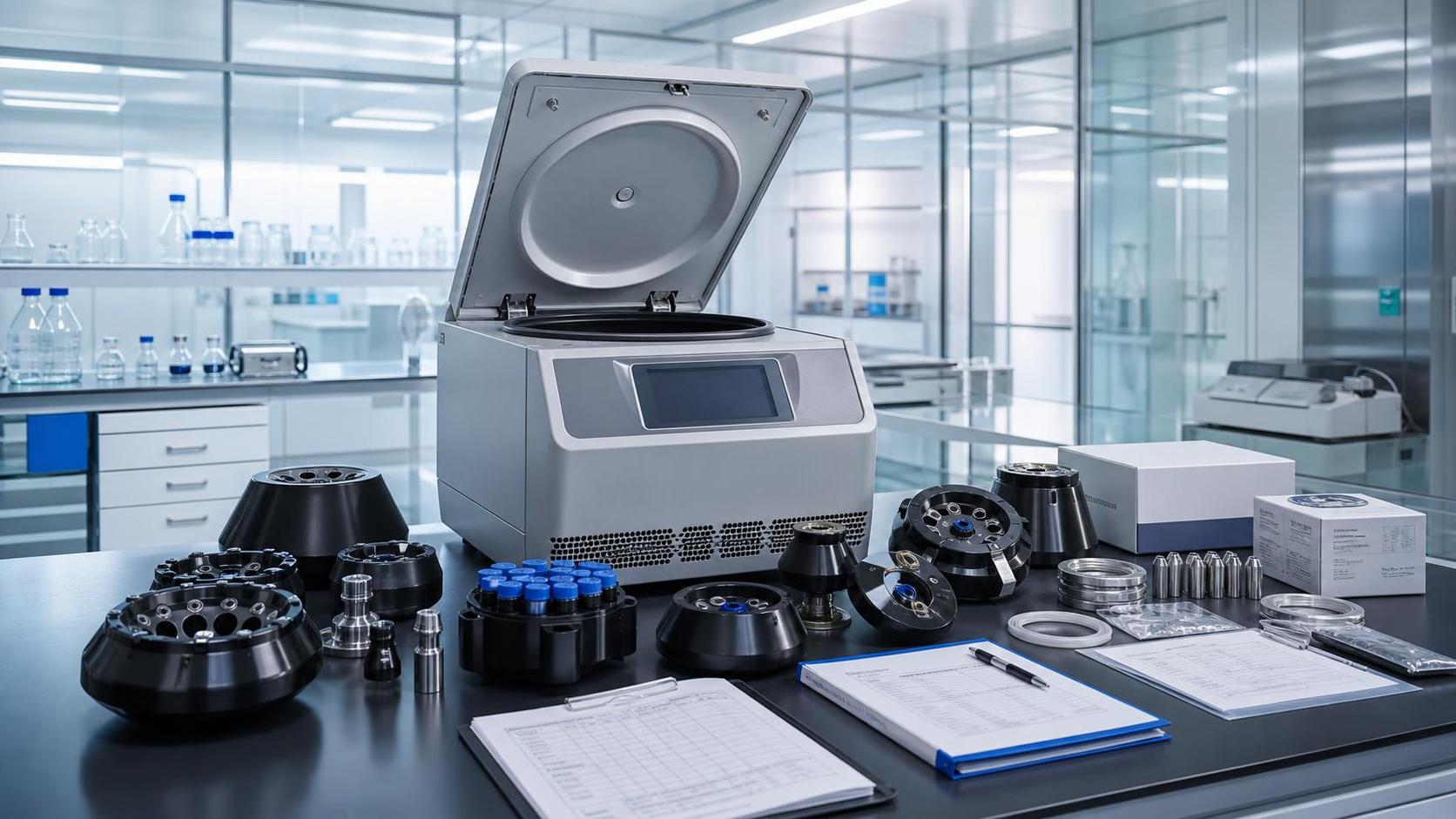
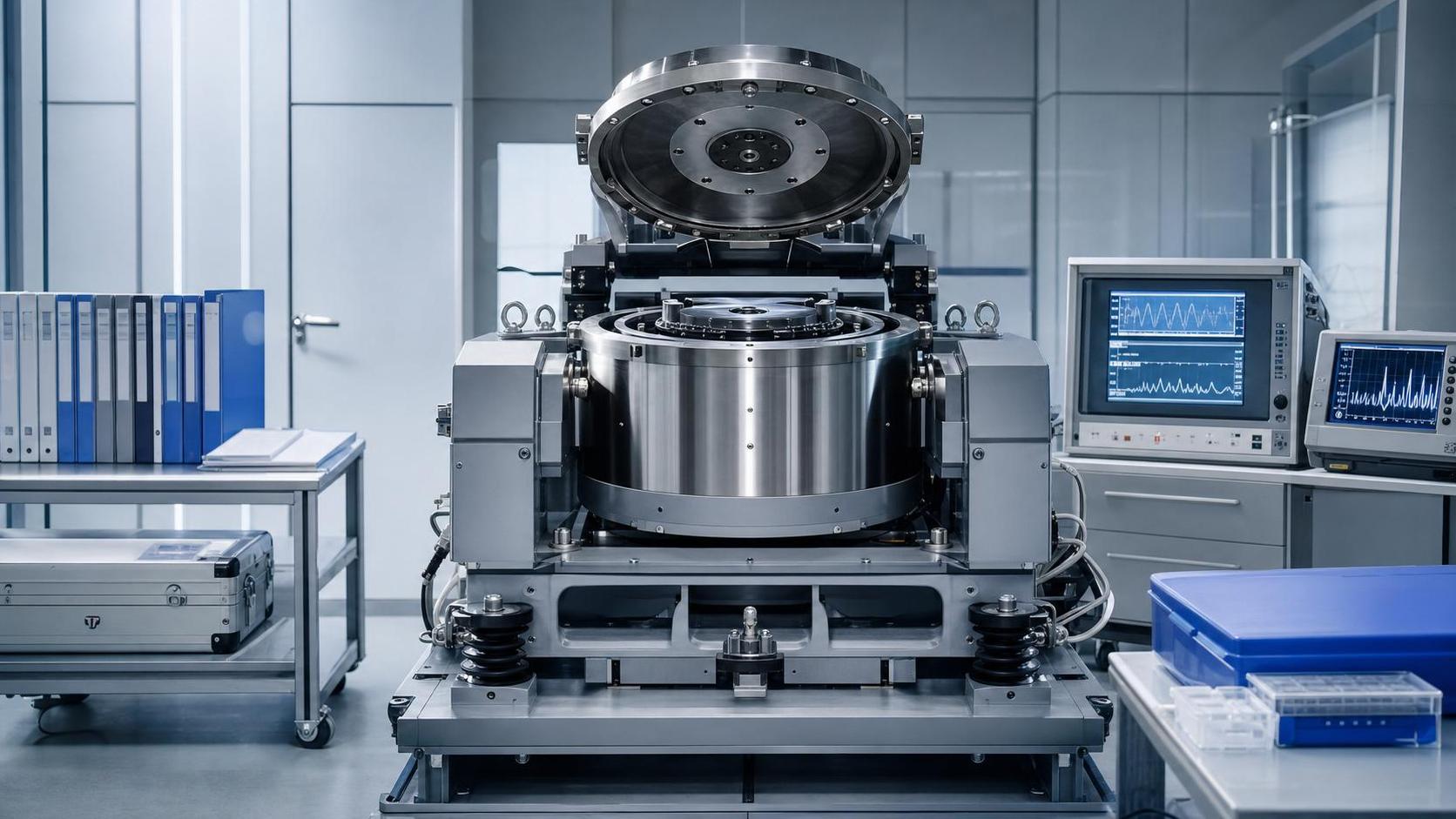
Manufacturing Enterprises: Domestic centrifuge and filtration system assemblers must adapt production workflows to accommodate higher precision tolerances (e.g., rotor balancing at >100,000 × g) and expanded validation protocols. This includes investment in metrology-grade vibration testing and cleanroom-compatible final assembly—not merely scaling output.
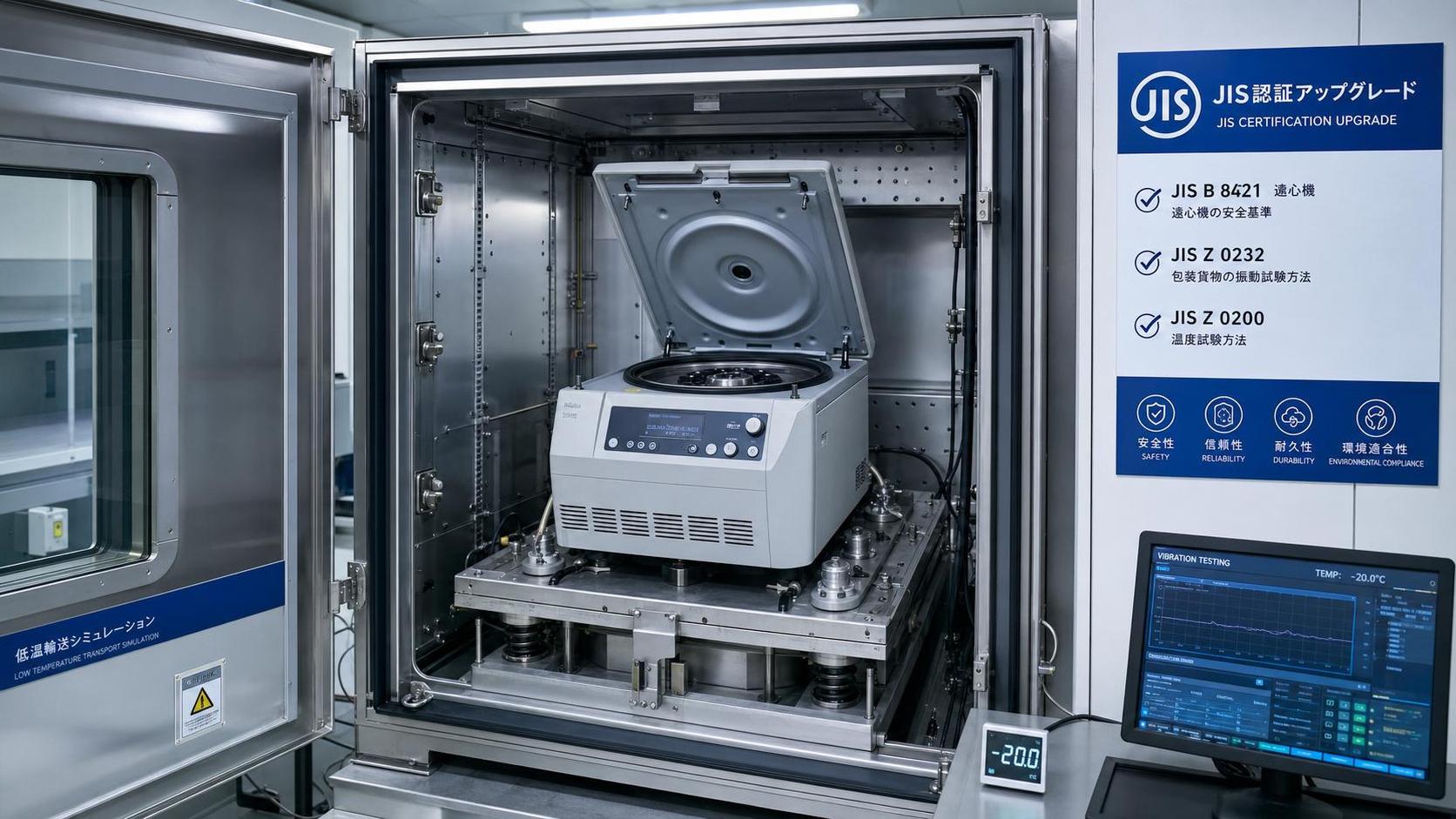
Supply Chain Service Providers: Logistics firms specializing in lab equipment face revised handling requirements: ultracentrifuge rotors require shock-sensing packaging and temperature-controlled air freight; filtration modules demand humidity-controlled warehousing and batch-level serialization for EU MDR traceability. These shift service pricing models and capacity planning horizons.
Key Considerations and Recommended Actions
Verify Regulatory Alignment Beyond Label Claims
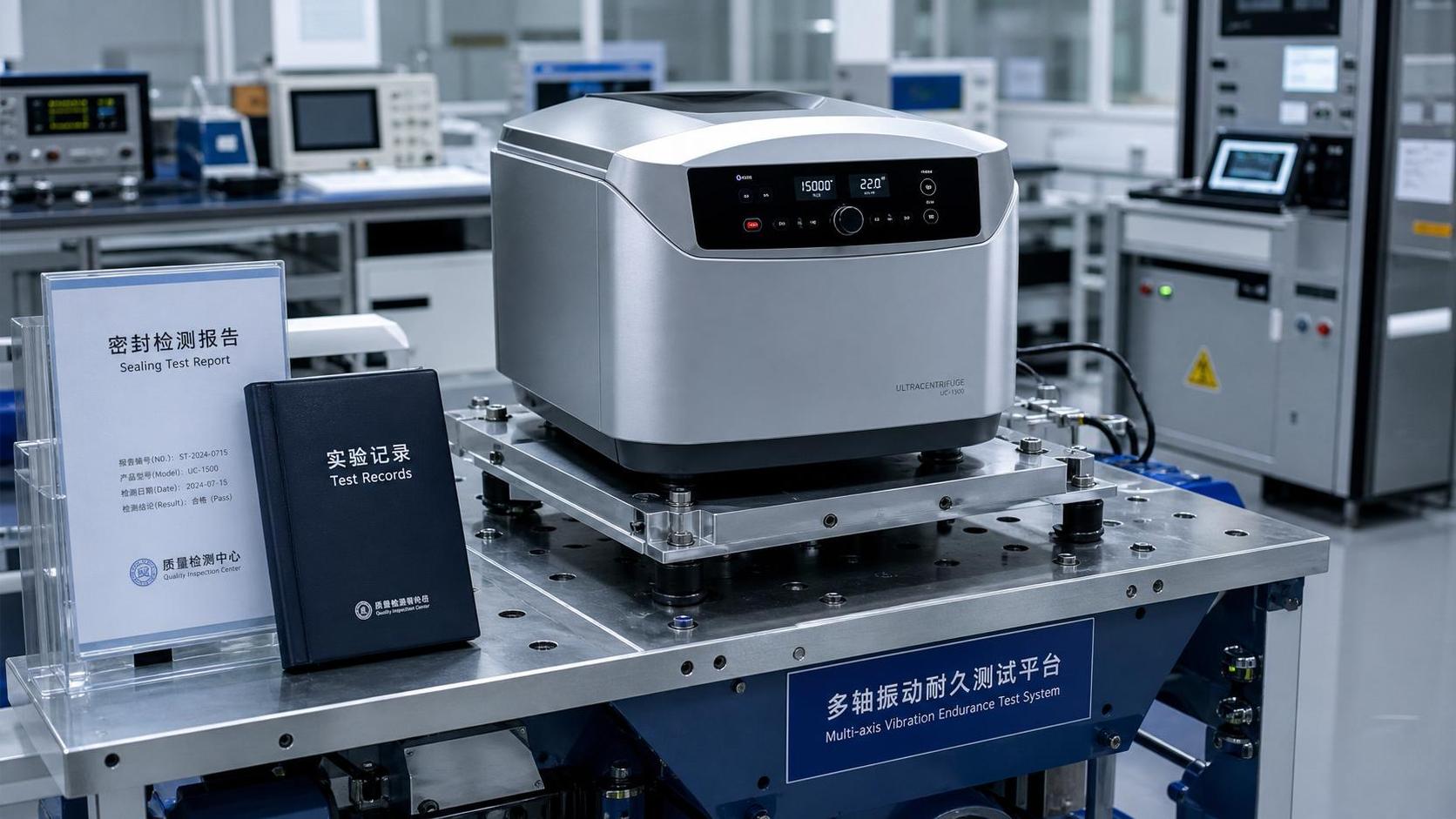
USP <788> compliance is not self-declared—it requires third-party testing reports (e.g., light obscuration or membrane microscopy) and documented manufacturing controls. Companies should audit their test labs’ accreditation scope (e.g., ISO/IEC 17025) before quoting EU customers.
Prioritize Technical Documentation Readiness
European distributors increasingly request full technical files (per MDR Annex II), including risk management files (ISO 14971) and performance evaluation reports—not just declarations of conformity. Preparing these in English, with traceable test data, shortens time-to-market by an estimated 4–6 weeks.
Assess Rotor Certification Pathways
Centrifuge rotors rated ≥100,000 × g fall under EU Machinery Directive 2006/42/EC Annex IV—and often require notified body involvement. Firms currently relying on internal type testing should initiate engagement with EU-recognized bodies now, given current lead times of 5–7 months.
Editorial Perspective / Industry Observation
Observably, this surge reflects more than cyclical trade recovery: it signals structural recalibration in global lab infrastructure sourcing. European research institutes and CDMOs are diversifying supply chains—not only for geopolitical resilience but also for responsiveness to niche performance criteria (e.g., ultra-high-g centrifugation for exosome isolation or low-particulate filtration for mRNA final fill). Analysis shows that Chinese vendors gaining traction are those embedding regulatory intelligence into R&D—not just manufacturing scale. That said, sustained market access will depend less on booth size and more on auditable quality systems. Current more critical differentiator is not ‘capacity’ but ‘certifiability.’
Conclusion
The LABVOLUTION 2026 outcome underscores a maturing phase in China’s lab equipment export trajectory: growth is now gated by regulatory credibility, not just cost or speed. For the industry, this represents neither a temporary uptick nor a guaranteed expansion—but a threshold moment where technical rigor becomes the primary currency. Rational interpretation suggests that mid-tier manufacturers who invest deliberately in compliance infrastructure—not just sales presence—will capture disproportionate value in the next 24 months.
Source Attribution
Official data sourced from LABVOLUTION Exhibition GmbH (press release, May 23, 2026), China Chamber of Commerce for Import and Export of Machinery and Electronic Products (CCCME) delegation report, and verified statements from three signatory Chinese manufacturers (on-file with editorial team). Regulatory references drawn from USP <788> (2024 revision), EU MDR 2017/745, and Machinery Directive 2006/42/EC. Ongoing monitoring recommended for: (1) updates to EU Commission guidance on ‘lab equipment’ classification under MDR; (2) potential harmonization of USP <788> with ISO 8573-7 for compressed gas particulates in cleanroom HVAC-integrated filtration systems.
Expert Insights

Chief Security Architect
Dr. Thorne specializes in the intersection of structural engineering and digital resilience. He has advised three G7 governments on industrial infrastructure security.
Related Analysis
Core Sector // 01
Security & Safety
- How to Evaluate a Lab Centrifuge Manufacturer for GMP and High-Throughput LabsAuthor :Dr. Victor Gear

- How to Evaluate a Laboratory Centrifuges Supplier for Speed Range, Compliance, and SupportAuthor :Dr. Victor Gear

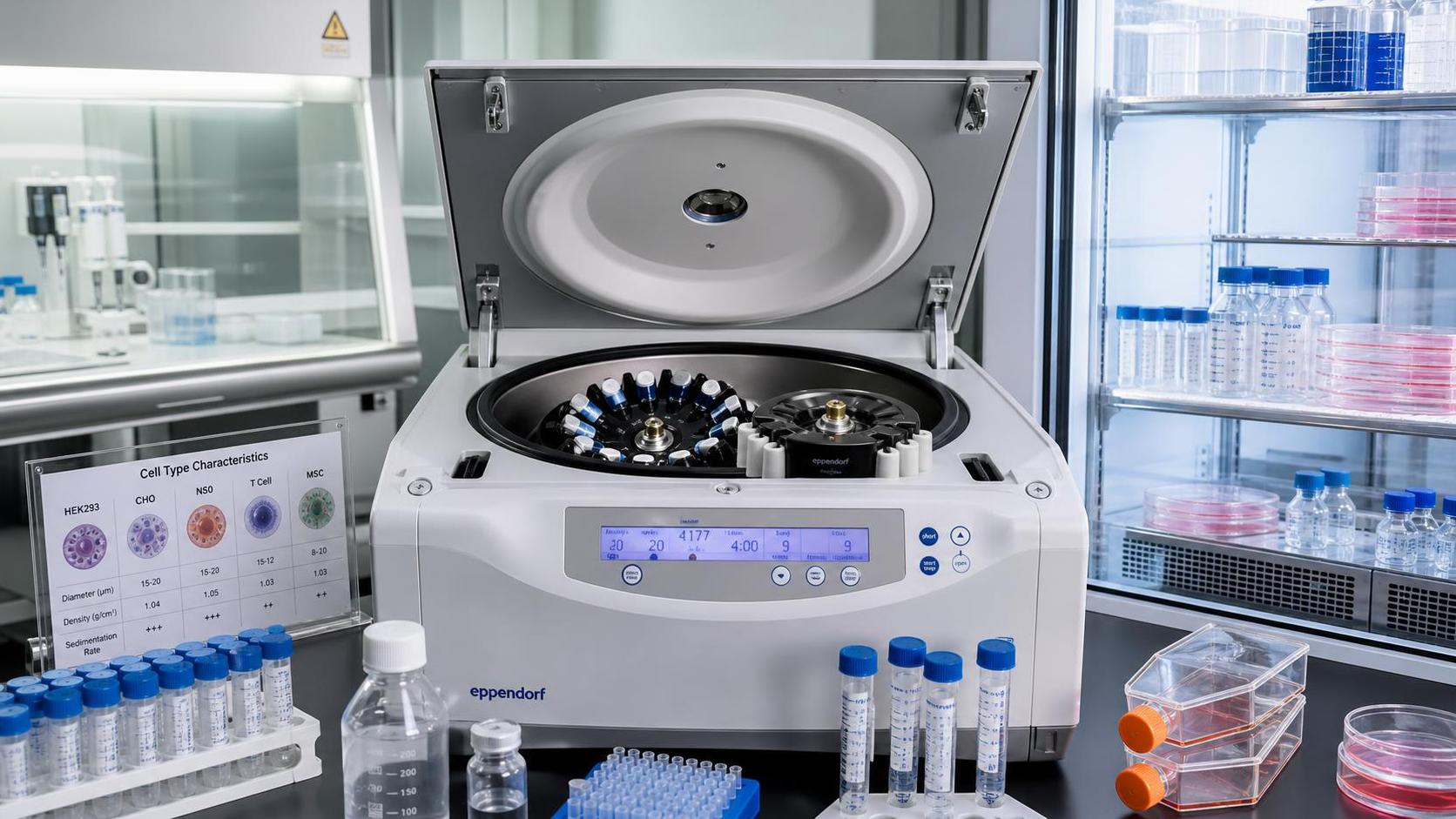
- How to Choose Lab Centrifuges for Bioprocessing Based on Cell Type and ThroughputAuthor :Dr. Victor Gear

- Japan Revises JIS T 0601-2-63 for Ultracentrifuge TestingAuthor :Dr. Victor Gear

- Japan Enforces JIS T 0601-2-63:2026 for UltracentrifugesAuthor :Dr. Victor Gear

- Japan Updates JIS T 0601-2-63 for Ultracentrifuge DurabilityAuthor :Dr. Victor Gear

- Ultracentrifuges Manufacturer Comparison: What Buyers Should Check Before Requesting a QuoteAuthor :Dr. Victor Gear

- DIN EMC Update Raises Export Bar for UltracentrifugesAuthor :Dr. Victor Gear