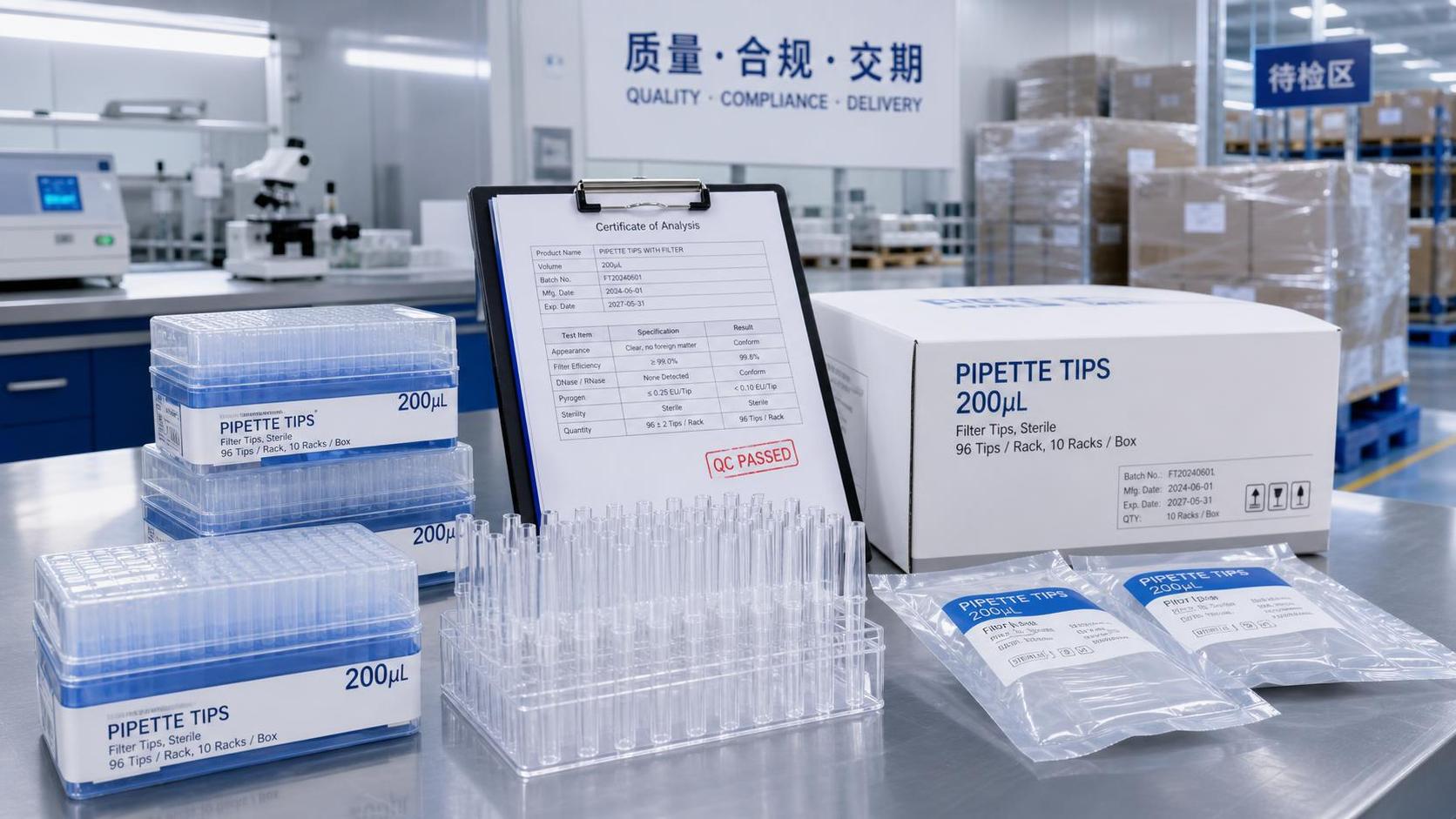
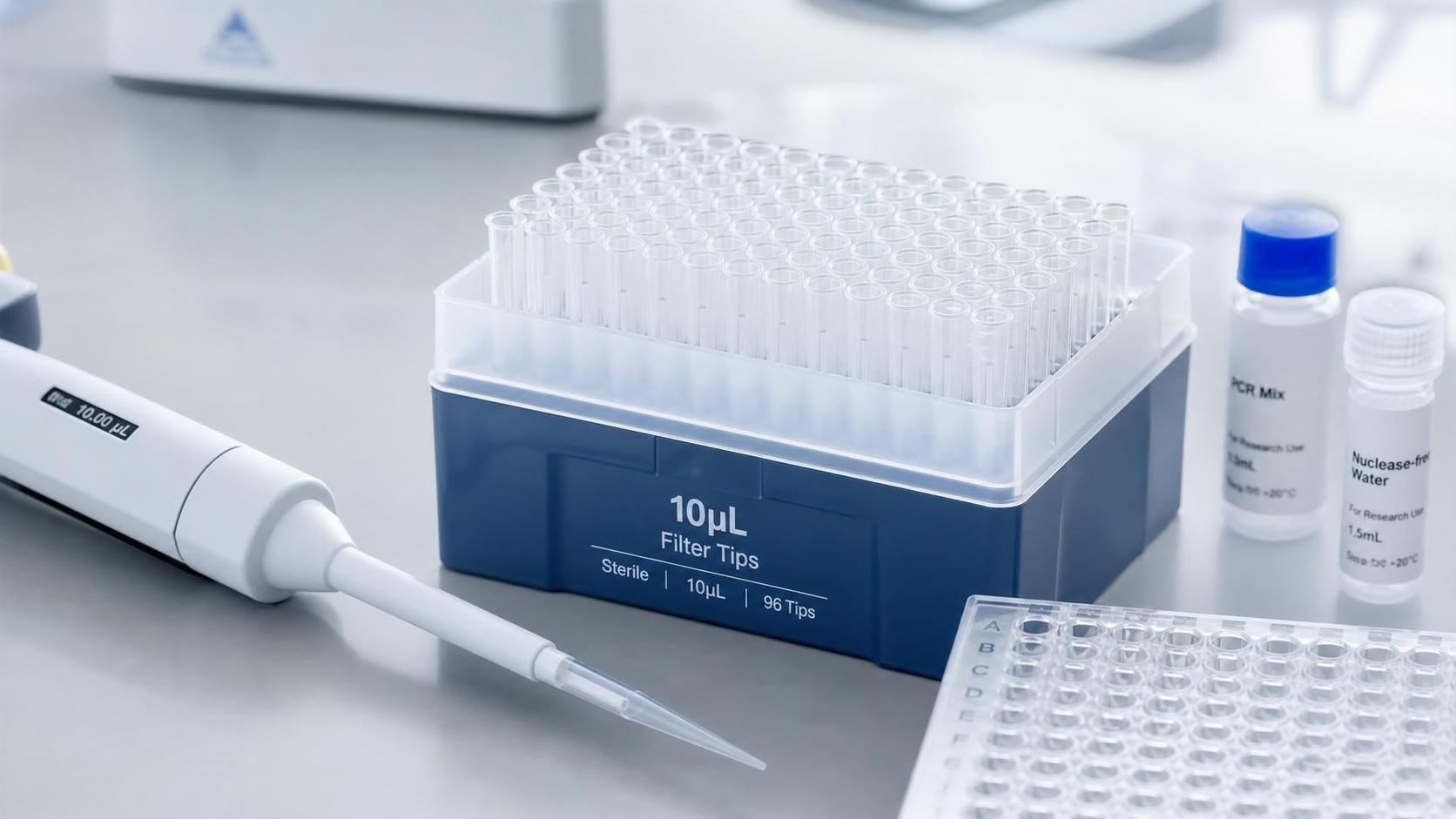
Disposable Pipette Tips Wholesale Without Fit Problems
Author
Date Published
Reading Time

For distributors, agents, and sourcing partners, disposable pipette tips wholesale is not just about price—it is about consistent fit, reliable fluid accuracy, and fewer customer complaints across diverse pipette brands. In high-stakes lab and bioprocess environments, selecting tips without compatibility problems can directly improve user trust, repeat orders, and market competitiveness.
Why is disposable pipette tips wholesale so often linked to fit problems?
This question appears frequently because tip compatibility is one of the most underestimated factors in laboratory consumables sourcing. In disposable pipette tips wholesale, many buyers assume that “universal” means fully interchangeable. In practice, fit can vary significantly between pipette brands, model generations, calibration tolerances, cone geometry, sealing force, and tip rack design. A tip that technically attaches may still leak air, eject poorly, require excessive force, or compromise aspiration precision.
For distributors and agents, the issue is commercial as much as technical. If end users experience loose sealing, inconsistent sample transfer, or hand fatigue during repetitive work, they usually blame the supplier before they blame the pipette. That creates returns, complaint handling costs, and lost confidence. In regulated environments such as pharma, biotech, diagnostics, food testing, and chemical QC, even a small fit deviation can trigger validation concerns and purchasing reviews.
That is why successful disposable pipette tips wholesale programs focus on fit assurance, brand matching, and repeatable quality control rather than price alone. A low-cost tip with unstable compatibility may look competitive in a quote, but it often becomes expensive after account management, replacement shipments, and damaged reputation are considered.
What does “good fit” actually mean for end users and channel partners?
Good fit is more than the ability to mount a tip onto a pipette. It usually includes several functional outcomes that users notice immediately during daily work. First, the tip should seal consistently with the pipette cone, preventing micro air leakage that affects aspiration and dispense accuracy. Second, attachment should be firm but not overly tight. If users must push too hard, repetitive strain and inconsistent loading become real concerns. Third, ejection should be smooth and predictable, especially in high-throughput workflows where operators change tips hundreds of times per day.
From a wholesale perspective, good fit also means compatibility across known pipette populations in the target market. A distributor serving academic labs may need broad compatibility with mixed brands and older pipettes. A supplier serving pharmaceutical production support labs may need tighter matching to a few validated pipette systems. In both cases, disposable pipette tips wholesale decisions should reflect real installed equipment, not generic catalog claims.
Reliable fit also affects fluidic precision. G-LSP’s benchmarking logic emphasizes that hardware consistency matters at every scale, from benchtop screening to process development. Tip geometry, resin quality, molding precision, and manufacturing controls influence whether users achieve stable volumes, low retention, and contamination control. So when buyers ask for disposable pipette tips wholesale without fit problems, they are really asking for a combination of mechanical compatibility, ergonomic usability, and analytical confidence.
Which buyers and application scenarios care most about compatibility in disposable pipette tips wholesale?
Nearly every lab cares, but some segments are especially sensitive. Distributors serving pharmaceutical R&D, CDMOs, bioprocess development teams, molecular diagnostics, clinical labs, and advanced chemical analysis face a higher risk if fit problems slip through. These users often run validated methods, expensive reagents, or time-sensitive assays. A poor-fitting tip can affect dilution series, PCR setup, cell culture supplementation, sampling consistency, and trace-volume handling.
Compatibility also matters in accounts using multi-brand pipette fleets. This is common in universities, contract labs, and regional testing centers where procurement history is fragmented. In such cases, distributors benefit from a clearly segmented disposable pipette tips wholesale strategy: universal lines for broad coverage, brand-specific lines for critical users, filtered tips for contamination-sensitive work, and low-retention options for proteins, enzymes, and viscous liquids.
Agents and resellers entering new markets should also pay attention. Tip fit problems can quickly undermine a new brand launch because end users compare the first experience against familiar incumbent products. If the initial mounting feel, seal integrity, or ejection force is inferior, the account may not give the supplier a second chance. In other words, compatibility is not just a technical specification; it is part of market entry performance.
How can distributors evaluate disposable pipette tips wholesale suppliers before committing?
A disciplined evaluation process reduces both technical and commercial risk. Instead of comparing quotes only by unit price, distributors should review evidence in four areas: compatibility validation, manufacturing quality, packaging reliability, and supply continuity. The best suppliers can describe which pipette brands and models were tested, what acceptance criteria were used, and how lot-to-lot consistency is controlled.
Ask practical questions. Are the tips compatible with leading manual and electronic pipettes? Are filter versions available in the same dimensional family? Are tips molded in clean conditions? Is the resin medical-grade or laboratory-grade virgin polypropylene? Are there data on DNase/RNase free status, endotoxin control, or sterility where required? Can the supplier support both bulk and rack packaging without changing fit performance?
You should also request pilot samples for real-world validation. Internal checks should include sealing feel, aspiration repeatability, tip retention during liquid handling, and ejection force on representative pipettes from customer accounts. This approach is especially important in disposable pipette tips wholesale because dimensional differences that seem minor on paper can create major user dissatisfaction on the bench.
Are universal tips always the best choice in disposable pipette tips wholesale?
Not always. Universal tips are attractive because they simplify inventory and broaden market reach, which is valuable for distributors managing diverse accounts. However, universal fit can be a compromise category. Some universal tips perform very well across mainstream pipettes, while others are only “acceptable” on several brands and excellent on none. For routine teaching labs or general chemistry applications, that may be sufficient. For qPCR, regulated assays, microvolume dispensing, or sensitive biologics handling, a more precise compatibility strategy may be needed.
A smart disposable pipette tips wholesale portfolio often mixes universal and application-specific SKUs. Universal tips can serve broad demand and faster turnover. Brand-focused or premium low-retention lines can address key accounts where precision and operator experience drive purchasing decisions. This tiered approach helps distributors protect margin while reducing complaints from demanding users.
It is also important to distinguish between “fits physically” and “fits operationally.” A tip may attach to many pipettes, but if it requires extra force, causes occasional dripping, or performs differently between lots, it is not truly universal from a user satisfaction perspective. That distinction matters greatly when building a stable wholesale channel.
What are the most common mistakes buyers make when sourcing disposable pipette tips wholesale?
The first mistake is prioritizing the lowest price without considering compatibility costs. A small discount can disappear quickly if customer support tickets increase or account retention weakens. The second mistake is relying only on generic catalog wording such as “universal,” “high precision,” or “premium quality” without asking for brand-specific validation. The third is testing samples on only one pipette model even though the distributor plans to sell across multiple instrument fleets.
Another common error is overlooking packaging and logistics. In disposable pipette tips wholesale, damaged racks, inconsistent refill formats, or poorly sealed bags can create user complaints unrelated to the tip geometry itself. Yet these issues still affect the customer’s view of product quality. Buyers should also watch for lot inconsistency. A supplier may provide acceptable samples, but if molding tools, raw material control, or QC discipline are weak, later shipments may not behave the same way.
Finally, some channel partners fail to match the product tier to the application. Not every customer needs the same specification. Selling premium filtered sterile tips into basic educational use may reduce competitiveness, while selling low-cost general-purpose tips into diagnostic or bioprocess labs may create risk. Better segmentation improves both user satisfaction and commercial efficiency.
How should you compare cost, quality, and complaint risk in disposable pipette tips wholesale?
The most useful method is total channel cost rather than invoice price. Start with landed cost, then add likely costs from returns, re-supply, field troubleshooting, delayed tenders, and the hidden cost of lost trust. If one tip line is slightly more expensive but has stronger compatibility data and lower complaint probability, it may be the more profitable product over time.
For distributors, complaint risk is especially important because technical issues consume sales resources. Every time a rep has to explain leakage, fit variability, or rack deformation, that time is no longer used for account growth. In contrast, dependable disposable pipette tips wholesale programs support smoother reordering, better word of mouth, and fewer emergency interventions.
You can use a simple decision framework: if the target market values routine convenience, focus on stable universal fit and strong stock availability; if the target market values precision and compliance, prioritize validated compatibility, documentation, and contamination-controlled production; if the target market is highly price-driven, maintain an entry line but set clear application boundaries to avoid overpromising.
What should distributors confirm before placing a larger order?
Before scaling up any disposable pipette tips wholesale program, confirm the installed pipette brands in your customer base, the application sensitivity, the required certifications, and the packaging preferences. It is also wise to check whether the supplier can maintain the same fit performance across future batches and whether production capacity can support seasonal spikes, tender cycles, or OEM labeling requests.
A practical pre-order checklist usually includes sample approval on multiple pipettes, review of technical documentation, inspection of packaging integrity, confirmation of lead times, and discussion of after-sales response for compatibility claims. For strategic accounts, ask whether the supplier can support comparative testing or joint customer visits. This strengthens confidence and shortens the path from trial to repeat order.
In markets where laboratories are moving from routine manual workflows toward more standardized, quality-conscious operations, the demand for dependable consumables will continue to rise. That means disposable pipette tips wholesale is becoming less of a commodity decision and more of a performance decision tied to precision, consistency, and procurement credibility.
Final FAQ takeaway: what should you discuss first if you want the right wholesale fit?
If you want to move forward efficiently, start the conversation around five points: which pipette brands your customers use, what application risk level they operate under, whether they need sterile or filtered options, what packaging format supports their workflow, and how much documentation they expect. These questions quickly narrow the right disposable pipette tips wholesale solution and prevent costly mismatches later.
For distributors, agents, and sourcing partners, the best results usually come from balancing market coverage with compatibility discipline. A reliable wholesale tip program is built on validated fit, consistent molding quality, contamination control where needed, and a supplier that understands technical benchmarking rather than only price competition. If you need to confirm specific models, application parameters, lead time, quotation structure, or cooperation method, those are the first topics worth discussing before final supplier selection.
Expert Insights

Chief Security Architect
Dr. Thorne specializes in the intersection of structural engineering and digital resilience. He has advised three G7 governments on industrial infrastructure security.
Related Analysis
Core Sector // 01
Security & Safety
- What Drives Polypropylene Pipette Tip Costs in High-Volume Lab Purchasing?Author :Lina Cloud

- Do Universal Pipette Tips Fit Every Pipette? Compatibility Factors to CheckAuthor :Lina Cloud

- How to Evaluate a Liquid Handling Contamination Supplier for Clean Lab WorkflowsAuthor :Lina Cloud

- How to Choose Precision Dispensers for Pharmaceutical Labs: Accuracy, Compatibility, and Contamination ControlAuthor :Lina Cloud

- How to Evaluate a Disposable Pipette Tips Exporter for Quality, Compliance, and Lead TimeAuthor :Lina Cloud

- How to Evaluate a Micro-Volume Dispensing Supplier for Precision, Lead Time, and Validation SupportAuthor :Lina Cloud

- 10uL Disposable Pipette Tips: How to Choose Accuracy, Fit, and Sterility for Lab WorkAuthor :Lina Cloud

- High Speed Dispensing Accuracy: Key Factors That Affect Output and Reject RatesAuthor :Lina Cloud