Adjustable Volume Pipette OEM Options Are Not Equal
Author
Date Published
Reading Time

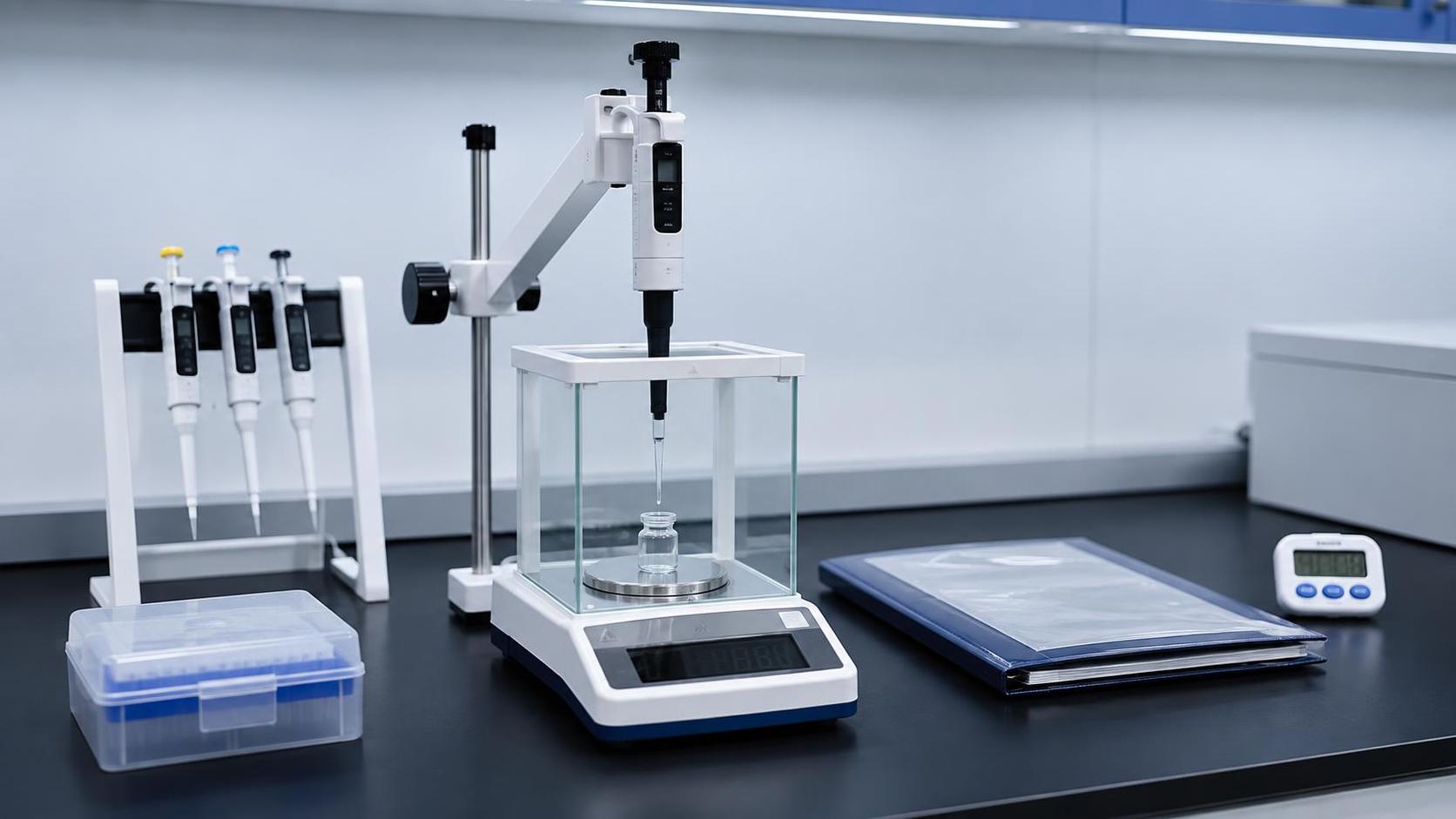
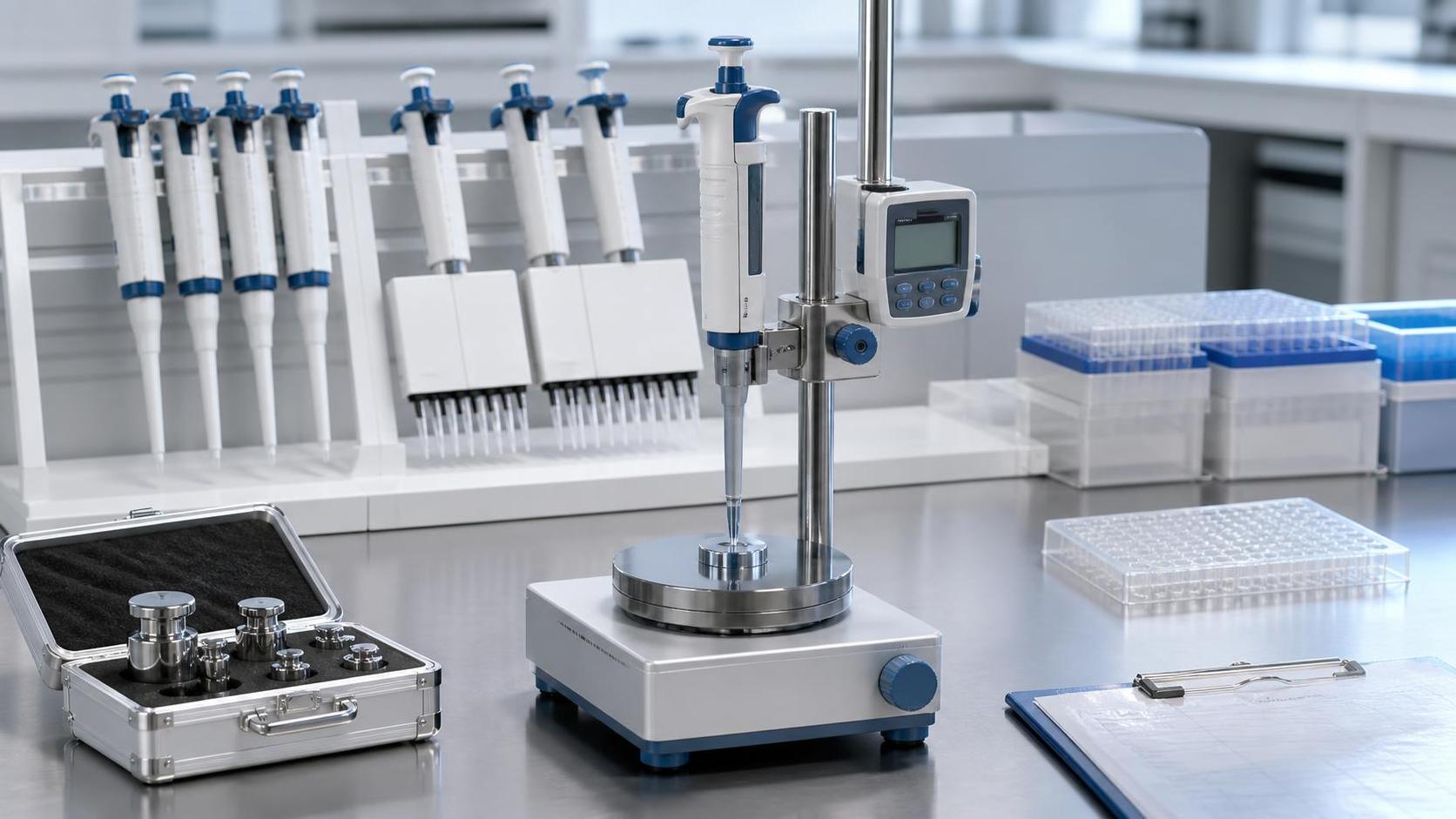
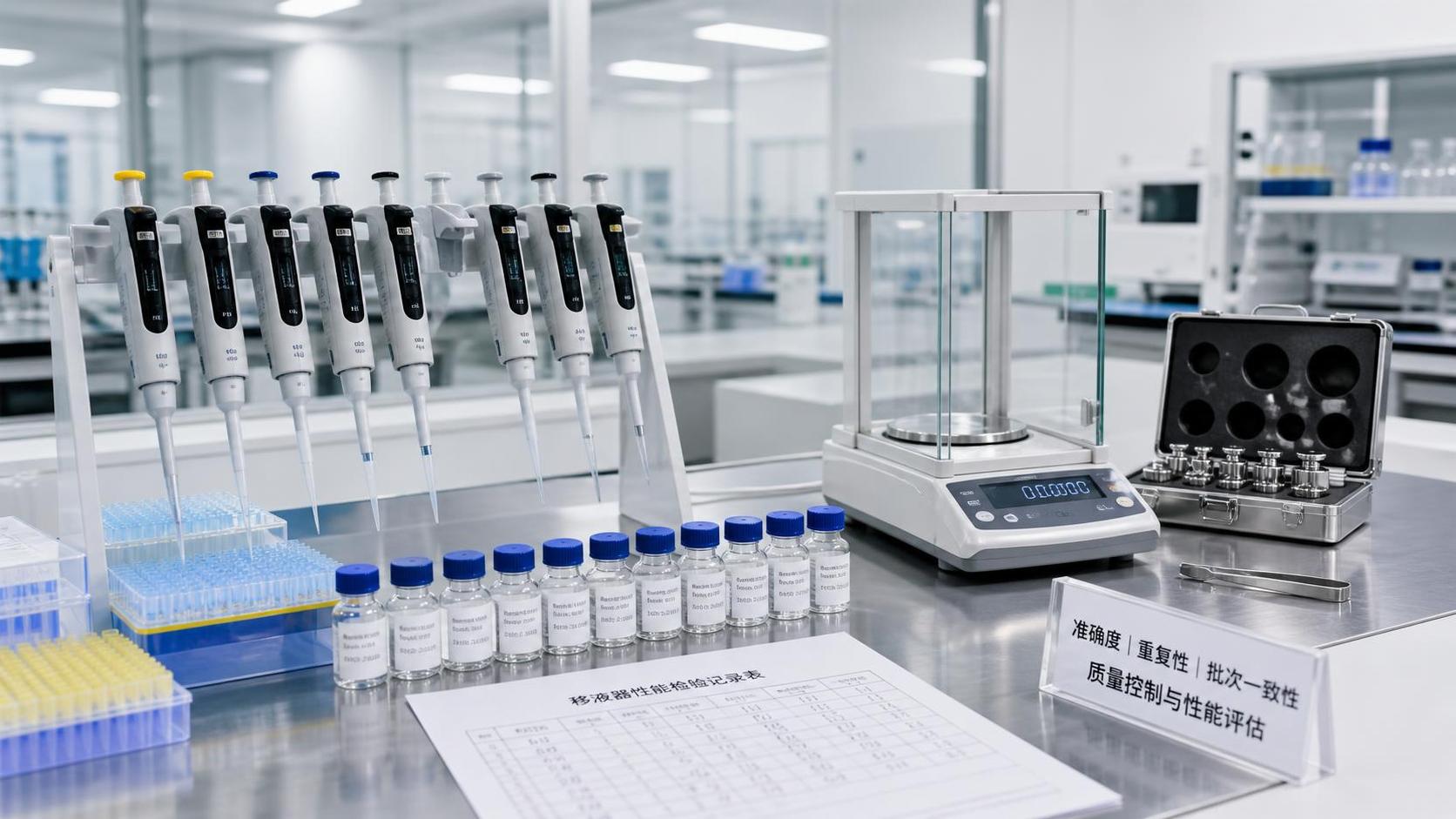
Not all adjustable volume pipette OEM options deliver the same precision, compliance, or lifecycle value. For business evaluators comparing suppliers, the real differences lie in calibration stability, material compatibility, manufacturing standards, and integration with regulated lab workflows. This article outlines the critical factors that separate commodity offerings from reliable OEM partnerships in high-stakes laboratory and bioprocess environments.
Why is adjustable volume pipette OEM receiving more attention from business evaluators?
The growing focus on adjustable volume pipette OEM is not simply about private labeling or lowering unit cost. In pharmaceutical, chemical, diagnostics, and advanced research settings, pipettes are directly linked to data integrity, batch reproducibility, operator efficiency, and compliance readiness. A sourcing team may see several suppliers offering similar external designs, overlapping volume ranges, and attractive quotations, yet the commercial risk profile behind those offers can be dramatically different.
For business evaluators, the pipette is no longer a basic handheld tool. It is a controlled liquid handling device that influences assay consistency, sample conservation, contamination prevention, and maintenance costs across its service life. In regulated environments, even a small deviation in aspiration and dispensing behavior can create downstream consequences, including rework, failed method transfer, audit observations, or delayed release decisions.
That is why adjustable volume pipette OEM selection increasingly involves technical due diligence. Buyers want to know whether the OEM can support calibration repeatability, traceable quality systems, spare parts continuity, clean material selection, and documentation suited to GMP-aligned or ISO-conscious workflows. The attention is justified because the real procurement decision is not “which pipette looks acceptable,” but “which OEM can sustain precision performance and commercial reliability under real laboratory conditions.”
What actually makes one adjustable volume pipette OEM option different from another?
At first glance, many OEM offerings appear interchangeable. They may share ergonomic grips, similar digital displays, and standard color coding. However, the meaningful differences usually sit below the surface. The first area is mechanical precision. Internal piston geometry, seal quality, spring consistency, and the stability of volume adjustment mechanisms determine whether accuracy remains stable after repeated cycles rather than only at initial factory testing.
The second area is manufacturing control. A reliable adjustable volume pipette OEM should be able to demonstrate process discipline, not only final inspection. This includes component tolerance management, controlled assembly procedures, calibration protocols, and lot traceability. If a supplier cannot explain how calibration drift is minimized across production batches, low pricing may be masking long-term performance risk.
The third area is material compatibility. Pipettes used in biologics, solvents, buffers, enzymes, or corrosive reagents require careful selection of plastics, elastomers, and internal wetted components. Commodity-grade materials may perform adequately in routine educational labs but fail prematurely in intensive B2B environments where chemical exposure, sterilization cycles, and high-frequency use are routine.
Finally, OEM capability differs in support architecture. Some suppliers can customize branding yet cannot support calibration certificates, repair kits, documentation packages, or stable replenishment schedules. Others can align with distributor networks, procurement frameworks, and post-sales service expectations. In practice, this means the better adjustable volume pipette OEM is often the one with stronger process depth, not just better molding or packaging.
Which technical criteria should buyers prioritize when comparing adjustable volume pipette OEM suppliers?
Business evaluators should begin with the metrics that affect operational value over time. Accuracy and precision across the full stated volume range are essential, but they should be reviewed together with calibration retention after repeated use. A pipette that performs well at acceptance but drifts quickly in field conditions can create hidden service burdens.
Another priority is compatibility with laboratory maintenance routines. Can the pipette be disassembled for cleaning? Are seals and pistons replaceable? Is autoclaving supported for relevant components? Does the supplier provide preventive maintenance guidance? These questions matter because lifecycle support often determines real total cost of ownership more than the purchase price alone.
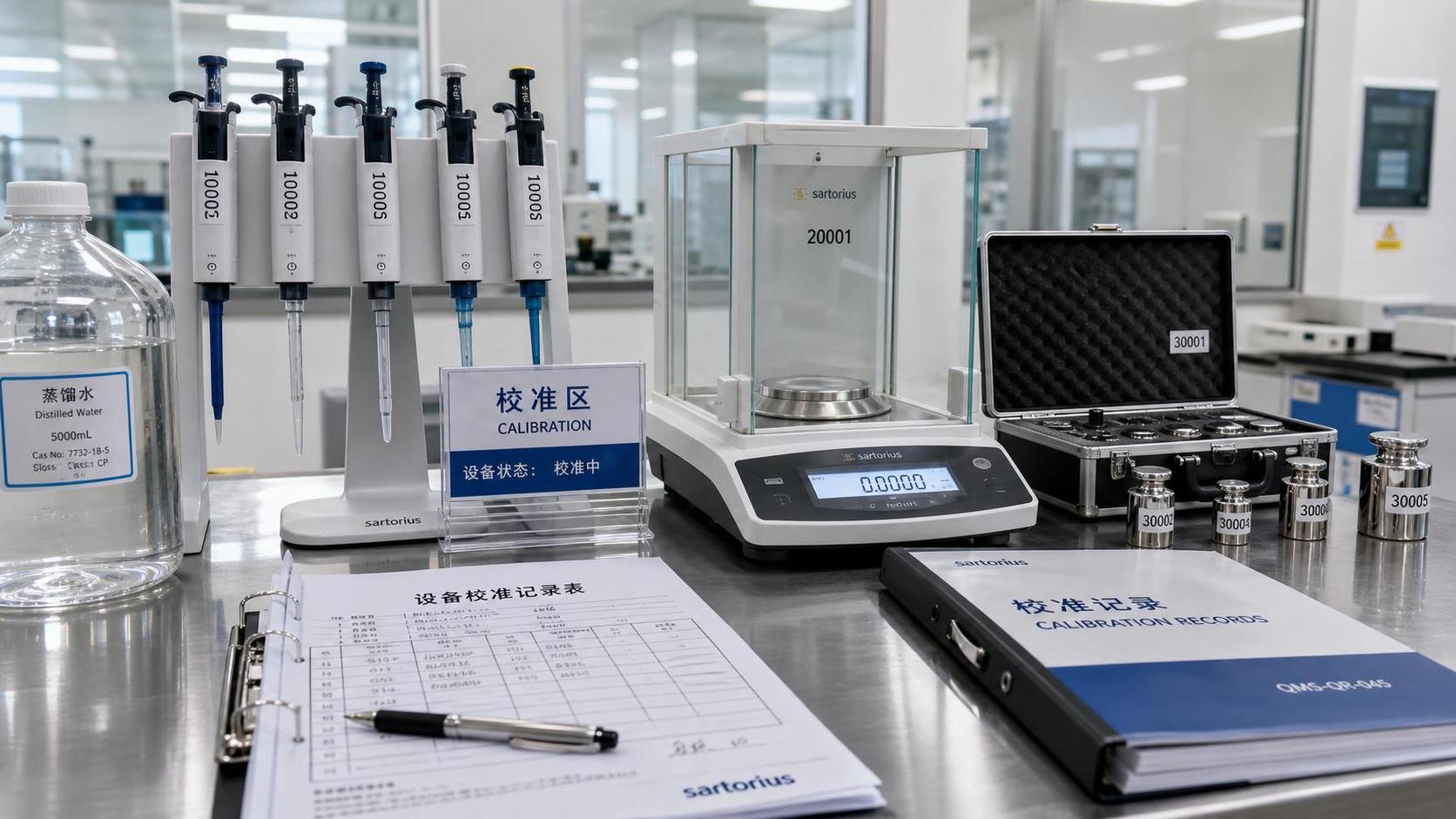
Documentation is equally important. For many organizations, a strong adjustable volume pipette OEM should provide calibration records, inspection criteria, lot traceability, materials information, and clear user instructions. In regulated or semi-regulated settings, inadequate documentation can slow internal approval even when the hardware itself appears acceptable.
Ergonomics should not be dismissed as a secondary issue. Repetitive pipetting is associated with operator fatigue and variation in technique. A well-designed ejector force, plunger stroke, and grip profile can improve consistency in high-throughput environments. For procurement teams evaluating deployment across multiple sites, workforce usability directly affects adoption and complaint rates.
The table below summarizes common evaluation points for adjustable volume pipette OEM comparison:
How do compliance expectations change the way adjustable volume pipette OEM should be assessed?
In less regulated environments, an adjustable volume pipette may be treated as a routine consumable-like tool. In contrast, pharmaceutical development, QC, biologics processing support labs, and contract research facilities often need evidence that the device can fit into controlled workflows. This does not always mean the pipette itself is a regulated product, but it does mean its qualification, calibration, and documentation profile becomes materially relevant.
A credible adjustable volume pipette OEM should therefore be prepared for questions about ISO-aligned manufacturing practices, calibration traceability, incoming material controls, change notification discipline, and record retention. Procurement teams should also verify whether product revisions are tightly managed. An unannounced change in spring design, seal composition, or tip cone dimensions can create compatibility issues across existing SOPs and validation expectations.
Integration with regulated lab workflows also includes practical matters. Does the pipette support internal calibration schedules? Are there reference methods for performance verification? Can the OEM provide consistent labeling and documentation formats across regions? These factors reduce the burden on QA, metrology, and laboratory operations teams. In high-stakes settings, the best OEM relationship is one that lowers procedural friction rather than adding uncertainty after purchase.
What are the most common mistakes when selecting an adjustable volume pipette OEM partner?
One common mistake is overemphasizing the quoted unit price. A lower initial price can become expensive if calibration intervals shorten, repairs increase, or spare parts are unavailable. Another mistake is evaluating only the nominal specification sheet. Many suppliers can publish acceptable accuracy figures, but fewer can show how those figures hold across production lots and field usage.
A third mistake is ignoring the fit between the pipette and the user’s real application mix. For example, a model optimized for aqueous solutions may not perform equally well in workflows involving viscous liquids, volatile solvents, or repeated sterilization. Business evaluators should map the OEM offer to actual use cases, not to generic benchmark claims.
Another frequent error is treating OEM branding flexibility as proof of manufacturing maturity. Some suppliers are strong at appearance customization but weak in engineering consistency or quality documentation. In B2B procurement, branding is useful, but it should follow proven capability rather than replace it.
Finally, buyers sometimes neglect post-award communication requirements. If the supplier cannot support issue escalation, technical clarification, or change control dialogue, even a decent product can become difficult to manage in practice. Adjustable volume pipette OEM selection should therefore be viewed as an operational partnership, not a one-time catalog transaction.
How should procurement teams compare lifecycle cost instead of just purchase price?
Lifecycle cost starts with acquisition, but it does not end there. Procurement teams should estimate the total impact of calibration frequency, maintenance labor, downtime, consumable compatibility, repairability, and replacement cycles. A slightly higher-priced adjustable volume pipette OEM may offer better long-term economics if it reduces service incidents and extends validated use periods.
Consider the hidden costs of inconsistency. When pipettes drift or components degrade unexpectedly, labs may need to retest samples, investigate deviations, or temporarily remove devices from service. In organizations operating under strict timelines, the cost of interruption can far exceed the savings from a lower bid. This is especially true in bioprocess development and analytical support labs where liquid handling repeatability is tied to project milestones.
It is also useful to compare the supplier’s support model. Does the adjustable volume pipette OEM provide preventive maintenance kits, training materials, or response commitments? Can replacement parts be sourced regionally? Does the OEM maintain stable production planning for long-term accounts? These operational details often separate scalable partnerships from transactional supply.
What should business evaluators confirm before moving forward with an adjustable volume pipette OEM?
Before finalizing supplier selection, evaluators should confirm six practical points. First, request evidence of performance consistency, not only brochure claims. Second, verify material suitability for the target reagent and cleaning environment. Third, review documentation quality, including calibration, traceability, and product change control. Fourth, assess serviceability and spare parts planning. Fifth, check production capacity and lead-time reliability for ongoing supply. Sixth, clarify the communication structure for technical questions, complaints, and future modifications.
For organizations with multi-site deployment, a pilot evaluation is often worthwhile. Using a small controlled batch allows teams to compare ergonomics, drift behavior, compatibility, and user feedback before broader rollout. This is particularly useful when the adjustable volume pipette OEM will support branded distribution, contract manufacturing, or integration into a wider laboratory equipment portfolio.
In the end, not all OEM options are equal because not all suppliers are solving the same problem. Some are selling a device; others are supporting a precision liquid handling program. If you need to confirm a practical path forward, the first conversations should focus on application range, calibration expectations, materials, documentation scope, service model, lead time, and any regulatory or quality constraints tied to your workflow. Those questions will reveal very quickly whether a supplier is merely available or genuinely qualified to be your adjustable volume pipette OEM partner.
Expert Insights

Chief Security Architect
Dr. Thorne specializes in the intersection of structural engineering and digital resilience. He has advised three G7 governments on industrial infrastructure security.
Related Analysis
Core Sector // 01
Security & Safety
- How to Verify Multichannel Pipette Calibration Across All Channels?Author :Lina Cloud

- ISO 8655 Pipette Calibration Compliance: Documentation, Intervals, and Audit ReadinessAuthor :Lina Cloud

- How Ergonomic Force Data Helps Labs Compare Pipette Cost and Injury RiskAuthor :Lina Cloud

- How to Evaluate a Mechanical Adjustable Pipette OEM for Accuracy and Batch ConsistencyAuthor :Lina Cloud

- Pipette Calibration for GMP Labs: Key Compliance Points and Audit-Ready PracticesAuthor :Lina Cloud

- How to Choose a Single Channel Electronic Pipette for Accuracy and Daily Lab WorkAuthor :Lina Cloud

- How to Choose an Autoclavable Positive Displacement Pipette for Sterile Viscous SamplesAuthor :Lina Cloud

- How to Choose Electronic Repeater Pipettes for High-Throughput Lab WorkAuthor :Lina Cloud