Ergonomic Force Data That Explains Pipetting Fatigue
Author
Date Published
Reading Time
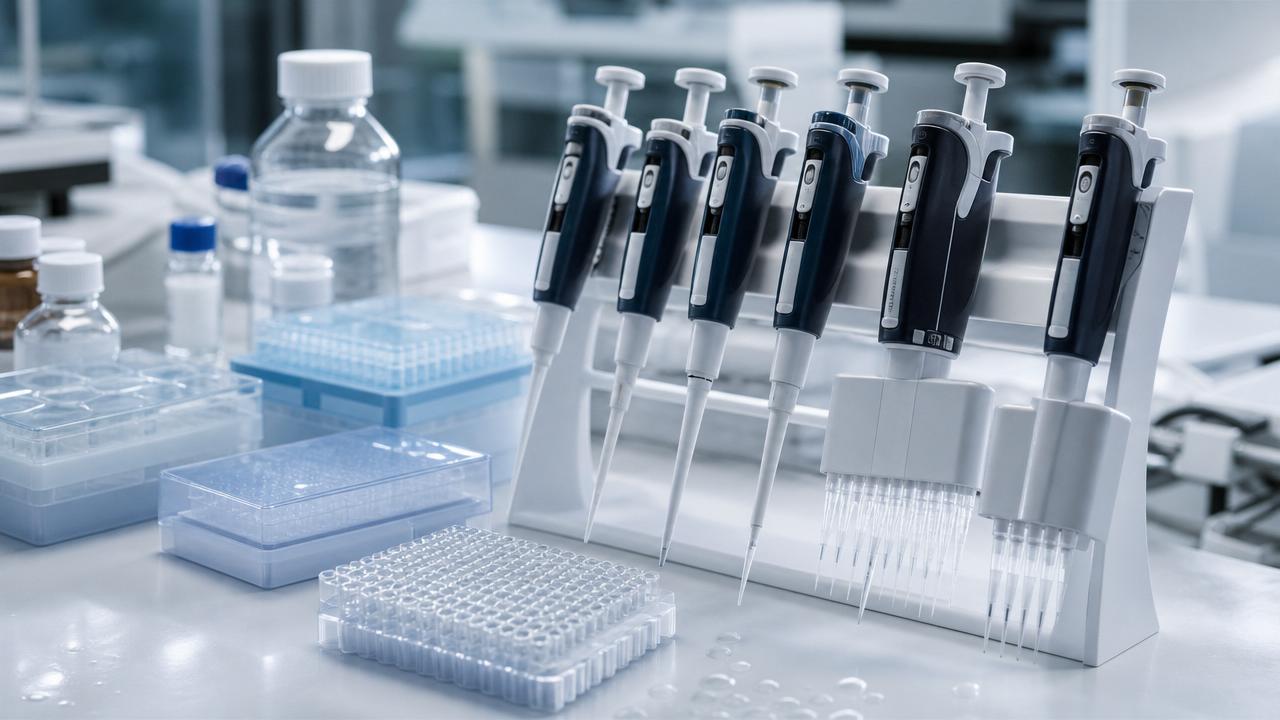
Pipetting fatigue is not just a comfort issue—it directly affects precision, repeatability, and operator productivity. By examining pipette ergonomic force data, lab users can better understand how plunger pressure, tip ejection force, and repetitive motion contribute to daily strain. This article explores the measurable forces behind pipetting and why they matter when selecting equipment for high-frequency laboratory workflows.
Why pipette ergonomic force data matters in real laboratory work
In many laboratories, pipettes are evaluated first by volume range, accuracy specification, and brand familiarity. Operators, however, often experience a different reality. After hundreds or thousands of aspiration and dispensing cycles, hand fatigue, thumb soreness, wrist tension, and declining consistency become the practical factors that shape output quality. This is where pipette ergonomic force data becomes essential rather than optional.
For users working in bioprocess development, analytical chemistry, microbiology, cell culture support, formulation screening, and QC preparation, repetitive liquid handling is a physical workload. Even when an instrument meets nominal accuracy targets, high operating force can increase micro-variation in stroke control, especially late in a shift or during intensive sample campaigns.
G-LSP focuses on this problem from a benchmarking perspective. In environments where lab-scale workflows must align with industrial repeatability and regulated documentation, the force required to aspirate, dispense, and eject tips is not merely an ergonomic detail. It is part of the broader architecture of micro-efficiency that links operator effort to data quality, throughput, and transferability from bench to production support.
- Lower force demand reduces the likelihood of inconsistent thumb travel during repetitive tasks.
- More stable actuation helps maintain timing consistency in serial dilutions and plate-based workflows.
- Reduced tip ejection stress matters when users repeatedly change tips across contamination-sensitive processes.
- Better ergonomics can support operator retention and fewer workflow interruptions in high-throughput labs.
The hidden cost of fatigue is usually process variation
Fatigue accumulates gradually. An operator may not notice the exact moment when thumb pressure increases, but the workflow reveals it through slower rhythm, more pauses, altered grip angle, and less controlled dispensing. In sensitive assays, these changes can influence droplet formation, blow-out consistency, and residual liquid handling. Pipette ergonomic force data gives teams a way to evaluate this risk before it appears in failed repeats or questionable batches.
Which force metrics should operators and buyers actually compare?
Not all ergonomic claims are equally useful. For purchasing and technical evaluation, the most relevant pipette ergonomic force data should be separated into measurable categories. Comparing these values helps users move beyond vague descriptions such as “light touch” or “comfortable operation.”
The table below outlines the main force-related metrics and why they matter in day-to-day liquid handling tasks.
This breakdown makes one point clear: pipette ergonomic force data is multi-dimensional. A model with acceptable plunger force can still create fatigue if its tip ejection force is high. That is why G-LSP-style benchmarking should always consider the full action cycle, not a single comfort claim from a datasheet.
Why tip ejection is often underestimated
In many procurement reviews, users focus on aspiration and dispensing because these motions define volume transfer. Yet tip ejection can become the more severe ergonomic burden in workflows that require constant tip changes. PCR setup, contamination control, microbiological plating support, and screening applications may involve hundreds of tip removals per day. If ejection requires abrupt high force, the cumulative strain rises sharply.
How repetitive pipetting turns force into measurable fatigue
The relationship between force and fatigue is not linear in practice. Small increases in required actuation may feel manageable for a few cycles, but repetitive exposure amplifies the burden. This is especially true when operators must maintain speed, posture discipline, sterile technique, and concentration at the same time.
Several conditions make pipette ergonomic force data more relevant than static product descriptions:
- High cycle count: serial dilution, ELISA preparation, reagent aliquoting, and plate loading multiply even small force differences.
- Low-volume precision: sub-microliter and microliter work demands controlled thumb movement and stable hand positioning.
- Awkward posture: biosafety cabinets, crowded benches, and angled reach positions intensify strain from each action.
- Multi-user environments: differences in hand size, grip strength, and technique can expose ergonomic weaknesses quickly.
From a process standpoint, fatigue can show up as inconsistent aspiration speed, incomplete blow-out, accidental overtravel, slow tip changes, or subtle changes in wrist angle. These are not only personal discomfort issues. They can affect repeatability, especially where operators contribute directly to critical preparation steps.
Common fatigue signals users should not ignore
- Thumb soreness after half-day runs rather than only end-of-day discomfort.
- Frequent hand repositioning to complete the plunger stroke.
- Users pressing tips harder than necessary to avoid fit insecurity.
- Slower tip ejection or using two hands to remove stubborn tips.
- Growing variation between morning and late-shift liquid handling performance.
What should be compared when selecting pipettes for intensive workflows?
When operators or lab supervisors compare options, they should connect pipette ergonomic force data with actual workflow conditions rather than rely on isolated specifications. A low-force pipette may still be the wrong choice if it lacks stable tip compatibility, if calibration support is weak, or if the volume range does not match the application mix.
The comparison table below helps translate force-related data into selection decisions for practical laboratory use.
For many organizations, the best selection outcome comes from balancing ergonomics, tip ecosystem fit, serviceability, and validated performance. G-LSP’s benchmarking approach is useful here because it aligns user-level handling reality with the broader demands of regulated, scalable, and efficiency-driven operations.
A practical selection sequence for operators and supervisors
- Map the number of daily pipetting cycles and tip changes by workflow.
- Identify where fatigue already affects speed, confidence, or repeatability.
- Compare pipette ergonomic force data under realistic consumable and volume conditions.
- Run short user trials across multiple staff profiles instead of relying on one evaluator.
- Review calibration, spare parts, and procurement continuity before final approval.
Where ergonomic force data has the biggest operational impact
Not every laboratory handles liquids with the same intensity or risk profile. The value of pipette ergonomic force data increases sharply in environments where repetitive handling overlaps with precision-sensitive outcomes. The following scenario matrix shows where force differences are most likely to influence both user well-being and process control.
These scenarios reflect why G-LSP treats fluidic precision and user interaction as connected variables. In advanced development environments, the operator is not separate from the process. The hardware must support repeatable performance under realistic human use conditions.
Standards, validation, and the role of benchmarking
Although ergonomic force itself is not usually regulated as a standalone compliance metric, force-related performance sits close to core quality concerns. Laboratories operating under ISO-aligned quality systems, GMP-related documentation practices, or internal method validation requirements need instruments that maintain predictable handling and stable performance over time.
This is where structured benchmarking adds value. G-LSP’s strength lies in connecting operator-level usability with technical and regulatory expectations across fluidic systems. For pipetting, that means evaluating more than nominal volume accuracy. It means asking whether a device can maintain repeatable user interaction under real task frequency, approved consumables, and maintenance intervals.
- Check whether calibration procedures are documented and traceable.
- Assess whether replacement parts and seals influence long-term force stability.
- Review compatibility with internal SOPs for tip usage and cleaning practices.
- Consider whether force characteristics remain acceptable across the full volume range used.
Common misconceptions about pipetting fatigue and force data
“If accuracy is acceptable, ergonomics is secondary”
This is a short-term view. Accuracy under ideal test conditions does not guarantee stable technique after hours of repetitive use. Pipette ergonomic force data helps explain why performance can drift in actual workflows even when calibration remains in tolerance.
“Any tip that fits is good enough”
A tip may appear secure yet still require excessive seating force or create hard ejection. This adds strain and can distort the total ergonomic profile of the pipette. Users should test force behavior with the same tip families approved in routine work.
“Only high-throughput labs need ergonomic evaluation”
Even moderate-volume laboratories can face fatigue when tasks are concentrated into specific shifts, when biosafety cabinets restrict posture, or when low-volume precision work requires deliberate plunger control. Ergonomic force data is relevant wherever consistency and user endurance matter.
FAQ: what users often ask before purchase or replacement
How do I use pipette ergonomic force data during procurement?
Use it as a comparative filter, not a standalone decision point. Review plunger, blow-out, and tip ejection force together, then test the pipette in your actual workflow. Ask suppliers for measured values or demonstration data, and verify performance with your routine tips, volume range, and user group.
Which force metric matters most for repetitive fatigue?
In many labs, tip ejection force is a major contributor because it is repeated constantly and often requires a more abrupt thumb action. However, for ultra-precise low-volume work, plunger and blow-out force can be equally important because they affect control at the exact moment of transfer.
Are electronic pipettes always better for ergonomics?
Not automatically. Electronic systems can reduce manual plunger strain, but they introduce other considerations such as weight balance, charging logistics, programming complexity, and fit with SOPs. In some environments, a well-designed manual pipette with favorable ergonomic force data remains the better operational choice.
When should a lab replace rather than recalibrate a pipette?
If calibration remains possible but force demand, seal wear, tip fit inconsistency, or user discomfort has clearly increased, replacement may be more practical than repeated maintenance. The decision should weigh downtime, service costs, workflow risk, and user impact, not calibration status alone.
Why choose us for benchmarking and selection support
G-LSP is designed for organizations that need more than a generic product overview. Our value lies in translating pipette ergonomic force data into a procurement and workflow decision framework that fits real laboratory demands. Because our scope spans automated pipetting, microfluidic precision, bioprocess infrastructure, and lab-scale production systems, we understand how a small handling variable can influence a much larger operational chain.
If your team is evaluating pipettes for repetitive use, you can contact us for support on:
- Parameter confirmation, including which force metrics should be prioritized for your task profile.
- Product selection guidance based on volume range, tip ecosystem, and user workload intensity.
- Delivery planning for new setups, replacement programs, or multi-site standardization.
- Custom evaluation frameworks that align ergonomic data with validation and documentation needs.
- Certification and compliance discussions related to quality systems, calibration practices, and method-sensitive workflows.
- Sample support and quotation communication for structured side-by-side comparison.
For laboratories moving from benchtop experimentation toward scalable, controlled execution, the right choice is rarely the instrument with the simplest brochure. It is the one whose measurable handling characteristics match the human and process demands of the work. That is exactly why pipette ergonomic force data deserves a central place in your next evaluation.
Expert Insights

Chief Security Architect
Dr. Thorne specializes in the intersection of structural engineering and digital resilience. He has advised three G7 governments on industrial infrastructure security.
Related Analysis
Core Sector // 01
Security & Safety
- ISO 8655 Pipette Calibration Compliance: Documentation, Intervals, and Audit ReadinessAuthor :Lina Cloud

- How Ergonomic Force Data Helps Labs Compare Pipette Cost and Injury RiskAuthor :Lina Cloud

- How to Evaluate a Mechanical Adjustable Pipette OEM for Accuracy and Batch ConsistencyAuthor :Lina Cloud

- Pipette Calibration for GMP Labs: Key Compliance Points and Audit-Ready PracticesAuthor :Lina Cloud

- How to Choose a Single Channel Electronic Pipette for Accuracy and Daily Lab WorkAuthor :Lina Cloud

- How to Choose an Autoclavable Positive Displacement Pipette for Sterile Viscous SamplesAuthor :Lina Cloud

- How to Choose Electronic Repeater Pipettes for High-Throughput Lab WorkAuthor :Lina Cloud

- Multi Channel Pipette Calibration: How to Verify Accuracy Across All ChannelsAuthor :Lina Cloud