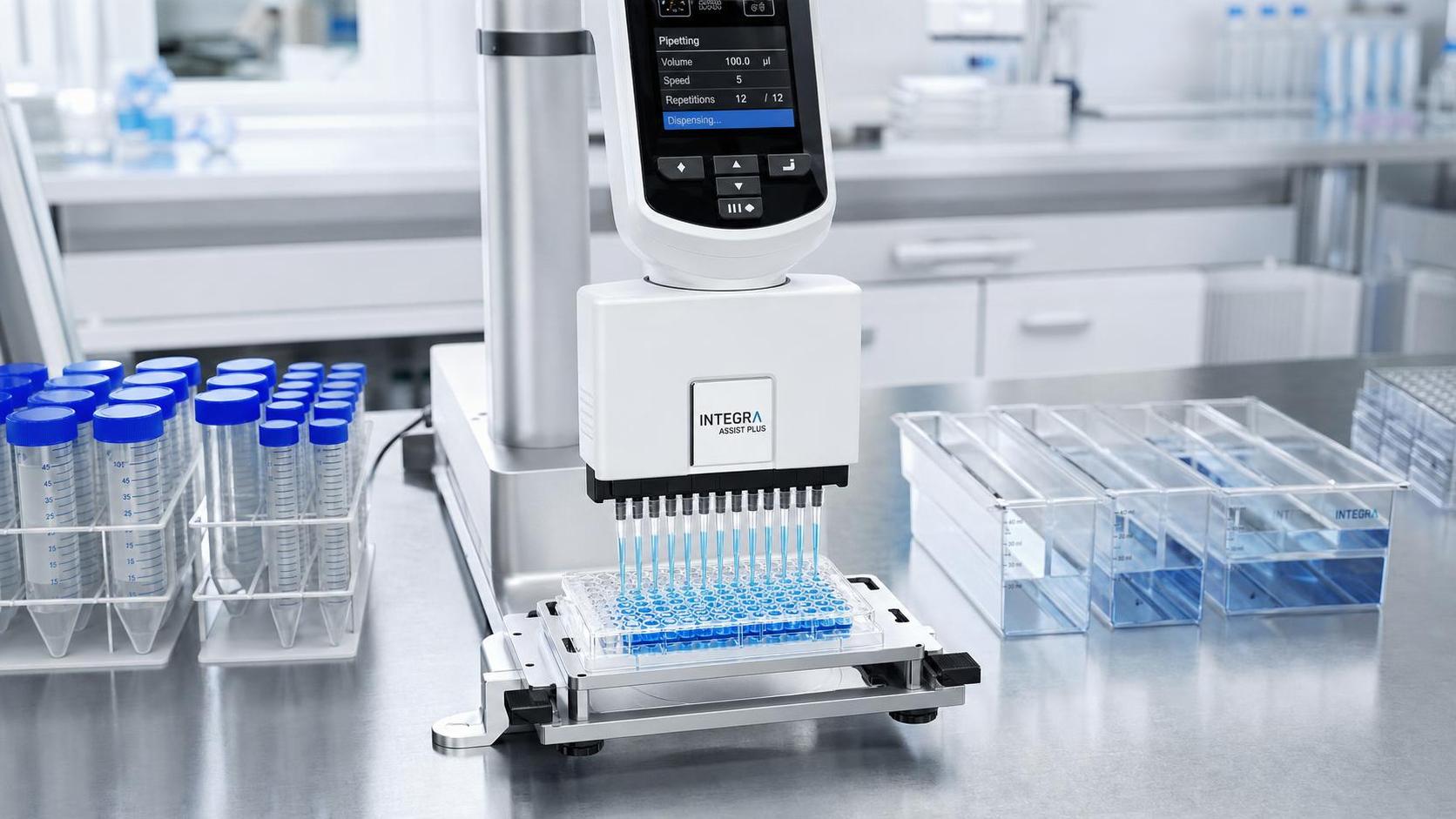
How to compare wholesale multichannel pipettes fairly
Author
Date Published
Reading Time

Why fair comparison of wholesale multichannel pipettes matters more now
Choosing wholesale multichannel pipettes fairly requires more than comparing prices or channel counts.
Labs now face tighter compliance, faster throughput targets, and greater pressure to standardize liquid handling across sites.
That shift makes inconsistent buying methods expensive, especially when small dispensing errors affect assay quality, reproducibility, and training effort.
A fair benchmark for wholesale multichannel pipettes should measure performance, usability, serviceability, and lifecycle cost with equal discipline.
This is especially relevant in cross-functional environments where research, QC, diagnostics, and pilot production share equipment standards.
Market signals are changing how wholesale multichannel pipettes are evaluated
The market is moving from basic feature comparison toward evidence-based benchmarking.
Buyers increasingly ask whether wholesale multichannel pipettes can support traceable accuracy under real plate workflows, not only catalog specifications.
Another signal is the rise of platform standardization.
Organizations want compatible tips, unified calibration practices, and simplified preventive maintenance across multiple sites or departments.
Ergonomics has also become a frontline issue.
As repetitive pipetting increases in screening, sample prep, and molecular workflows, hand strain directly affects productivity and error rates.
These trends mean wholesale multichannel pipettes should be compared using structured, repeatable criteria rather than vendor narratives.
The strongest trend signals to watch
- Demand for higher reproducibility across 96-well and 384-well workflows
- Closer alignment with ISO, USP, GMP, and internal validation expectations
- Preference for lower total cost of ownership over lowest upfront pricing
- More scrutiny on tip fit consistency and seal reliability
- Greater importance of service intervals, spare parts, and calibration support
What is driving stricter benchmarking for wholesale multichannel pipettes
Several forces are pushing organizations toward more rigorous comparisons of wholesale multichannel pipettes.
Fair comparison starts with the right technical baseline
A fair review of wholesale multichannel pipettes begins with normalized test conditions.
Compare pipettes with the same channel format, volume range, application class, and intended plate workflow.
Do not compare an economy air-displacement model against a premium application-specific platform without adjustment.
Create a common matrix before requesting quotations or samples.
Baseline criteria to normalize first
- 8-channel, 12-channel, or adjustable spacing configuration
- Volume range and most frequent operating volume
- Manual, electronic, or semi-automated operation
- Tip compatibility and locking mechanism
- Sterility, filter tip needs, and contamination controls
- Calibration method and service accessibility
Without this baseline, wholesale multichannel pipettes may appear cheaper or better simply because the comparison is uneven.
Performance evidence should outweigh brochure claims
Published specifications are useful, but fair selection needs observed performance under realistic conditions.
Wholesale multichannel pipettes should be tested at minimum, mid, and maximum practical volumes.
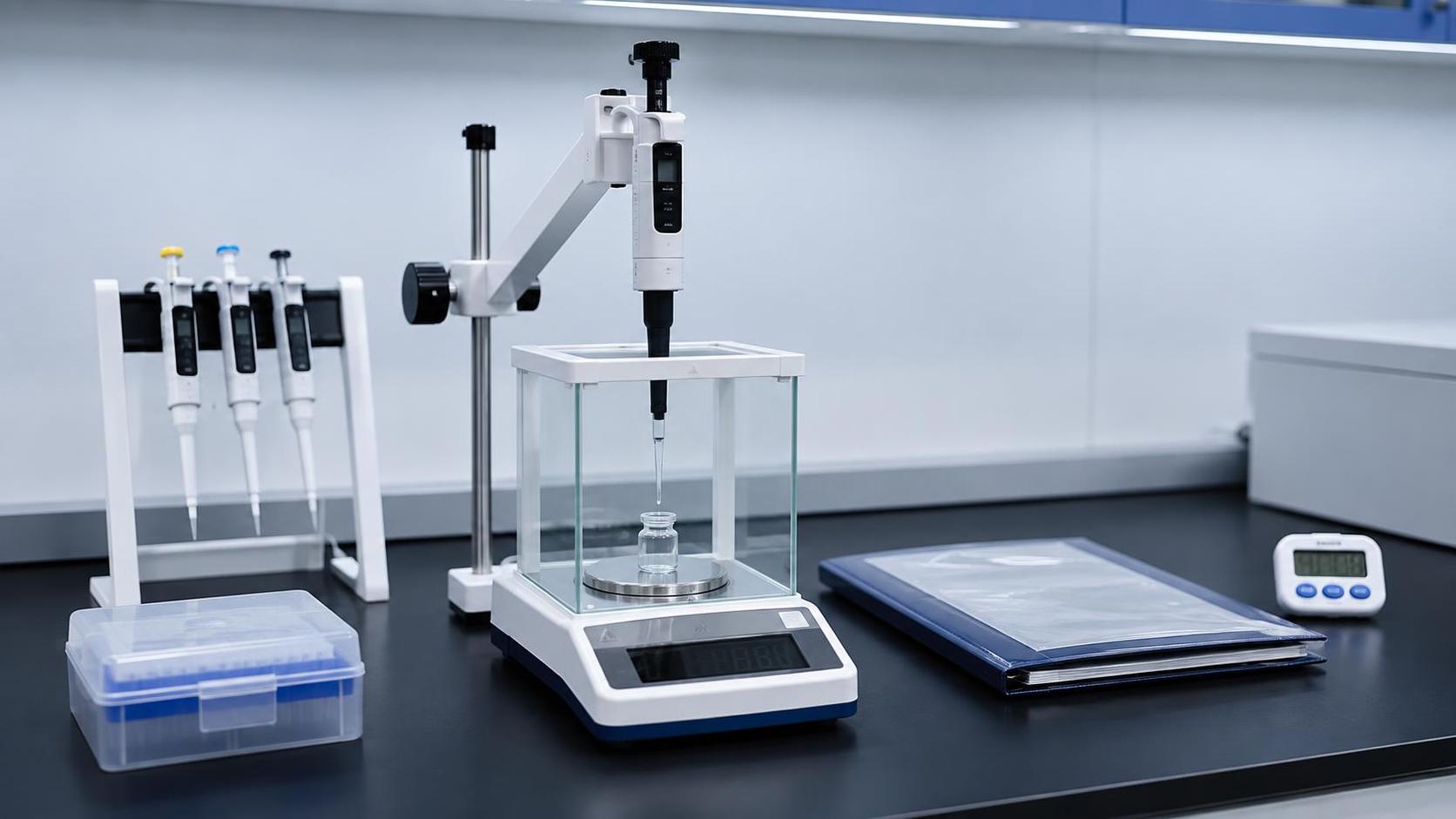
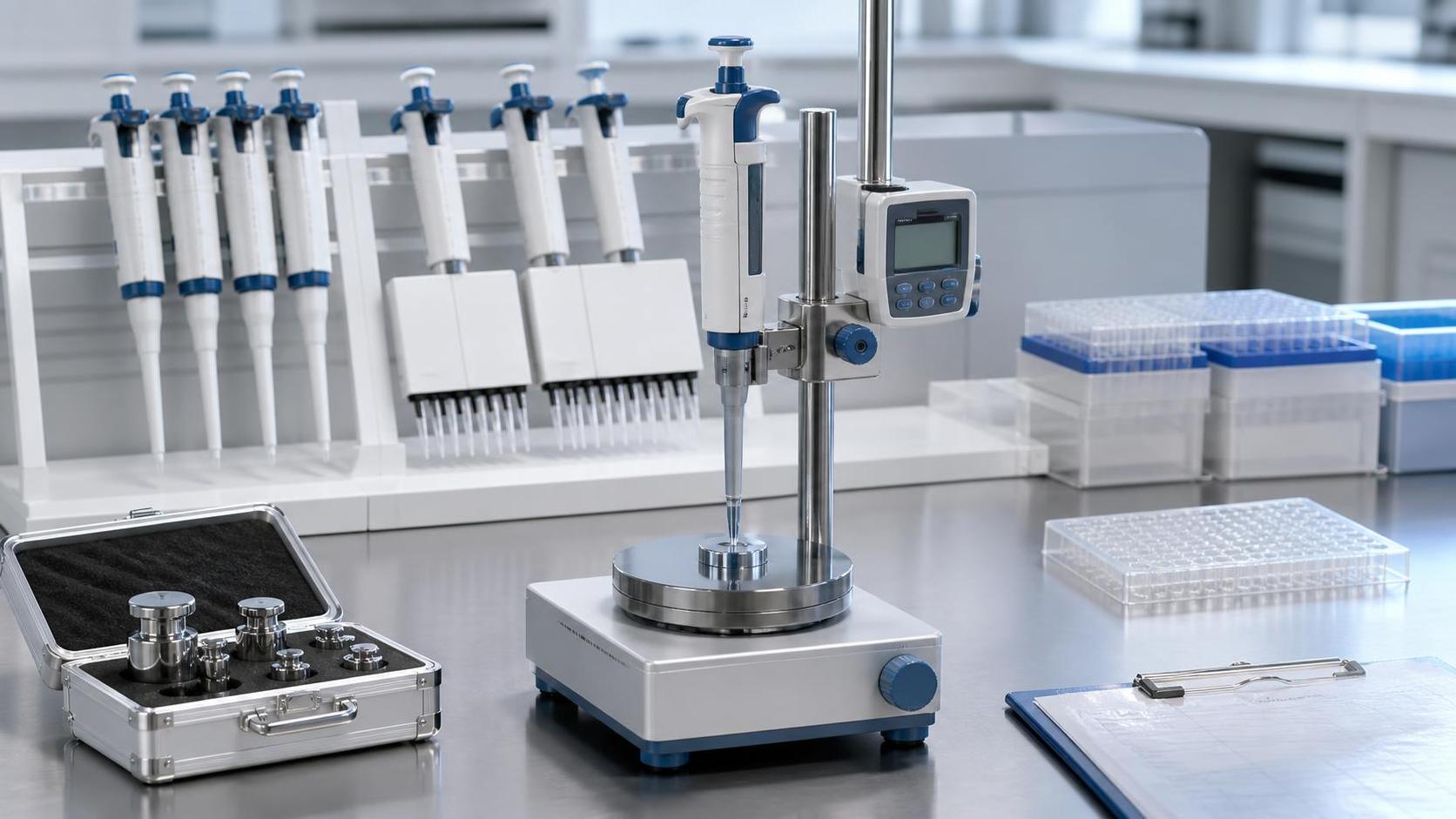
Testing should include water-based gravimetric checks and representative liquid classes when possible.
Channel-to-channel consistency matters as much as average accuracy.
Key performance metrics to score
- Accuracy at target working volumes
- Precision and coefficient of variation across channels
- Tip sealing reliability after repeated attachment cycles
- Aspirate and dispense smoothness
- Residual liquid retention and droplet formation
- Stability after cleaning, autoclaving, or routine decontamination
When benchmarking wholesale multichannel pipettes, assign weighted scores based on actual workflow risk.
For assay-critical tasks, precision should carry more weight than cosmetic design or accessory bundles.
Ergonomics and durability now influence operational outcomes
The industry no longer treats ergonomics as a secondary preference.
In repetitive liquid handling, force profile, balance, and ejection resistance shape both throughput and consistency.
Wholesale multichannel pipettes that reduce strain can improve sustained output during long plate runs.
Durability matters equally because maintenance interruptions disrupt validated workflows.
Operational effects across business functions
- R&D benefits from better repeatability during assay development
- QC gains from consistent plate filling and easier documentation control
- Pilot environments reduce retraining when equipment behavior stays uniform
- Service teams face fewer disruptions with modular, repairable designs
This is why wholesale multichannel pipettes should be reviewed for body materials, wear points, and spare-part availability.
Compliance and documentation are becoming decisive factors
As regulated and semi-regulated workflows expand, documentation quality increasingly separates acceptable options from risky ones.
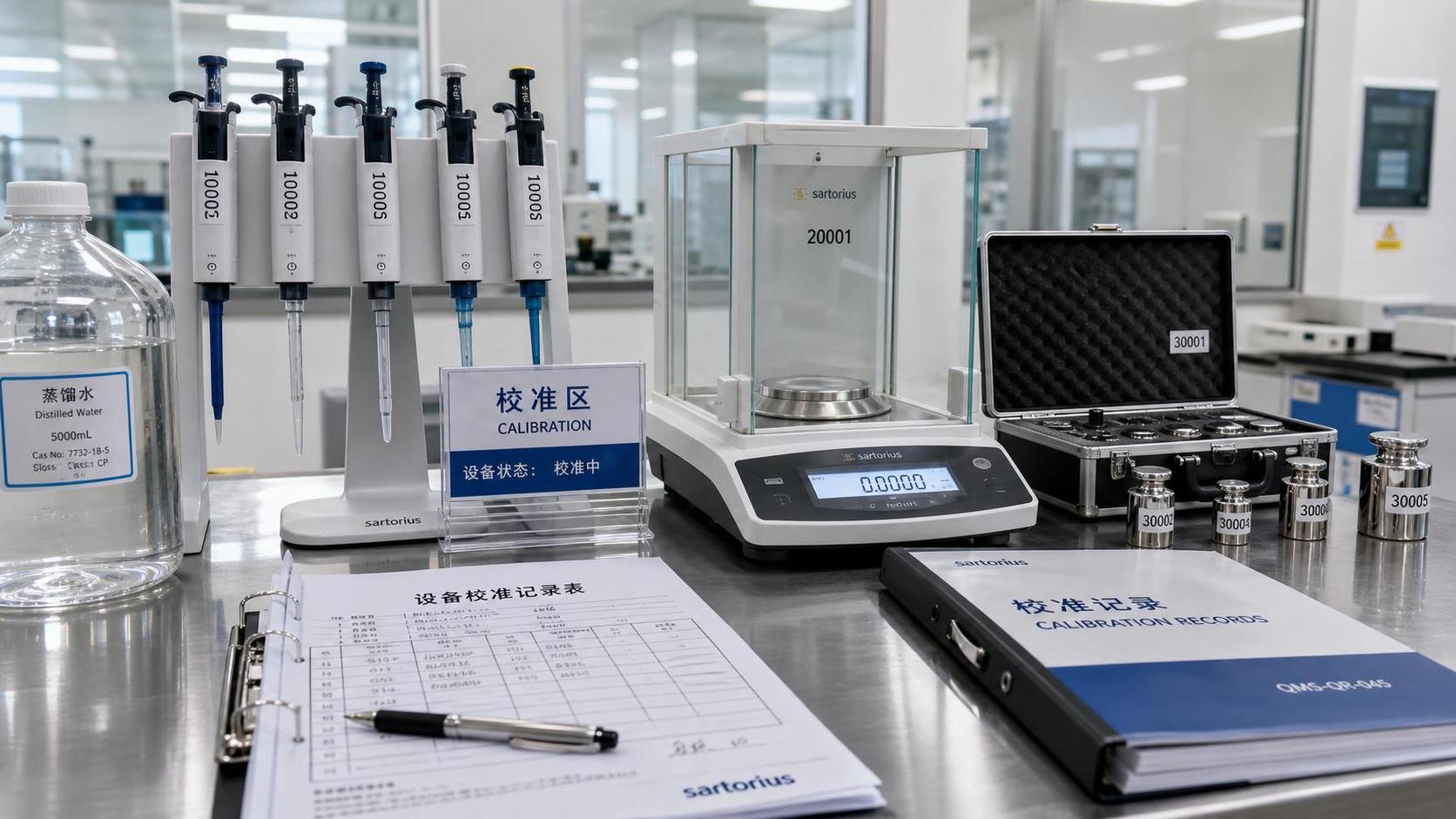
Fair evaluation of wholesale multichannel pipettes should include certificates, calibration guidance, and traceability support.
A lower-cost unit can become expensive if records are difficult to maintain or audits expose calibration gaps.
Documentation checkpoints worth reviewing
- Factory calibration documentation
- Recommended recalibration frequency
- Maintenance instructions and spare-part references
- Chemical resistance and sterilization compatibility data
- Support for internal SOP alignment and training records
Total cost of ownership gives a clearer picture than unit price
One of the biggest mistakes in sourcing wholesale multichannel pipettes is relying on purchase price alone.
Fair comparison should estimate the full operating horizon over one to three years.
Often, premium wholesale multichannel pipettes deliver lower effective cost because they reduce inconsistency and service burden.
What deserves close attention before making a final decision
- Use a weighted scorecard tailored to the actual workflow mix
- Test samples under plate formats used most frequently
- Verify tip fit using intended consumables, not substitute tips
- Review service turnaround and calibration logistics early
- Document all comparison assumptions for future reorders
- Check whether wholesale multichannel pipettes support standardization across sites
A practical next-step framework for evaluating wholesale multichannel pipettes
Start by defining three to five core use cases.
Then rank performance, ergonomics, compliance, and cost according to operational risk.
Request comparable samples and run short validation tests under controlled conditions.
Record results in a consistent template, including failure notes and user observations.
This process creates a defendable decision path for wholesale multichannel pipettes and reduces future sourcing uncertainty.
For organizations balancing lab-scale precision with scalable operations, fair comparison is not extra work.
It is the foundation for reliable liquid handling, lower risk, and stronger long-term value.
Expert Insights

Chief Security Architect
Dr. Thorne specializes in the intersection of structural engineering and digital resilience. He has advised three G7 governments on industrial infrastructure security.
Related Analysis
Core Sector // 01
Security & Safety
- How to Verify Multichannel Pipette Calibration Across All Channels?Author :Lina Cloud

- ISO 8655 Pipette Calibration Compliance: Documentation, Intervals, and Audit ReadinessAuthor :Lina Cloud

- How Ergonomic Force Data Helps Labs Compare Pipette Cost and Injury RiskAuthor :Lina Cloud

- How to Evaluate a Mechanical Adjustable Pipette OEM for Accuracy and Batch ConsistencyAuthor :Lina Cloud

- Pipette Calibration for GMP Labs: Key Compliance Points and Audit-Ready PracticesAuthor :Lina Cloud

- How to Choose a Single Channel Electronic Pipette for Accuracy and Daily Lab WorkAuthor :Lina Cloud

- How to Choose an Autoclavable Positive Displacement Pipette for Sterile Viscous SamplesAuthor :Lina Cloud

- How to Choose Electronic Repeater Pipettes for High-Throughput Lab WorkAuthor :Lina Cloud