Pipette Calibration Intervals Under ISO 8655 Explained Clearly
Author
Date Published
Reading Time

For after-sales maintenance teams, understanding pipette calibration intervals (ISO 8655) is essential to keeping liquid handling systems accurate, compliant, and audit-ready. This guide clearly explains how calibration frequency should be determined, what factors shorten or extend service cycles, and how proper interval planning helps reduce downtime, prevent measurement drift, and support consistent performance across regulated laboratory environments.
In practical terms, ISO 8655 does not give one universal recalibration date that applies to every pipette in every lab. Instead, it provides the performance framework, test principles, and accuracy expectations that support a risk-based interval strategy. For service teams, that means calibration frequency should be set by actual operating conditions, usage intensity, liquid type, environment, criticality of the application, and past performance trends.
If you support pharmaceutical, chemical, diagnostic, or research laboratories, the key question is not simply “How often should this pipette be calibrated?” The more useful question is: “What interval keeps this instrument within tolerance, minimizes failure risk, and still makes operational sense?” That is the point where ISO compliance, uptime, and cost control meet.
What users searching for pipette calibration intervals under ISO 8655 usually need to know
People searching this topic are rarely looking for a textbook definition of calibration. Most want a clear answer on service frequency, documentation expectations, and how to justify intervals during audits or customer reviews. After-sales teams, in particular, need guidance they can apply across different customer sites without over-servicing low-risk instruments or under-servicing critical ones.
The core search intent is therefore operational and compliance-driven. Readers want to know whether ISO 8655 requires annual calibration, whether shorter intervals are necessary in regulated environments, and how to decide when six months, three months, or a custom interval is more appropriate. They also want to understand the consequences of getting intervals wrong: failed checks, product quality risks, customer complaints, and audit findings.
For maintenance personnel, the most valuable content is not broad theory. It is a decision framework: what affects interval length, what evidence to review, what warning signs indicate interval reduction, and how to document a defensible schedule. That is where the real day-to-day value lies.
Does ISO 8655 specify a fixed pipette calibration interval?
The short answer is no. ISO 8655 is the international standard series that defines requirements and test methods for piston-operated volumetric apparatus, including pipettes. It establishes how performance should be verified and what metrological principles apply, but it does not impose one single recalibration interval for all users.
This distinction matters. Many laboratories simplify internal policy by setting annual calibration for all pipettes, but that schedule is an organizational rule, not a universal ISO 8655 mandate. In some labs, annual recalibration may be acceptable for low-use pipettes in controlled environments. In others, especially high-throughput or GMP-sensitive operations, twelve months may be far too long.
For after-sales teams, the correct interpretation is that ISO 8655 supports evidence-based interval setting. Calibration intervals should be justified through risk, use pattern, and performance history. A fixed annual cycle may be convenient for administration, but convenience alone is not a technical rationale.
That is why many mature service programs combine scheduled full calibration with intermediate performance checks. This layered approach helps detect drift earlier without waiting for the next major service event.
What factors should determine pipette calibration intervals?
The most reliable way to determine pipette calibration intervals (ISO 8655) is to evaluate several variables together rather than using time alone. A pipette used hundreds of times per day with viscous or aggressive liquids in a demanding environment will usually need more frequent verification than one used occasionally for routine aqueous transfers.
1. Frequency of use. High-cycle instruments experience more seal wear, piston friction changes, tip cone stress, and mechanical fatigue. A pipette used in production support, QC, or screening workflows may drift faster than one reserved for occasional method development.
2. Application criticality. If the pipette is used in release testing, regulated assay preparation, reference standard dilution, or any step tied directly to product quality, tighter interval control is usually justified. The cost of a measurement error is much higher in these applications.
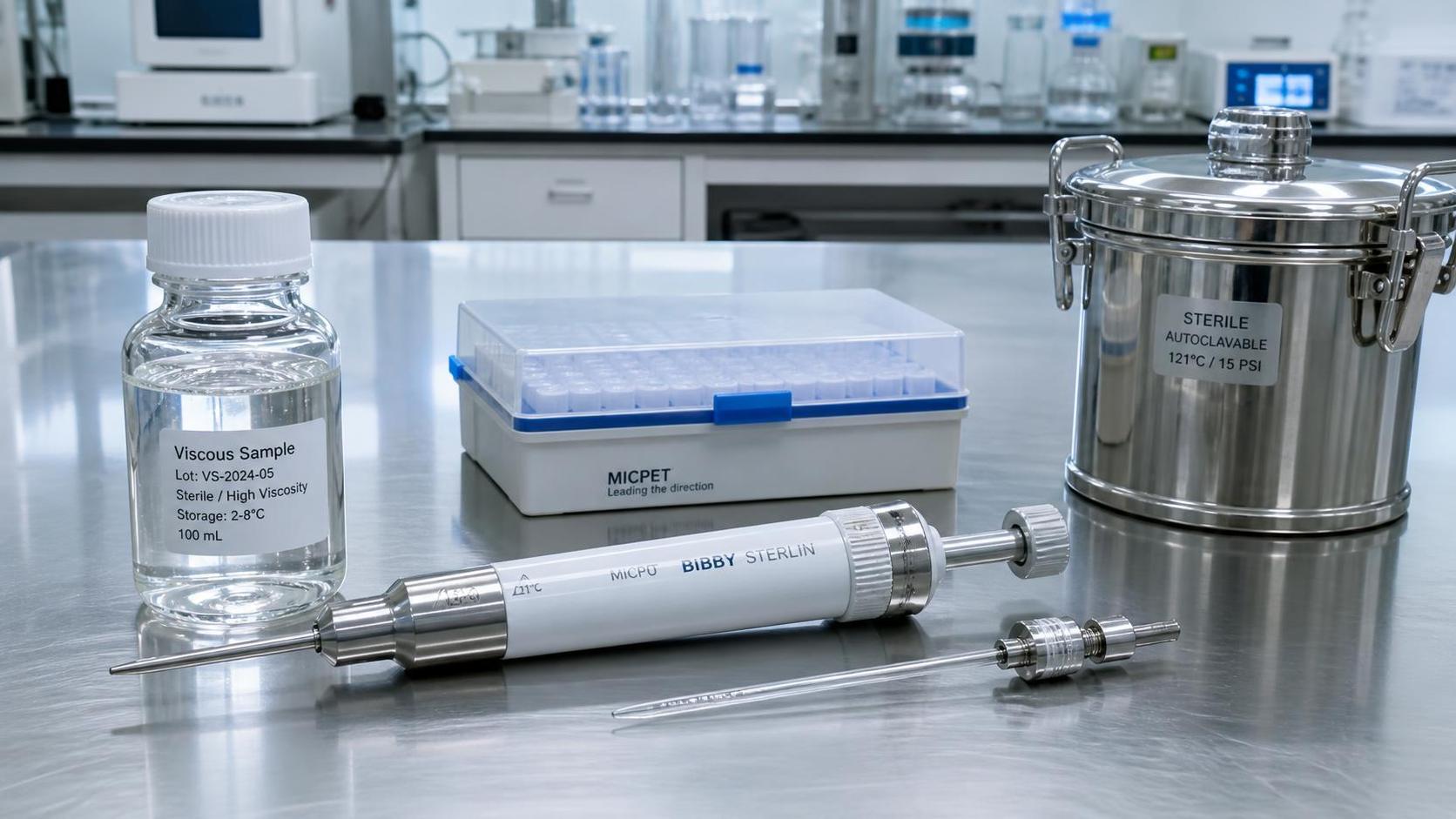
3. Type of liquid handled. Aqueous solutions are generally easier on pipettes than corrosive, volatile, foaming, protein-rich, or viscous liquids. Difficult media can accelerate contamination, sealing issues, evaporation effects, and internal component wear.
4. Environmental conditions. Temperature fluctuation, humidity instability, airborne contamination, and poor handling practices all affect long-term performance. Pipettes used in busy production-adjacent labs may face more stress than those in stable metrology rooms.
5. User variability. Even a technically sound pipette can show poor field performance if users employ inconsistent aspiration angles, immersion depths, pre-wetting habits, or tip fitting force. Service teams should separate operator-related error from instrument drift, but both influence how often checks are needed.
6. Historical calibration data. This is one of the strongest indicators. If a pipette repeatedly remains well within tolerance over several cycles, an interval extension may be reasonable where regulations allow. If it often approaches limits or requires adjustment, shorten the interval.
7. Manufacturer recommendations and customer quality policy. OEM guidance, site SOPs, and internal quality systems all matter. The final service schedule should align with both technical reality and the customer’s compliance framework.
When should intervals be shorter than one year?
Many labs default to annual calibration, but there are clear cases where that is too relaxed. After-sales teams should be ready to recommend shorter intervals when operating risk is high or performance stability is uncertain.
A six-month interval is often appropriate for pipettes used frequently in regulated laboratories, especially when the devices support analytical preparation, microbiology workflows, stability studies, or process development where volumetric consistency matters. It is also common when multiple users share the same pipette and handling variability is hard to control.
A three-month interval or even monthly gravimetric performance check may be justified for critical-use pipettes in high-throughput settings, for instruments exposed to harsh liquids, or for units with a history of drift, failed tolerance checks, or repair recurrence. In these cases, waiting a full year creates unnecessary quality risk.
Shorter intervals also make sense after events that may affect performance, such as dropping the pipette, autoclaving components repeatedly, replacing internal seals, exposure to corrosive reagents, or customer complaints about inconsistent results. Time-based schedules should never prevent event-based recalibration.
One practical rule is this: if the impact of an out-of-tolerance pipette is high, the interval should be conservative. The stricter the application, the less acceptable it is to rely on assumptions.
When can calibration intervals be extended?
Interval extension is possible, but only when supported by evidence. A low-use pipette in a controlled laboratory, handled by trained users, used mainly with aqueous liquids, and showing stable results over multiple service cycles may not need the same frequency as a heavily used unit.
However, extending intervals should never be done simply to reduce service cost. The correct basis is trend data. If repeated calibrations, interim checks, and maintenance records consistently show low deviation, good repeatability, and no signs of wear-related instability, a quality-approved extension may be defensible.
For example, some organizations maintain annual full calibration but use statistical review to decide whether selected low-risk pipettes can move to a longer cycle with documented intermediate checks. Others keep the annual schedule but reduce invasive maintenance where performance history is strong. The exact model varies, but the principle is the same: extension must be evidence-led, not assumption-led.
After-sales teams should also remember that an extended interval can still include routine preventive inspection. Mechanical condition, leak tightness, tip cone integrity, and user feedback should continue to be monitored even if formal calibration dates move further apart.
How should after-sales teams build a practical interval plan?
The best service plans are simple enough to execute but detailed enough to defend. A useful method is to group pipettes into service categories rather than treat every unit individually from the start.
Category A: high-risk, high-use. These pipettes support regulated or business-critical work, are used daily, or have a drift history. They usually need the shortest intervals plus intermediate performance checks.
Category B: moderate-risk, routine-use. These are common laboratory pipettes used regularly but not always in the most critical applications. A six- or twelve-month cycle may be appropriate depending on historical data and site policy.
Category C: low-risk, low-use. Reserve pipettes, training units, or infrequently used instruments may qualify for longer intervals if storage conditions are good and performance remains stable.
Once categories are set, define the triggers that change interval length. Examples include failed calibration, repeated adjustment, visible wear, customer complaint, harsh chemical exposure, or change in application criticality. This prevents static schedules from becoming disconnected from real conditions.
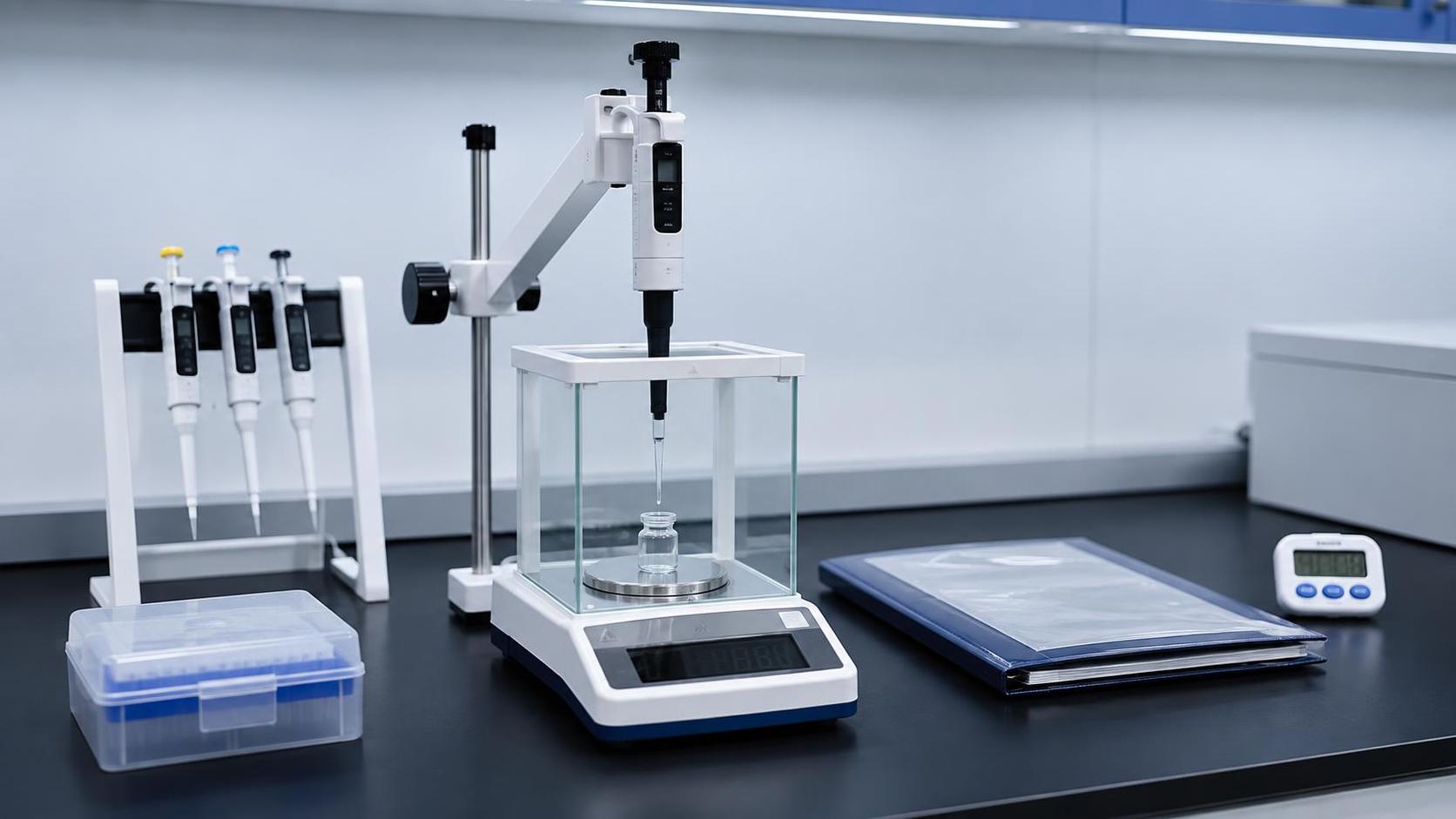
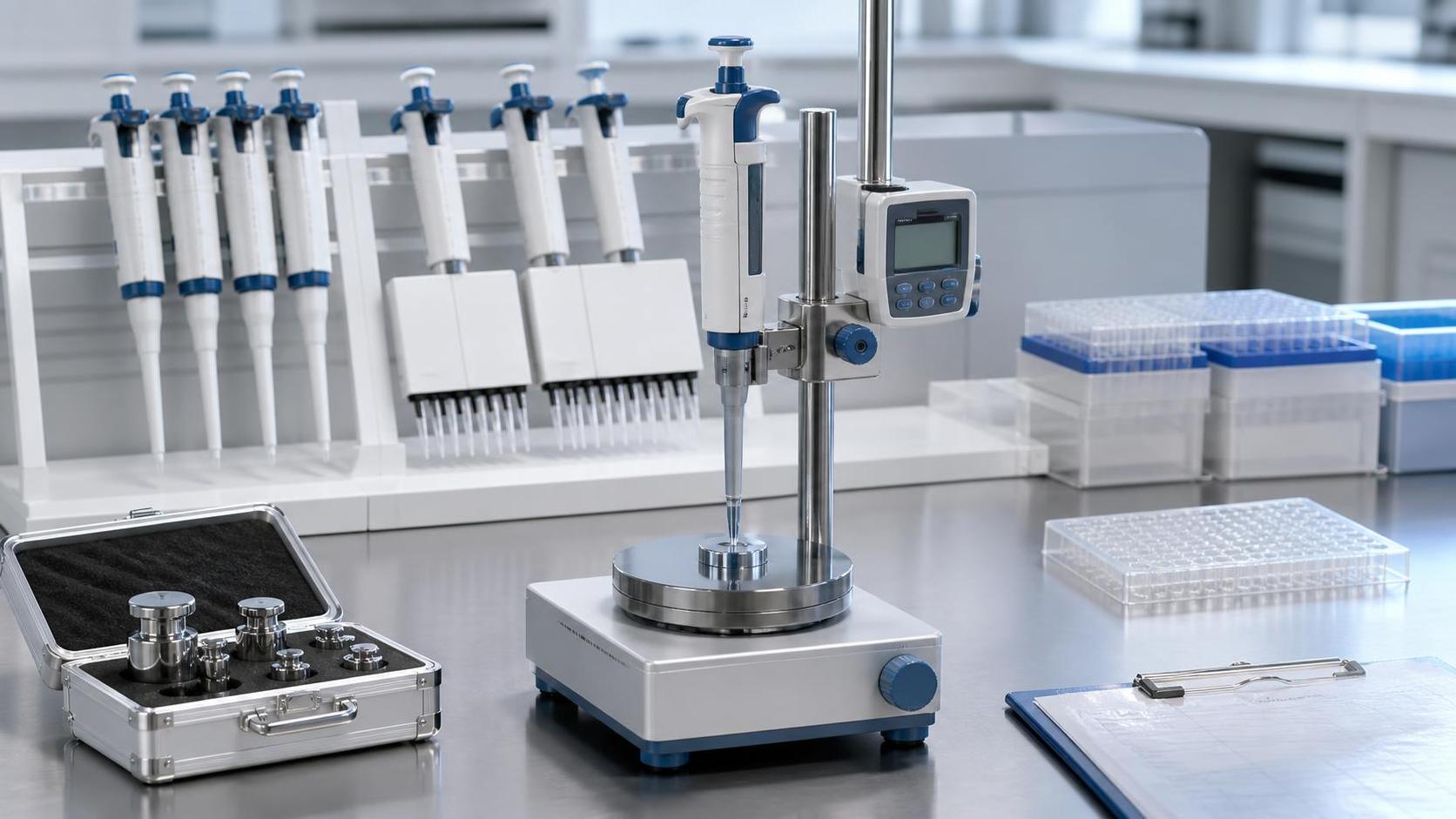
It is also wise to distinguish between full calibration, verification, and preventive maintenance. Not every touchpoint must be a full recalibration event. A well-designed plan may include quarterly gravimetric checks, semiannual preventive service, and annual accredited calibration, depending on the risk profile.
What documentation is needed to support ISO 8655-based interval decisions?
In audit situations, the question is often not whether the pipette was calibrated once, but whether the interval is justified and controlled. Good documentation turns a service schedule into a defensible quality process.
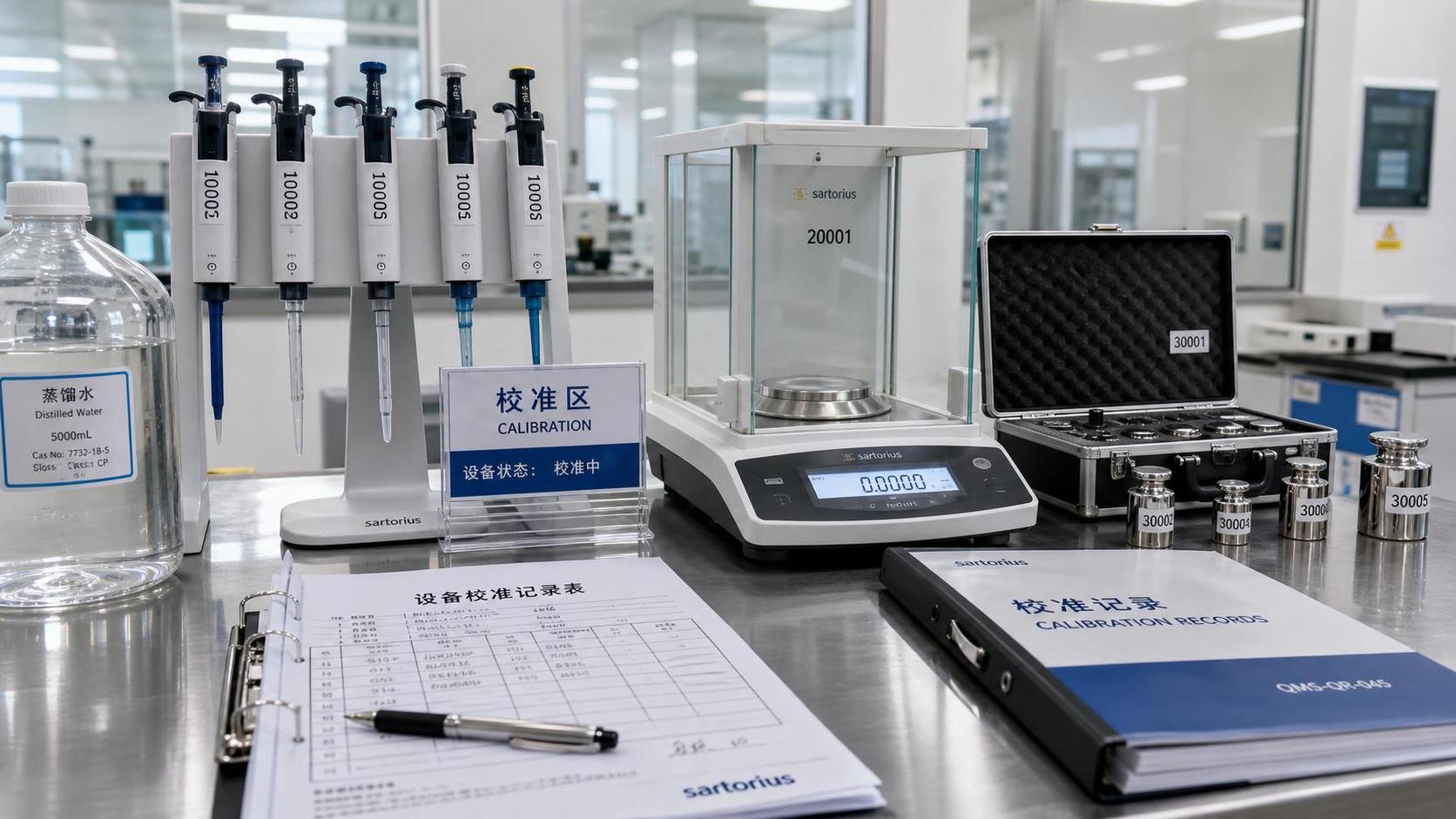
At minimum, maintain records for calibration date, test method, environmental conditions, volumes tested, measurement results, uncertainty where applicable, adjustments made, replaced parts, technician identity, and pass/fail status against defined tolerances. If the pipette is part of a regulated workflow, traceability to standards and balance performance records also matter.
For interval setting, the most useful documents are trend logs. These should show whether the pipette’s systematic and random errors are stable, worsening, or variable over time. A pipette that consistently drifts toward tolerance limits is sending an early warning that the service interval may be too long.
Also document the rationale for interval changes. If a site moves from annual to semiannual calibration, note the evidence: increased use, application change, drift trend, or audit recommendation. If a site extends an interval, record the supporting data and approval path. This protects both the customer and the service provider.
Common mistakes that cause interval problems
One common mistake is treating all pipettes as identical assets. In reality, a single-channel pipette used twice a week for buffer transfer does not carry the same risk profile as a multichannel unit supporting validated assay preparation every day. Uniform intervals are administratively easy but technically weak.
Another mistake is relying only on annual calibration certificates while ignoring interim symptoms. Sticky plungers, leakage, inconsistent user feedback, damaged tip cones, and unexplained assay variability should trigger immediate investigation. Service intervals should respond to field evidence, not just calendar reminders.
A third mistake is confusing compliance with performance. A certificate from last quarter does not guarantee correct dispensing today if the pipette has since been mishandled or heavily stressed. This is why operator checks and preventive inspection remain important between formal calibration events.
Finally, some teams shorten intervals without addressing root causes. If a pipette repeatedly fails early, the issue may involve incorrect tip compatibility, poor handling, unsuitable liquid class, or inadequate user training. More frequent calibration alone will not fix a process problem.
How interval planning improves uptime and customer trust
From an after-sales perspective, interval planning is not only about technical compliance. It is also a service-quality tool. When intervals are aligned with actual usage and risk, customers experience fewer unexpected failures, fewer urgent replacements, and better confidence in their liquid handling processes.
This matters especially in large pharmaceutical and chemical environments where pipettes sit inside broader quality systems tied to ISO, GMP, USP, or internal validation requirements. A missed interval or unexplained drift can affect not just one instrument, but workflow scheduling, deviation investigations, and audit readiness.
Well-managed interval programs also improve spare-parts planning and technician allocation. Instead of reacting to random breakdowns, service teams can anticipate wear patterns, combine maintenance tasks efficiently, and reduce unnecessary visits for low-risk assets. That creates both technical and commercial value.
Most importantly, customers trust service partners who can explain why an interval is appropriate, not just sell a standard package. Clear reasoning supported by ISO 8655 principles and performance data is far more persuasive than a generic annual recommendation.
Clear takeaways for maintenance teams
To explain pipette calibration intervals (ISO 8655) clearly, start with the right message: ISO 8655 does not prescribe one fixed recalibration frequency for every pipette. It provides the framework for verifying performance, while the actual interval should be based on risk, use conditions, application criticality, and calibration history.
For after-sales maintenance teams, the most effective approach is a tiered service strategy. Use shorter intervals for high-use, high-risk, harsh-liquid, or drift-prone pipettes. Consider stable extension only where data supports it. Add interim verification and preventive inspection so that performance issues are caught before they become compliance problems.
In the end, a good interval is one that is technically justified, operationally realistic, and easy to defend during review or audit. If you build schedules around evidence rather than habit, you will reduce downtime, improve consistency, and help laboratories keep their liquid handling systems accurate, reliable, and ready for scrutiny.
Expert Insights

Chief Security Architect
Dr. Thorne specializes in the intersection of structural engineering and digital resilience. He has advised three G7 governments on industrial infrastructure security.
Related Analysis
Core Sector // 01
Security & Safety
- How to Verify Multichannel Pipette Calibration Across All Channels?Author :Lina Cloud

- ISO 8655 Pipette Calibration Compliance: Documentation, Intervals, and Audit ReadinessAuthor :Lina Cloud

- How Ergonomic Force Data Helps Labs Compare Pipette Cost and Injury RiskAuthor :Lina Cloud

- How to Evaluate a Mechanical Adjustable Pipette OEM for Accuracy and Batch ConsistencyAuthor :Lina Cloud

- Pipette Calibration for GMP Labs: Key Compliance Points and Audit-Ready PracticesAuthor :Lina Cloud

- How to Choose a Single Channel Electronic Pipette for Accuracy and Daily Lab WorkAuthor :Lina Cloud

- How to Choose an Autoclavable Positive Displacement Pipette for Sterile Viscous SamplesAuthor :Lina Cloud

- How to Choose Electronic Repeater Pipettes for High-Throughput Lab WorkAuthor :Lina Cloud