Pipette Volumetric Accuracy Data That Actually Helps Comparison
Author
Date Published
Reading Time

For procurement teams comparing liquid handling systems, pipette volumetric accuracy data is more than a specification—it is a decision-critical benchmark tied to compliance, repeatability, and total cost of ownership. This article highlights what accuracy data actually matters, how to interpret it across suppliers, and where hidden performance differences can affect lab efficiency and scale-up confidence.
What pipette volumetric accuracy data really means
In laboratory procurement, pipette volumetric accuracy data refers to the measured difference between the dispensed volume and the target volume under defined test conditions. Put simply, it shows how close a pipette comes to delivering what the operator selected. That sounds straightforward, but for buyers comparing instruments across brands, formats, and automation levels, the meaning of the data depends heavily on how it was generated, reported, and verified.
Accuracy is often confused with precision. Accuracy describes closeness to the intended volume, while precision describes consistency across repeated dispenses. Procurement officers need both, because a pipette can repeatedly dispense the wrong amount with excellent precision but poor accuracy. In regulated or scale-sensitive environments, that distinction affects assay validity, batch comparability, calibration intervals, and even supplier qualification decisions.
For organizations operating in pharmaceutical, chemical, bioprocess, and advanced R&D settings, pipette volumetric accuracy data is not just a product brochure line. It is a functional performance indicator linked to method transfer, operator training burden, maintenance planning, and data integrity. At G-LSP, this is part of a larger benchmark logic: fluidic precision at the bench influences confidence at pilot scale and beyond.
Why the industry pays close attention to these numbers
The growing interest in pipette volumetric accuracy data is driven by several industry trends. First, low-volume liquid handling is increasingly tied to high-value materials: biologics, cell therapies, reference standards, potent APIs, and expensive analytical reagents. Even a small volumetric error can alter concentration, affect reaction kinetics, or distort assay sensitivity. In those settings, procurement mistakes are not merely operational—they become financial and regulatory liabilities.
Second, many laboratories are moving from isolated benchtop work to connected workflows that support tech transfer, process development, and automation. A manual pipette used in feasibility studies may influence data later compared with automated systems in validation or pilot production. If the original pipette volumetric accuracy data was weak, incomplete, or not comparable across vendors, the resulting data chain becomes harder to trust.
Third, audit expectations continue to rise. Whether a facility aligns with ISO, USP, GMP, or internal quality frameworks, buyers are increasingly asked to justify why a particular liquid handling platform was selected. Reliable pipette volumetric accuracy data helps support those decisions with measurable evidence rather than sales claims.
The core metrics procurement teams should review
Not all product sheets present the same level of detail. To make pipette volumetric accuracy data useful for comparison, procurement teams should look beyond one headline specification and check the following performance elements.
- Nominal volume range: Performance at maximum volume may look excellent, while performance near the lower end may degrade significantly.
- Test points across the range: Data at 100%, 50%, and 10% of nominal capacity gives a more realistic picture.
- Systematic error: Often expressed in microliters and percent, this is the core measure of volumetric accuracy.
- Random error: Indicates repeatability and helps reveal how stable the pipette is in routine use.
- Environmental test conditions: Temperature, humidity, liquid density, and evaporation control can all influence outcomes.
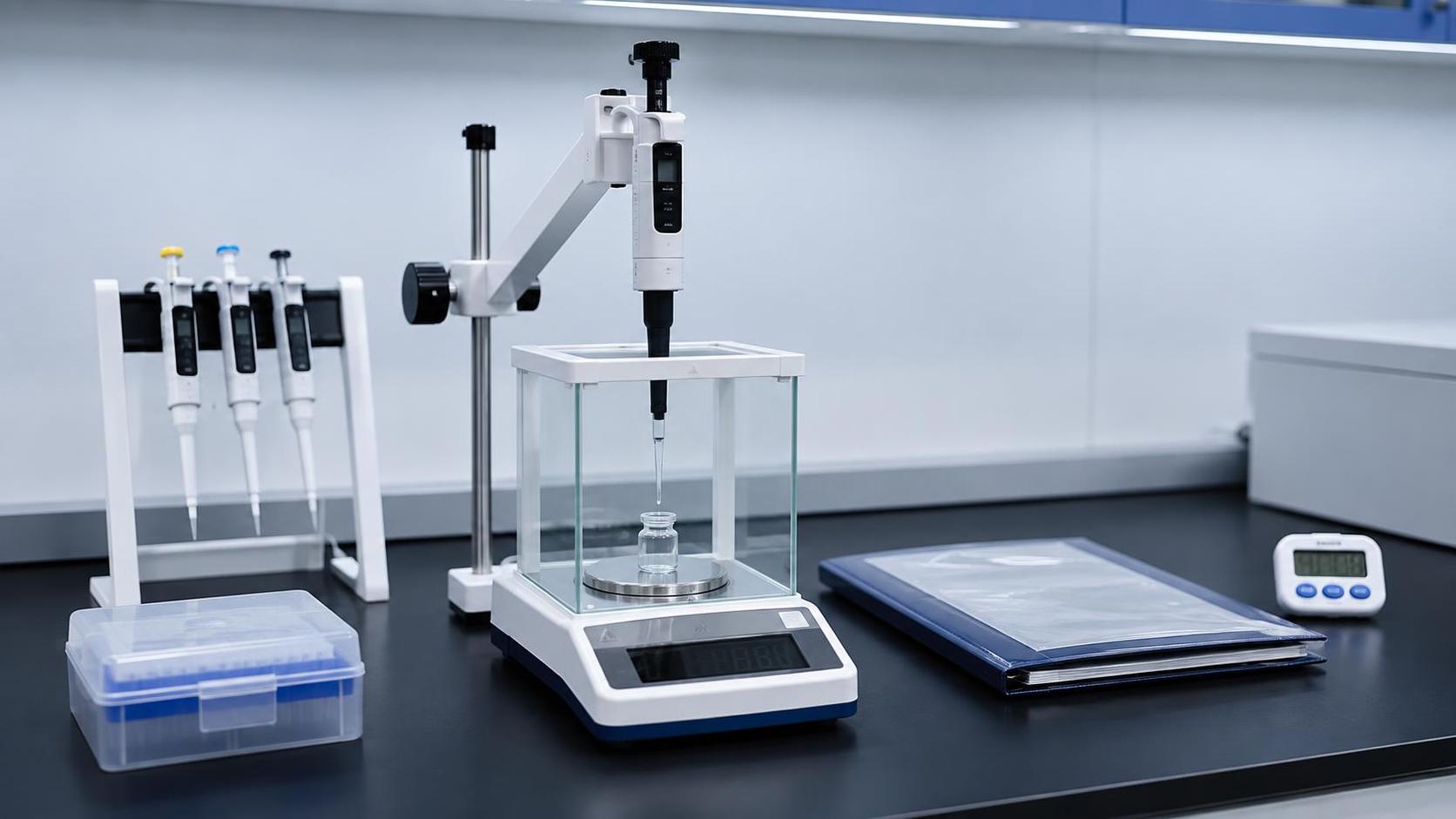
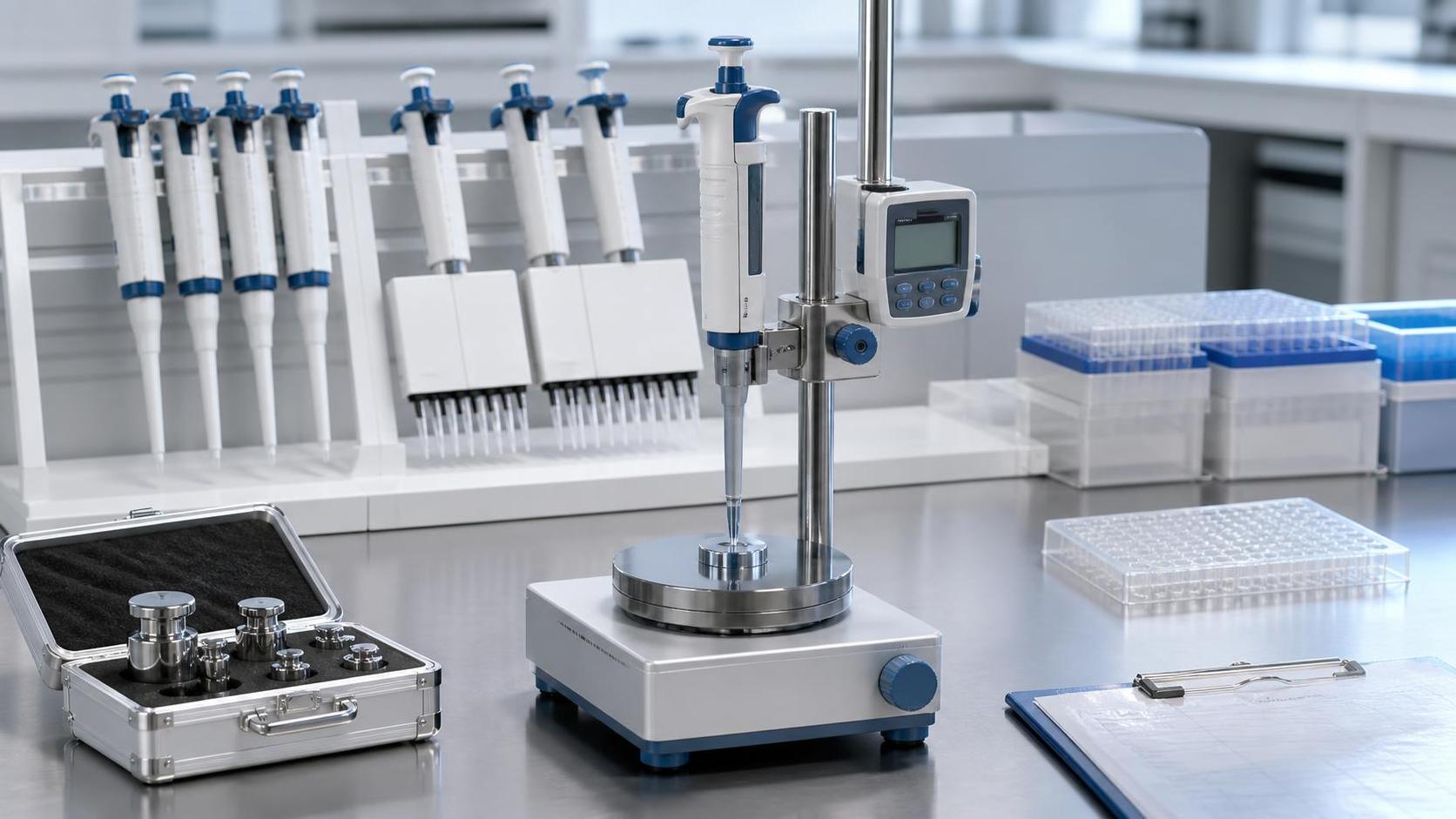
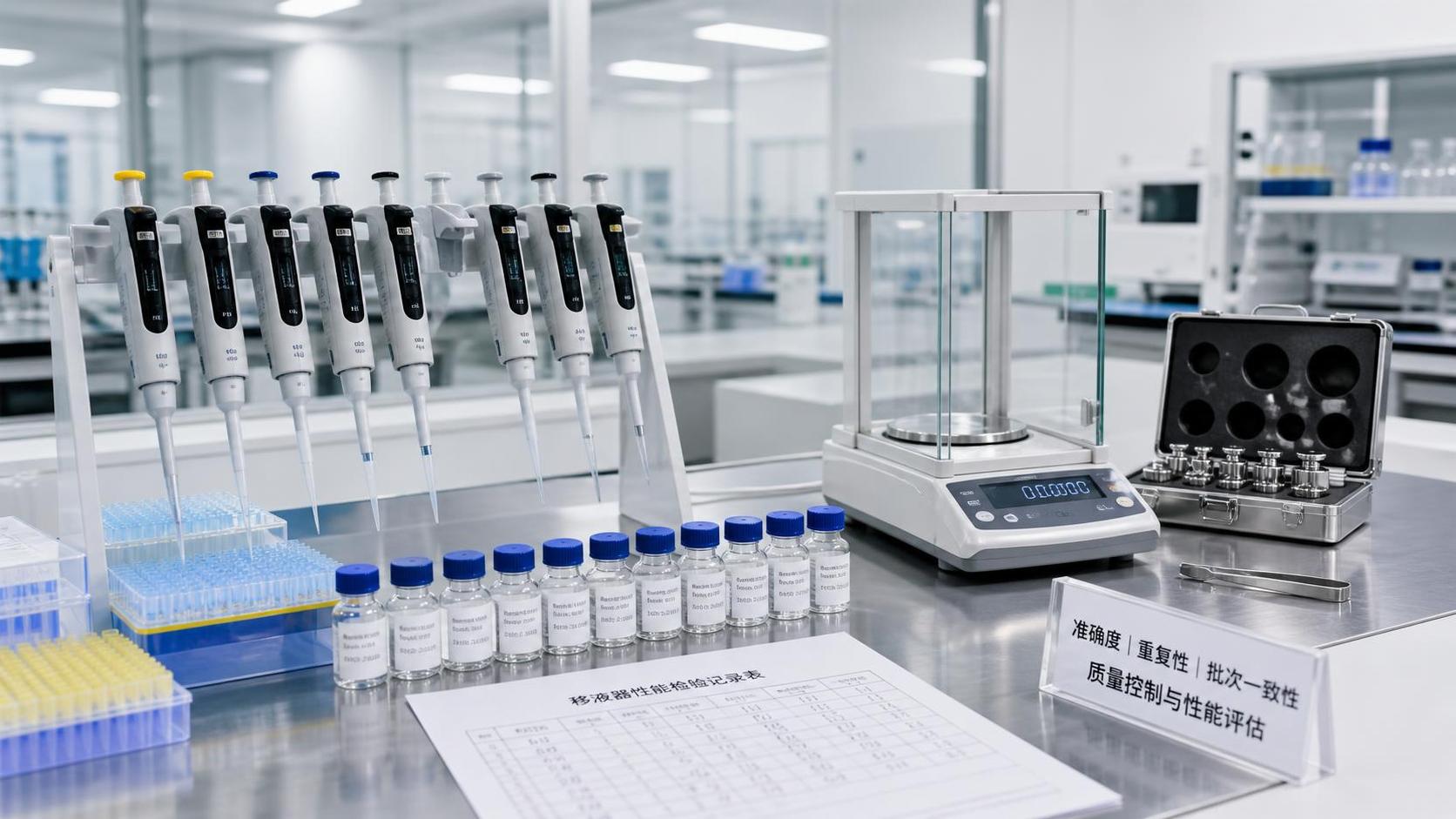
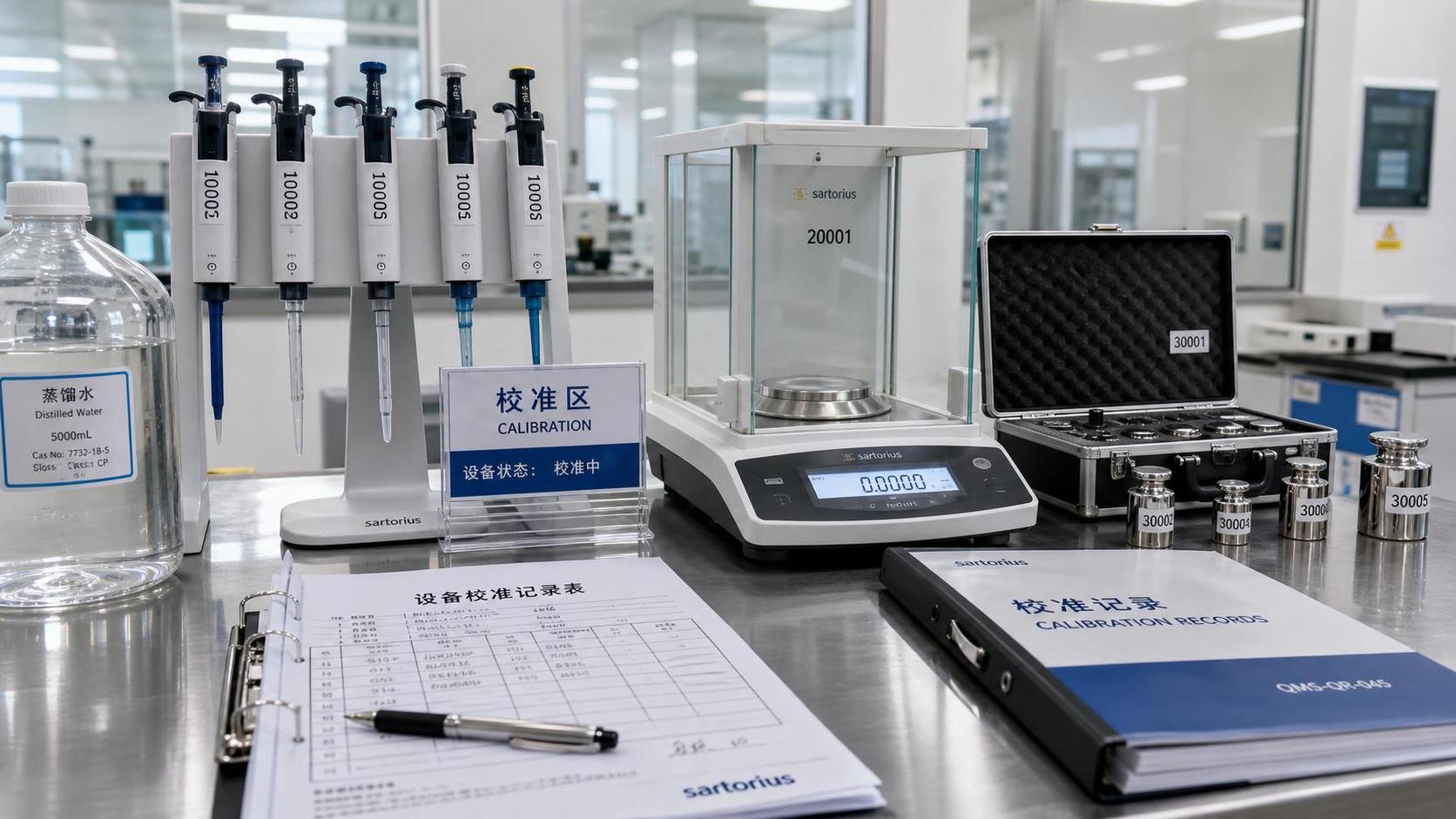
- Calibration method: Gravimetric testing, balance class, operator handling, and traceability matter.
- Conformance basis: References to ISO 8655 or internal methods should be clearly stated.
When these details are missing, pipette volumetric accuracy data becomes hard to compare across suppliers. A lower quoted error value is not always better if it was measured under limited conditions or reported only at the most favorable volume point.
A practical overview of comparison factors
The table below summarizes the most useful dimensions for evaluating pipette volumetric accuracy data in a procurement context.
Where hidden differences appear between suppliers
Two suppliers may publish similar pipette volumetric accuracy data yet deliver very different real-world outcomes. One common reason is selective reporting. Some datasheets emphasize best-case values at one setpoint while omitting lower-volume performance, where many assays are actually most vulnerable. Another issue is test liquid behavior. Water-based gravimetric accuracy is useful and standardized, but not every lab dispenses only water-like fluids. Viscous buffers, volatile solvents, protein mixes, and foaming liquids can expose design differences quickly.
There is also a difference between initial factory performance and maintained field performance. Procurement teams should ask whether the published pipette volumetric accuracy data reflects out-of-box testing only or long-term service behavior after repeated use, sterilization, seal wear, and tip changes. A lower-cost device may meet specifications initially but require more frequent recalibration or part replacement, which changes the total cost equation.
In automated liquid handling systems, software control, tip compatibility, aspiration speed, and deck alignment can further influence delivered volume. In these cases, pipette volumetric accuracy data should be interpreted as a system property, not merely a pipetting head specification.
Application value across different laboratory settings
The business value of pipette volumetric accuracy data changes by workflow, but it remains central across most advanced labs. Procurement teams can use the following classification to connect specifications with operational impact.
How procurement teams should interpret the data in practice
A useful approach is to interpret pipette volumetric accuracy data in layers. Start with compliance suitability: does the data align with your internal quality framework and recognized standards? Then move to workflow fit: are the tested volumes, liquids, and use frequency close to your real operating conditions? Finally, assess lifecycle impact: what does the data imply for recalibration frequency, consumable dependency, service burden, and operator variation?
This layered review helps procurement avoid a common mistake—treating all acceptable specifications as interchangeable. In reality, a pipette used for occasional general work can be judged differently from one supporting assay release, microfluidic setup, or high-value biologic preparation. The tighter the process sensitivity, the more important robust pipette volumetric accuracy data becomes.
For multinational or multi-site organizations, consistency is another major issue. Standardizing on comparable liquid handling performance across regions can reduce retraining, simplify calibration programs, and improve cross-site data confidence. This matters especially when labs support one another during method transfer or pre-production scale-up.
Practical evaluation questions before approval
Before approving a purchase, procurement and technical stakeholders should jointly ask a focused set of questions:
- Is the pipette volumetric accuracy data reported across the actual operating range we use?
- Are values shown in both absolute and percentage terms for easier comparison?
- Was testing performed under traceable, standardized conditions?
- How sensitive is performance to operator technique, tip brand, or liquid type?
- What evidence supports long-term stability between calibration events?
- If the system is automated, is the data for the complete liquid handling workflow or only one component?
- How will this performance affect cost of ownership over one to three years?
These questions move the discussion from basic specification review to decision-quality benchmarking, which is where the most meaningful procurement gains are made.
A balanced path to better decisions
Pipette volumetric accuracy data becomes truly valuable when it is comparable, contextualized, and connected to use-case risk. For procurement teams, the goal is not simply to buy the instrument with the lowest published error. The goal is to select a liquid handling solution whose measured performance supports compliant operation, consistent output, and efficient scaling across the lab-to-production continuum.
Organizations that benchmark pipetting systems with the same discipline used for reactors, bioreactors, centrifugation platforms, or microfluidic devices tend to make stronger capital and consumables decisions over time. In that broader technical framework, pipette volumetric accuracy data is not a minor detail. It is a practical indicator of how much uncertainty a workflow is willing to tolerate.
If your team is comparing platforms, requesting structured data packages and reviewing pipette volumetric accuracy data alongside precision, serviceability, standards alignment, and workflow suitability will produce a far more reliable selection outcome than brochure-level claims alone.
Expert Insights

Chief Security Architect
Dr. Thorne specializes in the intersection of structural engineering and digital resilience. He has advised three G7 governments on industrial infrastructure security.
Related Analysis
Core Sector // 01
Security & Safety
- ISO 8655 Pipette Calibration Compliance: Documentation, Intervals, and Audit ReadinessAuthor :Lina Cloud

- How Ergonomic Force Data Helps Labs Compare Pipette Cost and Injury RiskAuthor :Lina Cloud

- How to Evaluate a Mechanical Adjustable Pipette OEM for Accuracy and Batch ConsistencyAuthor :Lina Cloud

- Pipette Calibration for GMP Labs: Key Compliance Points and Audit-Ready PracticesAuthor :Lina Cloud

- How to Choose a Single Channel Electronic Pipette for Accuracy and Daily Lab WorkAuthor :Lina Cloud

- How to Choose an Autoclavable Positive Displacement Pipette for Sterile Viscous SamplesAuthor :Lina Cloud

- How to Choose Electronic Repeater Pipettes for High-Throughput Lab WorkAuthor :Lina Cloud

- Multi Channel Pipette Calibration: How to Verify Accuracy Across All ChannelsAuthor :Lina Cloud