Wholesale Multichannel Pipettes: Which Specs Age Better?
Author
Date Published
Reading Time

For business evaluators sourcing wholesale multichannel pipettes, short-term price rarely predicts long-term value. The specs that age better—calibration stability, chemical resistance, ergonomic durability, and serviceable design—directly affect lifecycle cost, compliance, and workflow consistency. This guide examines which technical indicators remain reliable as lab demands scale, helping procurement teams compare options with greater confidence and strategic precision.
Understanding what “ages better” in wholesale multichannel pipettes
In laboratory purchasing, a specification “ages better” when it continues to deliver value after the first year of use, after multiple operators, and across changing assay requirements. For wholesale multichannel pipettes, that means looking beyond initial dispensing accuracy on a product sheet. A pipette can perform well in a controlled demonstration, yet lose relevance if seals degrade quickly, recalibration intervals shorten, spare parts become difficult to source, or ergonomics break down under repetitive daily use.
This matters especially in high-throughput research, bioprocess development, QC labs, and pilot-scale analytical environments where multichannel liquid handling supports plate-based workflows. In such settings, small volumetric drift creates large cumulative risk. As organizations move from benchtop experimentation toward more standardized and compliance-sensitive operations, the durability of a specification becomes as important as the specification itself.
For business evaluators in pharmaceutical, chemical, and multidisciplinary R&D organizations, the practical question is not simply which wholesale multichannel pipettes look competitive today, but which ones remain stable, maintainable, and auditable as workflows mature.
Why the market pays attention to long-life specifications
The growing focus on long-term performance reflects larger industry shifts. Laboratories are under pressure to improve reproducibility, reduce operator fatigue, and document equipment fitness more rigorously. Personalized therapeutics, cell-based assays, and batch-to-continuous development models all raise expectations for fluidic precision. In parallel, procurement teams are asked to justify purchases not only by unit price, but by total cost of ownership, training burden, service downtime, and compliance exposure.
Within this context, wholesale multichannel pipettes are no longer simple consumable-adjacent tools. They sit at the intersection of manual technique, assay consistency, and quality systems. A lab may standardize one family of 8-channel or 12-channel pipettes across departments, making the decision consequential for calibration programs, tip compatibility, operator adoption, and inventory strategy.
This is why technical benchmarking organizations and advanced B2B intelligence platforms increasingly assess not just headline volume ranges, but the architecture of micro-efficiency: how reliably a tool translates repeated human action into controlled fluid movement over time.
The specifications most likely to retain value over time
Calibration stability
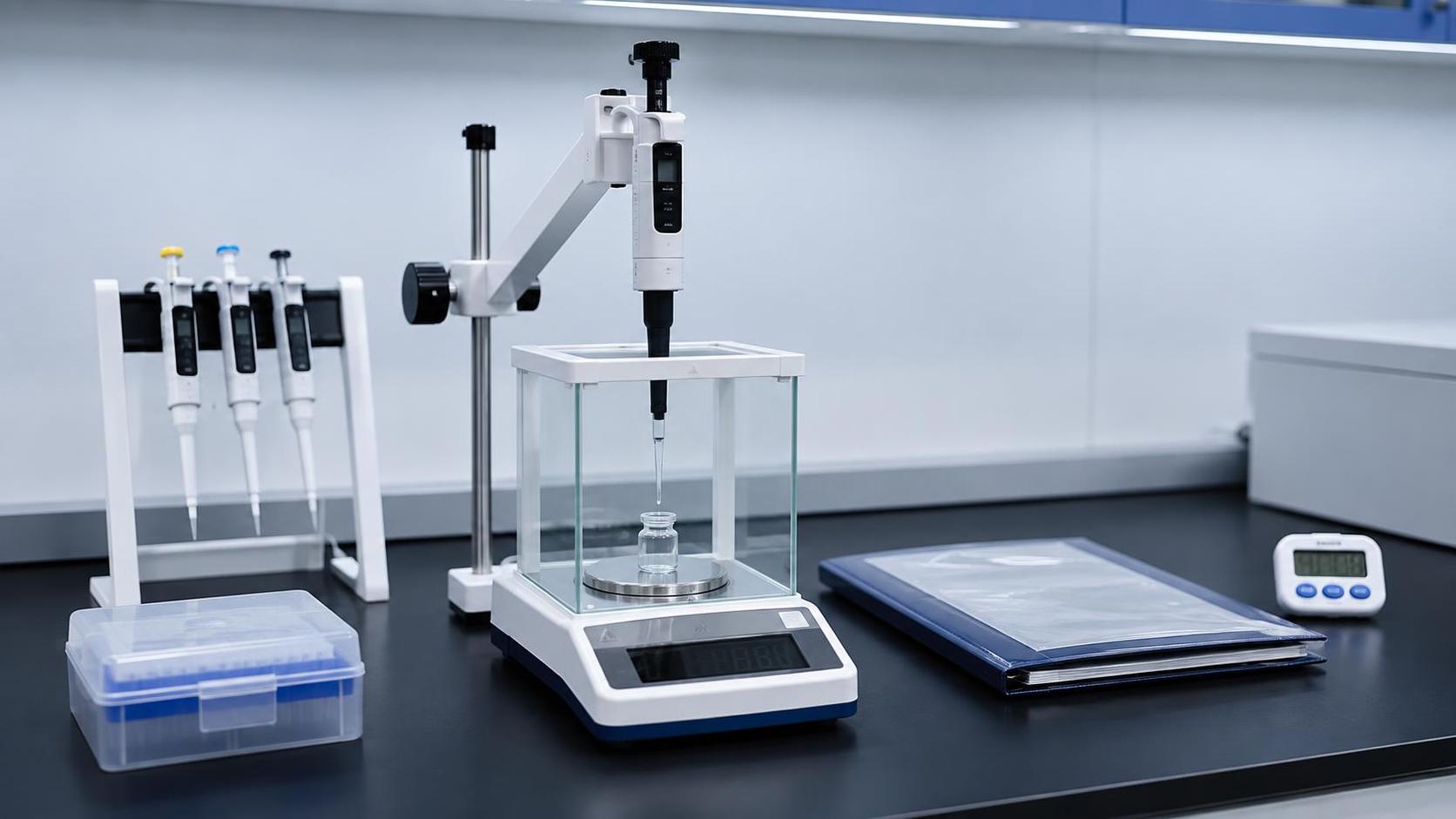
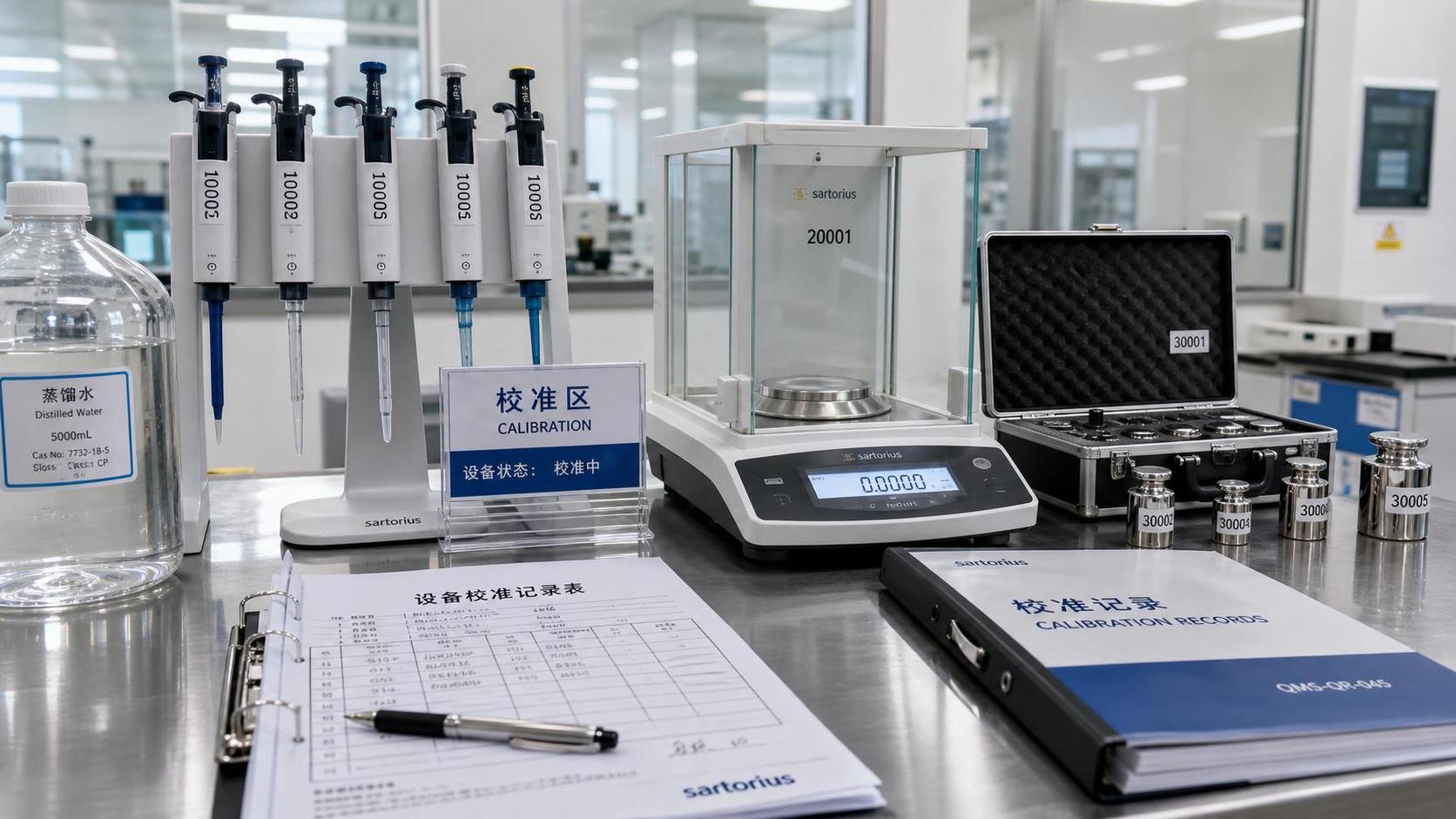
Calibration stability is often the most important aging characteristic. Initial conformity to accuracy and precision targets is necessary, but more valuable is the ability to hold those targets through repeated use, sterilization cycles where applicable, and environmental variation. Pipettes with robust piston alignment, high-quality springs, stable sealing materials, and low wear in adjustment mechanisms generally age better because they require fewer corrective interventions.
Chemical resistance
Many labs handle aggressive buffers, alcohols, volatile solvents, protein solutions, and cleaning agents. Chemical resistance is not an abstract benefit; it protects internal components from swelling, cracking, corrosion, and seal degradation. Wholesale multichannel pipettes built with chemically compatible plastics, fluoropolymer components, and corrosion-resistant metal assemblies are usually more resilient in mixed-use environments.
Ergonomic durability
Ergonomics must also age well. Some pipettes feel comfortable during a short evaluation but become burdensome under repetitive plate work. Lasting ergonomic quality includes low plunger force, predictable tip ejection force, balanced weight distribution, textured grip stability, and handle geometry that fits multiple users. These factors directly affect throughput, consistency, and injury risk.
Serviceable design
A serviceable design retains value because no precision instrument remains untouched forever. Readily accessible wear parts, clear maintenance documentation, traceable serial identification, and regional support all matter. For procurement teams evaluating wholesale multichannel pipettes, serviceability can determine whether an instrument remains in circulation for years or is replaced prematurely.
A practical overview of specs that tend to age well
Where long-lasting multichannel specifications create business value
The value of durable specifications becomes clearer when linked to operational outcomes. In assay development, stable pipetting reduces rework caused by edge effects, variable dosing, or inconsistent reagent addition. In quality-controlled environments, better-performing wholesale multichannel pipettes strengthen traceability and reduce the risk of audits uncovering avoidable calibration gaps. In centralized procurement, standardizing on platforms with interchangeable parts and repeatable service intervals simplifies fleet management.
There is also a workforce dimension. Tools that remain comfortable and predictable for diverse operators improve training transfer and reduce hidden variability. When multiple technicians rotate across workflows, robust channel alignment and tip sealing matter as much as nominal volume range. A pipette that ages well helps labs maintain consistency even when teams, protocols, or throughput demands change.
For organizations operating across R&D and scale-up functions, these benefits align with broader goals in fluidic precision and bioconsistent hardware. Reliable manual liquid handling still plays a critical role beside automation, especially in pilot studies, method adaptation, troubleshooting, and lower-volume validation tasks.
How application type changes the definition of “better aging”
Common evaluation mistakes when reviewing wholesale multichannel pipettes
One common mistake is treating all specifications as equal. In reality, certain figures are easy to advertise but less decisive in long-term use. For example, a broad nominal volume range can look attractive, yet if low-end performance is unstable or if tip sealing varies by channel, that flexibility may be less valuable than a narrower but more reliable range.
Another mistake is evaluating pipettes without considering the service ecosystem. Wholesale multichannel pipettes used in regulated or semi-regulated environments should be assessed alongside calibration support, replacement part availability, repair turnaround, and documentation quality. A technically sound product can become costly if local support is weak.
A third mistake is underweighting human factors. Procurement teams sometimes compare only certificates, list prices, and catalog features. Yet repetitive liquid handling exposes the operational significance of plunger smoothness, hand fit, and ejection effort. These influence both throughput and error rates, especially in labs with heavy 96-well or 384-well plate usage.
A structured assessment approach for business evaluators
A practical review framework begins with use-case mapping. Identify whether the primary need is assay screening, sample normalization, reagent dispensing, cell work, or QC repetition. Then separate must-have requirements from desirable extras. This prevents attractive but low-impact features from overshadowing core durability criteria.
Next, request evidence that reflects aging behavior rather than launch-condition performance. Useful inputs include calibration drift records, material specifications for seals and internal assemblies, compatibility with commonly used tip systems, and maintenance recommendations under realistic usage frequency. If possible, pilot testing should involve multiple operators and repeated cycles, not just a one-time bench demonstration.
Finally, translate technical findings into financial language. Compare anticipated recalibration frequency, spare part usage, replacement timelines, training effort, and service lead times. This helps decision-makers understand why better-built wholesale multichannel pipettes may produce lower lifecycle cost even when acquisition cost is higher.
What strong suppliers usually provide beyond the instrument itself
High-quality suppliers generally support the product with more than a datasheet. They provide transparent performance tolerances, service manuals or authorized service pathways, spare part continuity, and evidence of quality system alignment. In more sophisticated B2B environments, they may also support cross-site standardization, training resources, and benchmarking information relevant to ISO-, USP-, or GMP-conscious operations.
This broader support model is especially relevant when wholesale multichannel pipettes are purchased in quantity for distributed teams. Consistency across sites depends not just on the pipette design, but on the supplier’s ability to preserve configuration, documentation, and service quality over time.
Final perspective and next-step guidance
The wholesale market for multichannel pipettes is crowded, but long-term value is rarely hidden in the lowest quote. The specifications that age better are usually the ones tied to stable volumetric performance, resistant materials, operator sustainability, and maintainable construction. These characteristics support reproducibility today and adaptability tomorrow.
For business evaluators, the most reliable path is to judge wholesale multichannel pipettes as lifecycle assets rather than catalog items. When technical benchmarking includes calibration retention, chemical compatibility, ergonomic endurance, and service architecture, procurement decisions become more strategic and less reactive.
If your organization is aligning benchtop liquid handling with broader scale-up, compliance, or multi-site efficiency goals, start with a specification matrix built around aging performance. That approach will make supplier discussions sharper, internal approvals easier, and long-term lab operations more predictable.
Expert Insights

Chief Security Architect
Dr. Thorne specializes in the intersection of structural engineering and digital resilience. He has advised three G7 governments on industrial infrastructure security.
Related Analysis
Core Sector // 01
Security & Safety
- How to Verify Multichannel Pipette Calibration Across All Channels?Author :Lina Cloud

- ISO 8655 Pipette Calibration Compliance: Documentation, Intervals, and Audit ReadinessAuthor :Lina Cloud

- How Ergonomic Force Data Helps Labs Compare Pipette Cost and Injury RiskAuthor :Lina Cloud

- How to Evaluate a Mechanical Adjustable Pipette OEM for Accuracy and Batch ConsistencyAuthor :Lina Cloud

- Pipette Calibration for GMP Labs: Key Compliance Points and Audit-Ready PracticesAuthor :Lina Cloud

- How to Choose a Single Channel Electronic Pipette for Accuracy and Daily Lab WorkAuthor :Lina Cloud

- How to Choose an Autoclavable Positive Displacement Pipette for Sterile Viscous SamplesAuthor :Lina Cloud

- How to Choose Electronic Repeater Pipettes for High-Throughput Lab WorkAuthor :Lina Cloud