How to judge a Liquid handling systems manufacturer
Author
Date Published
Reading Time

Choosing the right Liquid handling systems manufacturer can directly affect accuracy, compliance, and long-term procurement value. In automated laboratories, fluid transfer errors can distort assay results, delay validation, and increase consumable waste. A structured evaluation helps separate marketing claims from measurable capability. It also supports better decisions across research, pilot, and production-linked environments where precision, traceability, and service continuity matter.
Why a checklist is necessary when judging a Liquid handling systems manufacturer
A checklist turns supplier review into a repeatable process. It prevents decisions based only on price, brand familiarity, or demonstration performance under ideal conditions.
For lab automation, hidden differences often appear in calibration stability, software architecture, contamination control, installation quality, and field support responsiveness. These factors define total ownership cost more than headline specifications.
A disciplined method is especially important when comparing a Liquid handling systems manufacturer across regulated workflows, multi-site standardization projects, and scale-up programs tied to bioprocessing or analytical validation.
Core checklist for evaluating a Liquid handling systems manufacturer
- Verify dispensing accuracy and precision across low, medium, and high volume ranges using documented performance data, not only brochure values or ideal water-based tests.
- Check compatibility with viscous liquids, volatile solvents, foaming samples, cell suspensions, and reagent-sensitive workflows that challenge standard pipetting behavior.
- Review calibration methods, drift control strategy, and service intervals to confirm the system can maintain repeatable performance between preventive maintenance visits.
- Assess software traceability, audit trail depth, user permissions, and data export options if the platform will support GMP, GLP, or validated records.
- Confirm deck flexibility, labware recognition, gripper integration, and modular expansion so the platform can adapt as throughput or assay complexity increases.
- Inspect contamination control features such as disposable tips, wash stations, aerosol management, and material compatibility for clean and reproducible transfer.
- Evaluate hardware robustness by reviewing motion system design, sensor redundancy, enclosure quality, and uptime evidence from comparable operating environments.
- Request evidence of installation qualification, operational qualification support, training structure, and documentation quality before approving the supplier shortlist.
- Measure service capability through spare parts availability, local engineering coverage, remote diagnostics, and response commitments written into support agreements.
- Compare total cost of ownership, including consumables, maintenance, software licensing, validation effort, downtime risk, and future reconfiguration expenses.
Technical performance should be proven under realistic conditions
A capable Liquid handling systems manufacturer should provide test data beyond distilled water at room temperature. Real workflows involve proteins, buffers, DMSO, ethanol, suspensions, and temperature-sensitive reagents.
Ask for coefficient of variation, systematic error, dead volume, carryover data, and recovery behavior for your actual liquid classes. Reliable suppliers can explain how mechanics, software, and consumables interact.
Regulatory readiness is more than a certificate list
Many buyers overvalue generic compliance statements. The better question is whether the Liquid handling systems manufacturer can support controlled deployment with validation packages, software records, and documented change management.
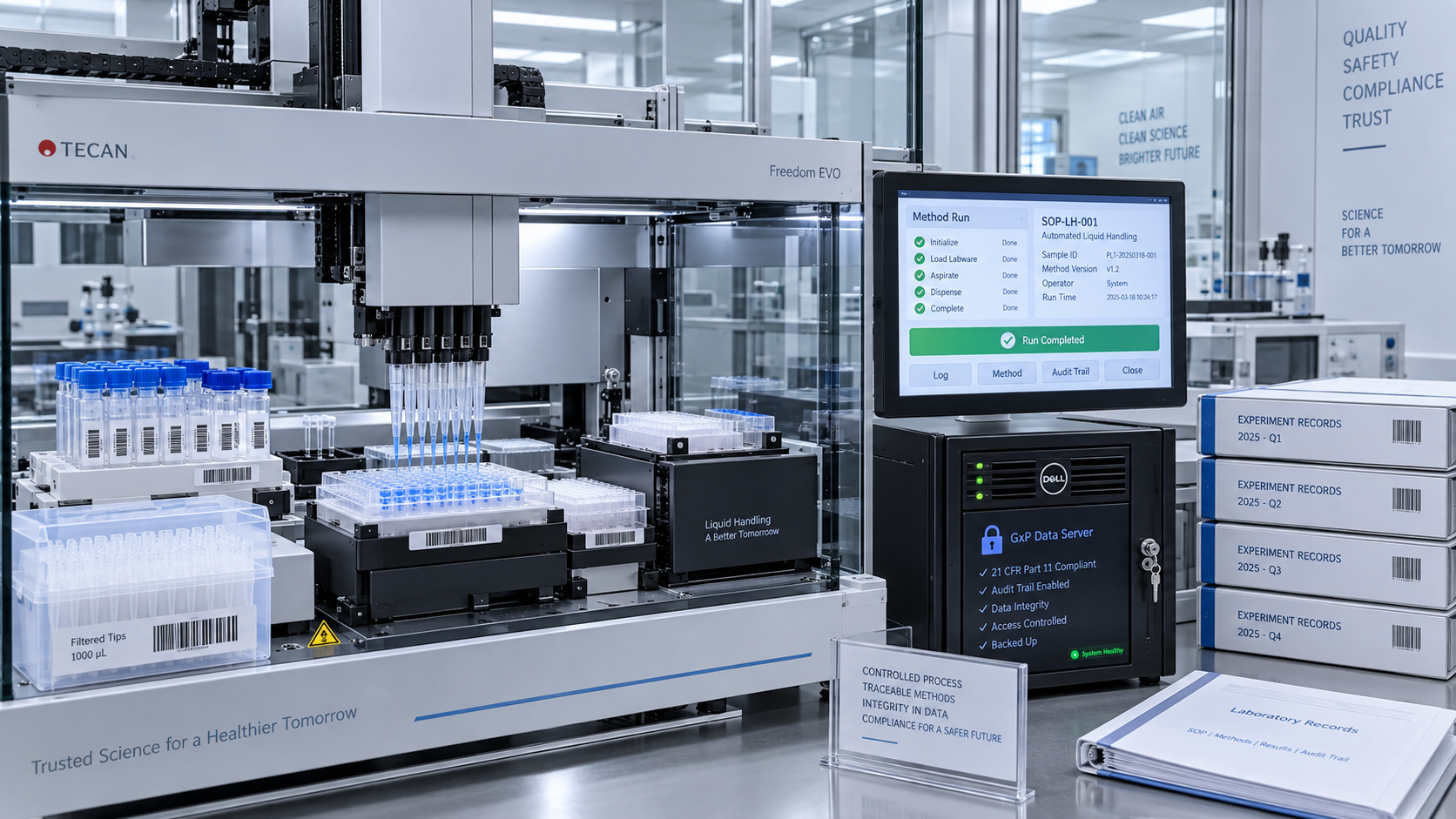
For highly controlled settings, review support for 21 CFR Part 11 aligned practices, electronic signatures where applicable, version control, and access logs. Weak software governance can undermine strong hardware.
How judgment criteria change by application scenario
High-throughput screening and assay development
Throughput matters, but repeatability matters more. In screening environments, microplate handling speed must not create edge effects, splashing, or inconsistent aspiration timing.
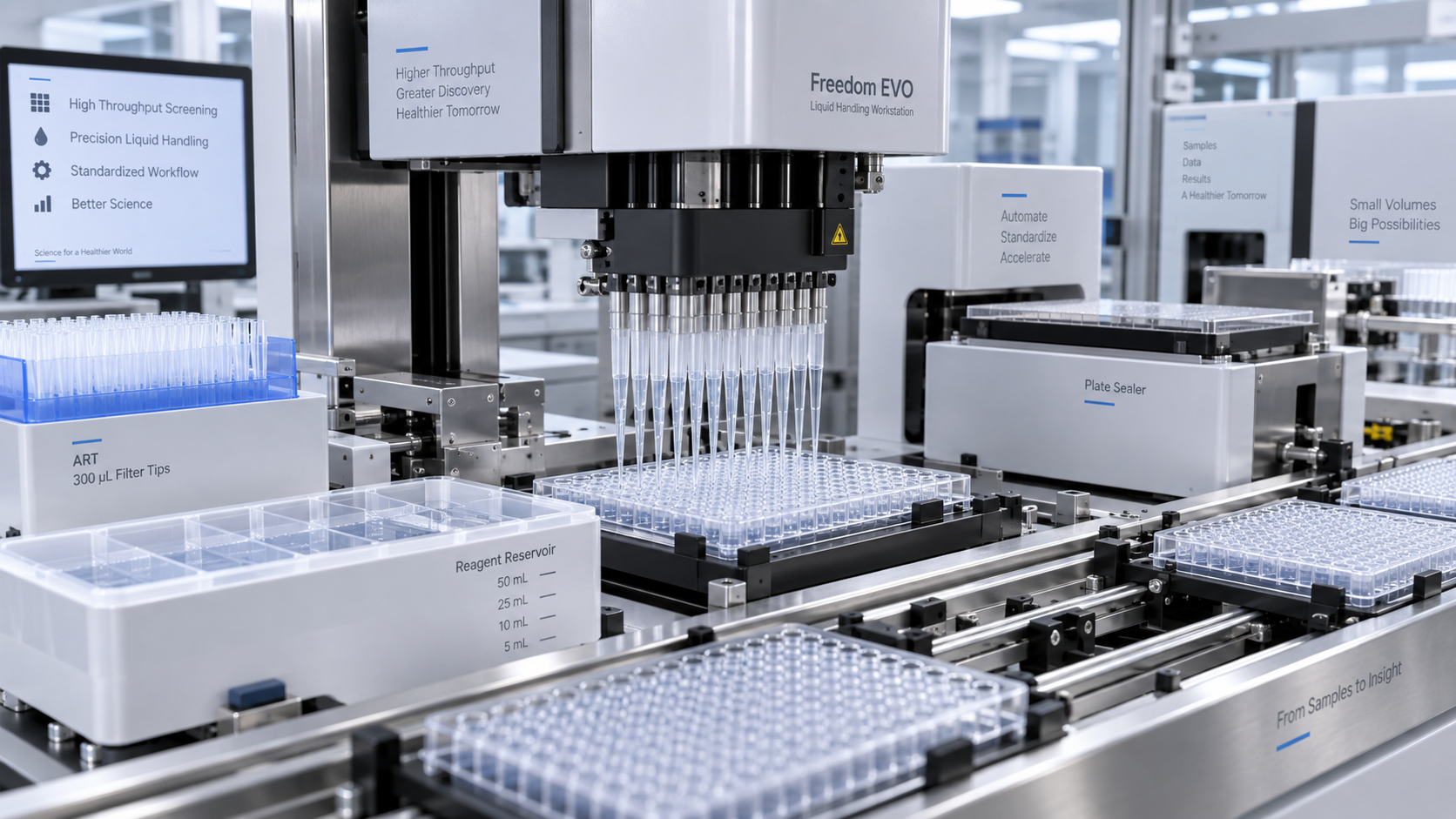
A Liquid handling systems manufacturer for screening work should demonstrate fast cycle times with stable z-axis control, reliable tip loading, and software templates that reduce programming errors across assay iterations.
Bioprocess development and cell-based workflows
Cell health introduces additional risk. Shear-sensitive media, suspension cultures, and fragile pellets require gentler transfer logic than standard reagent dispensing.
Here, the right Liquid handling systems manufacturer should show experience with low-shear aspiration, mixing control, sterility-focused accessories, and integration with incubators, readers, or bioreactor sampling routines.
Analytical preparation and regulated QC support
Analytical workflows often prioritize traceability, sample identity protection, and standardized method execution. Small inconsistencies can trigger out-of-specification investigations or repeat runs.
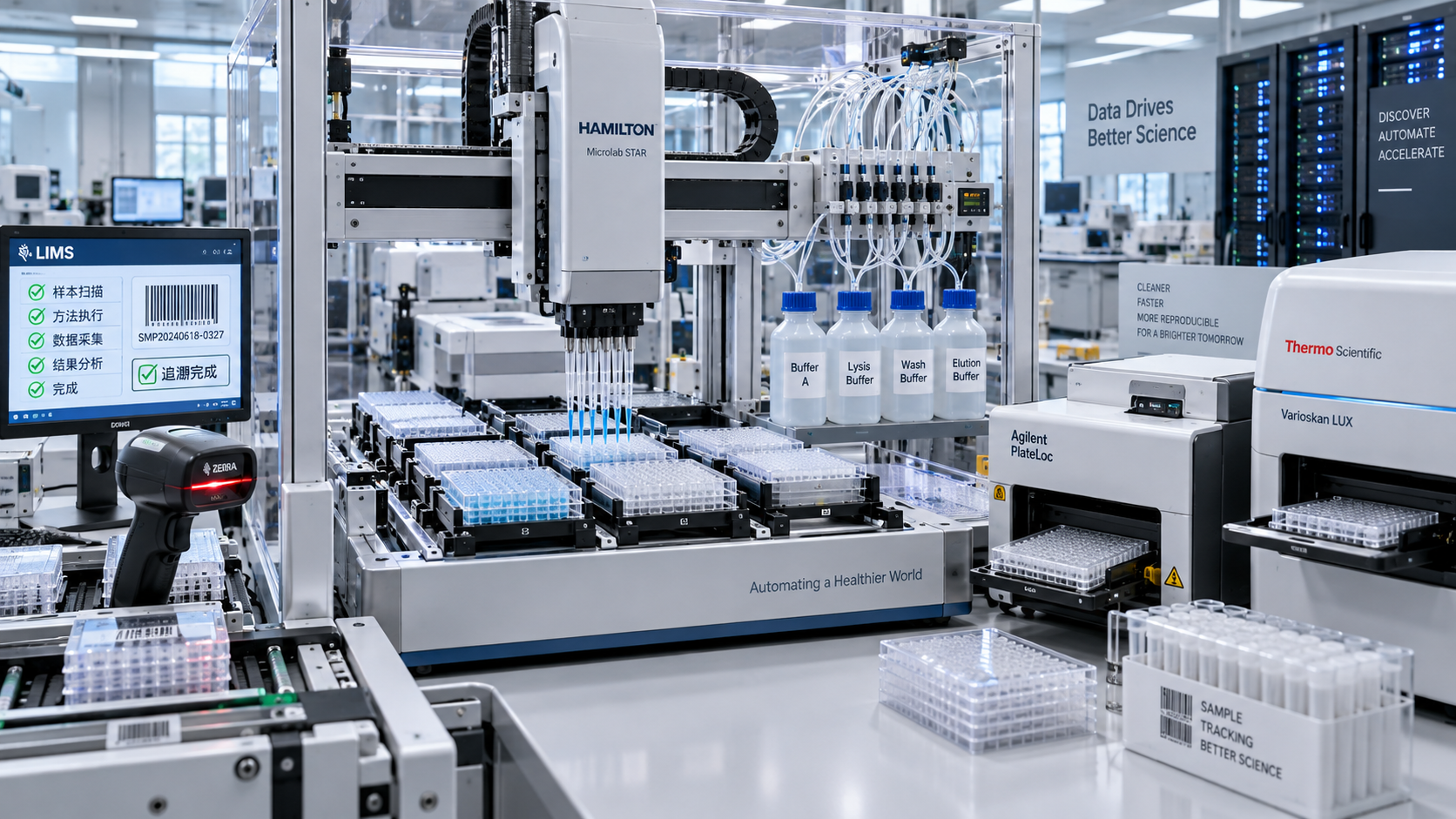
In this setting, a Liquid handling systems manufacturer should be evaluated on barcode handling, audit trail completeness, method locking, and documentation discipline as much as raw dispense precision.
Pilot-scale transfer and process intensification support
When benchtop automation informs scale-up, consistency across experiments becomes strategically important. The platform should support data quality that remains useful for later engineering interpretation.
A strong Liquid handling systems manufacturer in this context can align automation with broader fluidic precision goals, helping bridge development work and production-oriented process understanding.
Commonly overlooked risks when comparing suppliers
Consumables lock-in
Some systems perform well only with proprietary tips, reservoirs, or cartridges. This can increase recurring cost and create supply chain exposure during urgent project demand.
Weak onboarding and application support
A demonstration can hide the learning curve. If application training is shallow, internal teams may underuse the system or build unreliable methods that require later correction.
Limited upgrade path
An entry-level platform may look economical, yet become restrictive when throughput rises or integrations expand. Expansion limits can force premature replacement rather than staged growth.
Service dependence on distant regions
If engineers, spare parts, or software support are centralized overseas, minor failures can create long downtime windows. This risk deserves explicit scoring during supplier comparison.
Poor fit between software and enterprise systems
Even a precise instrument can become inefficient if it cannot exchange data with LIMS, MES, or internal reporting tools. Integration friction often appears only after purchase.
Practical steps to judge a Liquid handling systems manufacturer more effectively
- Build a weighted scorecard covering precision, compliance support, software, service, consumables, integration, and lifecycle cost before vendor meetings begin.
- Run a site-specific proof of performance using your own labware, liquids, environmental conditions, and acceptance thresholds rather than supplier defaults.
- Request references from comparable applications, especially where the system operates under similar throughput, regulatory, or fluid complexity requirements.
- Review support contracts in detail, including response time, preventive maintenance scope, software updates, and replacement part delivery commitments.
- Document future state requirements for three to five years so the selected platform can accommodate scaling, method transfer, and workflow automation expansion.
Conclusion: choose a Liquid handling systems manufacturer with measurable depth
The best Liquid handling systems manufacturer is not simply the one with the fastest demo or the lowest initial quotation. The right choice combines fluidic precision, application fit, compliance support, scalable architecture, and dependable service.
Use a structured checklist, validate claims with real samples, and compare lifecycle value rather than purchase price alone. That approach improves confidence in system performance and protects long-term operational continuity.
As a next step, create a short evaluation matrix, define pass-fail criteria, and test each Liquid handling systems manufacturer against the same technical and support benchmarks. Consistent evaluation leads to stronger automation decisions.
Expert Insights

Chief Security Architect
Dr. Thorne specializes in the intersection of structural engineering and digital resilience. He has advised three G7 governments on industrial infrastructure security.
Related Analysis
Core Sector // 01
Security & Safety
- Testing Dilution Factor Precision and Repeatability in Automated Liquid HandlingAuthor :Lina Cloud

- How to Assess a European Liquid Handling Software Supplier for Lab AutomationAuthor :Lina Cloud

- Pipette Tip Fit for Automation: Checking Deck, Gripper, and Seal CompatibilityAuthor :Lina Cloud

- How to Evaluate an Automated Sample Dilutor Factory for Traceable Lab WorkflowsAuthor :Lina Cloud

- What Drives Liquid Handling Software Costs in Automated Laboratory Workflows?Author :Lina Cloud

- What to Verify in Validated Liquid Handling Software for GxP WorkflowsAuthor :Lina Cloud

- Selecting Automated Liquid Handling Systems for High-Throughput AssaysAuthor :Lina Cloud

- How to Validate Lab Automation Standards for Reliable, Compliant WorkflowsAuthor :Lina Cloud