Fluidic-Precision Limits in Low-Volume Transfer Workflows
Author
Date Published
Reading Time

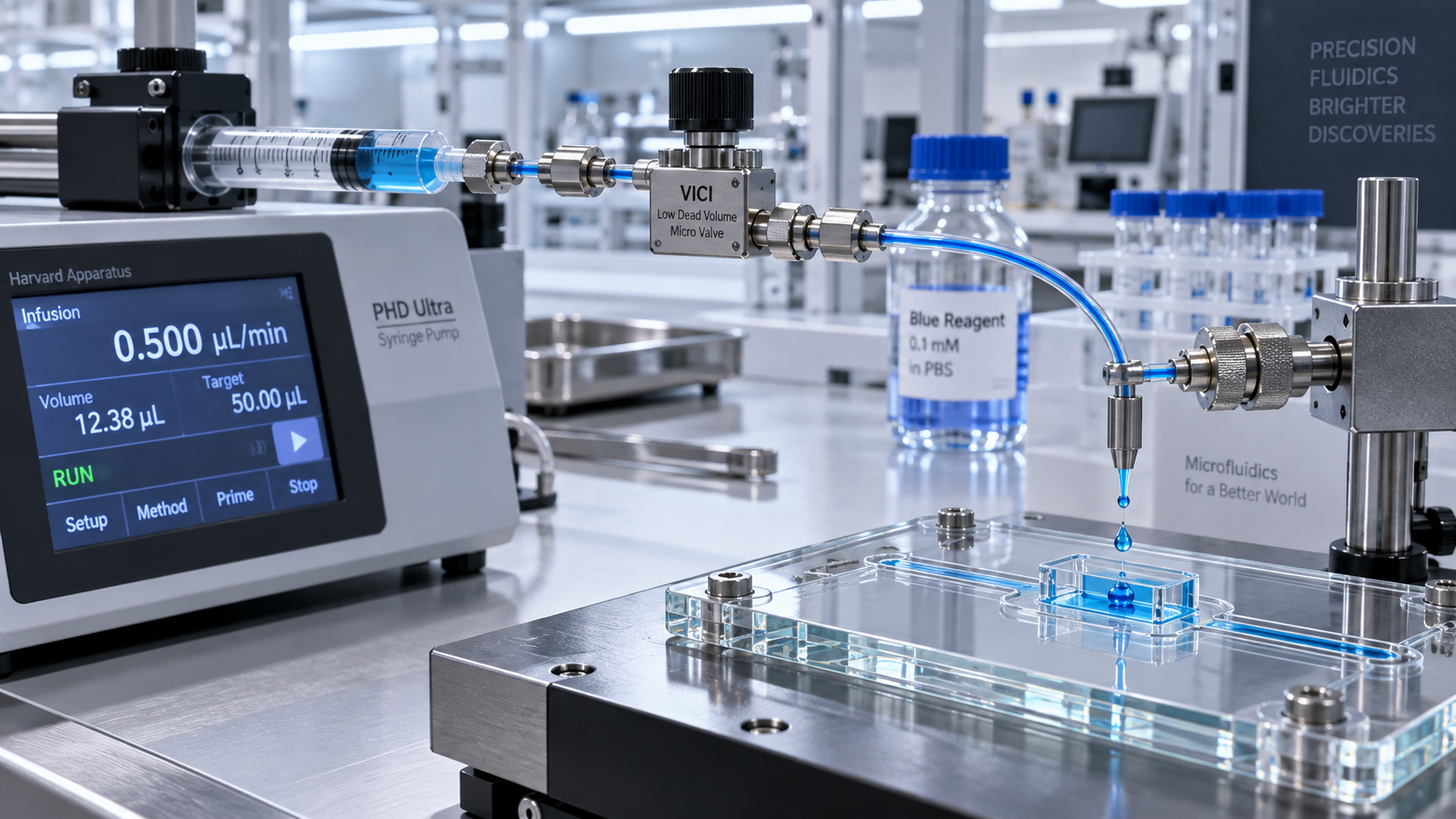
As Lab-Scale Production accelerates the R&D-to-Production Transition, Fluidic-Precision becomes the defining factor in low-volume transfer workflows. From Sub-Microliter Precision Dispensers to ISO Standards-driven validation, decision-makers in Bioprocess Engineering must balance accuracy, compliance, and scale-up readiness. This introduction explores where transfer limits emerge, how hardware design shapes consistency, and why these constraints matter across regulated, high-stakes production environments.
In pharmaceutical, chemical, and advanced life science settings, low-volume transfer is rarely a simple pipetting task. It is a control point that influences assay reproducibility, batch comparability, material yield, contamination exposure, and downstream regulatory confidence. When transfer volumes fall into the 0.1 µL to 1,000 µL range, small deviations can create disproportionately large process effects.
For information researchers, procurement specialists, quality managers, and project leaders, the real question is not whether precision matters, but where fluidic-precision limits begin to constrain scale-up, documentation, and operational efficiency. Understanding those limits helps teams specify the right hardware, validation protocol, and maintenance strategy before hidden variability becomes a production risk.
Where Fluidic-Precision Limits Actually Emerge
Low-volume transfer workflows typically fail at interfaces rather than at headline specifications. A dispenser may be rated for ±1% accuracy at 10 µL, yet the delivered result can drift when fluid viscosity changes, ambient temperature moves by 3–5°C, or tubing compliance increases after repeated sterilization cycles. In practice, transfer limits emerge from the combined behavior of fluid, path geometry, actuation method, and operator control.
This is especially relevant in batch-to-continuous environments, where even a 0.5 µL deviation repeated across 10,000 cycles can alter reagent ratios, impact cell viability, or shift reaction kinetics. In biologics and high-value chemical synthesis, low-volume error is not simply a metrology issue. It becomes a process capability issue tied to yield, release consistency, and deviation management.
For B2B buyers evaluating automated pipetting, microfluidic devices, or precision transfer modules, the first step is to separate brochure performance from in-process performance. Dead volume, bubble formation, nozzle wetting, pulsation, and cleaning residue often define operational limits long before the nominal resolution of a pump or dispenser becomes the bottleneck.
Four Common Limit Sources in Low-Volume Transfer
- Fluid-property mismatch: aqueous buffers, solvents, suspensions, and protein-rich media behave differently at sub-microliter and microliter scales.
- Mechanical compliance: flexible tubing, seal fatigue, and actuator backlash can reduce repeatability after 100,000 to 500,000 dispensing cycles.
- Environmental variation: humidity, evaporation, and temperature shifts can distort open-well and exposed-tip transfers within minutes.
- Validation gap: systems tested with water at room temperature may underperform with viscous or shear-sensitive process fluids.
The table below summarizes where transfer limits most often appear in lab-scale and pilot-adjacent workflows, and how decision-makers should interpret them during technical evaluation.
A key takeaway is that low-volume transfer limits are multidimensional. Procurement teams should not accept a single accuracy figure as sufficient proof of suitability. Instead, they should request test conditions, fluid assumptions, cycle-life expectations, and cleaning constraints that reflect the actual production environment.
How Hardware Architecture Shapes Transfer Consistency
Hardware architecture has a direct effect on fluidic-precision, especially when low transfer volumes must remain stable across multiple shifts, operators, and product campaigns. The core design choices include pump type, wetted materials, valve geometry, tubing length, sensor integration, and whether the system uses disposable fluid paths or reusable manifolds.
In regulated settings, bioconsistency matters as much as nominal precision. A system that performs well with water but introduces adsorption, foaming, or shear with protein solutions may pass bench tests yet fail during process translation. This is why Lab Directors and Bioprocess Engineers increasingly evaluate transfer hardware as part of a larger architecture of micro-efficiency rather than as a standalone instrument purchase.
Single-use components can reduce cross-contamination and shorten changeover time by 20–40% in some workflows, but they may also introduce dimensional tolerances that affect repeatability. Reusable stainless or glass contact paths offer stronger mechanical consistency, though they require validated cleaning, residue control, and longer maintenance windows. The optimal choice depends on fluid value, cleaning validation cost, and campaign frequency.
Key Design Variables Buyers Should Review
Dispensing Mechanism
Positive displacement systems are often preferred for viscous or volatile fluids because they provide better isolation from fluid-property shifts. Air displacement is common in analytical settings, but it can become less stable below 2 µL or under temperature fluctuation. Pressure-driven microfluidic systems may offer fine control, yet they require strong process understanding and back-pressure management.
Wetted Path and Surface Behavior
Surface energy, internal roughness, and seal materials influence droplet retention and carryover. At low volumes, a retained film of only a few nanoliters can materially affect concentration. This is particularly important in personalized therapeutics, potent compounds, and high-cost biologic media, where reagent losses quickly accumulate over 50 to 200 daily transfers.
Integrated Sensing and Feedback
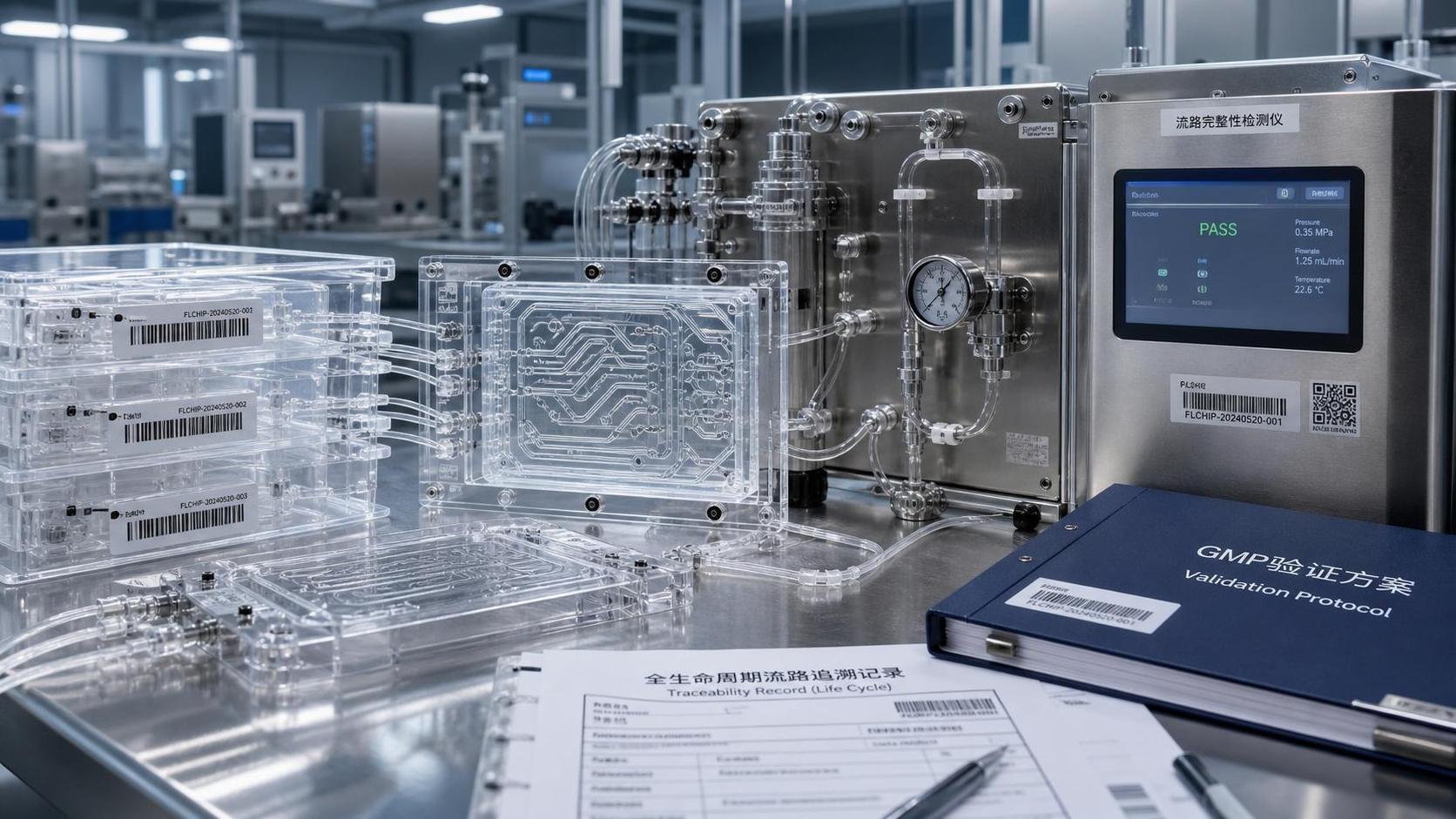
Hardware with pressure, flow, or aspiration monitoring can detect blockage, bubble entry, and incomplete dispense events in real time. While these features increase system cost, they often reduce deviation investigations and unplanned downtime. For projects moving from development to GMP-aligned environments, sensor-supported traceability is frequently worth the investment.
The following comparison helps teams align hardware architecture with process requirements instead of selecting equipment based on volume range alone.
The most resilient procurement decisions link architecture to transfer risk. Teams should ask whether the system remains stable across the actual fluid set, expected shift pattern, and cleaning model. This approach is more effective than comparing instruments only by speed, headline throughput, or entry price.
Validation, Standards, and Quality Control in Regulated Workflows
Low-volume transfer workflows in pharma and chemical environments must be validated as systems, not just instruments. Accuracy, precision, traceability, and cleaning suitability need to be demonstrated under defined conditions, often using multiple fluid types and at least 3 performance levels such as low, nominal, and high volume points. A single-point water test is rarely enough for robust quality assurance.
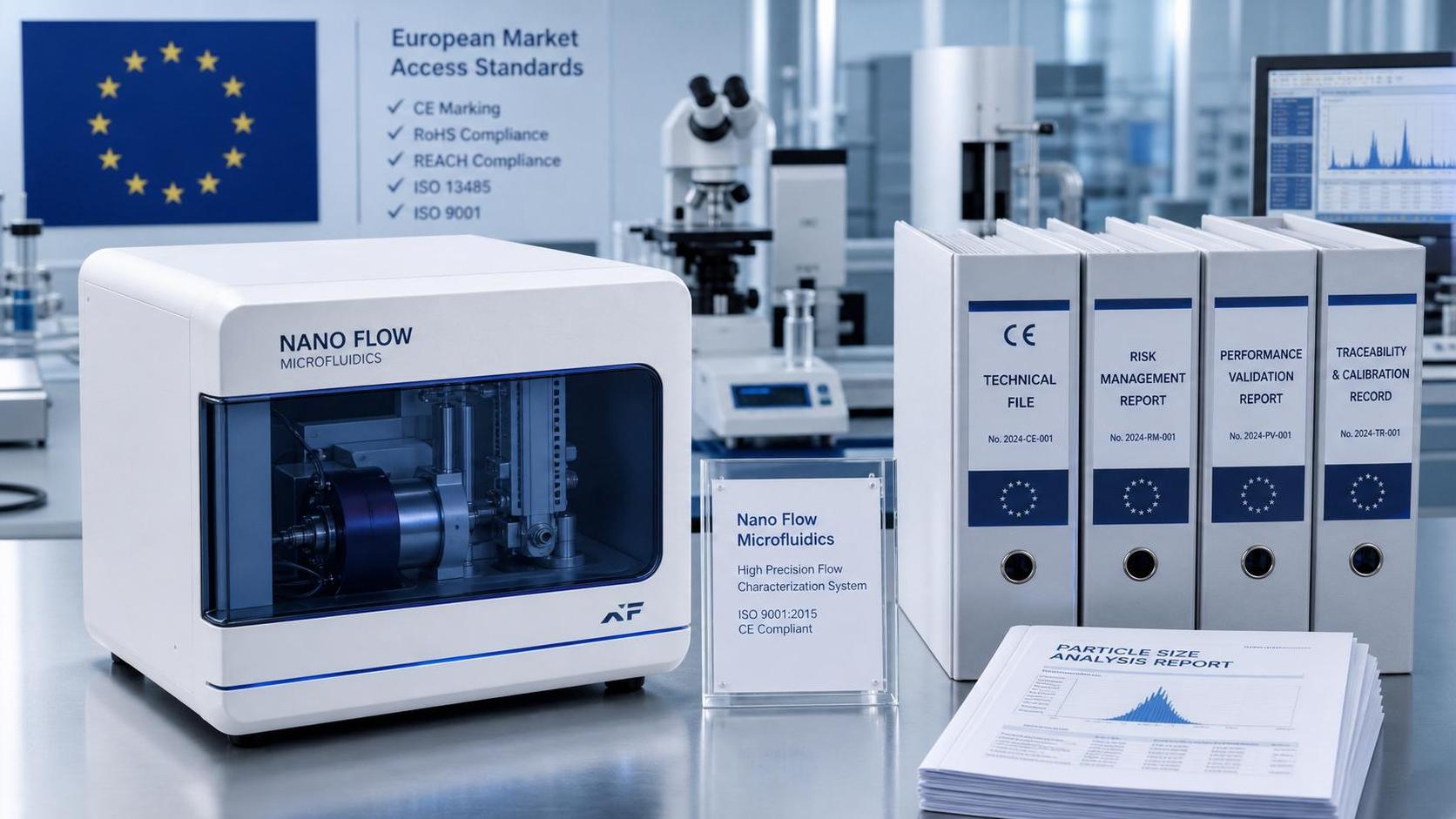
Standards-driven evaluation typically references ISO-oriented metrology practices, USP-aligned laboratory expectations, and GMP documentation discipline. The practical requirement is straightforward: teams need evidence that the transfer event remains within an acceptable range over time. For many low-volume workflows, that means reviewing repeatability, linearity, drift, and environmental sensitivity over a validation window of 1 day, 7 days, and a periodic requalification cycle.
Quality managers should define acceptance criteria by process impact, not by generic device capability alone. For example, a ±2% deviation may be manageable in some buffer preparation steps but unacceptable in cell therapy dosing or catalyst addition where reaction response is nonlinear. Project leaders should therefore link metrology thresholds directly to critical quality attributes and process criticality.
A Practical 5-Step Validation Framework
- Define volume bands, such as 0.5–2 µL, 2–20 µL, and 20–200 µL, based on actual use cases.
- Test with representative fluids, including at least one aqueous medium and one process-relevant viscous or sensitive fluid.
- Measure repeatability over short runs and extended runs, for example 30 cycles and 1,000 cycles.
- Document environmental conditions, operator influence, and maintenance status during testing.
- Set requalification intervals, such as monthly, quarterly, or by cycle count, depending on process criticality.
The table below can be used as a working reference for validation planning and internal quality review during system qualification or vendor comparison.
The main conclusion is that compliant low-volume transfer is not achieved by calibration alone. It depends on a complete evidence trail that connects equipment performance, fluid behavior, environmental context, and risk-based quality thresholds.
Procurement Criteria for Scale-Up Ready Transfer Systems
Business evaluation teams often face a difficult trade-off: purchase a lower-cost liquid handling solution for immediate lab needs, or invest in a more robust platform that supports later process scale-up and regulated deployment. In low-volume transfer workflows, short-term savings can disappear quickly if the selected platform cannot maintain fluidic-precision under changing process conditions.
A scale-up ready system should be assessed across at least 4 dimensions: metrology performance, integration potential, validation burden, and lifecycle serviceability. This applies whether the buyer is sourcing a precision microfluidic device, a benchtop reactor feed module, or an automated pipetting system intended to bridge development and pilot manufacturing.
Procurement officers should also look beyond instrument price to include consumables, calibration intervals, spare parts availability, software traceability, and expected operator training time. A platform with a 2-week lead time but frequent recalibration may be less economical than one with a 6–8 week delivery cycle and stronger long-term stability.
Recommended Evaluation Checklist
- Specify the true operating volume range, not just the occasional minimum target.
- Verify fluid compatibility with solvents, buffers, proteins, suspensions, or corrosive reagents.
- Review dead volume, changeover procedure, and cleaning or disposal model.
- Confirm whether audit trails, sensor alarms, and calibration records support quality review.
- Estimate service demand over 12 months, including seals, valves, tips, and validation support.
The matrix below is useful for internal comparison when multiple vendors or architectures are under review for the same low-volume transfer application.
For enterprise decision-makers, the strongest purchasing logic is often continuity. A system that supports benchmarkable fluidic-precision from benchtop studies through pilot validation reduces rework, retraining, and technical debt during later transfer stages.
Implementation Risks, Common Mistakes, and FAQ
Even well-specified systems can underperform if implementation is rushed. Many low-volume transfer problems arise after installation, when teams scale the same hardware across new fluids, new operators, or longer operating windows. The most common mistakes include calibrating only with water, underestimating dead volume, ignoring tubing replacement intervals, and treating preventive maintenance as optional.
A disciplined rollout usually includes 3 phases: factory acceptance or vendor-side demonstration, site qualification with process-relevant fluids, and operational monitoring over the first 30–90 days. This staged approach helps capture startup drift, user-dependent handling issues, and cleaning deviations before they affect project milestones or release-critical data.
For project managers and quality leaders, low-volume transfer should be governed like any other critical process interface. That means assigning owners, defining alarm limits, documenting interventions, and linking maintenance activity to performance review rather than relying on reactive troubleshooting alone.
Common Risk Signals to Watch
- Repeatability worsens after several hundred cycles, indicating wear, seal fatigue, or fluid-path instability.
- Transfer time gradually increases, often suggesting partial blockage or pressure loss.
- Operators compensate manually for missed doses, creating undocumented variability.
- Cleaning steps increase but residue checks do not, raising carryover risk in multiproduct workflows.
How should teams choose a system for sub-microliter work?
Focus on demonstrated performance below 1 µL using process-relevant fluids, not just nominal minimum volume. Review droplet control, tip wetting behavior, environmental sensitivity, and the number of stable cycles. If the workflow is highly regulated, sensor feedback and documented calibration routines are usually worth prioritizing.
What is a reasonable requalification interval?
That depends on criticality and usage intensity. In many B2B lab-scale workflows, monthly or quarterly checks are common, while high-use systems may require verification by cycle count. A practical trigger can be every 10,000 to 50,000 dispense events, after maintenance, or when fluids change significantly.
Which metric matters more: accuracy or repeatability?
Both matter, but repeatability often drives day-to-day process control. A system can be adjusted for bias if the variation is stable, but a system with inconsistent cycle-to-cycle behavior is much harder to manage. Quality teams should evaluate both metrics at target volumes and across realistic operating durations.
How long does implementation usually take?
For many platforms, basic installation and user training may fit within 1–2 weeks, but full qualification with fluid testing, SOP alignment, and documentation often extends to 3–6 weeks. Complex integrations with automation, MES, or controlled production environments can take longer depending on site validation requirements.
Fluidic-precision limits in low-volume transfer workflows are not isolated technical details. They influence reproducibility, compliance, material efficiency, and the confidence of every stakeholder involved in the R&D-to-Production Transition. By evaluating hardware architecture, validation depth, lifecycle cost, and scale-up readiness together, organizations can reduce hidden variability and make more defensible investment decisions. To assess suitable benchmark pathways, compare transfer technologies, or discuss a tailored low-volume workflow strategy, contact G-LSP to explore a solution aligned with your process, quality, and procurement priorities.
Expert Insights

Chief Security Architect
Dr. Thorne specializes in the intersection of structural engineering and digital resilience. He has advised three G7 governments on industrial infrastructure security.
Related Analysis
Core Sector // 01
Security & Safety
- How to Specify Fluidic Precision Components for Reliable Low-Volume DosingAuthor :Dr. Aris Nano

- FDA Extends GMP Traceability to Nano Flow DevicesAuthor :Dr. Aris Nano

- EU Tightens CE File Rules for Nano Flow DevicesAuthor :Dr. Aris Nano

- ECHA Revisits REACH Exemption for Nano Flow DevicesAuthor :Dr. Aris Nano

- ECHA Update Puts Nano Flow Components Under New SVHC Disclosure RuleAuthor :Dr. Aris Nano

- ISO Issues ISO/TS 23572:2026 for Nano-Flow TestingAuthor :Dr. Aris Nano

- ISO Issues Nano Flow Test Spec for CE ComplianceAuthor :Dr. Aris Nano
![]()
- EU REACH Adds Nano Flow SCIP Filing RuleAuthor :Dr. Aris Nano