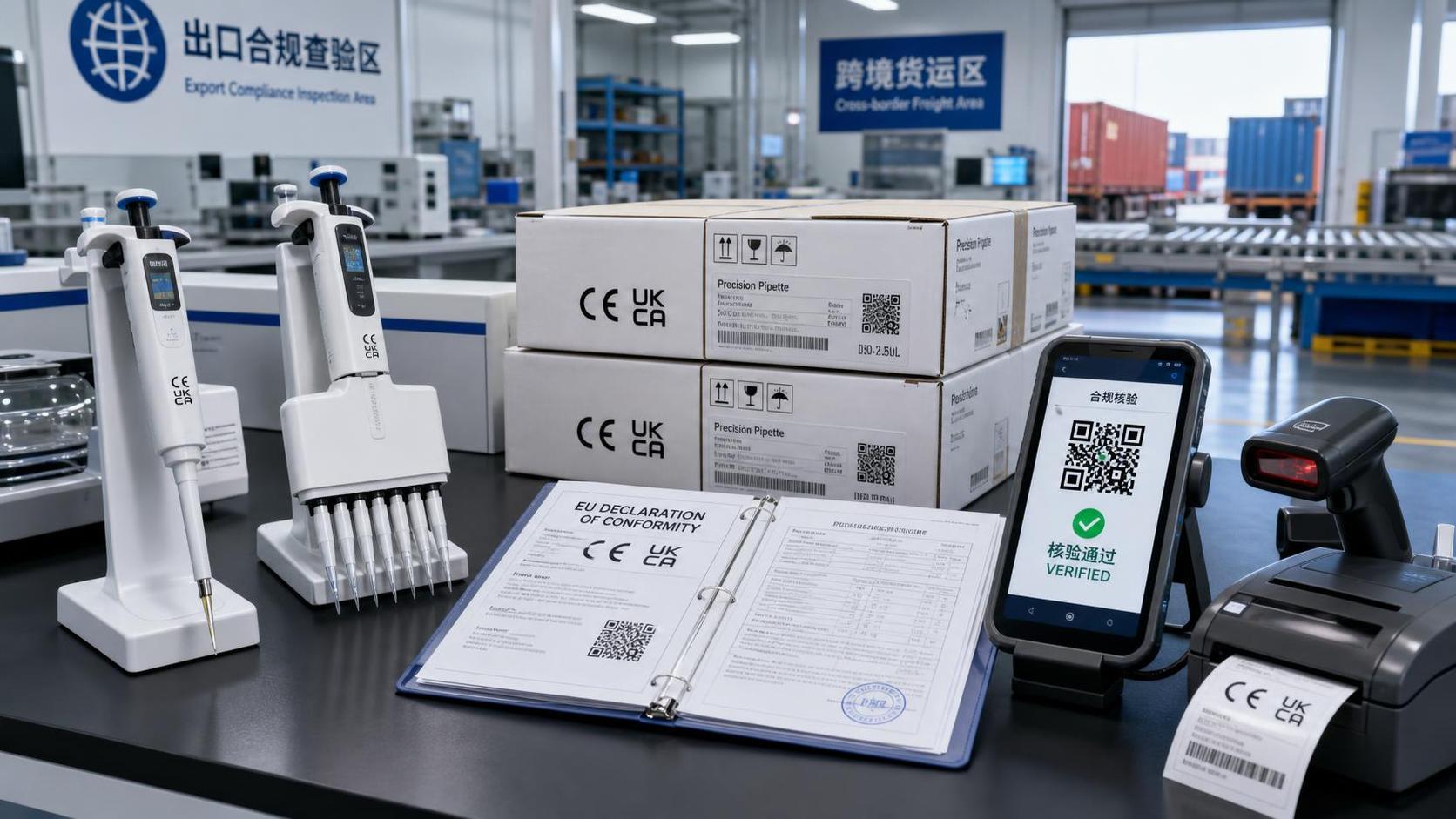
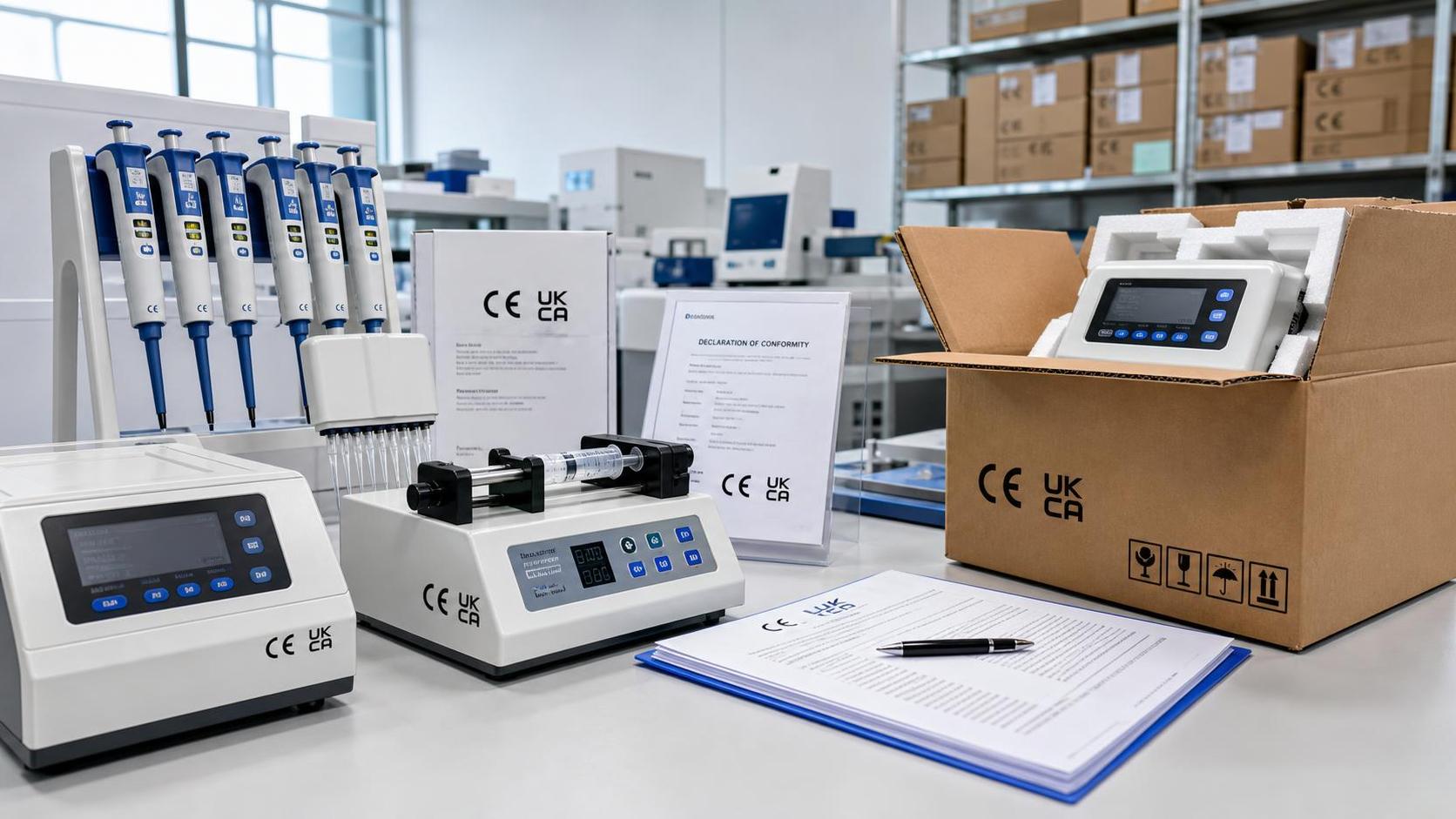
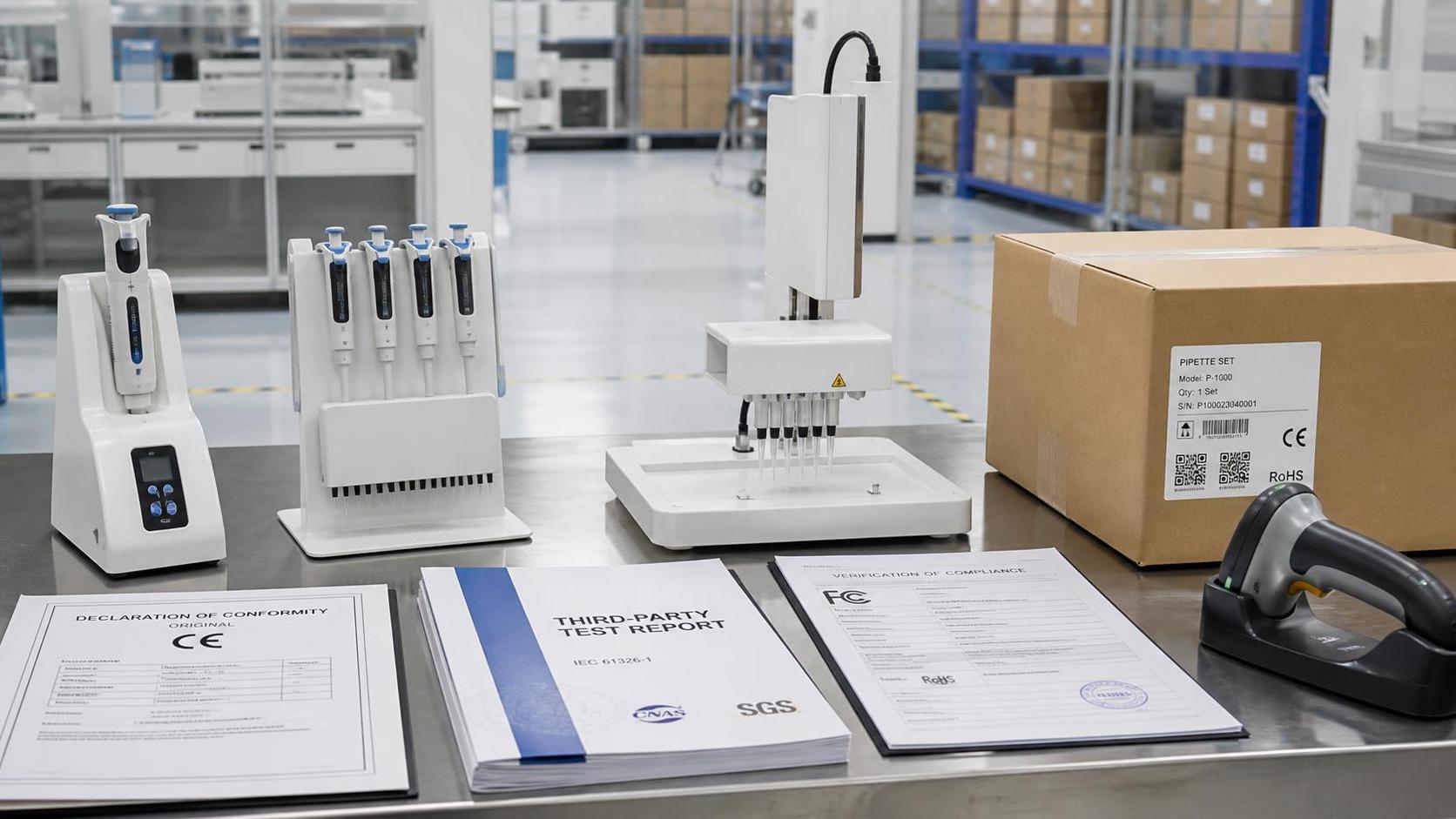
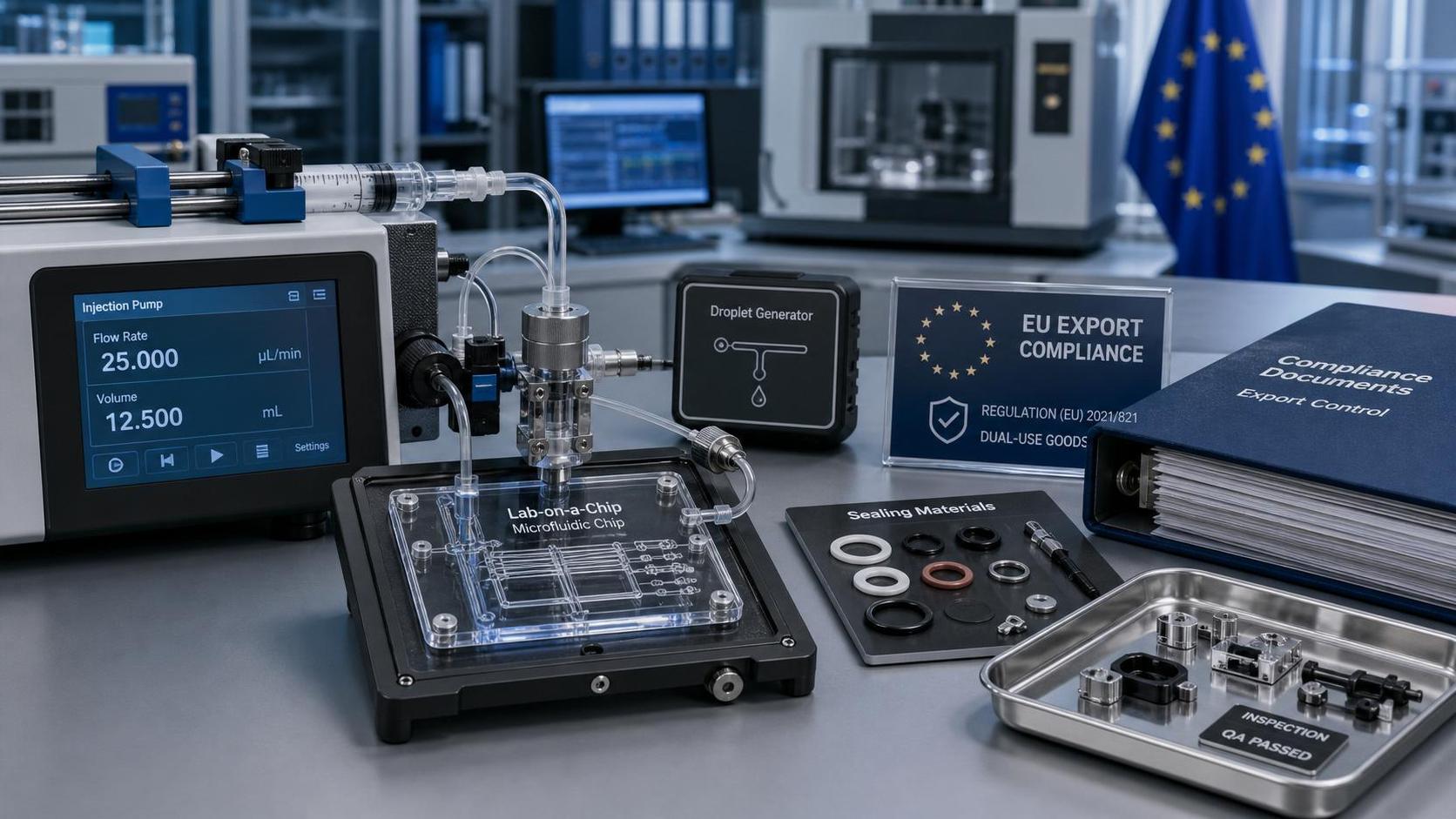
ACE F865 Blocks Syringe Pump Entries Without FDA Link
Author
Date Published
Reading Time

From June 2, 2026, the U.S. Automated Commercial Environment (ACE) formally activated error code F865 for Syringe Pumps, creating a new compliance checkpoint for import declarations. According to the disclosed information, shipments will be automatically blocked if the product has not been listed in the FDA device registration database (FURLS) and linked to the importer or broker account. This development is particularly relevant to syringe pump exporters, U.S. importers, customs brokers, and cross-border medical device supply chain participants because it turns registration consistency into a direct customs clearance condition.
Event Overview
As of June 2, 2026, the U.S. ACE system has officially enabled customs error code F865 for Syringe Pumps. The published information indicates that if a Syringe Pump is not listed in the FDA device registration database, FURLS, and tied to the importer or agent account, the system will automatically stop customs clearance.
The same information also makes clear that Chinese exporters must ensure their FDA registration status remains valid in real time and fully matches the declaration details used by the U.S. importer. At the current stage, the confirmed facts are limited to the activation date, the applicable product category, the system error code, and the requirement that FDA registration listing and account linkage must be in place for import filing.
Which Industry Segments Are Affected
Direct export trading companies
Direct exporters of Syringe Pumps are the most immediately affected because customs clearance risk is now tied not only to shipment filing, but also to whether FDA registration records are properly listed and linked. The impact is likely to appear in shipment scheduling, document verification, and communication with U.S. buyers. From an industry perspective, even where goods are ready for delivery, mismatched registration information could become a point of interruption at entry.
Manufacturers of Syringe Pumps
Manufacturers are affected because the disclosed requirement focuses on product listing status in the FDA registration database and its linkage to importer or agent accounts. This means production-side companies cannot treat regulatory registration as separate from export execution. Analysis shows the main effect falls on internal coordination between regulatory, export documentation, and customer account information, especially where shipments depend on U.S. importer declarations being fully aligned with existing FDA records.
U.S. importers and customs brokers
Importers and brokers are directly exposed to operational disruption because ACE will automatically intercept entries if the required FDA listing and account linkage are missing. The impact is likely to be seen in pre-entry review workload, filing accuracy requirements, and the need to verify whether declared importer or agent information matches the linked records in FURLS. Observably, this is not only a documentation matter but a filing readiness issue at the clearance stage.
Supply chain and compliance service providers
Logistics coordinators, regulatory consultants, and customs support providers may also face increased pressure because shipment release now depends on a more precise alignment between product registration records and importer-side filing information. Current attention should focus on whether clients have established a workable pre-shipment verification process. The likely impact is a greater need for account matching checks, document consistency reviews, and communication planning before cargo arrives.
What Companies and Practitioners Should Watch and How to Respond Now
Verify whether FDA listing status and importer linkage are already in place
Companies involved in Syringe Pump exports should first confirm whether the relevant product has been completed in the FDA device registration database and whether that listing is linked to the importer or broker account used for the U.S. declaration. More appropriately understood, this is the most immediate checkpoint because the disclosed enforcement mechanism is an automatic ACE interception.
Check consistency between registration records and declaration information
Chinese exporters and U.S. import partners should compare core filing details used in shipment declarations against the corresponding FDA registration records. Analysis shows that the practical risk is not limited to having a registration on file; inconsistency between registration information and importer-side declaration details may become the actual trigger for entry disruption.
Strengthen pre-shipment coordination with importers and brokers
Before goods move, exporters should communicate with the U.S. importer or customs broker on the exact account information being used for entry filing. Current attention should focus on distinguishing policy wording from operational execution: the disclosed change has already taken the form of a system rule in ACE, so pre-clearance coordination is more practical than post-interception correction.
Continue monitoring official follow-up clarification
Observably, the current public information identifies the activation of F865 and the clearance-blocking condition, but market participants should continue tracking any additional official wording related to filing scope, account linkage interpretation, or implementation details. This is especially important for companies handling repeated shipments, multiple importer relationships, or agent-based declaration arrangements.
Editorial View / Industry Observation
From an industry perspective, this update currently signals that compliance alignment for Syringe Pump imports into the United States is being enforced more directly through the customs system rather than remaining only a background regulatory requirement. Analysis shows it should not be viewed as a general policy discussion alone, because the use of a live ACE error code means the rule has already entered operational processing.
At the same time, it is more appropriate to understand this development as both a concrete implementation change and a broader compliance signal. The concrete part is the automatic clearance block tied to F865. The broader signal is that product registration validity and importer-side filing consistency are becoming inseparable in cross-border execution for the covered product category. That is why the industry needs continued attention, especially where export, registration, and customs functions are handled by different teams or external partners.
In summary, the activation of ACE error code F865 for Syringe Pumps matters because it directly connects FDA registration listing and importer account linkage to customs clearance outcomes. For exporters, manufacturers, importers, and brokers, the immediate significance lies in higher execution sensitivity around registration validity and information matching. Current attention should focus on understanding this as an operational compliance requirement already affecting shipment entry, while continuing to watch for any further official clarification on implementation details.
Source Information
Main source: the information provided in the submitted event brief regarding the June 2, 2026 activation of ACE error code F865 for Syringe Pumps and the requirement for FDA FURLS listing and linkage to importer or agent accounts.
Items requiring continued observation: any subsequent official clarification on implementation details, filing interpretation, or related procedural guidance has not been provided in the disclosed information and should therefore be monitored separately.
Expert Insights

Chief Security Architect
Dr. Thorne specializes in the intersection of structural engineering and digital resilience. He has advised three G7 governments on industrial infrastructure security.
Related Analysis
Core Sector // 01
Security & Safety
- Precision Dispenser Pricing: Cost Drivers and Budgeting for Lab AutomationAuthor :Dr. Aris Nano

- China Tightens Export Compliance Checks on Lab Fluid-Control DevicesAuthor :Dr. Aris Nano

- China Tightens Export Checks on Lab Fluid DevicesAuthor :Dr. Aris Nano

- China Customs Tightens Export Checks for Lab Liquid-Handling EquipmentAuthor :Dr. Aris Nano

- ECHA SVHC Update Reaches Precision Fluid DevicesAuthor :Dr. Aris Nano

- FDA Tightens Accuracy Rule for Lab Fluid DevicesAuthor :Dr. Aris Nano

- ECHA Adds 12 SVHCs Affecting Lab Fluid DevicesAuthor :Dr. Aris Nano

- How to Choose a Variable Speed Peristaltic Pump for Accurate Lab Fluid TransferAuthor :Dr. Aris Nano