China Tightens Export Checks on Lab Fluid Devices
Author
Date Published
Reading Time

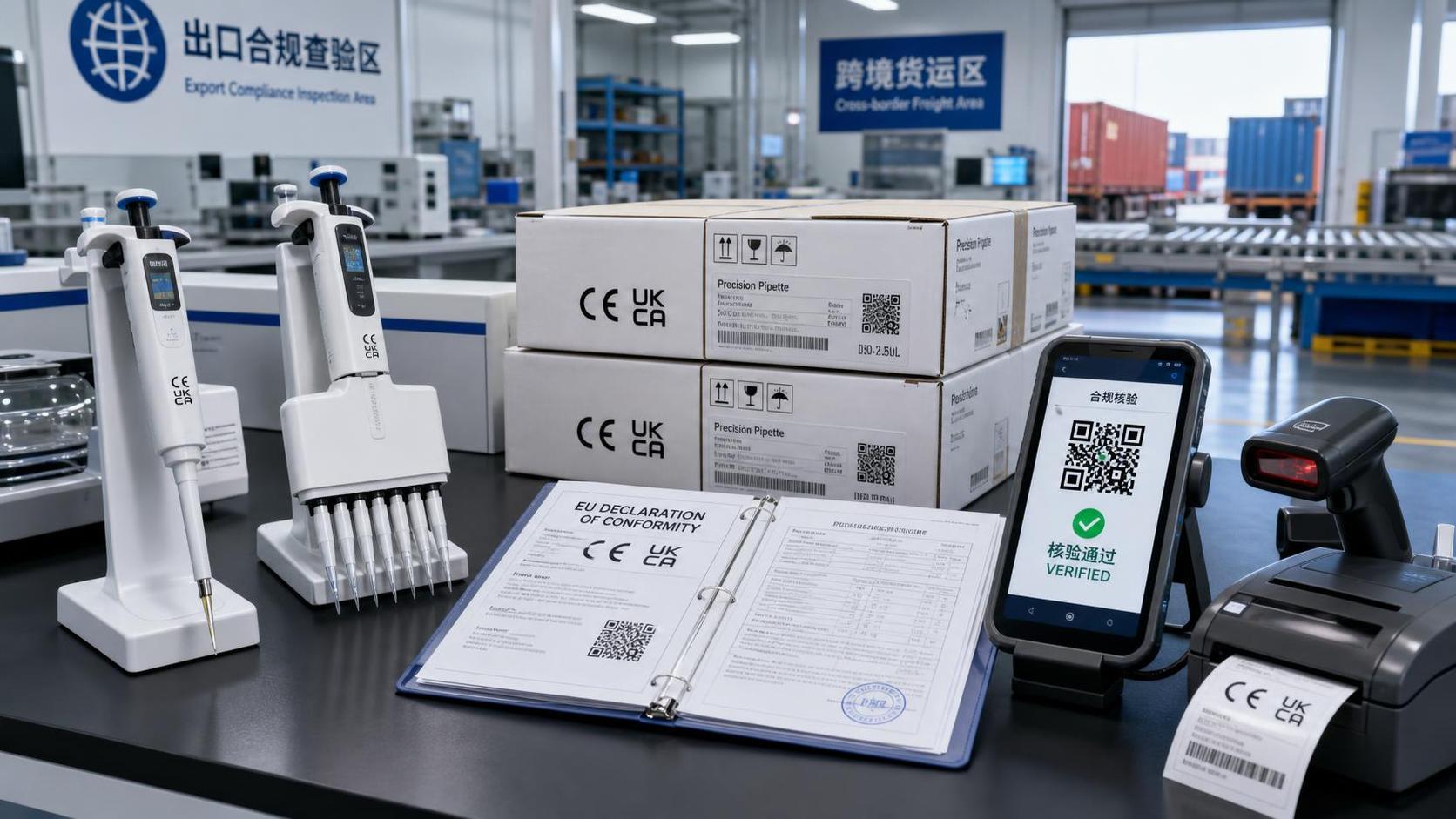
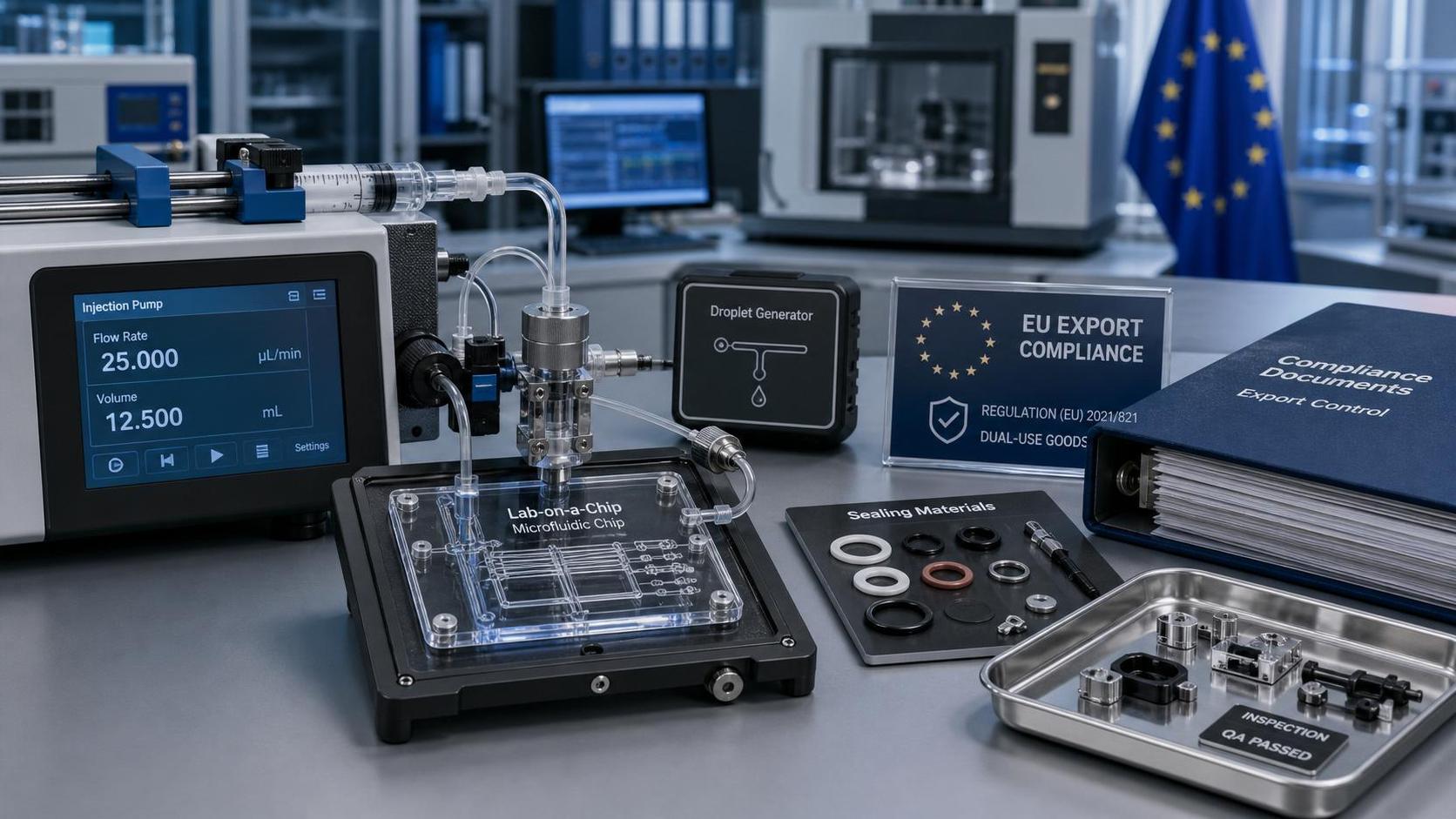
China’s customs authorities have signaled a stricter compliance step for precision laboratory fluid-handling equipment exported to the EU, the UK, and other CE/UKCA markets. From 2026-09-01, syringe pumps, multi-channel pipettes, and similar devices are set to face a pre-shipment conformity assessment requirement and valid CE or UKCA marking before export inspection and quarantine certificates are issued. For exporters, contract manufacturers, traders, and overseas buyers, the key issue is no longer only product performance, but whether compliance documents and labeling are ready at the point of shipment.
What the notice changes for export clearance
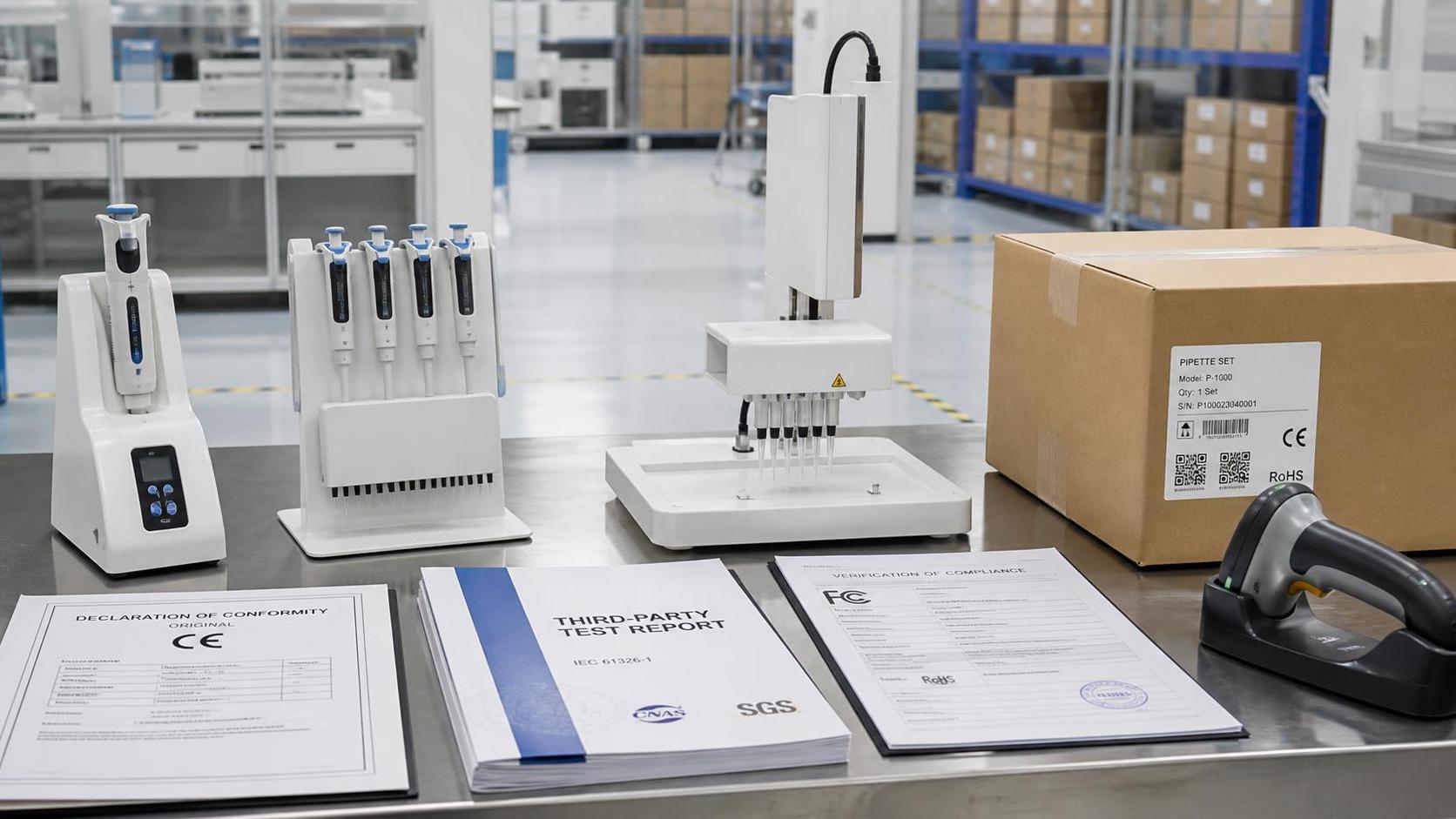
The event described in the notice is dated 2026-08-14, when the General Administration of Customs and the State Administration for Market Regulation jointly issued an emergency reminder on strengthening export compliance supervision for precision laboratory fluid equipment. According to the summary, the rule applies from 2026-09-01 to all syringe pumps, multi-channel pipettes, and related precision liquid-handling devices exported to the European Union, the United Kingdom, and other markets that accept CE or UKCA access. The stated requirement is that the products must complete a third-party conformity assessment before leaving the factory and carry a valid CE or UKCA mark; otherwise, export inspection and quarantine certificates will not be issued.

Where the pressure will show up first
Exporters and trading desks
Analysis suggests exporters and trading companies will feel the earliest impact in shipment scheduling and document preparation. If a product line is sold into CE/UKCA markets, the compliance status of each shipment may become a gate condition for clearance rather than a back-office formality. What deserves closer attention is whether labeling, assessment records, and product declarations are aligned before the goods enter the export process.
Manufacturing and assembly operations
For manufacturers and assembly partners, the practical issue is likely to be production-side control. The summary indicates the marking and third-party assessment must be completed before leaving the factory, which means compliance cannot be deferred to the trading stage. From an industry perspective, this puts more weight on product configuration, version control, and traceability across batches that are destined for different markets.
Overseas buyers and import channels
For overseas importers, especially those depending on time-sensitive laboratory procurement, the immediate risk is delay at customs or in downstream receiving. If certificates are withheld on the export side, purchasing cycles and lab deployment plans may be interrupted. At this stage, it is more appropriate to understand this as a procurement and clearance risk signal rather than a broad market restriction.
Certification and testing service providers
Certification-related service providers and testing institutions may see rising demand for conformity assessment support, but the summary does not define which assessment bodies or procedures will apply in each case. That means service capacity, turnaround time, and document quality will matter more, particularly for products with recurring export programs.
What companies should check now
Confirm the destination market and labeling path
Companies should first separate shipments by destination market and confirm whether the target falls under CE or UKCA requirements. The key operational question is whether the product’s current technical file, mark usage, and shipment documents can support export clearance after 2026-09-01.
Review conformity evidence before shipment
Because the notice links export inspection certificates to third-party conformity assessment, firms should verify whether the assessment materials for each SKU are complete and current. This includes checking that product identity, model scope, and the applied conformity mark are consistent across internal records and commercial documents.
Protect lead time and supply commitments
Where export schedules are tight, companies should build in time for compliance review before manufacturing and packing. That matters most for recurring orders, because any mismatch between labeling, assessment status, and shipment timing could affect handover to freight forwarders and customs processing.
Watch for follow-up execution language
The summary gives the direction of travel, but not the full operating details. Firms should continue to monitor whether additional clarifications appear on product scope, documentation format, marking review, or customs execution practice, since those details will determine how the requirement works in day-to-day trade.
How to read this signal
This development is best read as an execution signal rather than a generic policy discussion. The wording in the summary points to a compliance gate that connects product marking, third-party assessment, and export certification. That is important because it moves the compliance discussion from market access in the abstract to shipment-level enforceability.
From an industry perspective, the most relevant question now is not whether CE/UKCA matters in principle, but how quickly exporters can align product files, factory controls, and order planning with the stated requirement. The next round of information that will shape market behavior is likely to come from implementation detail, customs handling, and buyer response.
What this means in practice
For the sector, the immediate takeaway is straightforward: precision laboratory fluid devices heading into CE/UKCA markets should be treated as compliance-sensitive export items, not ordinary finished goods. The notice suggests that marking and conformity evidence will be tied directly to export inspection outcomes, which makes preparation before shipment the central task. The current situation is therefore more appropriately understood as a rule-enforcement change that companies should verify against their own product scope and trade flows.
Source basis and follow-up
This article is based on the user-provided title, effective date, and event summary. It is written as an industry-news interpretation and does not rely on any unprovided data, company names, policy numbers, or external figures. The specific official source link was not included in the input, so the underlying notice and any later clarifications still need to be verified against official releases and subsequent customs or regulatory guidance.
Relevant source types for follow-up include official announcements, regulatory authority notices, customs and trade authority publications, standard-setting or certification guidance, and authoritative industry reporting. The main items still worth monitoring are implementation details, certification execution practice, document requirements, shipment handling, and market feedback from exporters and overseas buyers.
Expert Insights

Chief Security Architect
Dr. Thorne specializes in the intersection of structural engineering and digital resilience. He has advised three G7 governments on industrial infrastructure security.
Related Analysis
Core Sector // 01
Security & Safety
- Precision Dispenser Pricing: Cost Drivers and Budgeting for Lab AutomationAuthor :Dr. Aris Nano

- China Tightens Export Compliance Checks on Lab Fluid-Control DevicesAuthor :Dr. Aris Nano

- China Tightens Export Checks on Lab Fluid DevicesAuthor :Dr. Aris Nano

- China Customs Tightens Export Checks for Lab Liquid-Handling EquipmentAuthor :Dr. Aris Nano

- ECHA SVHC Update Reaches Precision Fluid DevicesAuthor :Dr. Aris Nano

- FDA Tightens Accuracy Rule for Lab Fluid DevicesAuthor :Dr. Aris Nano

- ECHA Adds 12 SVHCs Affecting Lab Fluid DevicesAuthor :Dr. Aris Nano

- How to Choose a Variable Speed Peristaltic Pump for Accurate Lab Fluid TransferAuthor :Dr. Aris Nano