New National Standard for AI-Enabled Syringe Pumps Released
Author
Date Published
Reading Time

On May 14, 2026, the Standardization Administration of China jointly issued GB/T 44789–2026, General Technical Requirements for Intelligent Laboratory Equipment, introducing the first three-tier intelligence classification (L1–L3) for syringe pumps and other fluid-handling lab devices. The standard directly impacts manufacturers, exporters, and distributors of intelligent laboratory instrumentation—particularly those engaged in global supply chains involving medical, pharmaceutical, and analytical testing sectors—because it establishes a formal benchmark for assessing technical maturity of Chinese-made smart fluid control equipment.
Event Overview
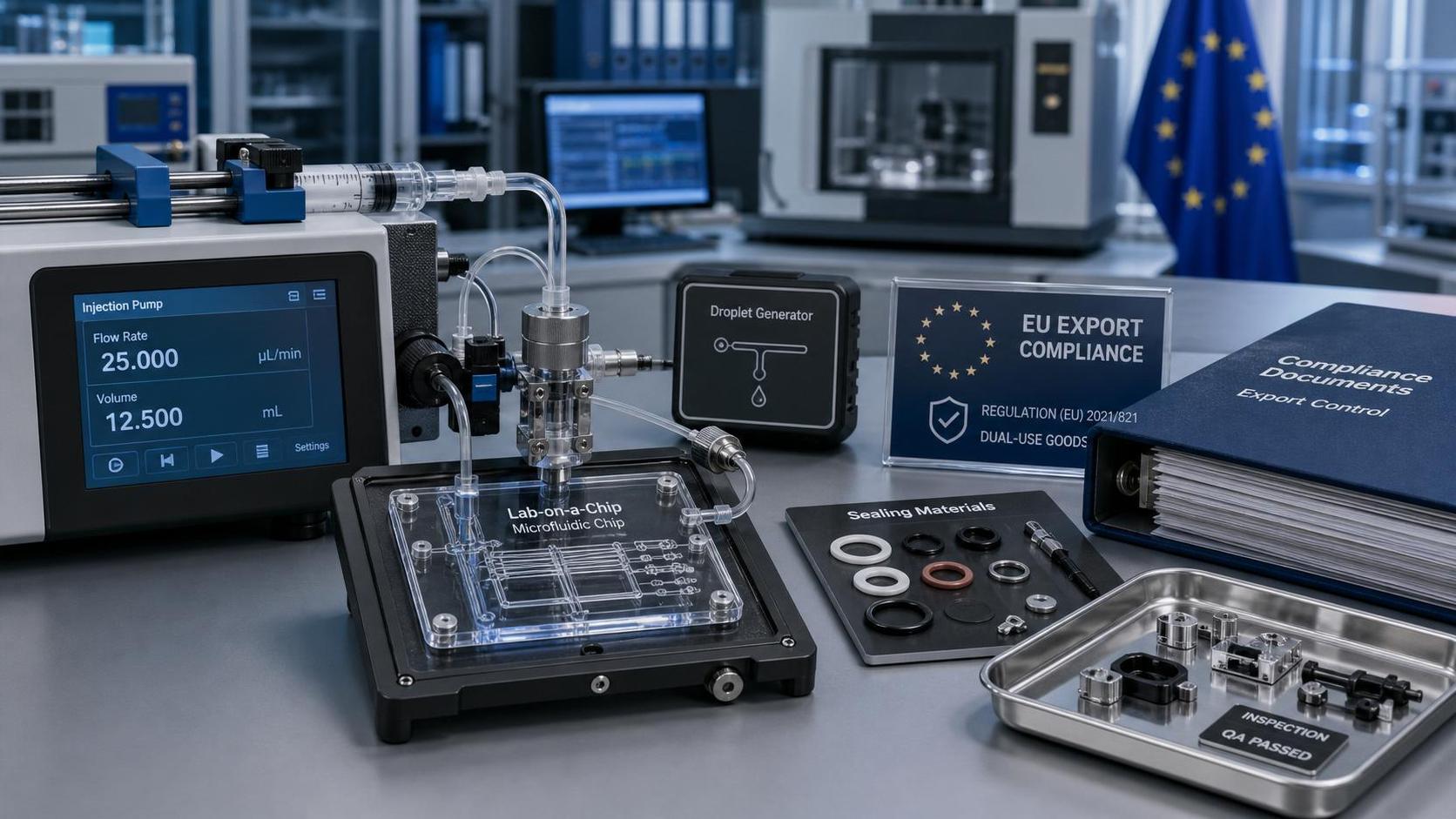
The Standardization Administration of China, the Ministry of Industry and Information Technology (MIIT), and the National Medical Products Administration (NMPA) jointly published GB/T 44789–2026 on May 14, 2026. The standard defines L1–L3 intelligence levels for syringe pumps and related laboratory fluid devices. Devices rated L2 or higher must support remote parameter calibration, AI-based abnormal flow rate alerting, and encrypted cloud upload of operational logs. The standard takes effect on January 1, 2027.
Industries Affected
Manufacturers of Intelligent Laboratory Fluid Devices
These companies are directly subject to the new technical requirements. Compliance affects product design cycles, firmware architecture, and certification timelines—especially for models targeting export markets where buyers increasingly reference Chinese national standards as proxies for functional reliability and data security.
Export-Oriented Trading Enterprises
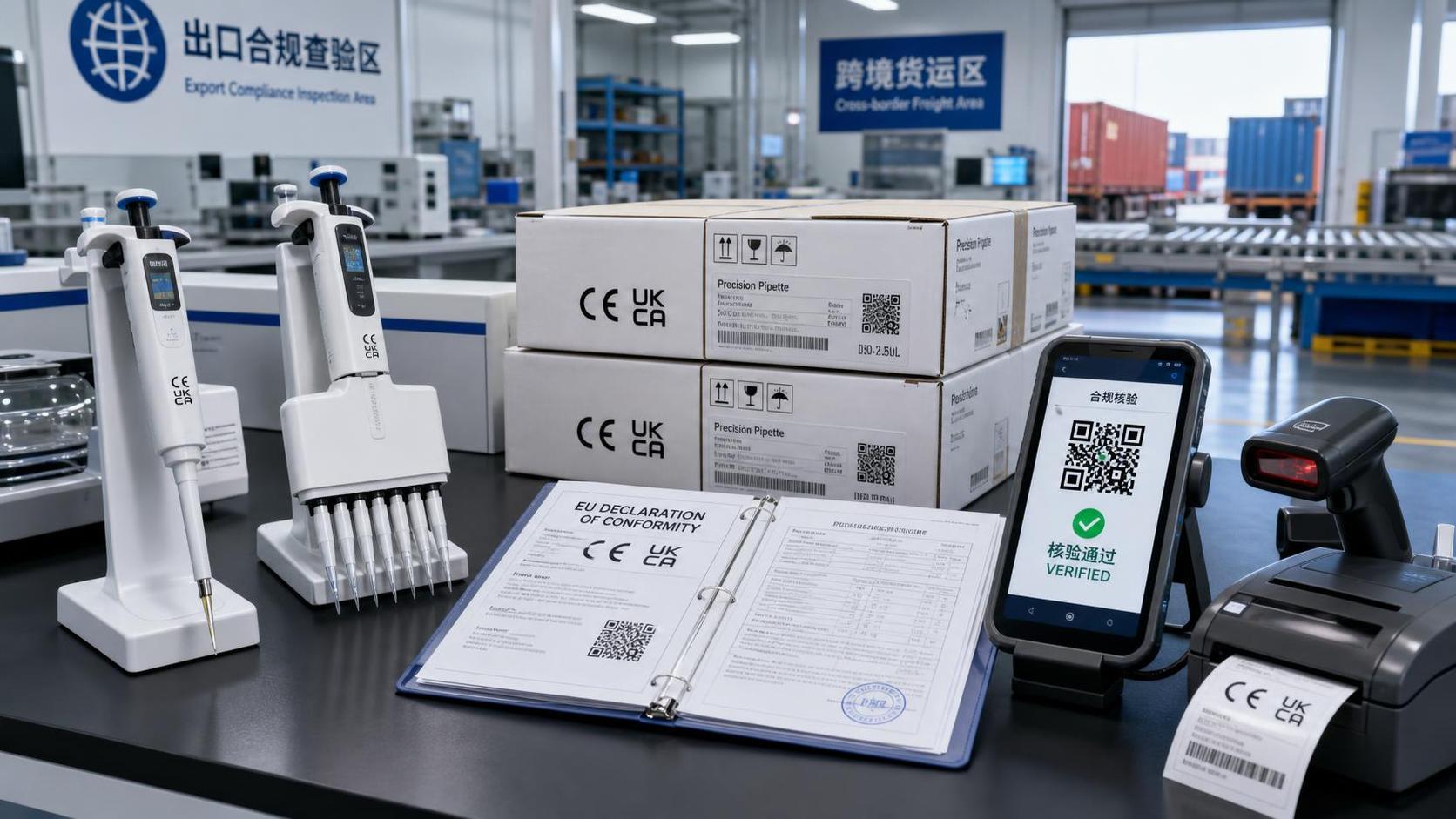
Trading firms handling syringe pumps and similar lab automation equipment face revised pre-shipment verification needs. International clients—particularly in regulated markets such as the EU and North America—may now explicitly request L2/L3 compliance documentation as part of tender submissions or contractual specifications.
Medical Device Distributors and System Integrators
Distributors supplying syringe pumps into clinical research labs or GMP-compliant environments may encounter updated procurement policies from end users. Institutions adopting AI-augmented lab workflows may prioritize L2+ certified devices for auditability and interoperability reasons.
Supply Chain Service Providers (e.g., Certification Agencies, Test Labs)
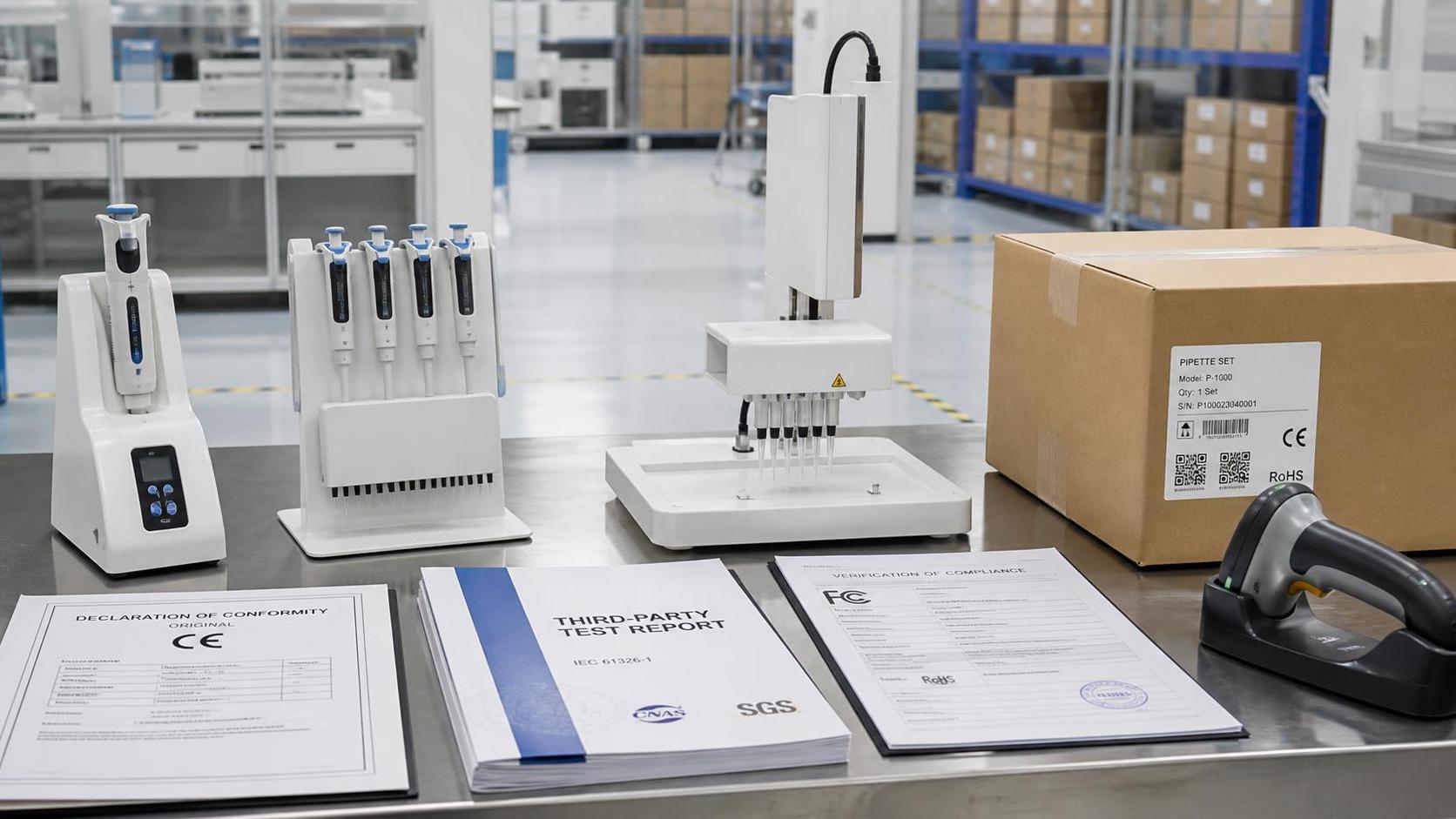
Third-party conformity assessment bodies will need to align their testing protocols with GB/T 44789–2026. This includes developing test cases for remote calibration validation, AI alert response latency, and log encryption integrity—capabilities not previously standardized under existing lab equipment certification schemes.
Key Focus Areas and Recommended Actions
Monitor official implementation guidance and certification roadmaps
While the standard is published, detailed conformity assessment procedures—including recognized testing laboratories, transitional arrangements for legacy products, and definitions of ‘AI-based anomaly detection’—have not yet been released. Stakeholders should track announcements from the Standardization Administration and provincial MIIT offices.
Prioritize L2-capable product lines for export documentation and labeling updates
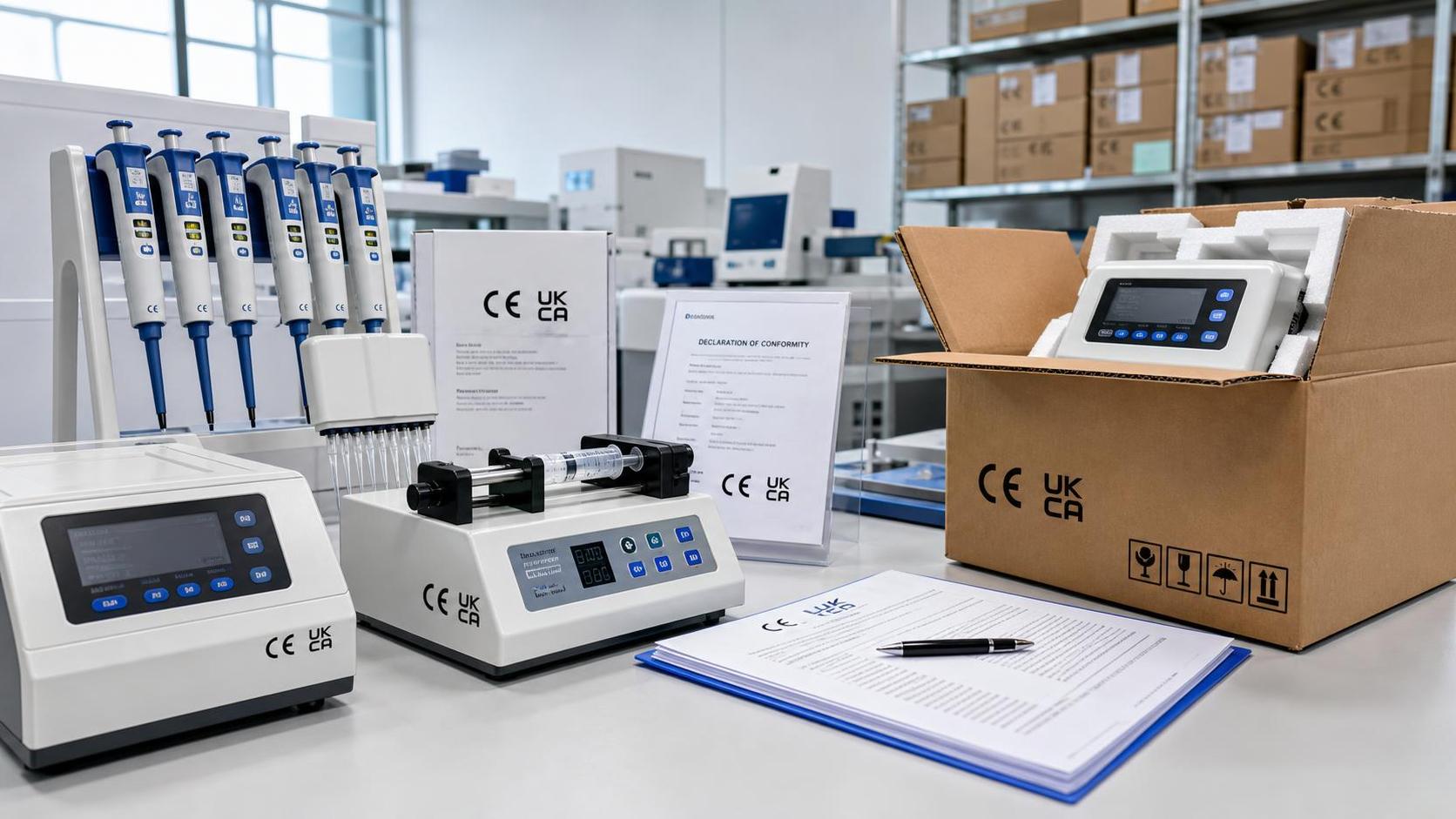
L2 and L3 classifications carry specific functional obligations. Companies preparing for international tenders should begin updating technical datasheets, user manuals, and CE/UKCA declaration templates to reflect verified capabilities—especially remote calibration interfaces and encrypted log transmission mechanisms.
Distinguish between regulatory signal and enforceable requirement
GB/T 44789–2026 is a recommended national standard (GB/T), not mandatory (GB). However, its adoption by NMPA and MIIT signals strong policy alignment. Market-driven enforcement—via procurement clauses or customer audits—is likely to precede formal regulatory mandates.
Review firmware update pathways and cloud infrastructure security
L2+ compliance requires secure over-the-air capability and end-to-end encrypted log transmission. Firms should assess whether current device firmware supports authenticated remote parameter changes and whether their cloud backend meets domestic encryption standards (e.g., GM/T 0028–2014).
Editorial Perspective / Industry Observation
Observably, this standard functions primarily as a market-shaping instrument rather than an immediate compliance trigger. Its significance lies less in near-term enforcement and more in signaling how Chinese technical governance is beginning to codify AI functionality—not just for consumer electronics, but for precision industrial and life science equipment. Analysis shows that international buyers are already using early versions of such standards to benchmark supplier capability across tiers of automation maturity. From an industry perspective, GB/T 44789–2026 is better understood as a forward-looking framework: it does not yet prescribe penalties or ban noncompliant devices, but it does establish the vocabulary—and expected baseline—for what constitutes ‘intelligent’ in next-generation fluid control systems.
Conclusion
This standard marks the first formal effort in China to classify and specify AI-related functionality for laboratory fluid devices. Its practical impact will unfold gradually—not through regulatory compulsion, but through commercial adoption, procurement policy alignment, and cross-border technical due diligence. For now, it is best interpreted as a structural marker of evolving expectations around embedded intelligence, data integrity, and remote operability in lab automation—rather than as an immediate operational mandate.
Information Sources
Main source: Official announcement issued jointly by the Standardization Administration of China, the Ministry of Industry and Information Technology (MIIT), and the National Medical Products Administration (NMPA), dated May 14, 2026. Further details—including conformity assessment guidelines, transition rules, and accredited testing institutions—are pending official release and remain under observation.
Expert Insights

Chief Security Architect
Dr. Thorne specializes in the intersection of structural engineering and digital resilience. He has advised three G7 governments on industrial infrastructure security.
Related Analysis
Core Sector // 01
Security & Safety
- Precision Dispenser Pricing: Cost Drivers and Budgeting for Lab AutomationAuthor :Dr. Aris Nano

- China Tightens Export Compliance Checks on Lab Fluid-Control DevicesAuthor :Dr. Aris Nano

- China Tightens Export Checks on Lab Fluid DevicesAuthor :Dr. Aris Nano

- China Customs Tightens Export Checks for Lab Liquid-Handling EquipmentAuthor :Dr. Aris Nano

- ECHA SVHC Update Reaches Precision Fluid DevicesAuthor :Dr. Aris Nano

- FDA Tightens Accuracy Rule for Lab Fluid DevicesAuthor :Dr. Aris Nano

- ECHA Adds 12 SVHCs Affecting Lab Fluid DevicesAuthor :Dr. Aris Nano

- How to Choose a Variable Speed Peristaltic Pump for Accurate Lab Fluid TransferAuthor :Dr. Aris Nano