Peristaltic Pump Flow Rate Stability Under Long Run Conditions
Author
Date Published
Reading Time
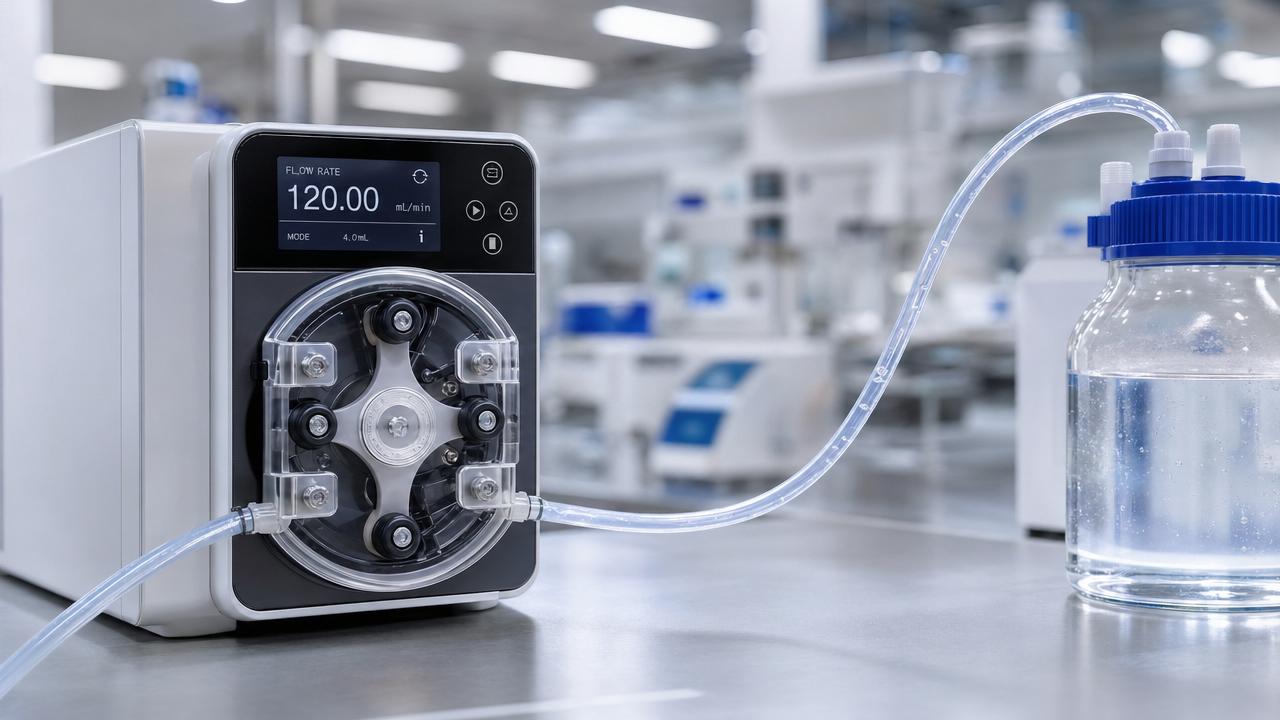
For operators running extended dosing, transfer, or recirculation tasks, peristaltic pump flow rate stability is critical to maintaining process accuracy, product consistency, and equipment reliability. Even small fluctuations over long run conditions can affect yield, dosing precision, and downstream results. This article explores the key factors behind long-term flow variation and practical ways to improve stable pump performance in demanding lab and production environments.
Why is peristaltic pump flow rate stability such a major concern during long run operation?
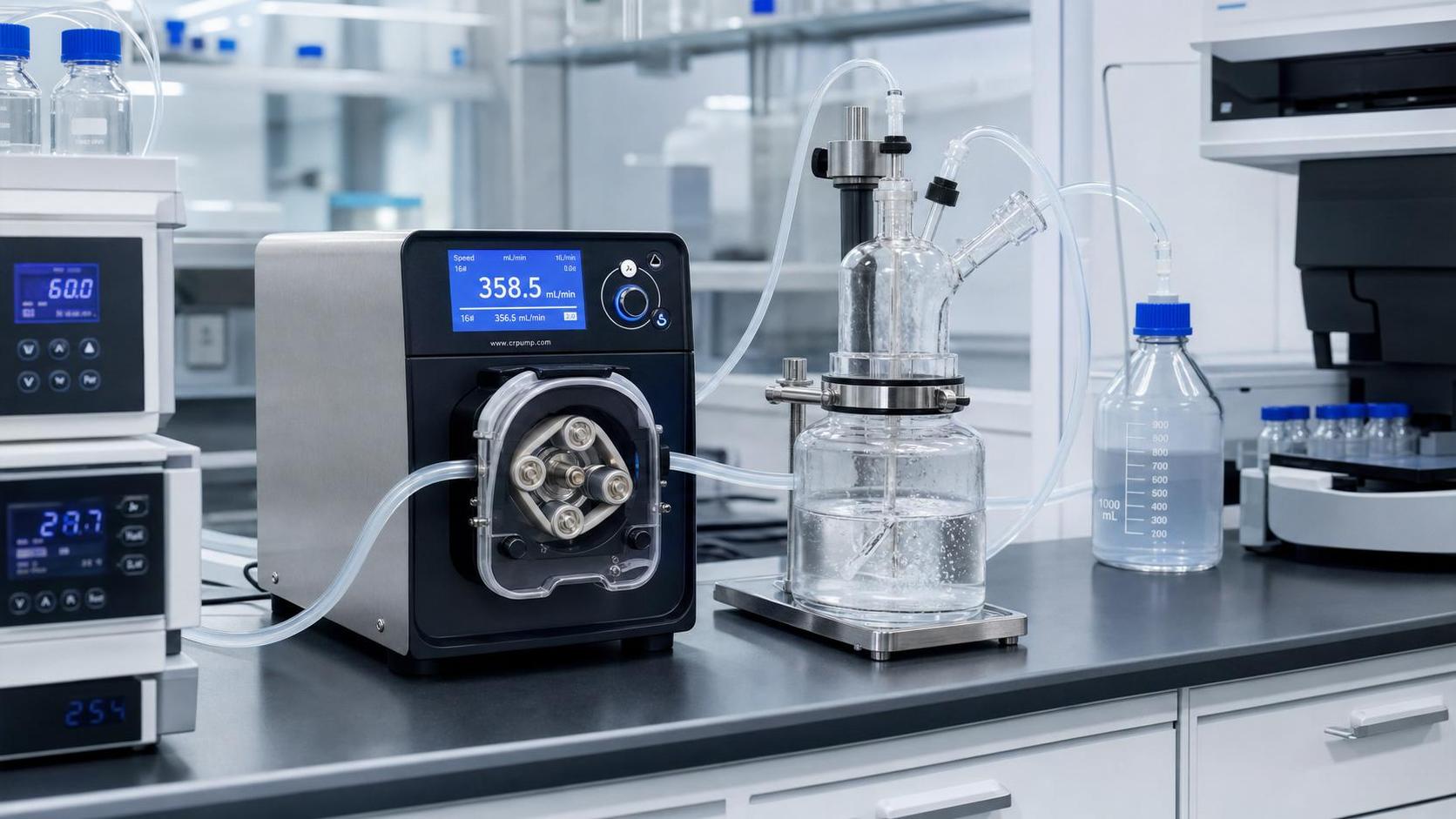
Peristaltic pumps are often selected because they offer clean fluid isolation, simple maintenance, and good compatibility with sensitive or aggressive media. However, when a process runs for hours or days instead of minutes, peristaltic pump flow rate stability becomes more than a convenience. It becomes a direct process control issue.
In lab-scale production, pilot synthesis, bioprocess feed control, and precision dosing, operators usually expect the pump to deliver the same volume at hour one and hour twelve. In reality, tubing fatigue, temperature drift, roller wear, suction changes, and fluid property variation can slowly alter output. The resulting deviation may seem small at any one moment, but over a long run it can shift concentration, residence time, mixing ratio, and batch consistency.
This is why peristaltic pump flow rate stability matters across both R&D and production-support environments. For users and operators, stable flow supports repeatable experiments, tighter dosing windows, fewer corrective interventions, and better confidence when scaling from bench to pilot or continuous operation.
What usually causes flow rate drift in a peristaltic pump over long run conditions?
The most common reason is tubing behavior over time. A peristaltic pump works by repeatedly compressing and releasing flexible tubing. During extended operation, that tubing can gradually lose elasticity, especially at the occlusion points. As the tube wall recovers less effectively after each compression cycle, the internal volume per revolution changes, and the actual discharge rate may fall.
Heat is another major factor. Continuous motor operation and friction between rollers and tubing generate temperature rise. Some tubing materials soften when warm, while some fluids become less viscous. Both effects can influence delivery characteristics. Operators may notice that a flow setpoint appears stable on the controller while the real flow gradually shifts in the line.
Back pressure and suction conditions also matter. If downstream filters begin to load, if line height changes, or if the inlet vessel level drops significantly, the pump sees a different hydraulic condition than it did at startup. Because peristaltic pumps are not immune to system resistance, these changes can affect volumetric consistency.
A final source of instability is mismatch between tubing, pump head, and application. Using a tube material chosen only for chemical compatibility, while ignoring fatigue resistance or compression set, often leads to long-run flow variation. Similarly, running at the upper end of speed range for long periods may accelerate wear and increase pulsation.
How can operators tell whether poor flow stability is caused by the pump, the tubing, or the process setup?
A structured troubleshooting approach is the fastest way to separate equipment issues from process issues. Operators should avoid assuming that every drift problem means the pump motor is failing. In many cases, the main cause is tubing condition or line configuration.
Start by checking whether the pump speed remains constant. If RPM is steady but measured output changes, the problem is more likely related to tubing fatigue, fluid changes, or pressure conditions. If RPM itself fluctuates, inspect the drive control, load condition, and electrical stability. Then compare flow using fresh tubing of the same specification. If performance recovers immediately, the original tube was likely the weak point.
Next, review the full fluid path. Long inlet lines, trapped air, partially blocked outlets, high-viscosity media, and pulsation-sensitive sensors can all create misleading readings. A line that is technically functional may still produce unstable measured flow. For precision work, gravimetric verification over timed intervals is often more reliable than relying only on nominal pump settings.
Which operating conditions have the biggest impact on peristaltic pump flow rate stability?
Speed is one of the biggest influences. Very high speeds increase tubing stress, raise heat generation, and can shorten stable operating time. Very low speeds may improve mechanical life but can amplify pulsation in applications requiring ultra-smooth delivery. The ideal point is usually a balanced operating window rather than the maximum advertised capacity.
Tubing selection is equally important. Different materials respond very differently under prolonged compression. Some provide excellent chemical resistance but only moderate long-term dimensional recovery. Others offer better fatigue performance but may not suit solvent exposure or sterilization requirements. In regulated or high-value process environments, tubing should be evaluated not only by compatibility charts but also by flow retention over time.
Fluid characteristics can also change the picture. High viscosity, suspended solids, foaming media, shear-sensitive biologics, and temperature-dependent solutions all influence long-run pump behavior. A pump setup that is stable with water may not remain stable with nutrient feed, slurry, buffer concentrate, or solvent blend. This is why application-specific testing matters.
Finally, process layout affects stability more than many operators expect. Shorter tubing runs, fewer restrictions, stable reservoir geometry, proper venting, and minimized elevation changes all help preserve consistent output. When users focus only on the pump and ignore the surrounding fluidic architecture, they often miss the real source of long-run variability.
What practical steps improve long-term flow stability without replacing the whole system?
The first improvement is standardization. Use the same tubing brand, material, wall thickness, and installation method for repeat processes. Small changes in tube fit or loading can alter occlusion and therefore affect peristaltic pump flow rate stability. A controlled setup protocol reduces operator-to-operator variation.
Second, establish a preventive tubing replacement schedule based on run hours, not only obvious failure. Waiting until a tube leaks or visibly cracks is too late for precision applications. In many cases, flow drift begins long before catastrophic wear appears. Logging output versus runtime helps define a realistic replacement interval for each application.
Third, validate real flow under actual operating conditions. A quick water test at ambient conditions is useful, but it cannot fully predict long-run performance with process media. For critical dosing, users should perform timed gravimetric or volumetric checks at startup, mid-run, and end-run. This creates a practical stability profile and helps identify whether correction factors are needed.
Fourth, reduce avoidable system stress. Keep inlet lines short, prevent dry running, minimize sharp bends, avoid excessive discharge restriction, and control ambient or enclosure temperature where possible. If pulsation is affecting downstream sensors, consider dampening strategies or measurement methods that average over appropriate intervals.
Suggested operator checklist for better peristaltic pump flow rate stability
- Confirm tubing specification matches both chemistry and runtime demands.
- Install tubing consistently and verify proper occlusion before every long run.
- Record actual flow at defined intervals instead of relying only on set RPM.
- Track temperature, pressure changes, and reservoir level during operation.
- Replace tubing proactively based on validated life data.
- Review the entire fluid path when drift appears, not just the drive unit.
Are there common mistakes operators make when assessing flow stability?
Yes, and one of the most common is confusing short-term repeatability with long-run stability. A pump may deliver nearly identical output during a five-minute test yet still drift noticeably over an eight-hour transfer or recirculation cycle. For this reason, acceptance testing should reflect real process duration.
Another mistake is evaluating the pump with one fluid and using it later with another fluid that behaves differently. Water-like calibration media can hide problems that appear with viscous buffers, cell culture feeds, or solvent-containing mixtures. Operators should test under process-relevant conditions whenever accurate scale-up or production support is required.
A third mistake is overlooking tubing lot variation or installation technique. In high-precision environments, even small differences in tube seating, clamp force, or pre-run conditioning can influence output. Standard operating procedures should specify not only the part number but also the preparation and loading method.
Finally, some teams focus entirely on nominal flow range and ignore lifecycle cost. A lower-cost tube that drifts quickly may create more downtime, more recalibration effort, and more product variability than a premium tube with better long-run behavior. Stable operation is often the more economical choice when total process impact is considered.
When selecting or benchmarking equipment, what should users ask suppliers about long-run stability?
Users should ask for more than a catalog flow range. For meaningful evaluation, request data on peristaltic pump flow rate stability across runtime, tubing life, speed range, and pressure conditions. Ask how performance was measured, with what fluid, over what duration, and with what acceptable deviation band. This helps distinguish marketing claims from application-ready evidence.
It is also useful to ask whether the pump supports easy calibration, multi-channel consistency, low-pulsation heads, or closed-loop monitoring options. In multidisciplinary environments such as bioprocess development, chemical dosing, and pilot-scale fluid handling, these details can affect both compliance readiness and operator workload.
For organizations moving from benchtop work to more formalized production support, benchmark the pump as part of the full fluidic system rather than as a standalone device. The best supplier conversations usually include tubing material options, expected maintenance intervals, validation approach, cleaning compatibility, and support for repeatable transfer into GMP-aligned workflows.
What are the most useful FAQs operators ask about long-run flow performance?
Below is a quick reference that summarizes frequent operator concerns about peristaltic pump flow rate stability and what those concerns usually mean in practice.
What should users confirm before applying, scaling, or purchasing a pump for stable long runs?
Before moving forward, users should confirm five things: the real process fluid, the required runtime, the acceptable flow deviation, the expected pressure conditions, and the tubing replacement strategy. These factors define whether a given setup can truly deliver reliable peristaltic pump flow rate stability under long run conditions.
If the application involves nutrient feeds, reagent metering, recirculation loops, pilot-scale transfer, or any operation where dose accuracy accumulates over time, the evaluation should be based on measured performance rather than theoretical pump curves alone. That is especially important in environments where repeatability, regulatory discipline, and scale-up confidence all matter.
If you need to confirm a specific solution, useful next-step questions include: What flow tolerance is acceptable over the full run? Which tubing material has the best balance of chemical resistance and fatigue life? How often should tubing be replaced in this duty cycle? What test method will verify stability with the actual process medium? And how will the pump integrate with the wider fluidic system, monitoring approach, and operating SOP? Answering those questions early will lead to a more stable process, fewer surprises, and better long-term operating confidence.
Expert Insights

Chief Security Architect
Dr. Thorne specializes in the intersection of structural engineering and digital resilience. He has advised three G7 governments on industrial infrastructure security.
Related Analysis
Core Sector // 01
Security & Safety
- China Tightens Export Compliance Checks on Lab Fluid-Control DevicesAuthor :Dr. Aris Nano

- China Tightens Export Checks on Lab Fluid DevicesAuthor :Dr. Aris Nano

- China Customs Tightens Export Checks for Lab Liquid-Handling EquipmentAuthor :Dr. Aris Nano

- ECHA SVHC Update Reaches Precision Fluid DevicesAuthor :Dr. Aris Nano

- FDA Tightens Accuracy Rule for Lab Fluid DevicesAuthor :Dr. Aris Nano

- ECHA Adds 12 SVHCs Affecting Lab Fluid DevicesAuthor :Dr. Aris Nano

- How to Choose a Variable Speed Peristaltic Pump for Accurate Lab Fluid TransferAuthor :Dr. Aris Nano

- FDA Tightens Import Rules for Syringe PumpsAuthor :Dr. Aris Nano