Where Pharmaceutical Process Optimization saves time first
Author
Date Published
Reading Time
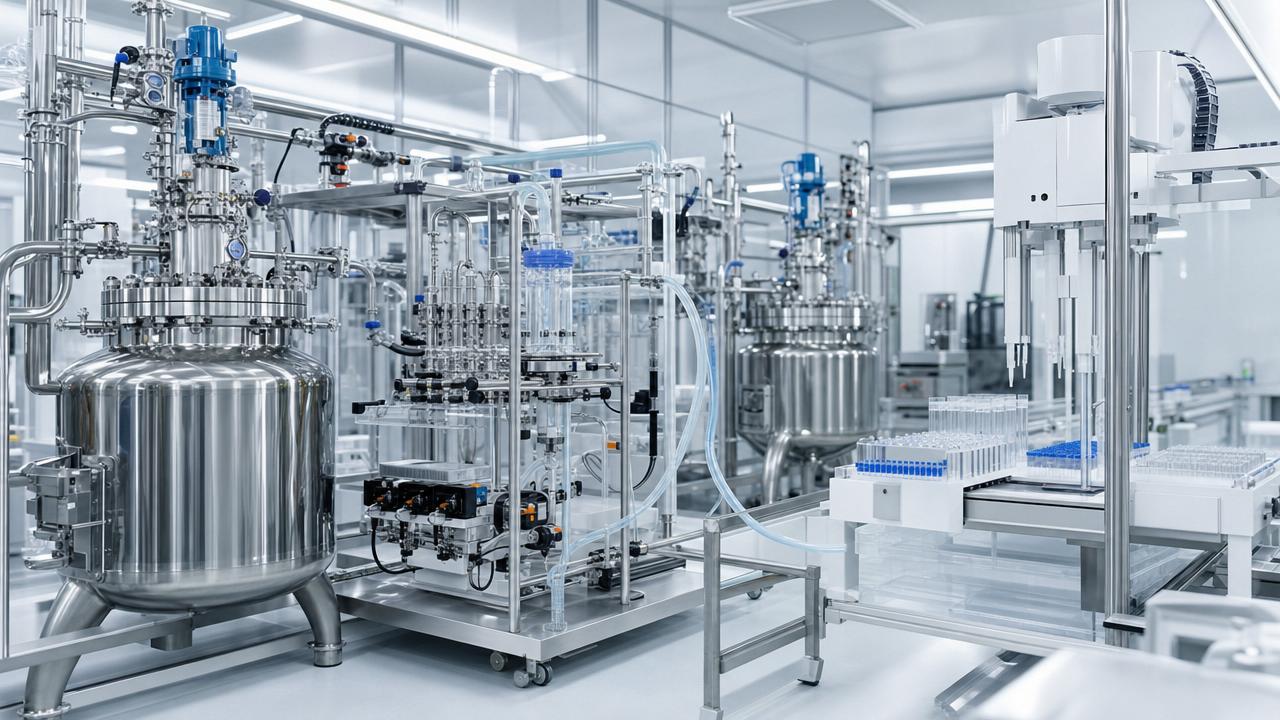
In pharmaceutical operations, the first wins often come from the smallest changes. Pharmaceutical Process Optimization saves time first by reducing setup delays, streamlining fluid handling, and improving consistency from lab trials to pilot production.
That early time recovery matters across the wider industrial landscape. It supports cleaner execution, steadier documentation, and faster movement between development, validation, and scale-sensitive manufacturing steps.
Within advanced laboratory and pilot environments, Pharmaceutical Process Optimization is not only about throughput. It also protects reproducibility, equipment utilization, compliance readiness, and decision speed under strict technical constraints.
Pharmaceutical Process Optimization in practical terms
Pharmaceutical Process Optimization is the structured improvement of workflows, equipment settings, transfer paths, and control logic to reduce wasted time without lowering quality.
In real facilities, the first focus is rarely a full redesign. Early optimization usually targets preparation, dosing, cleaning, sampling, batch transitions, and data capture.
These activities consume hidden hours. They often sit between major unit operations, yet they directly influence overall cycle time, deviation risk, and downstream scheduling stability.
Where time is usually lost first
- Manual setup checks before runs begin
- Inconsistent fluid transfer volumes
- Slow changeovers between formulations or scales
- Repeated calibration or re-priming steps
- Sampling interruptions that disturb process continuity
- Fragmented records across instruments and operators
Because these losses are frequent and measurable, Pharmaceutical Process Optimization often delivers visible gains faster than large capital projects do.
Industry signals shaping optimization priorities
Current pharmaceutical and chemical operations face a common pressure set. Development cycles are shorter, product portfolios are broader, and precision expectations continue rising.
At the same time, batch-to-continuous transitions and personalized therapeutics demand equipment that behaves consistently from benchtop work to pilot-scale execution.
This is why Pharmaceutical Process Optimization has become a cross-functional priority. It addresses time, quality, and transfer reliability in one operational framework.
Why time savings appear before other benefits
The earliest benefit appears in elapsed time because delays are easier to spot than deeper quality patterns. Setup minutes, hold times, and waiting intervals can be measured immediately.
When tubing paths are simplified, priming sequences are shortened, and dosing precision improves, operators spend less time correcting avoidable inconsistencies.
That time gain then supports other outcomes. Better scheduling, lower interruption frequency, and steadier batch progression create the conditions for broader process maturity.
Early indicators of effective Pharmaceutical Process Optimization
- Shorter line clearance and startup windows
- Fewer pauses during liquid handling steps
- Reduced need for repeat sampling
- Lower variation between development runs
- Faster movement from trial data to pilot decision
In facilities using precision microfluidic devices, bioreactors, centrifugation systems, and automated pipetting platforms, these indicators are especially visible.
Operational value across lab and pilot environments
Pharmaceutical Process Optimization creates value when it connects hardware capability with repeatable workflow design. Equipment alone does not save time unless procedures are equally disciplined.
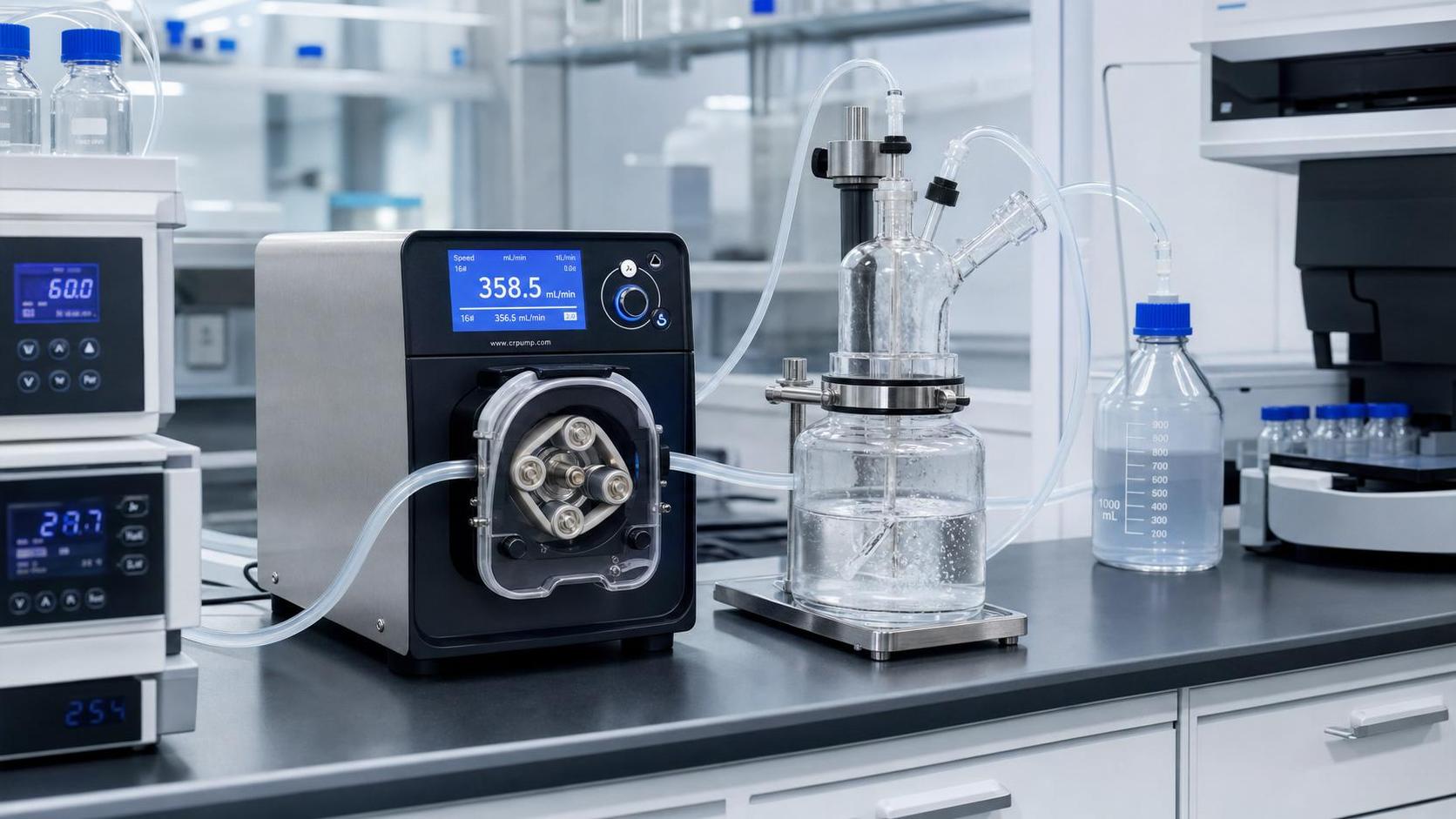
In reactor and synthesis systems, optimization often starts with charge sequencing, mixing consistency, temperature stabilization, and transfer timing between vessels.
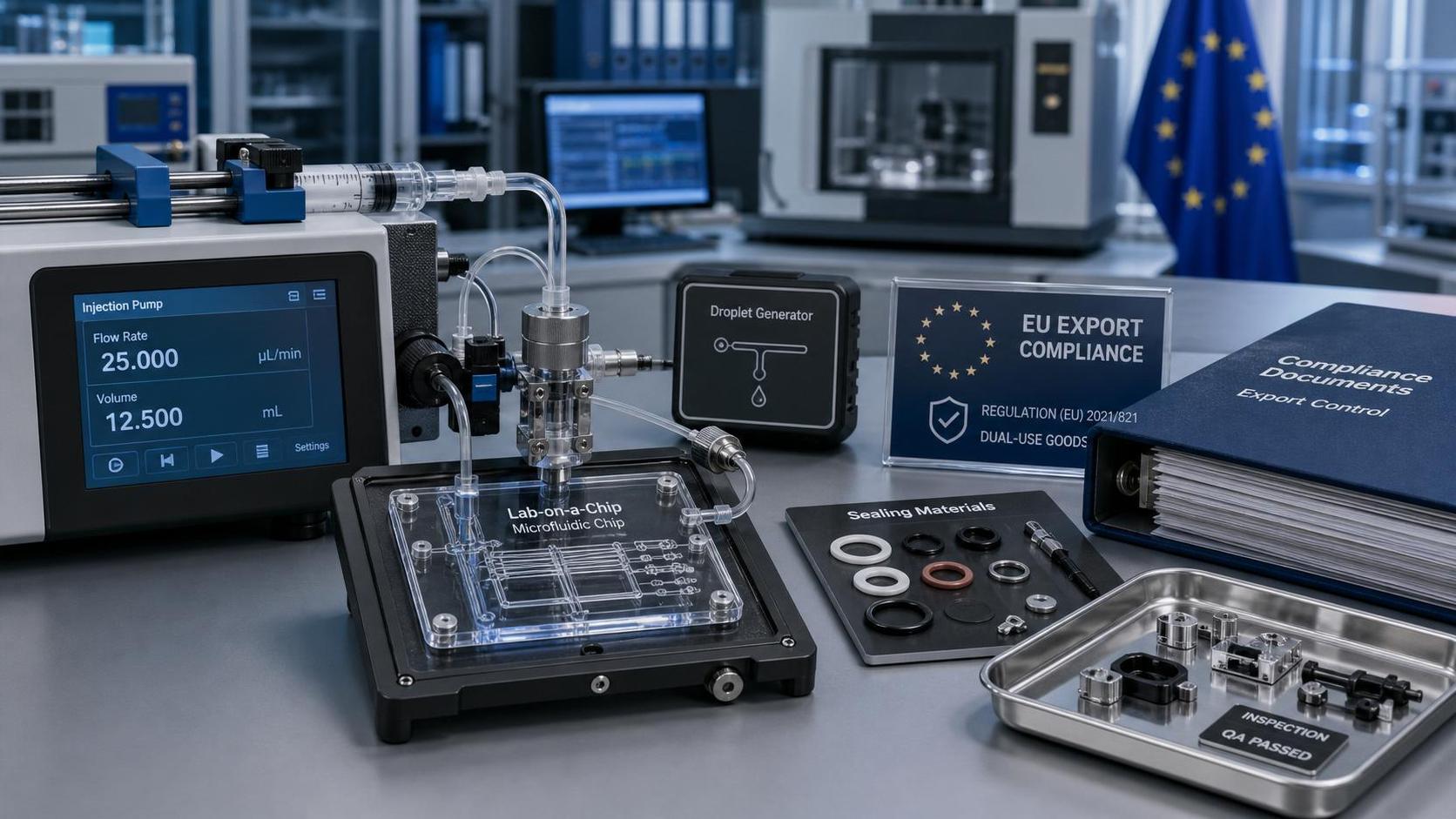
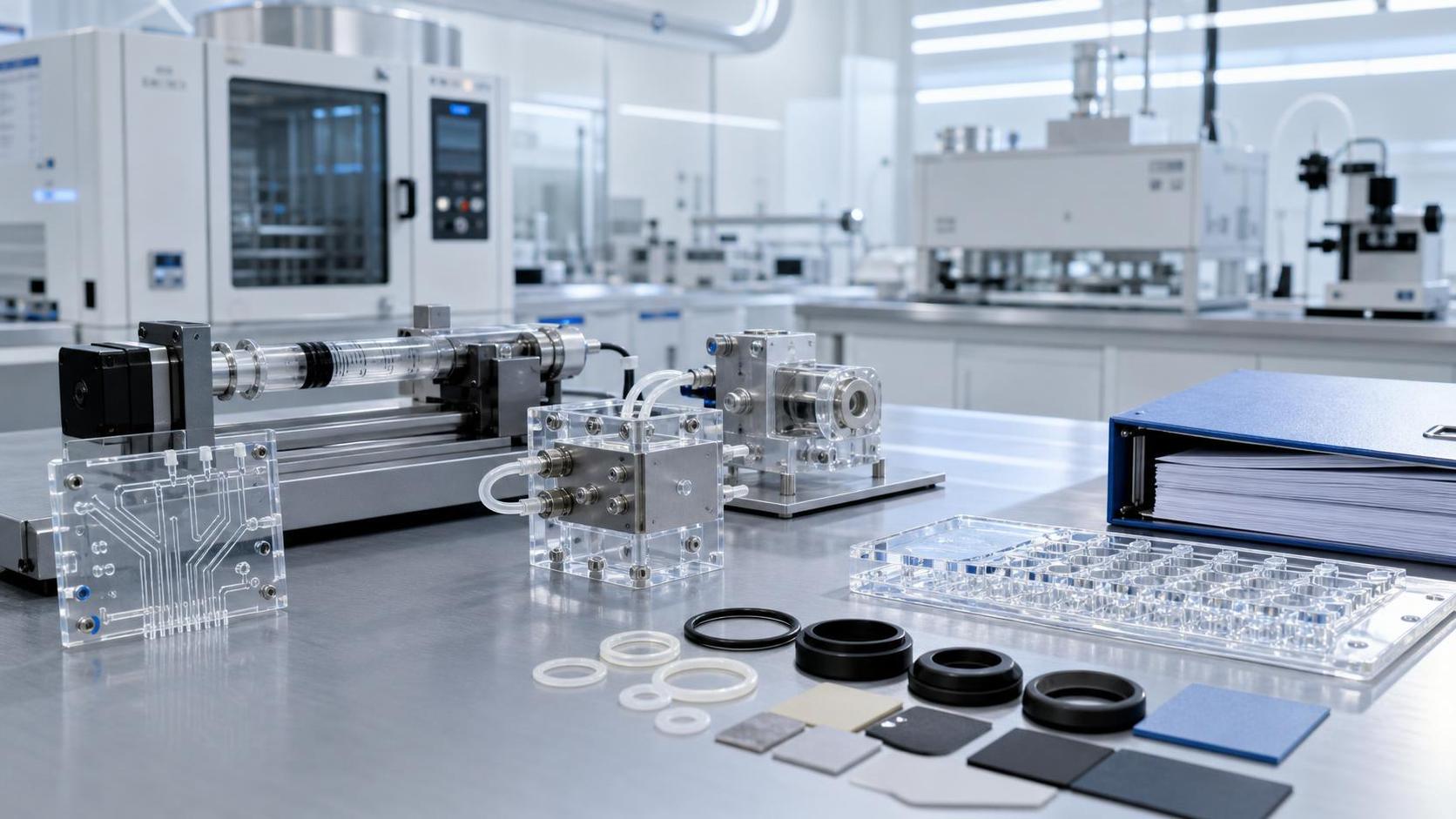
In microfluidic environments, the focus moves to channel stability, sub-microliter accuracy, pressure control, and reduced dead volume. Small improvements here quickly accumulate.
For bioreactors and cell culture infrastructure, time savings appear through smoother inoculation, more stable feeding, simpler sampling, and cleaner transitions between runs.
In centrifugation and separation, optimized scheduling and parameter presets reduce bottlenecks. Better alignment between upstream output and separation capacity prevents avoidable queue time.
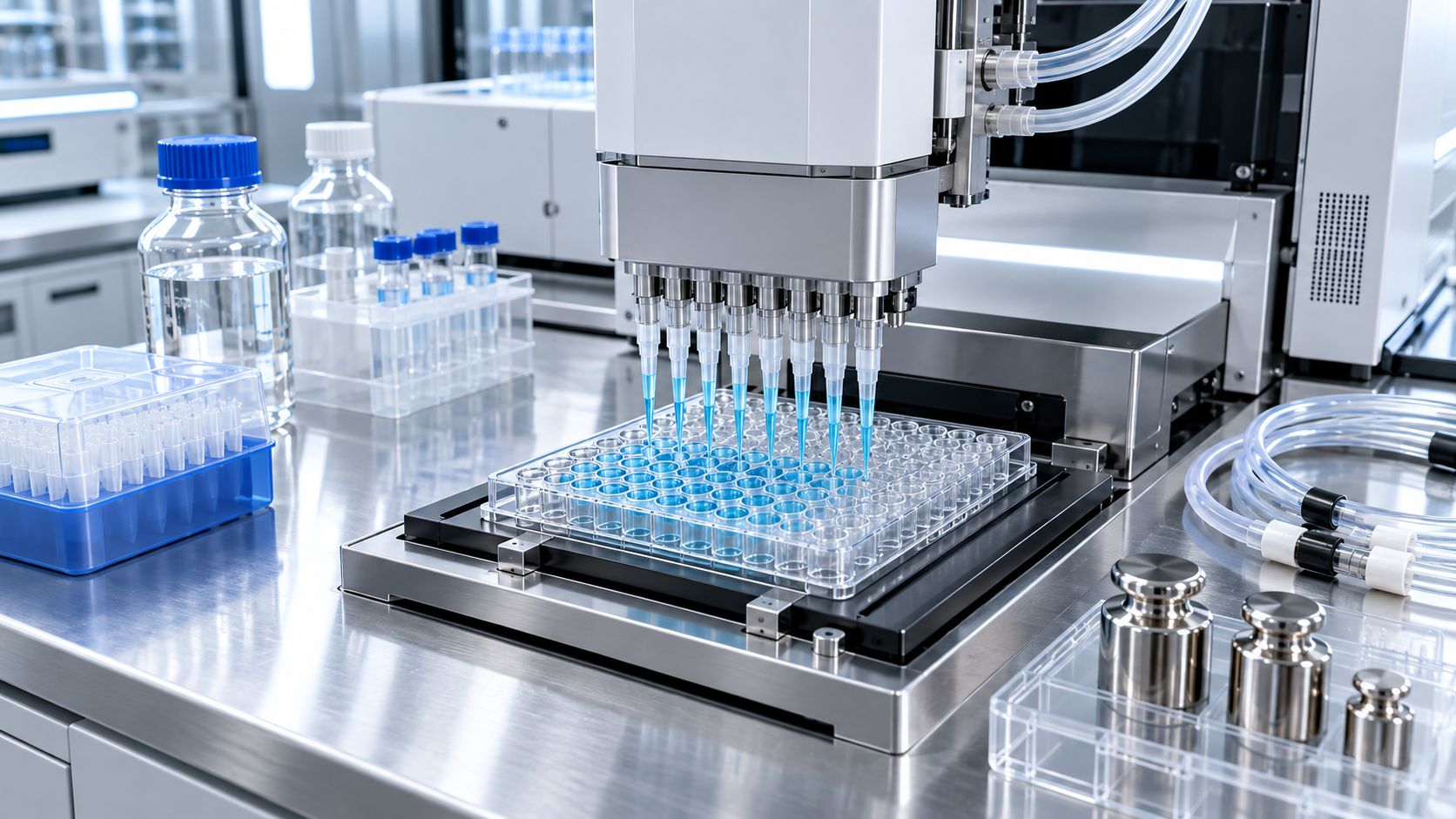
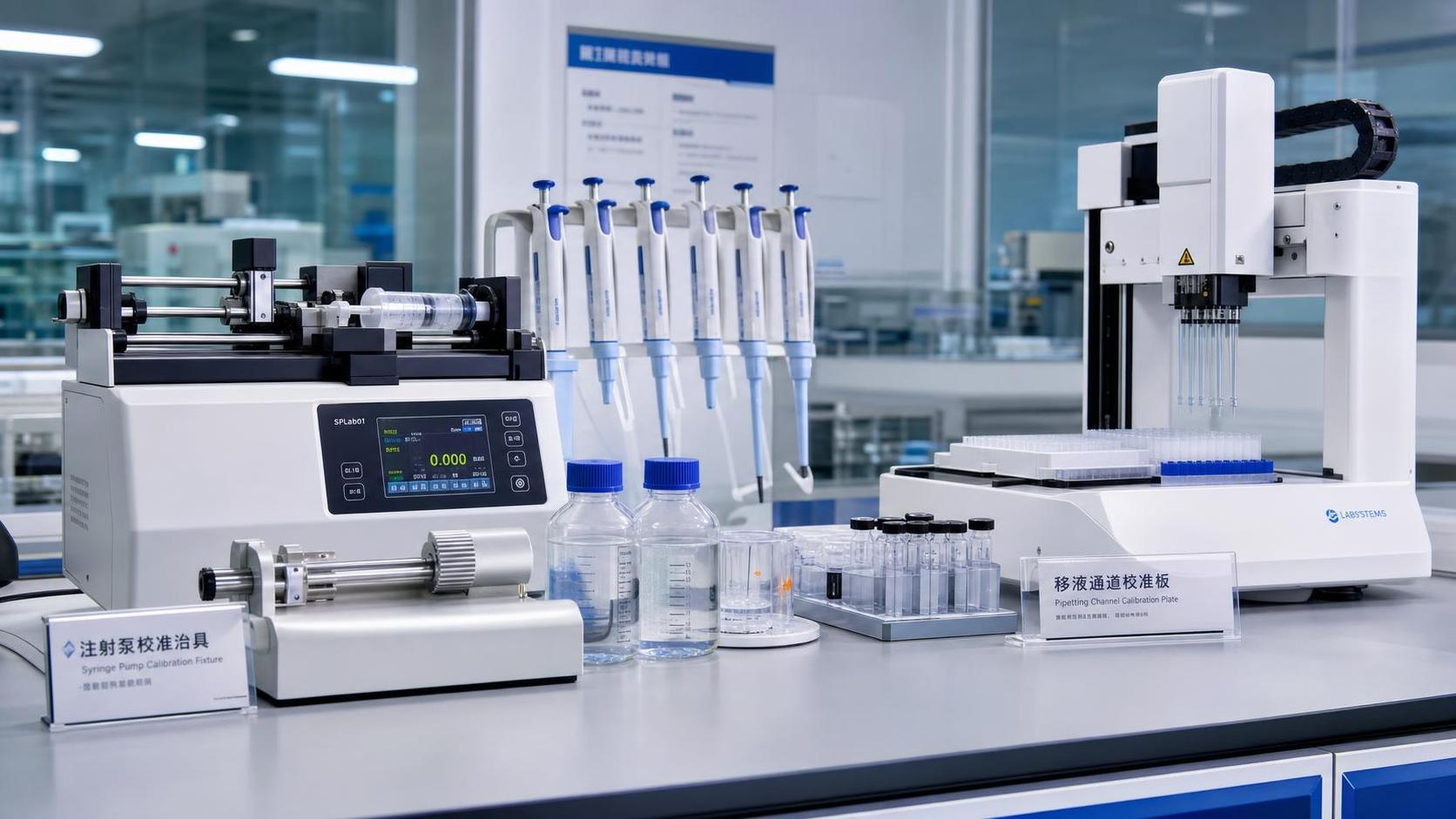
Automated pipetting and liquid handling systems support Pharmaceutical Process Optimization by removing repeat manual motions that introduce variability and consume valuable operator attention.
Typical scenarios where optimization saves time first
Across these scenarios, Pharmaceutical Process Optimization reduces friction before it changes headline capacity. That makes it attractive for facilities seeking quick operational clarity.
Practical guidance for implementation
Start with one process family, not the entire site. Narrow scope produces cleaner evidence and faster learning.
- Map elapsed time from setup to final record completion.
- Separate true processing time from waiting, searching, and rework.
- Identify fluid handling steps with the highest interruption frequency.
- Align instrument capability with ISO, USP, and GMP expectations.
- Test revised sequences at lab scale before pilot deployment.
- Track changeover time, deviation count, and repeat-run rate.
Avoid treating Pharmaceutical Process Optimization as only a software or automation project. Mechanical design, tubing geometry, vessel compatibility, and cleaning logic all affect time first.
It is also important to use benchmarked hardware. Bioconsistent systems reduce surprises when methods move from benchtop experimentation toward controlled industrial execution.
Common implementation cautions
- Do not optimize one step while shifting delays downstream.
- Do not ignore operator sequence discipline.
- Do not scale a lab improvement without transfer verification.
- Do not separate compliance records from process timing analysis.
A grounded next step for better process performance
Pharmaceutical Process Optimization saves time first because time loss is embedded in routine preparation, movement, transfer, and verification work.
When those micro-inefficiencies are corrected, broader benefits follow. Consistency strengthens, scale-up decisions improve, and regulated performance becomes easier to sustain.
A practical next step is to audit one workflow involving reactors, fluid handling, separation, or dispensing. Measure setup delay, transfer variation, and reset time before changing anything.
That baseline will show where Pharmaceutical Process Optimization can produce the earliest measurable gain, while supporting long-term readiness for continuous, precise, and compliant production.
Expert Insights

Chief Security Architect
Dr. Thorne specializes in the intersection of structural engineering and digital resilience. He has advised three G7 governments on industrial infrastructure security.
Related Analysis
Core Sector // 01
Security & Safety
- Precision Dispenser Pricing: Cost Drivers and Budgeting for Lab AutomationAuthor :Dr. Aris Nano

- China Tightens Export Compliance Checks on Lab Fluid-Control DevicesAuthor :Dr. Aris Nano

- China Tightens Export Checks on Lab Fluid DevicesAuthor :Dr. Aris Nano

- China Customs Tightens Export Checks for Lab Liquid-Handling EquipmentAuthor :Dr. Aris Nano

- ECHA SVHC Update Reaches Precision Fluid DevicesAuthor :Dr. Aris Nano

- FDA Tightens Accuracy Rule for Lab Fluid DevicesAuthor :Dr. Aris Nano

- ECHA Adds 12 SVHCs Affecting Lab Fluid DevicesAuthor :Dr. Aris Nano

- How to Choose a Variable Speed Peristaltic Pump for Accurate Lab Fluid TransferAuthor :Dr. Aris Nano