Autoclave Parts Face Tighter Export Review
Author
Date Published
Reading Time
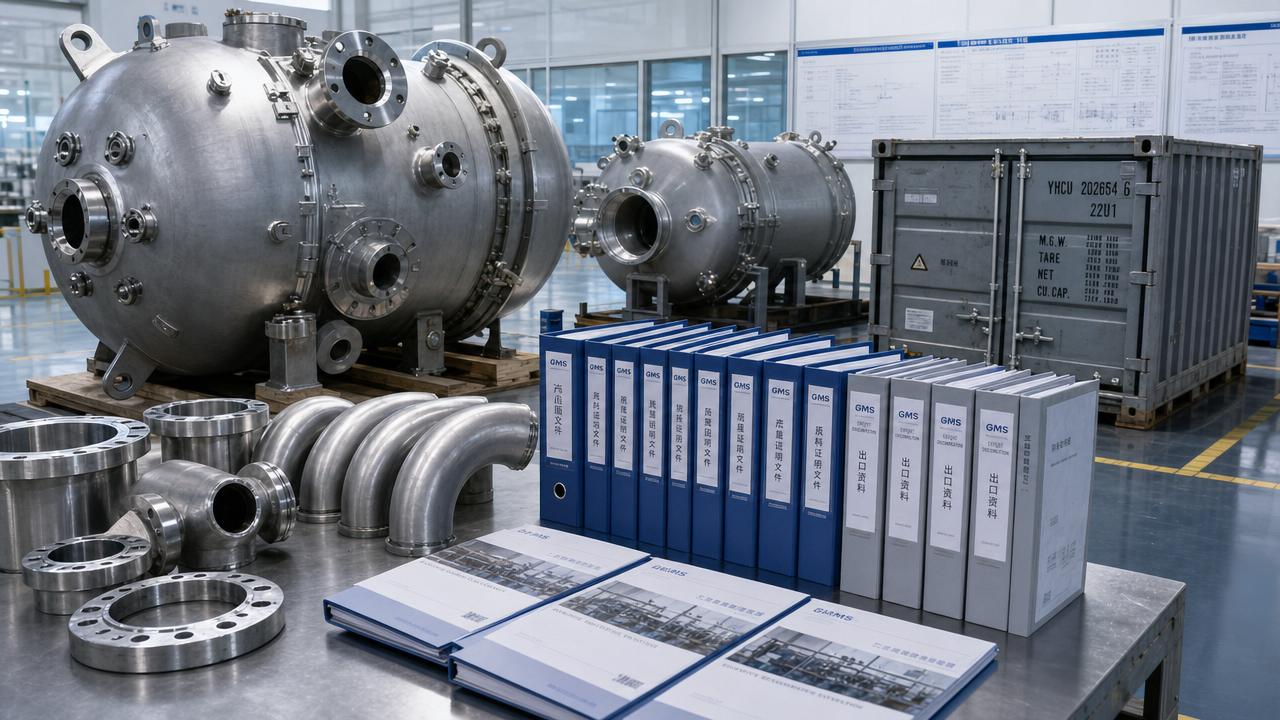
On June 1, 2026, the preparation period began for a new round of steel trade control policies ahead of full implementation. The information currently available indicates tighter export supervision for specialty alloy steel materials, with particular attention to key components used in High-Pressure Autoclave equipment, including high-pressure-resistant duplex steel and nickel-based alloy reactor shells. This development is relevant to steel exporters, raw material buyers, pressure vessel manufacturers, distribution channels, and supply chain service providers because documentation requirements and export review timelines may directly affect order planning and delivery coordination.
Event Overview
According to the available information, June 2026 is the preparation period before the full implementation of the new steel trade control policy. The policy preparation focuses on strengthening export supervision over specialty alloy steel materials.
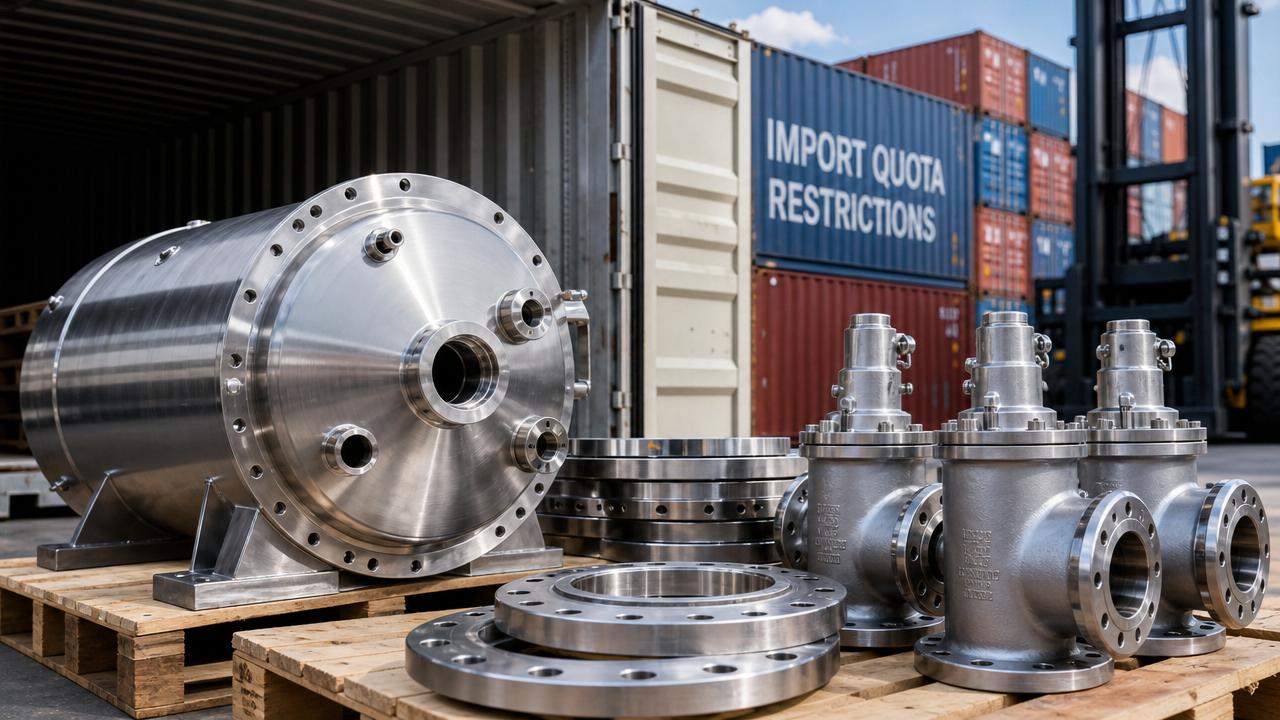
For High-Pressure Autoclave applications, core components such as high-pressure-resistant duplex steel parts and nickel-based alloy reactor vessel shells are expected to face significantly higher requirements for raw material traceability and end-use declarations. Export document review cycles are expected to be extended by 3 to 5 working days.
At this stage, the confirmed information mainly concerns the preparation period, the tighter review direction for specialty alloy steel exports, the affected High-Pressure Autoclave-related components, and the expected extension of export document review time.
Which Market Segments May Be Affected
Direct Steel and Component Exporters
Direct export companies are likely to be the first to feel the impact because the information points to stricter export documentation review for specialty alloy steel materials. For exporters handling duplex steel, nickel-based alloy components, or reactor shell-related products, the main impact may appear in document preparation, order scheduling, and export clearance coordination.
Analysis shows that a 3 to 5 working day extension in document review may not only affect shipment timing, but also require exporters to align sales contracts, delivery commitments, and customer communication more carefully.
Raw Material Procurement Companies
Companies purchasing specialty alloy steel materials for High-Pressure Autoclave manufacturing should pay close attention to raw material traceability requirements. Since the available information specifically mentions significantly higher traceability requirements, procurement teams may need to ensure that supplier documents can support future export review needs.
From an industry perspective, the impact on procurement is not limited to price or availability. It also includes whether material certificates, origin information, and batch-level documentation are complete enough to support downstream export filing.
High-Pressure Autoclave and Pressure Vessel Manufacturers
Manufacturers involved in High-Pressure Autoclave systems may be affected when key components rely on high-pressure-resistant duplex steel or nickel-based alloy reactor shells. These companies may need to coordinate more closely with material suppliers and export partners to ensure that component documentation matches end-use declaration requirements.
Observably, the review focus on final use may make technical, commercial, and logistics teams more closely connected. If the end-use statement is incomplete or inconsistent with export documents, delivery schedules could face additional uncertainty.
Channel Distribution and Trading Companies
Distribution channels that buy, resell, or arrange cross-border supply of specialty alloy steel components may face higher pressure in document collection and customer verification. The reason is that such companies often sit between manufacturers and end users, making traceability and end-use information more dependent on upstream and downstream cooperation.
What deserves more attention now is whether channel companies can obtain accurate raw material records and final application statements before accepting time-sensitive orders. Incomplete documentation may become a practical bottleneck during the preparation period.
Supply Chain and Export Service Providers
Logistics coordinators, customs documentation service providers, and export compliance support teams may also be affected. The expected 3 to 5 working day extension in review time means that shipment booking, customs document submission, and delivery planning may need more buffer time.
Analysis shows that service providers may need to update workflow expectations for clients dealing with High-Pressure Autoclave-related specialty alloy components, especially where export documents involve raw material traceability and end-use declarations.
Key Issues to Monitor and Practical Responses
Track Further Official Wording and Policy Details
Companies should continue monitoring later policy wording and implementation details related to specialty alloy steel exports. The current information confirms a preparation period and a stricter review direction, but specific operational requirements may still need to be clarified through subsequent official communications.
It is more appropriate to understand this as a signal that documentation standards are becoming more important before full implementation, rather than treating every operational detail as already finalized.
Review Products Linked to High-Pressure Autoclave Components
Enterprises should identify whether their current orders involve high-pressure-resistant duplex steel, nickel-based alloy reactor shells, or other key components used in High-Pressure Autoclave equipment. This product-level review is more useful than applying a general assumption to all steel products.
From an industry perspective, the practical priority is to separate affected specialty alloy steel items from ordinary business lines so that export review preparation can be focused on the most relevant orders.
Prepare Traceability and End-Use Documents Earlier
Companies involved in exporting or supplying relevant components should collect raw material traceability documents and end-use declarations earlier in the order cycle. This includes checking whether material information, component descriptions, and stated final use are consistent across sales, production, and export documents.
Analysis shows that early document preparation may reduce the risk of last-minute delays, especially if the export review cycle is extended by 3 to 5 working days.
Add Time Buffers to Export and Delivery Planning
Exporters and manufacturers should consider adding a practical buffer to shipment schedules for affected High-Pressure Autoclave-related components. The currently available information indicates that document review may take longer, so delivery commitments should reflect this possible timing change.
What deserves more attention now is communication with customers and logistics partners. If order timelines were originally arranged without additional review time, companies may need to update delivery expectations during the preparation period.
Editor’s Viewpoint / Industry Observation
Observably, this development is not only about export paperwork. It highlights a stronger connection between specialty alloy steel trade, component-level traceability, and declared final use in equipment applications such as High-Pressure Autoclave systems.
Analysis shows that the current stage is better viewed as a preparation and adjustment window before full implementation. The available information does not confirm broader outcomes beyond the stated review tightening and expected document review extension. However, it does indicate that companies connected to specialty alloy steel exports should treat documentation quality as a direct operational factor.
From an industry perspective, the issue is important because affected companies may need to coordinate across procurement, production, sales, compliance, and logistics. The more complex the supply chain, the more important it becomes to ensure that raw material traceability and end-use statements are complete and consistent.
Conclusion
The preparation period beginning on June 1, 2026, signals tighter export review for specialty alloy steel materials, particularly key components used in High-Pressure Autoclave equipment. The most immediate industry impact is likely to appear in documentation requirements, review timelines, and delivery planning for products involving high-pressure-resistant duplex steel and nickel-based alloy reactor shells.
It is more appropriate to understand this development as a policy preparation signal with practical business implications, rather than as a fully settled operational outcome. Companies should remain neutral, track further policy details, and prepare documentation and scheduling plans based on the information currently available.
Information Source Statement
Main source: provided industry information brief dated June 1, 2026, concerning the preparation period for the new steel trade control policy and tighter export review for High-Pressure Autoclave-related key components.
Items requiring continued observation: subsequent official policy wording, detailed implementation procedures, product scope confirmation, and actual export review practices after full implementation.
Expert Insights

Chief Security Architect
Dr. Thorne specializes in the intersection of structural engineering and digital resilience. He has advised three G7 governments on industrial infrastructure security.
Related Analysis
Core Sector // 01
Security & Safety
- China Starts Autoclave Export Whitelist PilotAuthor :Dr. Elena Carbon

- EU Starts Carbon Tariff Review for High-Pressure AutoclavesAuthor :Dr. Elena Carbon

- UK Delays F-Gas Cut, Easing Autoclave Service CostsAuthor :Dr. Elena Carbon

- UK Delays F-Gas Cut, Easing Autoclave Service CostsAuthor :Dr. Elena Carbon

- Non Asbestos Gaskets vs Rubber and PTFE: Which Sealing Material Fits Your Process?Author :Dr. Elena Carbon

- BIS Tightens Controls on Autoclave Controllers for AI PharmaAuthor :Dr. Elena Carbon

- BIS Expands Export Controls on Autoclave Controllers for AI PharmaAuthor :Dr. Elena Carbon

- UK Steel Quota Cut Raises Autoclave Component CostsAuthor :Dr. Elena Carbon