How Decentralized Labs Are Changing Equipment Priorities
Author
Date Published
Reading Time

As R&D and pilot production move closer to patients, partners, and regional markets, the impact of decentralizing labs on equipment is becoming a strategic concern for enterprise decision-makers. Priorities are shifting from centralized, high-capacity systems to flexible, precision-driven platforms that support compliance, scalability, and faster technology transfer across distributed operations.
For lab directors, bioprocess engineers, and procurement leaders, this shift is not simply about placing smaller instruments in more locations. It changes how equipment is specified, validated, serviced, connected, and compared across sites. In pharmaceutical, chemical, and advanced life science environments, distributed lab networks must still deliver repeatability within tight tolerances, often across 3 to 10 locations, multiple workflows, and different regulatory expectations.
That is why the impact of decentralizing labs on equipment now reaches beyond capital expenditure. It affects data integrity, operator training, fluidic accuracy, transfer readiness, and the speed at which a method can move from benchtop trials to pilot-scale execution. For enterprises evaluating reactors, microfluidic systems, bioreactors, centrifugation platforms, and automated liquid handling, equipment priorities are being rewritten around micro-efficiency, interoperability, and consistent output under real operating constraints.
Why Decentralized Lab Models Are Reshaping Equipment Strategy
Traditional centralized laboratories were designed to consolidate expertise, maximize utilization of large-capacity assets, and control validation in a single environment. That model still works for some high-volume workflows, but decentralized networks are growing because they reduce transfer delays, shorten sample travel time, and place development capacity closer to regional production or clinical demand. In many organizations, even a 24- to 72-hour reduction in sample movement can materially improve decision speed.
The impact of decentralizing labs on equipment becomes most visible when procurement teams compare legacy buying logic with current operational realities. A 200-liter pilot unit in one central facility may not solve the challenge of running synchronized development work across four regional labs. In those cases, decision-makers increasingly prefer modular systems, smaller validated footprints, and hardware that can reproduce process conditions with a defined error range such as ±0.5% to ±2%, depending on the workflow.
From capacity-first to precision-first selection
In centralized environments, purchase decisions often prioritize throughput and broad functionality. In decentralized settings, precision and consistency move to the top of the list. A distributed network cannot rely on operator improvisation to bridge differences between sites. It needs systems that perform predictably across variations in local staffing, environmental controls, and sample profiles.
This is especially true in fluidic-critical applications. Automated pipetting platforms may be judged by sub-microliter dispensing repeatability rather than headline speed alone. Microreactors may be selected for thermal stability across 5°C to 80°C and fast setup cycles under 30 minutes, not just nominal output. Bioreactor systems may need identical sensor architecture and digital recipe portability so that a process developed at one site can be reproduced at another with minimal reconfiguration.
Why standardization matters more in distributed operations
When labs are dispersed, hardware variation creates hidden cost. Different rotor interfaces, software versions, wetted materials, control logic, and calibration routines can add weeks to transfer timelines. For procurement leaders, the issue is no longer whether an instrument performs well in isolation, but whether 6 units purchased over 18 months can operate under a unified technical and compliance framework.
Organizations that benchmark equipment against ISO, USP, and GMP-relevant expectations gain a practical advantage. They can compare not just performance claims but validation burden, cleaning pathways, documentation completeness, and change control implications. In distributed operations, these factors often influence total lifecycle cost more than the initial purchase price.
The table below shows how equipment priorities typically shift when enterprise labs move from centralized infrastructure to decentralized deployment.
The key takeaway is clear: the impact of decentralizing labs on equipment is not a minor specification change. It is a shift in operating model. Capacity still matters, but it is increasingly balanced against portability of methods, digital consistency, and the ability to scale processes without reinventing the hardware stack at each location.
How Equipment Priorities Change Across Core Lab Categories
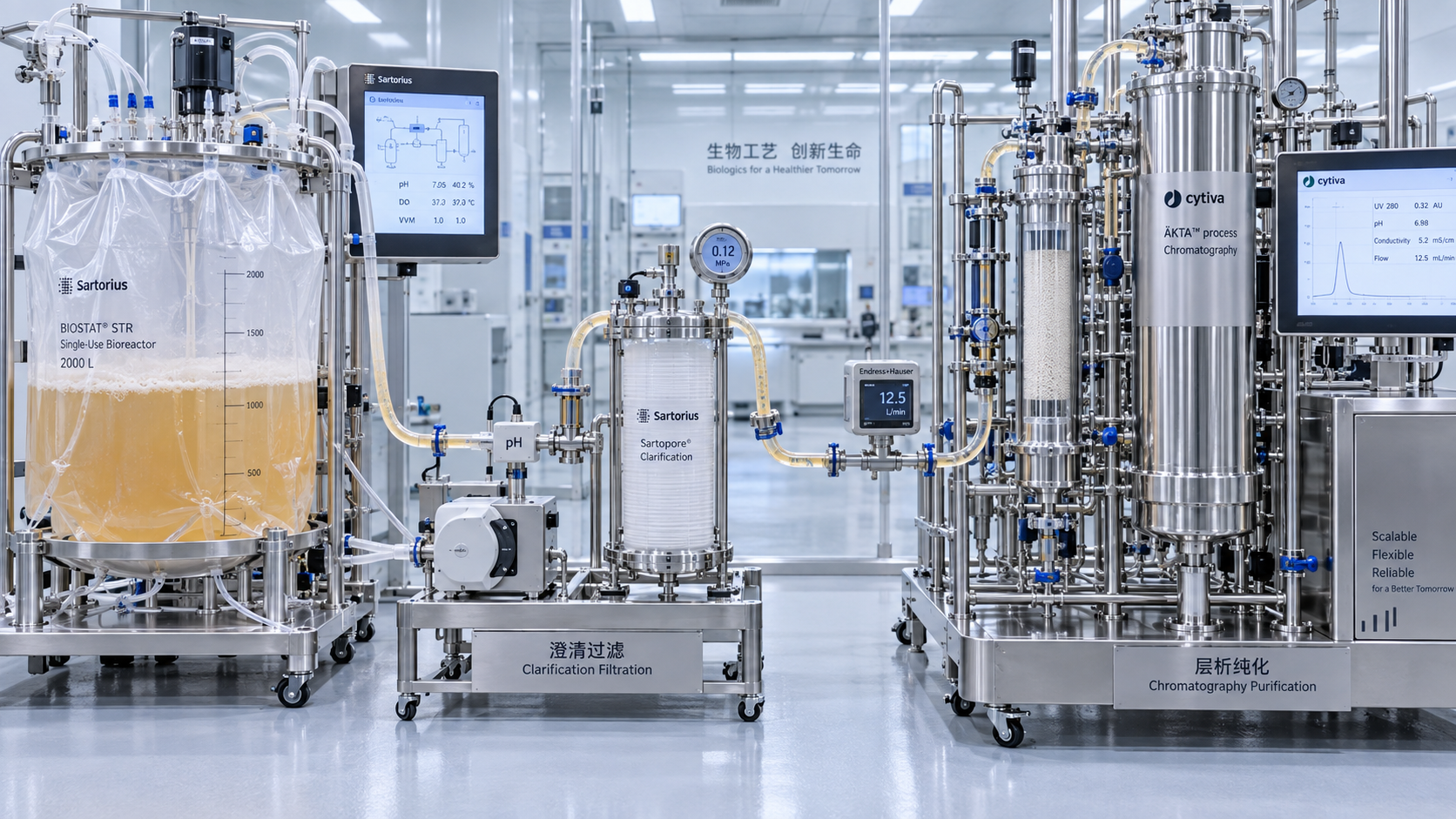
Different equipment classes respond differently to decentralization. However, five categories consistently emerge in enterprise purchasing discussions: pilot-scale reactors, precision microfluidic devices, bioreactors and cell culture platforms, centrifugation systems, and automated liquid handling. In each category, the technical question is the same: can the system preserve process fidelity when placed in a distributed operating environment?
Pilot-scale reactors and synthesis systems
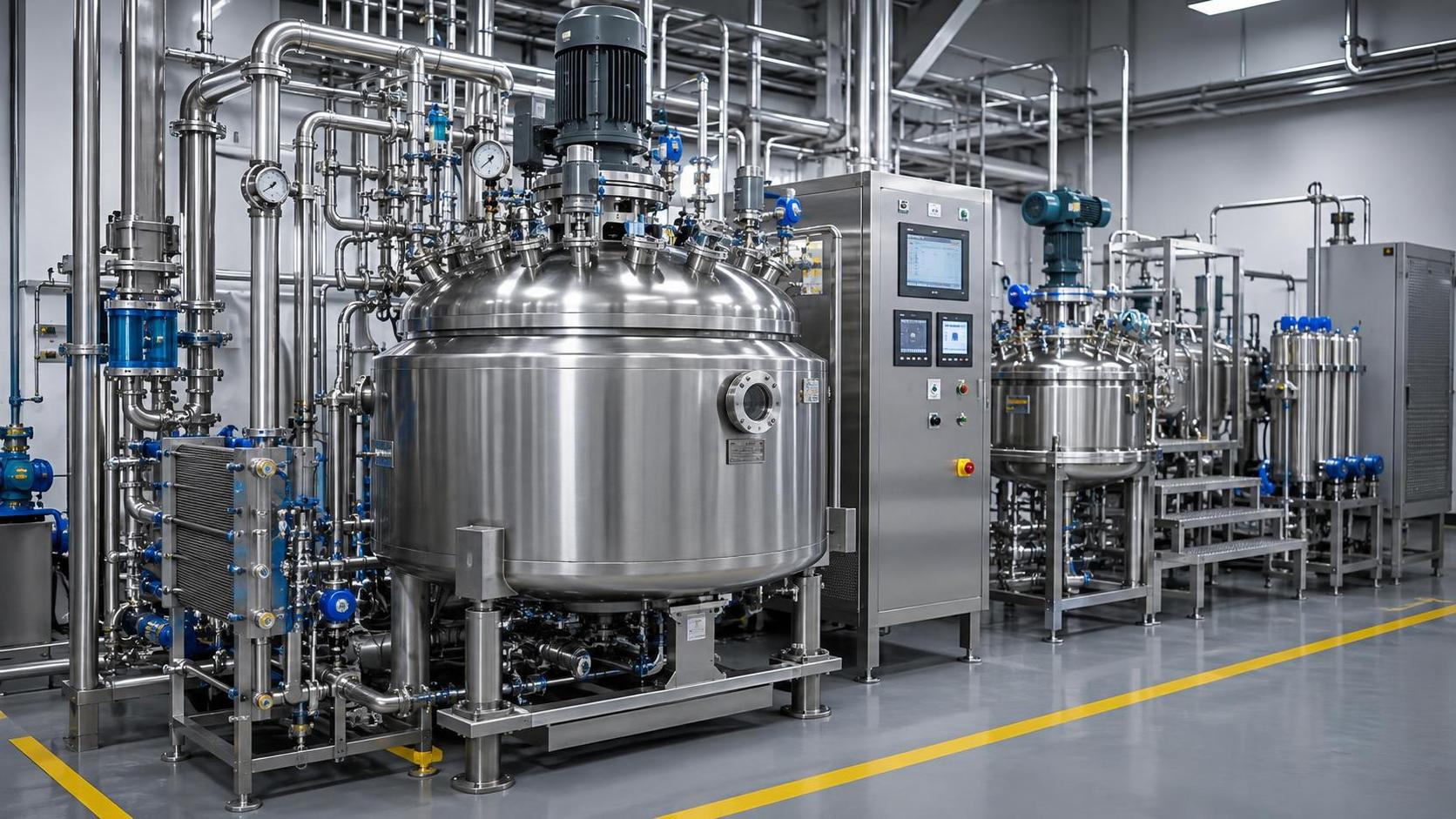
In a decentralized model, pilot systems are expected to support faster local trials without sacrificing scale-up relevance. Decision-makers often look for reactor platforms that cover a practical volume range such as 1 L to 50 L, support interchangeable vessels, and maintain thermal and mixing reproducibility between sites. Fast cleaning turnaround and documented material compatibility also become more important when units are used for frequent, multi-project changeovers.
Priority specification points
- Recipe transferability across identical control interfaces
- Consistent agitation, heating, and sensor calibration logic
- Installation timelines that can fit within 2–6 weeks instead of major facility retrofits
- Support for GMP-aligned documentation when pilot data may inform later production decisions
Precision microfluidic devices
Microfluidics becomes strategically valuable in decentralized networks because it enables high-information experiments with lower reagent consumption and tighter fluidic control. For organizations working on personalized therapeutics, formulation studies, or process intensification, the impact of decentralizing labs on equipment is strongly reflected in the move toward devices that can generate reproducible results with microliter or sub-microliter volumes.
Key evaluation criteria include channel material compatibility, pressure stability, flow-rate control, and ease of replacing consumable fluid paths. In practice, systems that reduce dead volume, simplify cleaning validation, and provide digital traceability often outperform larger but less standardized alternatives in a multi-site environment.
Bioreactors and cell culture infrastructure
Distributed bioprocess development creates pressure for bioreactor platforms that are compact yet bioconsistent. Single-use formats are often favored when local contamination control resources vary, while benchtop systems in the 250 mL to 20 L range are useful for parallel process development. Enterprises usually prioritize sensor consistency, gas control precision, and data export compatibility over raw vessel count alone.
For cell therapy and biologics workflows, site-to-site reproducibility is more valuable than adding isolated capacity. If dissolved oxygen control, pH response, and feeding logic differ between facilities, comparability suffers quickly. That makes hardware harmonization a central investment decision, not an operational afterthought.
Centrifugation and separation systems
Decentralized labs need centrifuges that are easy to qualify, safe to operate in varied settings, and flexible enough for changing sample types. Enterprises often favor systems with programmable methods, rotor interchangeability, imbalance detection, and digital audit support. Short runs of 5 to 30 minutes repeated many times per day can make ergonomics and method consistency more important than peak speed alone.
Automated pipetting and liquid handling
Liquid handling is one of the clearest examples of the impact of decentralizing labs on equipment. Distributed teams need automation that reduces operator variability and supports common protocols. Enterprises typically compare deck flexibility, dispensing range, calibration stability, software usability, and the ability to manage method libraries across multiple sites. Systems that achieve precise low-volume dispensing and require fewer manual adjustments tend to deliver faster return in decentralized workflows.
The following matrix helps decision-makers align equipment categories with decentralized deployment priorities.
This comparison shows that decentralized purchasing is less about owning more equipment and more about building a coherent technical architecture. The organizations that perform best are usually those that define category-specific criteria before site-by-site buying begins.
Procurement Risks, Evaluation Criteria, and Implementation Steps
The impact of decentralizing labs on equipment often becomes expensive when enterprises underestimate implementation complexity. An instrument that appears cost-effective at purchase can create hidden burdens in training, spare parts, software version control, and local qualification. For global organizations, the challenge is to reduce these variables before deployment rather than after incidents occur.
Four procurement risks that deserve board-level attention
- Platform fragmentation: multiple similar instruments with different interfaces increase support complexity and delay method transfer.
- Documentation gaps: missing calibration records, material declarations, or validation support can slow regulated workflows by several weeks.
- Service inconsistency: if field response varies from 24 hours in one region to 7 days in another, uptime assumptions become unreliable.
- Data incompatibility: inconsistent software environments weaken comparability and complicate audit readiness.
A practical 5-step evaluation framework
To reduce these risks, enterprise buyers should use a structured qualification process that balances technical performance with operational fit.
Step 1: Define transfer-critical parameters
Identify the 5 to 8 variables that most affect reproducibility, such as flow-rate accuracy, temperature stability, vessel geometry, sensor response time, or dispensing precision.
Step 2: Map site constraints
Review utilities, space, operator skill profile, environmental controls, and expected sample or batch frequency at each target location.
Step 3: Benchmark documentation readiness
Compare user manuals, IQ/OQ support, material traceability, calibration pathways, and software governance before issuing purchase approvals.
Step 4: Validate digital consistency
Ensure recipe files, data exports, alarms, and audit capabilities function uniformly across devices and regions.
Step 5: Plan lifecycle support
Evaluate spare part availability, preventive maintenance cycles, remote diagnostics, and operator retraining intervals, typically every 6 to 12 months.
Common misconceptions in decentralized equipment planning
One common mistake is assuming smaller equipment automatically means easier deployment. In reality, compact systems may still require complex calibration, strict environmental control, or specialized consumables. Another mistake is selecting different instruments for each site to suit local preferences. While this may seem practical in the short term, it often undermines comparability and raises the long-term cost of ownership.
A better approach is to define a preferred equipment architecture by application class. For example, one enterprise may standardize on 2 reactor configurations, 1 microfluidic platform family, and 1 liquid handling software environment across all regional labs. That level of discipline makes distributed growth easier to manage.
What Enterprise Decision-Makers Should Prioritize Next
As decentralized development expands, equipment strategy should be treated as an enabler of speed, compliance, and process continuity. The best investments are rarely the most complex systems or the highest-capacity installations. They are the platforms that deliver fluidic precision, bioconsistency, and scalable documentation under real-world conditions across multiple sites.
For organizations navigating the impact of decentralizing labs on equipment, the most valuable next step is a structured benchmarking review. Compare current assets against transfer readiness, precision thresholds, maintenance model, digital interoperability, and regulatory documentation depth. This creates a more reliable basis for purchasing than price-only comparison or site-by-site exception buying.
G-LSP supports this decision process by connecting bench-level requirements with industrial-scale execution logic across pilot reactors, microfluidic systems, bioreactors, centrifugation technology, and automated liquid handling. If your team is assessing distributed lab infrastructure, evaluating upgrade paths, or building a harmonized procurement roadmap, now is the right time to review your equipment priorities. Contact us to discuss your application, request a tailored benchmarking perspective, or explore more solutions for decentralized lab performance.
Expert Insights

Chief Security Architect
Dr. Thorne specializes in the intersection of structural engineering and digital resilience. He has advised three G7 governments on industrial infrastructure security.
Related Analysis
Core Sector // 01
Security & Safety
- Regulatory Compliance gaps that delay pharma launchesAuthor :Dr. Elena Carbon

- Pharmaceutical Process Improvement: Reducing Batch Variability Without Delaying Scale-UpAuthor :Dr. Elena Carbon

- Selecting Bioprocessing Modules for Scalable Upstream and Downstream WorkflowsAuthor :Dr. Elena Carbon

- Agricultural Processing Equipment Prices: What Buyers Should Compare Beyond the QuoteAuthor :Dr. Elena Carbon

- Wholesale Mechanical Seals: A Buyer’s Checklist for Materials, Duty, and Supplier QualityAuthor :Dr. Elena Carbon

- How to Qualify a GMP Compliance Supplier for Critical Lab ConsumablesAuthor :Dr. Elena Carbon

- Comparative Technical Benchmarking: Which Metrics Matter for Laboratory Platform Selection?Author :Dr. Elena Carbon

- How to Compare Reactor System Suppliers for Scale-Up, Compliance, and Total CostAuthor :Dr. Elena Carbon