How synthesis systems affect pharma output and consistency
Author
Date Published
Reading Time
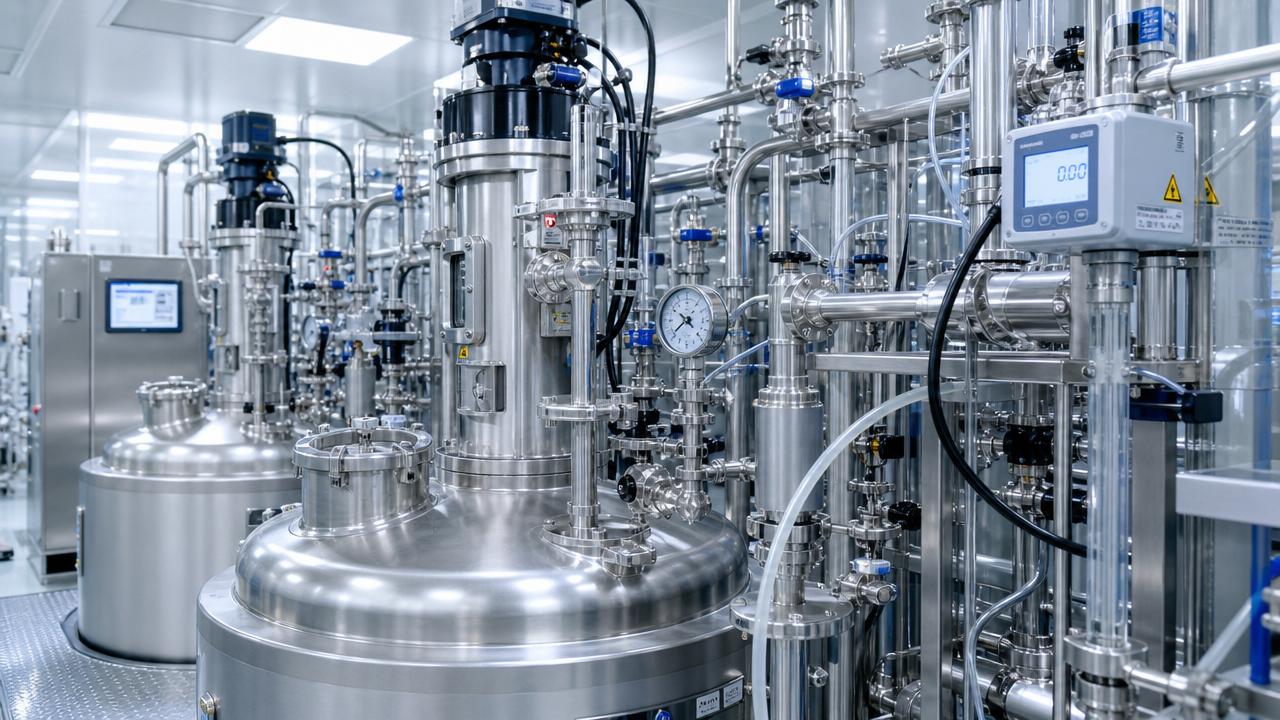
In pharmaceutical manufacturing, output only matters when every batch performs the same way. Synthesis systems for pharmaceutical production directly influence reaction control, contamination prevention, traceability, and compliant scale-up.
When system architecture is weak, yield gains can hide variation, drift, and risk. When design is precise, output becomes more stable, review cycles shorten, and quality events become easier to prevent.
This makes equipment choice a process decision, not only a capital decision. From lab synthesis to pilot transfer, system behavior shapes consistency, safety, and operational readiness.
What are synthesis systems for pharmaceutical production, and why do they matter?
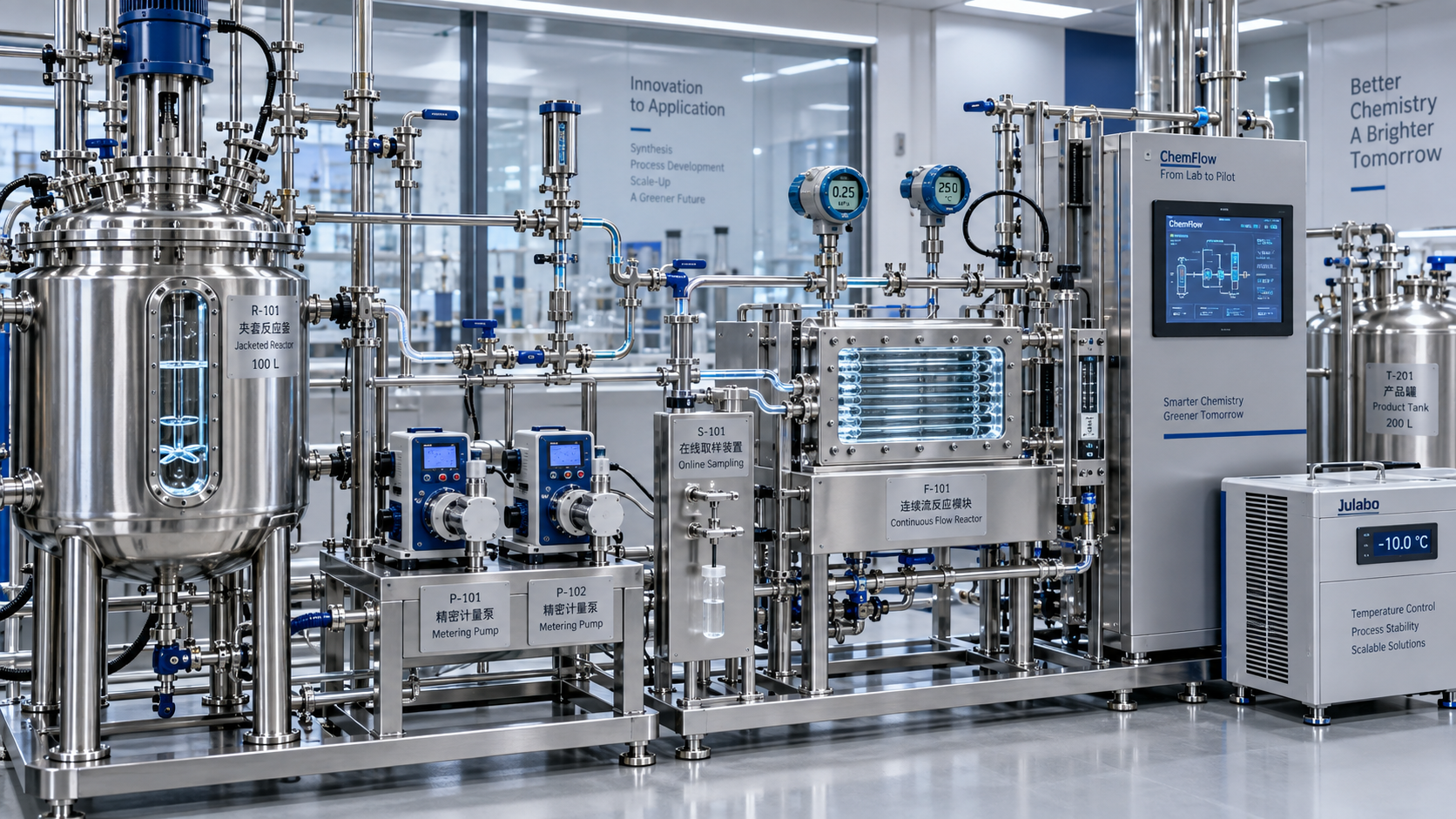
Synthesis systems for pharmaceutical production are integrated reactor and process platforms used to create active ingredients, intermediates, and critical compounds under controlled conditions.
They combine vessel design, agitation, heat transfer, dosing, pressure control, monitoring, and cleaning strategy. Together, these factors define how reproducibly a reaction can run.
In pharma, slight deviations can change impurity profiles, crystal properties, or conversion rates. That is why system performance affects both output volume and product consistency.
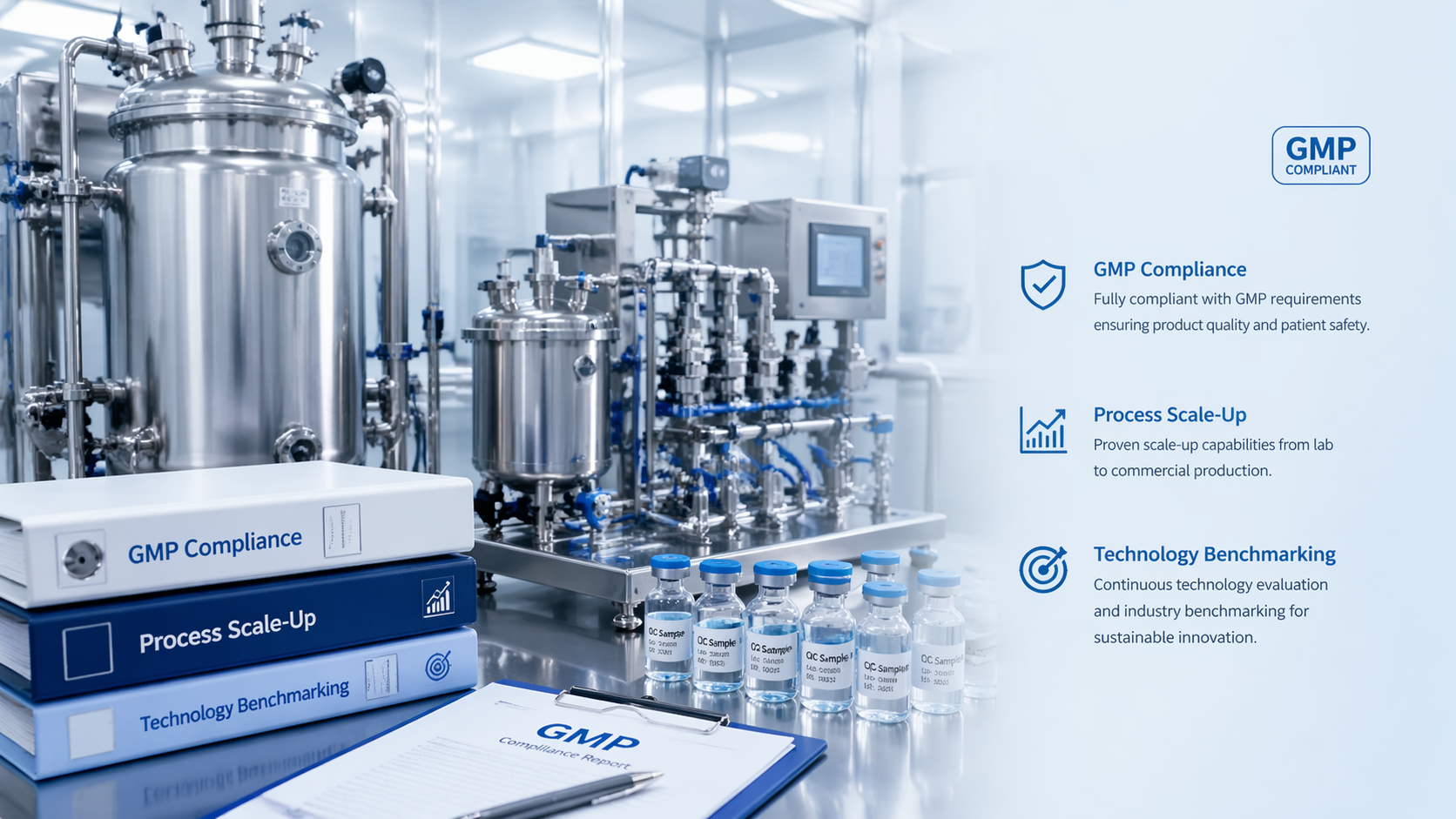
A robust synthesis platform supports tighter process windows. It also improves data integrity, documentation quality, and smoother movement toward GMP-aligned production environments.
Key design elements that influence performance
- Reactor geometry and mixing efficiency
- Temperature uniformity and thermal response speed
- Feed accuracy for solvents, catalysts, and reagents
- Material compatibility with corrosive or sensitive chemistry
- Sensor placement, calibration, and digital logging
- Cleaning, containment, and operator safety features
How do synthesis systems affect pharma output beyond simple batch size?
Output is not only about liters or kilograms. In pharmaceutical operations, output also means usable yield, cycle time, downtime frequency, and the percentage of batches released without deviation.
Synthesis systems for pharmaceutical production can increase real throughput by reducing setup errors, stabilizing temperature ramps, and shortening reaction hold adjustments.
For example, poor heat transfer may force slower feed rates. Uneven mixing may create localized concentration spikes. Both issues reduce effective output even if vessel volume remains unchanged.
By contrast, a system engineered for rapid thermal control and precise dosing can support faster reactions with fewer off-spec results. That improves productive hours and batch release confidence.
Output factors often shaped by system design
- Reaction completion time
- Yield recovery and impurity burden
- Cleaning turnaround between campaigns
- Alarm events and unplanned intervention
- Reproducibility during process transfer
Why is consistency the real test of synthesis systems for pharmaceutical production?
High output without consistency creates hidden cost. Variability drives investigations, retesting, hold decisions, and sometimes full batch rejection.
Synthesis systems for pharmaceutical production protect consistency by controlling critical process parameters within narrow ranges. This is essential for sensitive chemistries and regulated documentation.
Repeatability depends on more than automation. Mechanical stability, seal integrity, dead-volume control, and sensor response all affect whether the same recipe behaves the same way each time.
Systems with strong fluidic precision also reduce human correction steps. Fewer manual interventions usually mean fewer opportunities for contamination or undocumented process drift.
Consistency risks commonly overlooked
- Temperature gradients inside larger vessels
- Pump pulsation affecting feed uniformity
- Sampling ports that increase contamination exposure
- Materials that adsorb product or reactants
- Control software without adequate audit history
Which applications benefit most from advanced synthesis system architecture?
Not every process needs the same level of complexity. However, advanced synthesis systems for pharmaceutical production are especially valuable where reaction sensitivity or compliance pressure is high.
Multi-step API synthesis often requires strict thermal and dosing control. Hazardous reactions benefit from better containment and pressure management. Personalized therapies need flexibility without sacrificing traceability.
Continuous or semi-continuous manufacturing also relies heavily on system stability. In these settings, small mechanical inconsistencies can become large quality issues over longer operating windows.
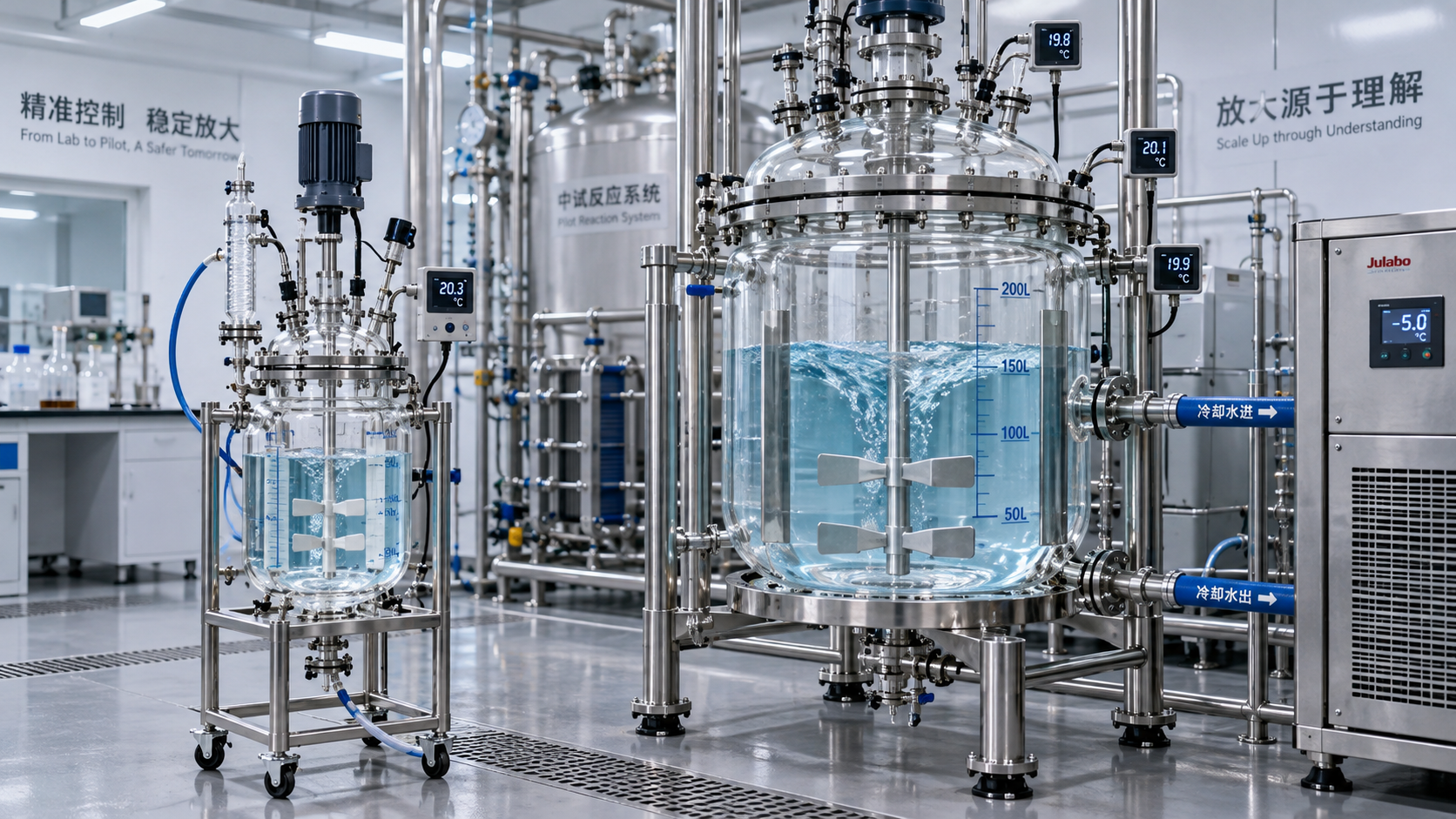
Pilot environments gain another advantage. Better architecture makes scale-up behavior easier to model, compare, and validate against production expectations.
How should synthesis systems for pharmaceutical production be compared during selection?
Selection should begin with process risk, not brochure claims. A lower-priced system may create higher lifecycle cost if deviations, cleaning delays, or calibration weaknesses become frequent.
Compare synthesis systems for pharmaceutical production across mechanical, process, digital, and compliance dimensions. The best fit is the platform that performs predictably under actual operating demands.
Priority comparison checklist
- Can the system maintain target temperature within validated tolerance?
- Does dosing remain accurate at low and high flow ranges?
- Are contact materials compatible with solvents, acids, bases, and clean agents?
- Is the control platform audit-ready and easy to review?
- How quickly can the unit be cleaned, reset, and documented?
- Is scale-up logic supported by data, not only assumptions?
It is also useful to request benchmark data under representative loads. Empty-vessel performance does not always reflect full-process behavior.
What mistakes reduce output and consistency after installation?
Many issues appear after commissioning, not before purchase. The most common mistake is assuming automation alone guarantees repeatability.
Another error is using generic recipes across different reactor geometries. Mixing and heat transfer vary by design, so process settings often need system-specific adjustment.
Insufficient maintenance also undermines synthesis systems for pharmaceutical production. Worn seals, drifting sensors, and feed pump variation gradually reduce control quality.
Finally, teams sometimes overlook data review discipline. Rich process data only improves consistency when trends are analyzed and linked to corrective actions.
How can organizations improve results from synthesis systems over time?
Continuous improvement starts with measurable baselines. Track yield variability, cycle time, cleaning turnaround, parameter excursions, and deviation frequency by product family.
Next, connect system behavior to process outcomes. If a reactor shows slower thermal response, feed timing and agitation settings may need controlled revision.
Synthesis systems for pharmaceutical production deliver more value when benchmarked across lab, pilot, and production contexts. This reveals whether consistency is engineered or merely observed by chance.
Independent technical benchmarking can also support stronger decisions. Platforms such as G-LSP help align equipment evaluation with fluidic precision, bioconsistency, and regulatory expectations.
Recommended next steps
- Define critical quality and process parameters before system comparison.
- Review thermal, dosing, and material performance using real process conditions.
- Assess data integrity, audit readiness, and maintenance accessibility.
- Benchmark scale-up reliability, not only nominal capacity.
- Use trend data to refine recipes and preventive maintenance intervals.
The strongest synthesis systems for pharmaceutical production do more than make chemistry possible. They make output repeatable, quality traceable, and growth more controllable.
For any operation balancing speed, safety, and compliance, system architecture deserves close scrutiny. Better precision today often prevents larger quality and capacity problems tomorrow.
Expert Insights

Chief Security Architect
Dr. Thorne specializes in the intersection of structural engineering and digital resilience. He has advised three G7 governments on industrial infrastructure security.
Related Analysis
Core Sector // 01
Security & Safety
- Regulatory Compliance gaps that delay pharma launchesAuthor :Dr. Elena Carbon

- Lab-to-Pilot Reactor Scale-Up: Managing Mixing and Heat TransferAuthor :Dr. Elena Carbon

- Biomanufacturing Equipment in Southeast Asia: Evaluating Suppliers and Local SupportAuthor :Dr. Elena Carbon

- Choosing Microplate Washers for Assay Labs: Residual Volume and Plate CompatibilityAuthor :Dr. Elena Carbon

- Automated Buffer Preparation: Troubleshooting pH and Conductivity DriftAuthor :Dr. Elena Carbon

- How to Select an Overhead Crane Pendant Control for Safe, Reliable OperationAuthor :Dr. Elena Carbon

- What Drives Ingredient Processing Equipment Prices Beyond Initial Purchase Cost?Author :Dr. Elena Carbon

- Selecting Modular Chemical Synthesis Equipment for Scalable Process DevelopmentAuthor :Dr. Elena Carbon