Why process optimization cuts waste in chemical synthesis
Author
Date Published
Reading Time
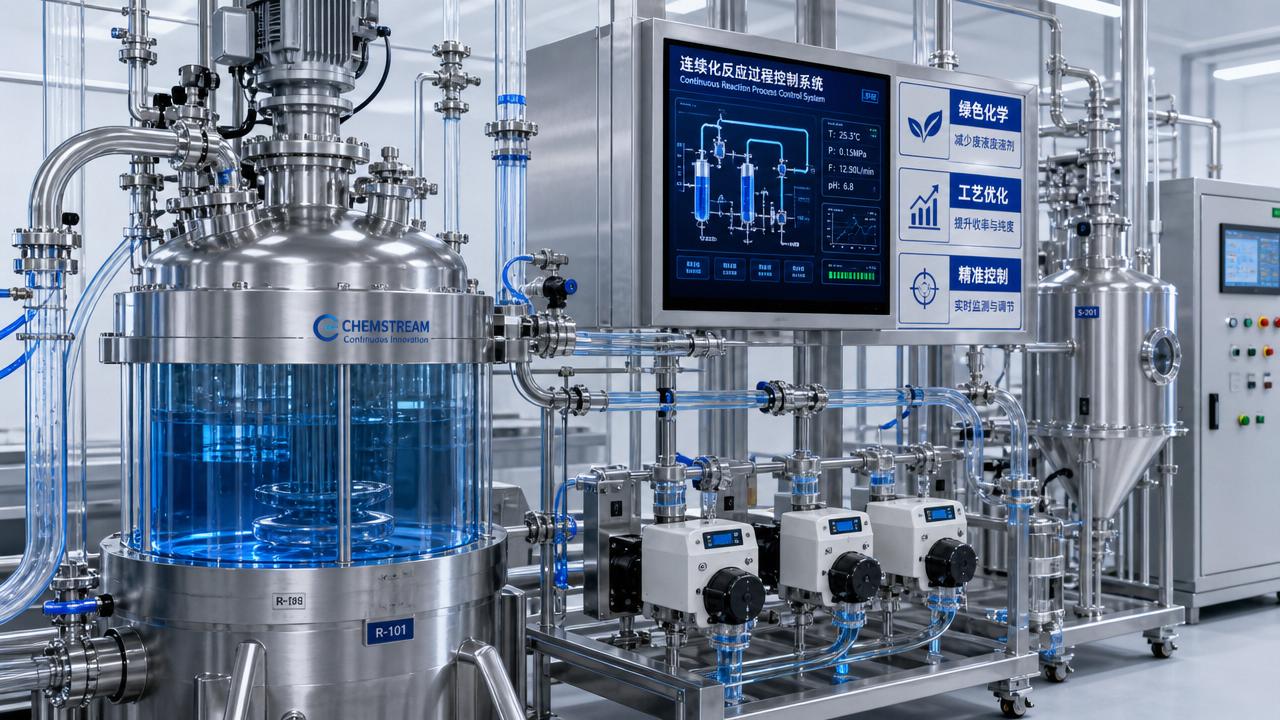
In chemical manufacturing, small inefficiencies can quickly scale into major waste, cost overruns, and quality risks. Chemical synthesis process optimization helps project teams improve yield, shorten cycle times, and strengthen process control from development to production. For organizations managing scale-up complexity, optimization supports higher efficiency, stronger compliance readiness, and more reliable execution across research, pilot, and commercial environments.
Chemical synthesis process optimization in practical terms
Chemical synthesis process optimization is the structured improvement of reaction, transfer, separation, and control steps to reduce waste while protecting output quality.
It focuses on measurable variables, including temperature stability, mixing behavior, residence time, reagent dosing, solvent use, and purification efficiency.
The goal is not only higher yield. It also includes lower impurity formation, safer operation, faster turnaround, and better reproducibility between lab and plant.
In modern operations, chemical synthesis process optimization increasingly connects batch development with continuous processing, digital monitoring, and fluidic precision.
This is especially relevant where sensitive reactions, narrow process windows, or regulated quality targets demand tight hardware and data consistency.
Core elements of optimization
- Reaction design that minimizes side reactions and incomplete conversion
- Fluid handling precision for accurate metering and controlled addition rates
- Heat and mass transfer improvements that stabilize critical conditions
- Separation and workup refinement that lowers solvent and energy demand
- Analytical feedback that supports repeatable process decisions
Why waste remains a critical industry issue
Waste in synthesis rarely comes from one visible error. It usually emerges from small deviations that accumulate across the full process chain.
A slightly uneven feed rate may trigger impurity growth. A delayed quench can affect selectivity. An inefficient wash can increase solvent consumption.
Across integrated chemical and pharmaceutical production, these losses become significant because each step influences the next operational decision.
Chemical synthesis process optimization addresses these sources before they become large-scale production penalties or regulatory concerns.
How optimization cuts waste across the synthesis lifecycle
The strongest waste reduction comes from lifecycle thinking. Improvements made during early development shape every later manufacturing outcome.
Development stage
At this stage, chemical synthesis process optimization defines robust reaction windows and identifies variables that drive conversion, selectivity, and impurity control.
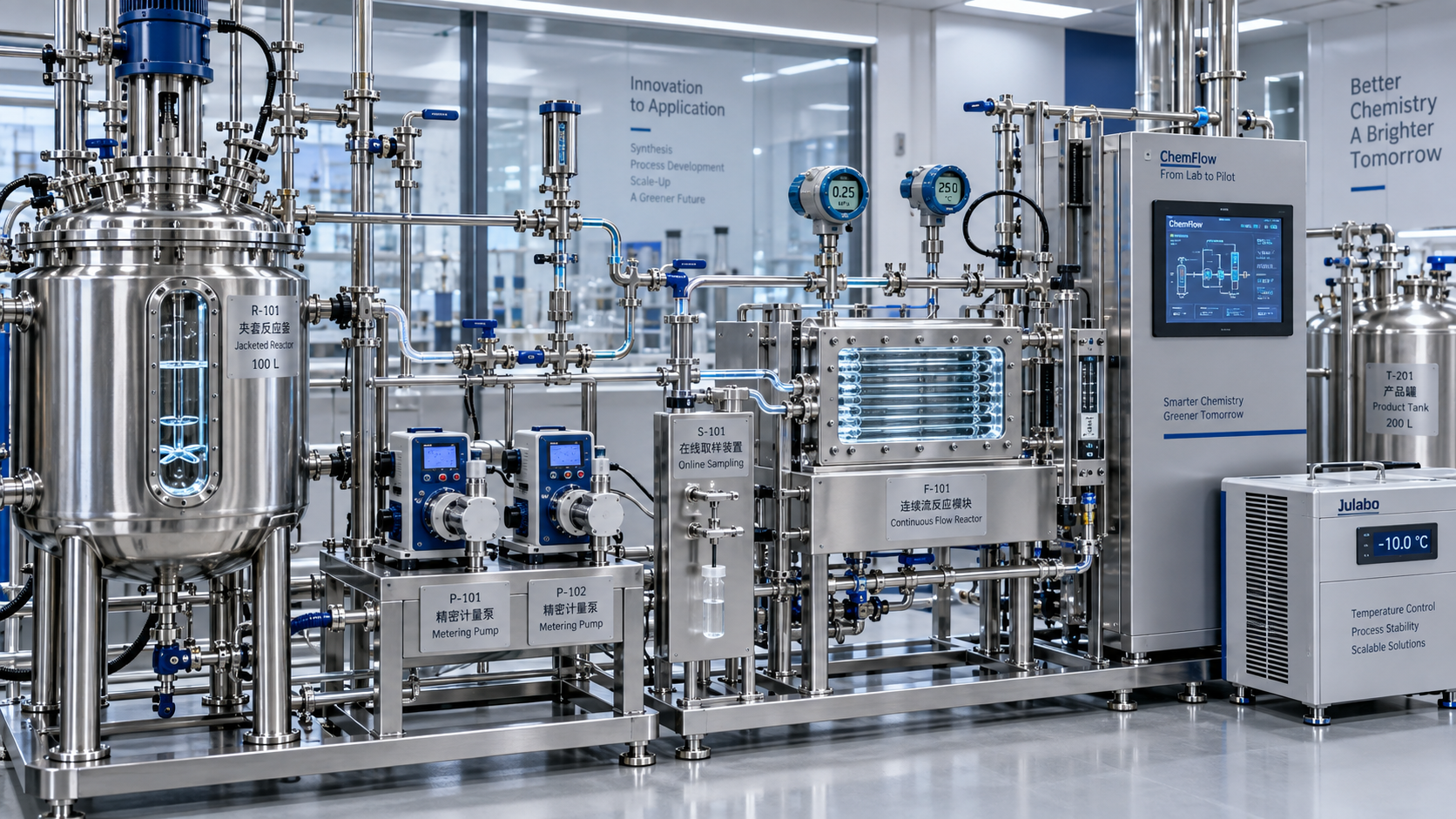
Microfluidic devices and lab-scale reactors are useful here because they enable tight thermal control and efficient screening with lower material consumption.
Pilot stage
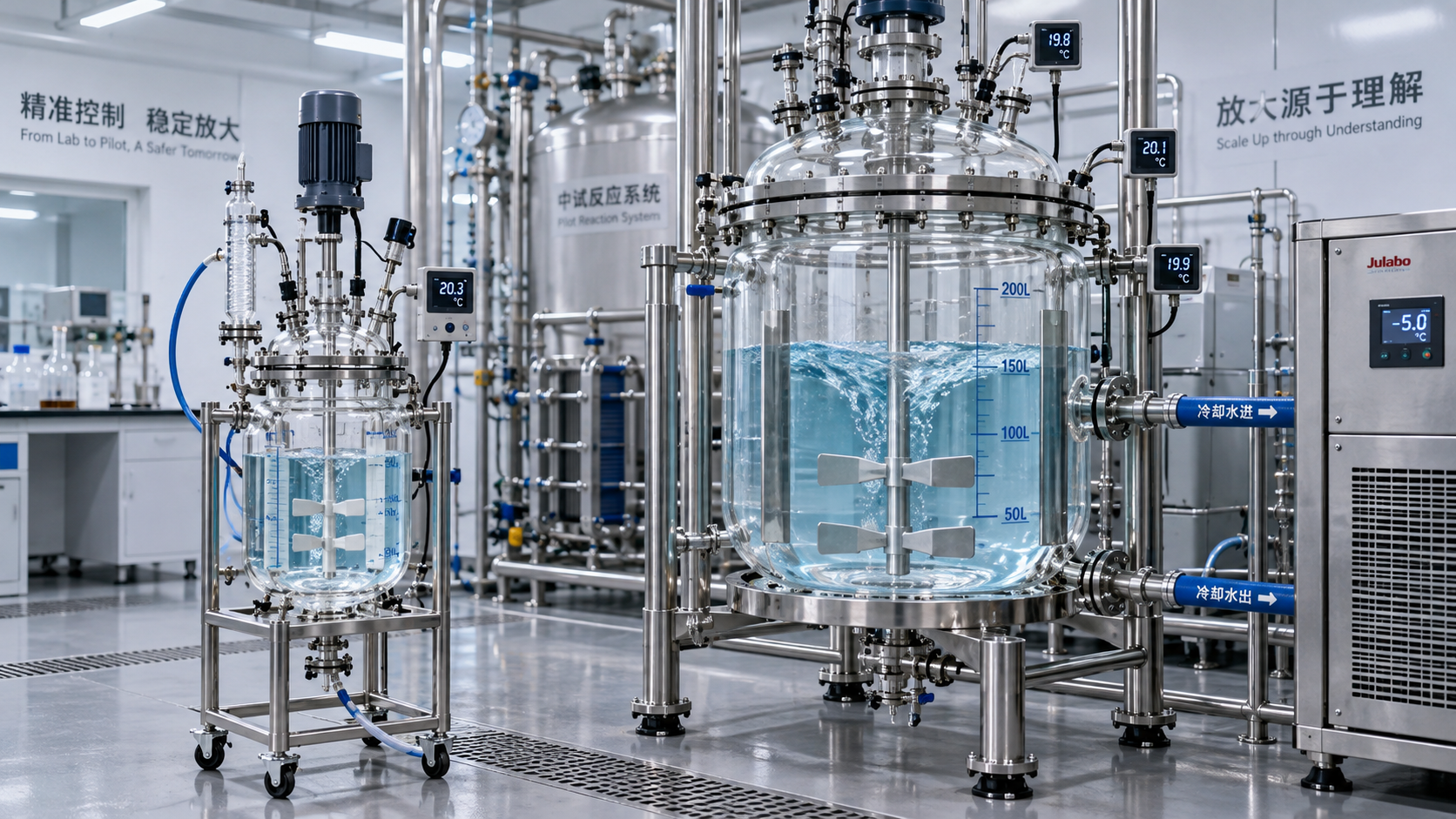
During scale-up, waste often increases because transfer conditions no longer match lab assumptions. Heat removal and mixing become more difficult.
Pilot-scale reactors, precise dosing systems, and benchmarked separation equipment help confirm whether the process remains stable under realistic throughput.
Production stage
At production scale, optimization supports repeatability, lower deviation rates, and more efficient cleaning, changeover, and material usage.
Continuous data review also helps detect drift early, reducing scrap and preventing hidden performance decline over long campaign schedules.
Business value beyond yield improvement
Yield is important, but chemical synthesis process optimization creates wider operational value that affects both technical and commercial performance.
- Lower raw material loss through better conversion and reduced overuse of reagents
- Shorter cycle times through faster stabilization and fewer corrective interventions
- Reduced solvent and utility demand through leaner workup design
- Improved quality consistency through tighter process windows
- Stronger compliance support through traceable control logic and benchmarked equipment performance
For complex organizations, these gains improve planning confidence. They also reduce uncertainty in technology transfer and capital allocation decisions.
This is where technical intelligence platforms such as G-LSP become useful. Benchmarking reactor, fluidic, separation, and handling systems supports better-fit process architecture.
Representative optimization scenarios
Chemical synthesis process optimization is not limited to one facility type. It applies across multiple operational settings with different waste profiles.
Practical recommendations for implementation
A successful optimization program should begin with process mapping, not isolated equipment changes. Waste must be linked to its true source.
- Define critical quality and efficiency metrics before testing improvements.
- Capture baseline data on yield, solvent use, cycle time, and deviation frequency.
- Prioritize steps with narrow operating windows or repeated variability.
- Use scalable hardware platforms to compare lab and pilot behavior accurately.
- Validate changes under realistic operating loads, not idealized laboratory conditions.
It is also important to review ancillary steps. Centrifugation, liquid transfer, cell culture support, and pipetting precision can influence total process reliability.
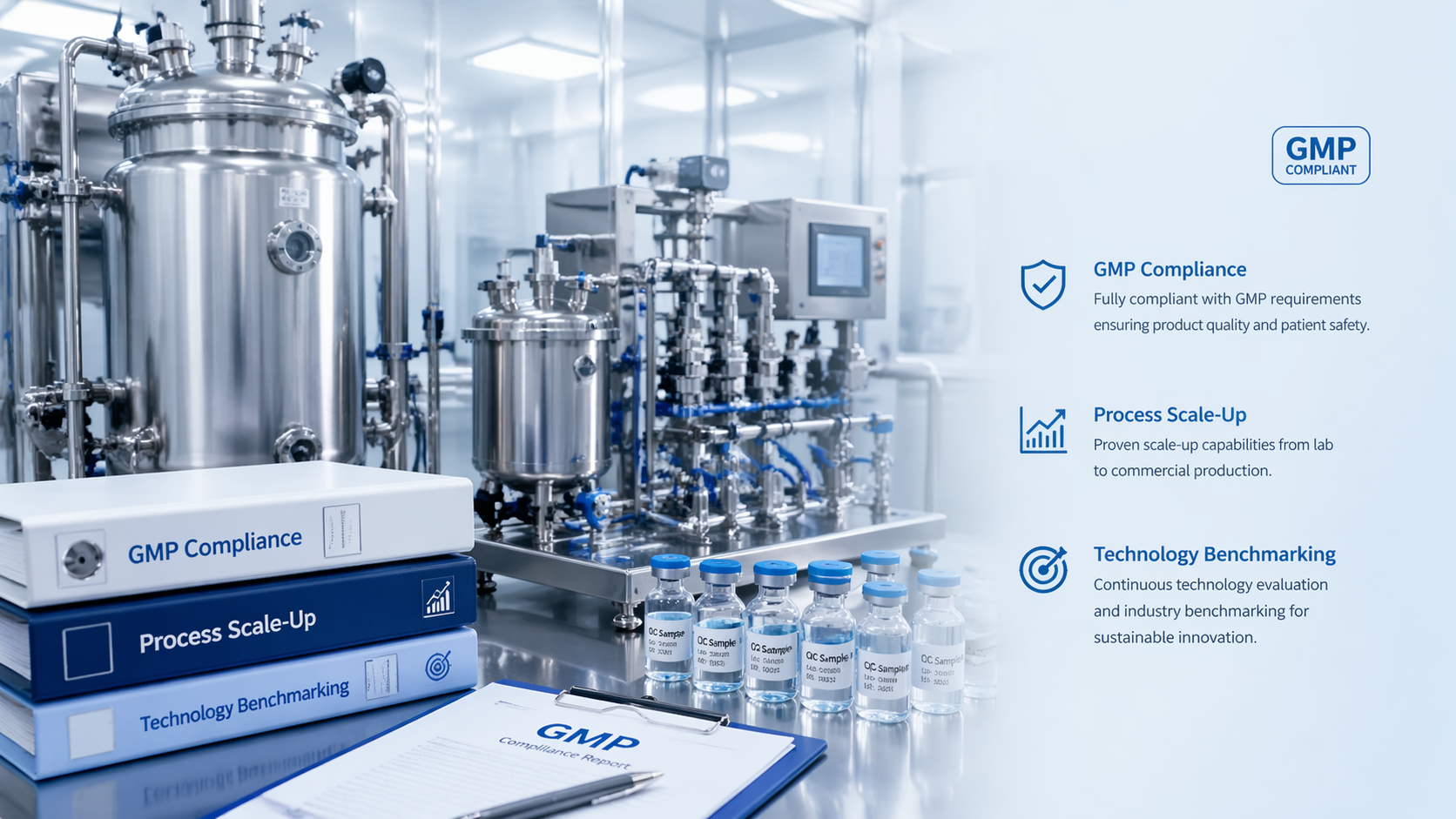
When benchmark data is available, teams can compare equipment performance against ISO, USP, and GMP expectations before major deployment decisions.
Common implementation mistakes
- Optimizing yield while ignoring purification losses
- Scaling batch size without reassessing transfer dynamics
- Using uncalibrated fluid handling in sensitive dosing steps
- Treating deviations as isolated events rather than process patterns
A disciplined next step for waste reduction
Chemical synthesis process optimization works best when technical decisions are grounded in benchmarked data, scalable hardware, and measurable control targets.
A practical next step is to review one synthesis pathway end to end, then quantify where waste, delay, or variability actually appears.
From there, compare reactor design, fluidic precision, separation performance, and automation options against the demands of that pathway.
With a structured evaluation framework, chemical synthesis process optimization becomes more than a technical exercise. It becomes a repeatable method for cutting waste and improving execution quality.
For organizations navigating batch-to-continuous transitions or sensitive scale-up programs, that discipline can create durable operational advantage.
Expert Insights

Chief Security Architect
Dr. Thorne specializes in the intersection of structural engineering and digital resilience. He has advised three G7 governments on industrial infrastructure security.
Related Analysis
Core Sector // 01
Security & Safety
- Regulatory Compliance gaps that delay pharma launchesAuthor :Dr. Elena Carbon

- Lab-to-Pilot Reactor Scale-Up: Managing Mixing and Heat TransferAuthor :Dr. Elena Carbon

- Biomanufacturing Equipment in Southeast Asia: Evaluating Suppliers and Local SupportAuthor :Dr. Elena Carbon

- Choosing Microplate Washers for Assay Labs: Residual Volume and Plate CompatibilityAuthor :Dr. Elena Carbon

- Automated Buffer Preparation: Troubleshooting pH and Conductivity DriftAuthor :Dr. Elena Carbon

- How to Select an Overhead Crane Pendant Control for Safe, Reliable OperationAuthor :Dr. Elena Carbon

- What Drives Ingredient Processing Equipment Prices Beyond Initial Purchase Cost?Author :Dr. Elena Carbon

- Selecting Modular Chemical Synthesis Equipment for Scalable Process DevelopmentAuthor :Dr. Elena Carbon