G-LSP
Tagname : Separation Technology
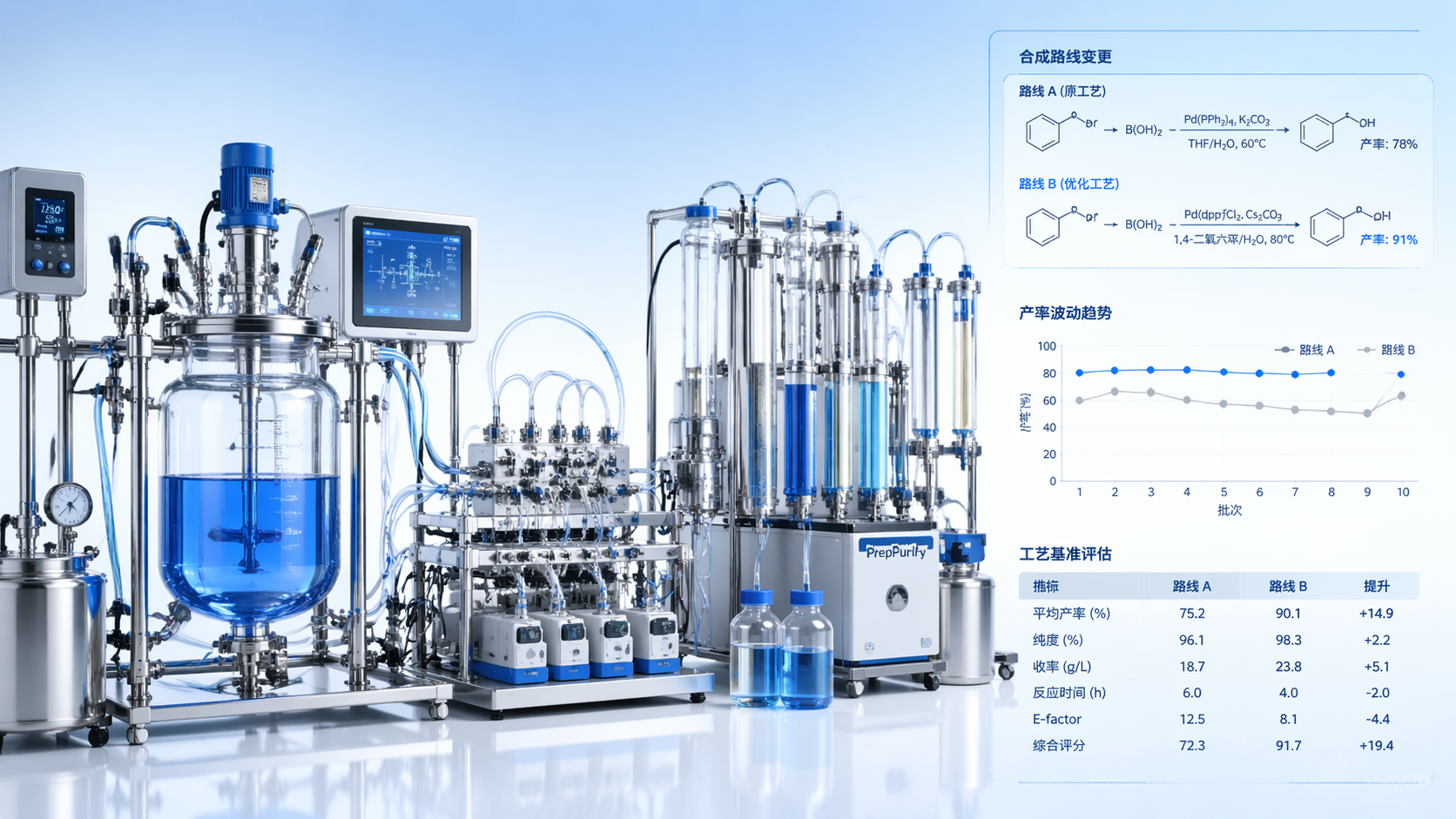
 Chemical Synthesis route changes that cut yield laterChemical Synthesis route changes can quietly reduce yield later. Explore Process Optimization, Technical Benchmarking, GMP Compliance, and Regulatory Compliance to protect Pharmaceutical Production.
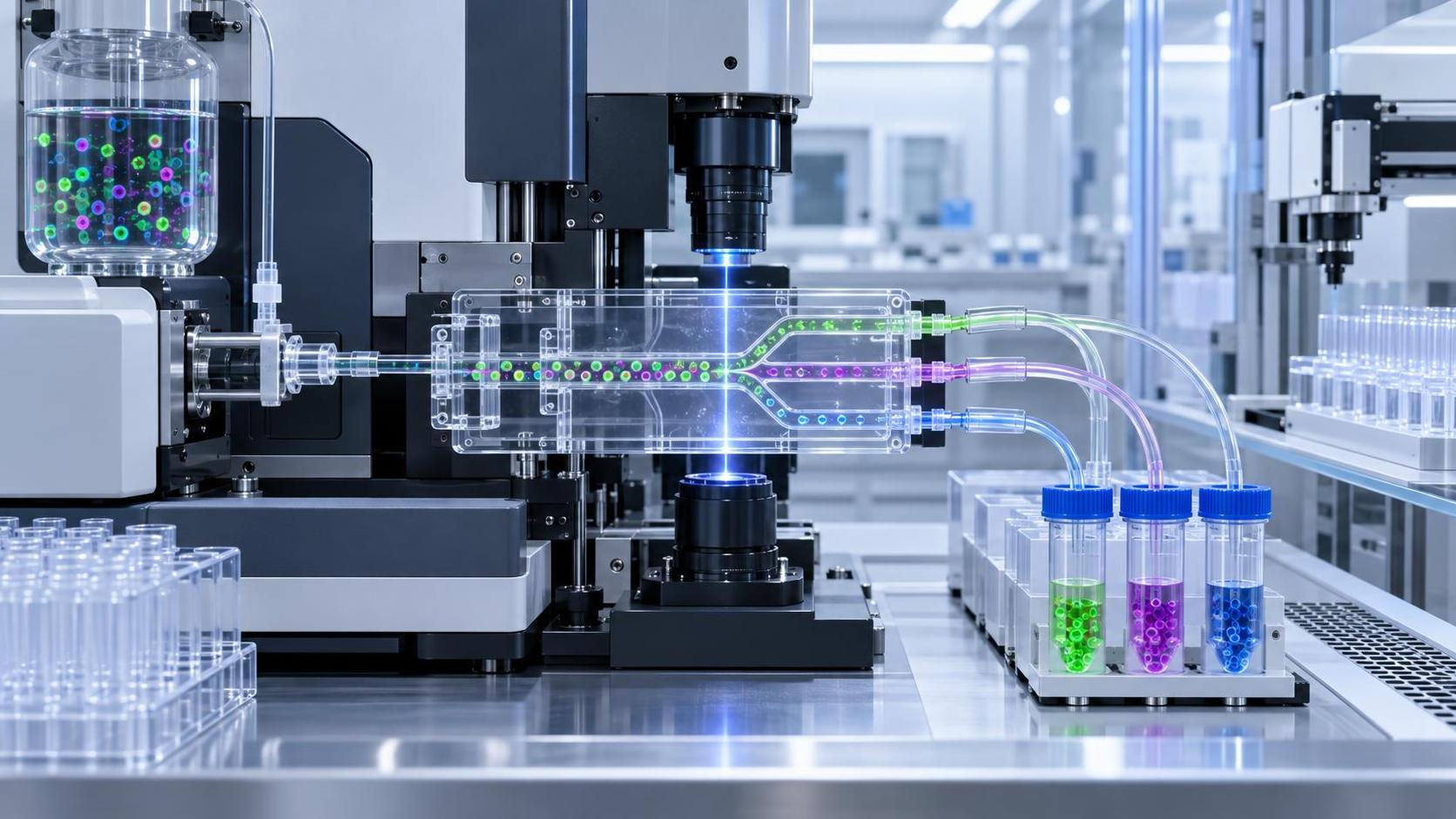
 How to Select a Microfluidic Cell Sorter for Viability, Purity, and ThroughputMicrofluidic devices for cell sorting: learn how to balance viability, purity, and throughput with practical evaluation criteria for reliable, scalable workflows.
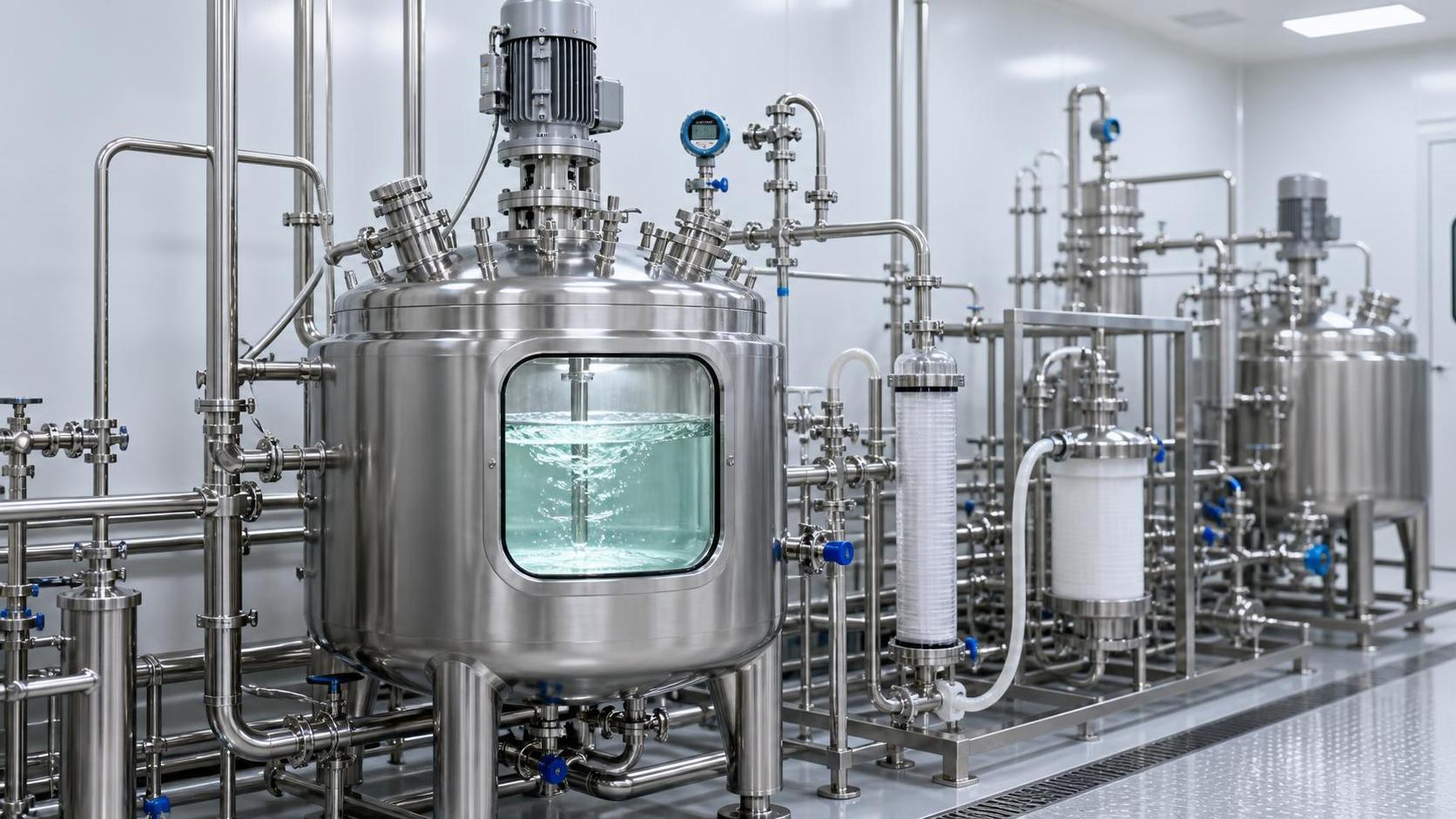
 How to Select Formulation Equipment for Sterile Drug Development and Scale-UpDiscover how to select pharmaceutical process equipment for formulation, ensuring aseptic control, scalable mixing, data integrity, and reliable sterile drug development.
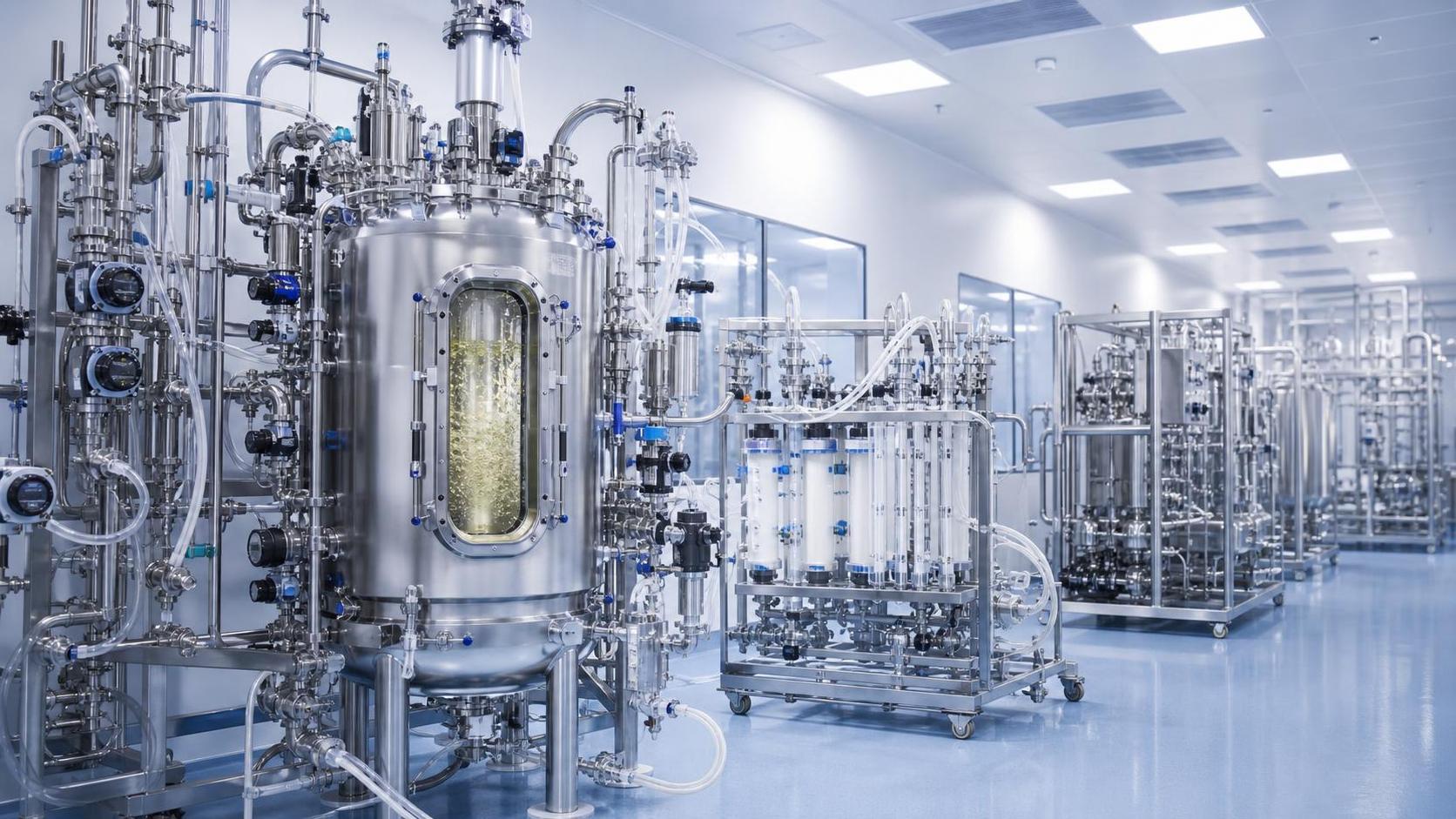
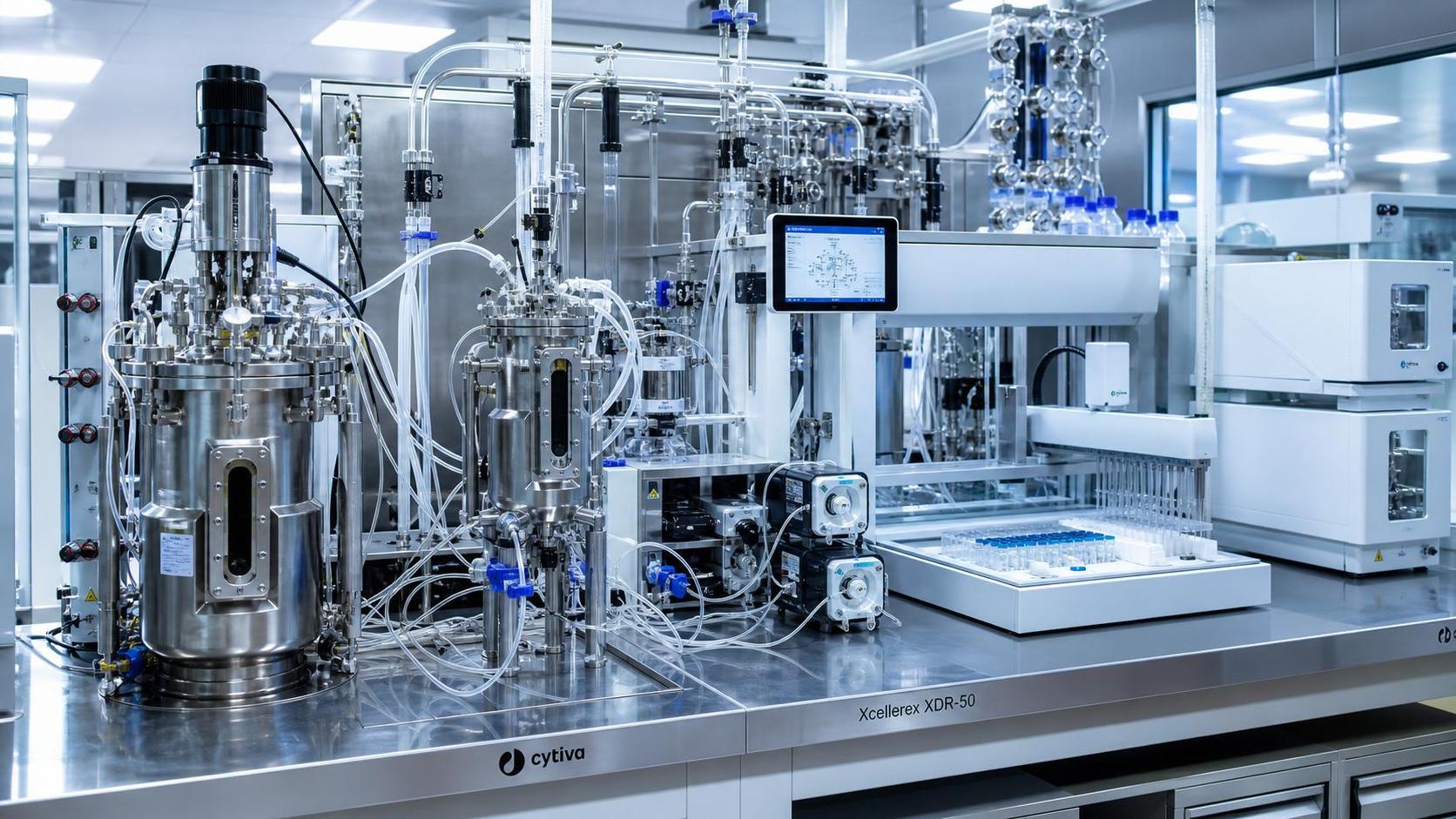
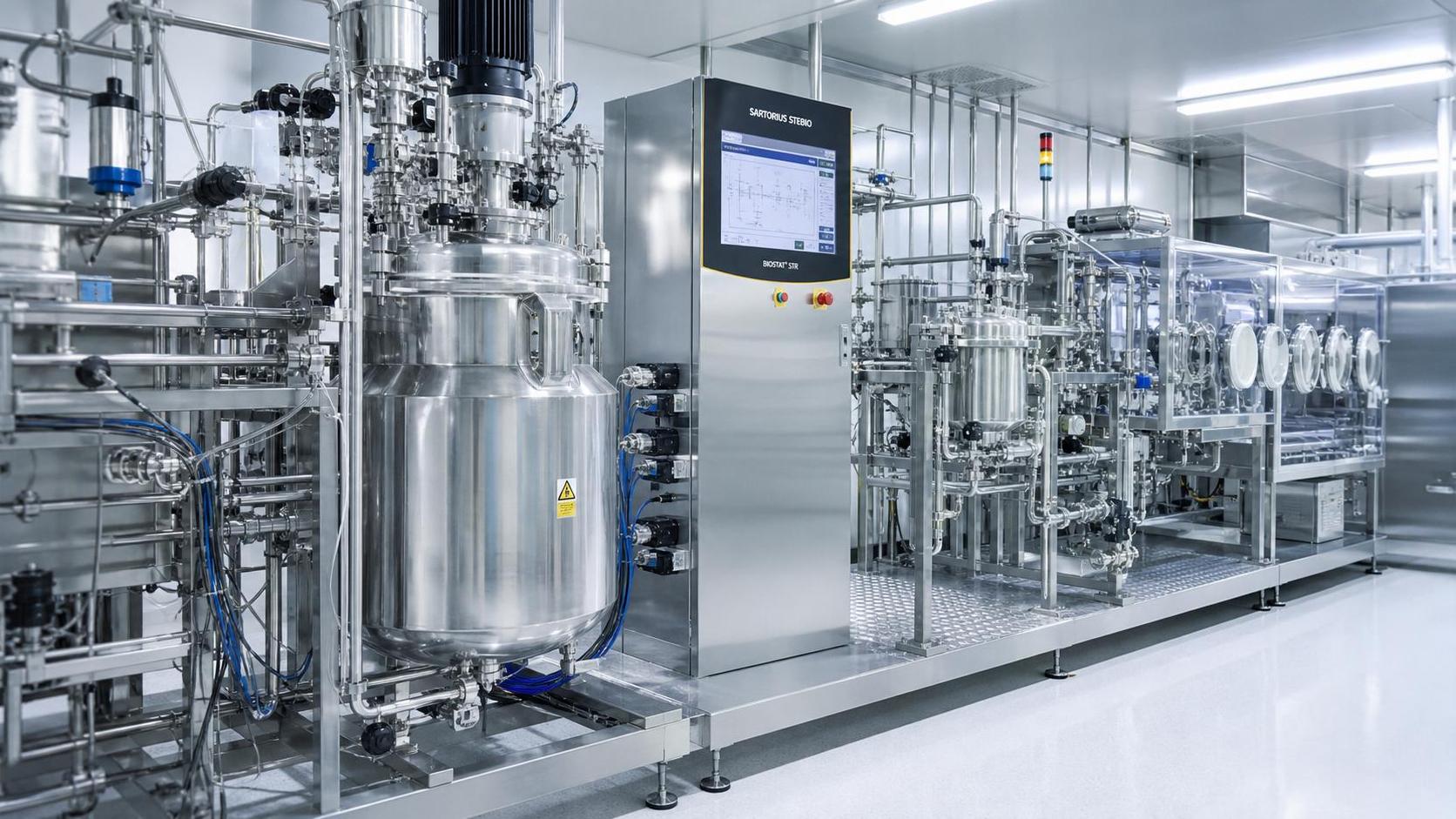
 Scaling Biologics Manufacturing: Key Process Choices from Pilot to Commercial ScaleScalable Biological Manufacturing insights for choosing bioreactors, automation, and downstream systems from pilot studies to reliable commercial production.
 How to Evaluate a Separation Technology Manufacturer for Lab and Pilot-Scale NeedsSeparation Technology manufacturer selection made simple: learn how to assess scale-up capability, documentation, service, and total cost for lab and pilot-scale success.
 Batch to Continuous Biologics: Process Differences, Facility Impact, and When the Shift Makes SenseBatch to continuous biologics explained: compare process differences, facility impact, cost and quality tradeoffs, and learn when the shift delivers real manufacturing value.
 Downstream Pharmaceutical Bioprocessing: Key Steps, Yield Risks, and Scale-Up ChallengesDownstream pharmaceutical bioprocessing explained: explore key steps, yield loss risks, and scale-up challenges to improve purity, recovery, and commercial success.
 When High Throughput Sample Separation Equipment Improves Workflow AccuracyHigh throughput sample separation equipment improves workflow accuracy by matching speed with sample integrity, consistency, and compliance needs across labs, bioprocessing, and scale-up.
 What Is a Bioprocess Engineering Platform and Which Workflows Does It Support?Bioprocess engineering platform explained: discover the workflows it supports—from cell culture and dosing to monitoring, separation, and scale-up—for faster, compliant process development.
 Pharmaceutical Process Equipment Systems: How to Choose for GMP Compliance and Scale-UpPharmaceutical process equipment systems guide GMP compliance, scale-up success, and validation efficiency. Learn how to compare architecture, automation, materials, and documentation.
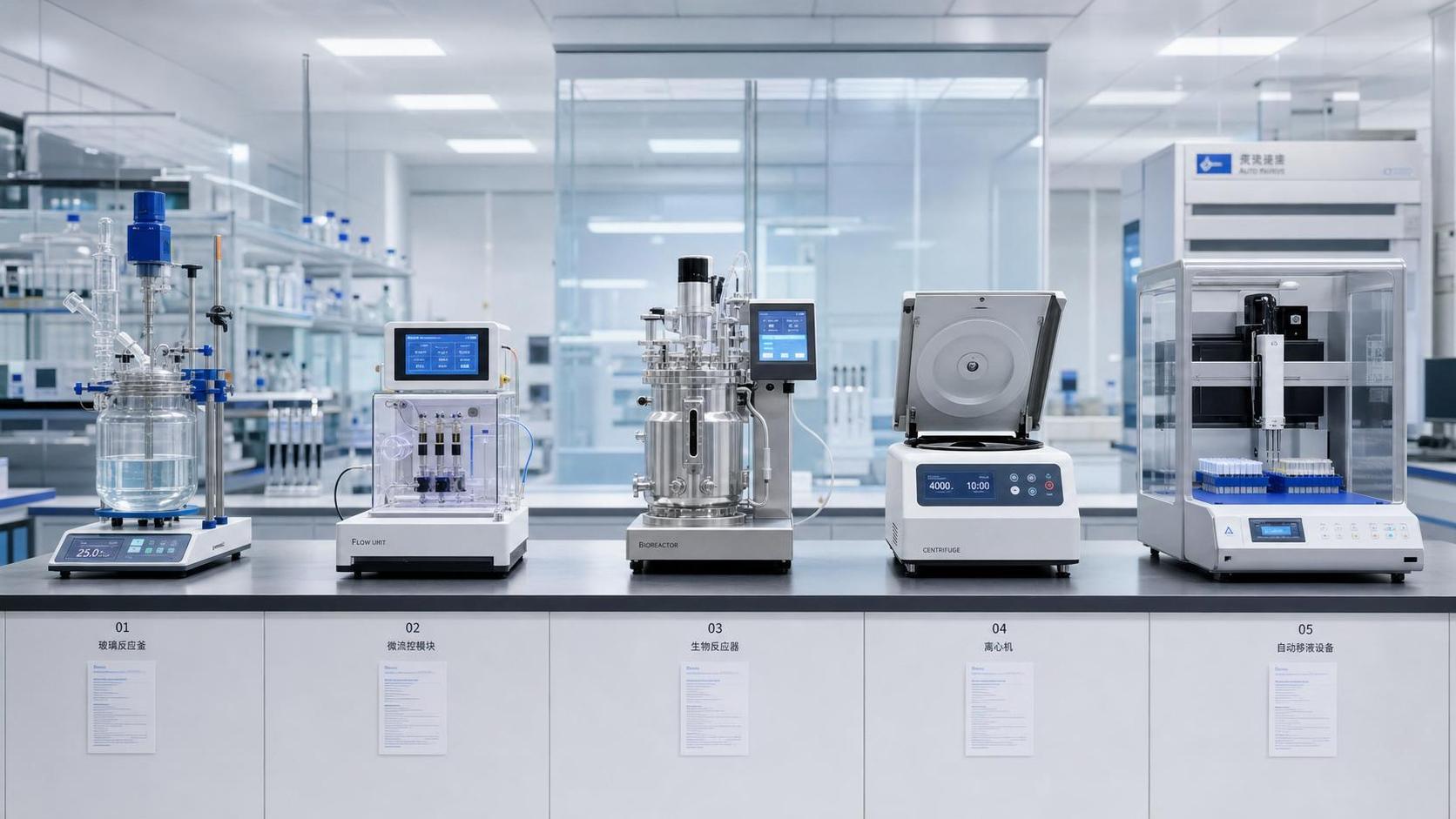
 Independent Technical Benchmarking: How to Compare Lab Systems Without Vendor BiasIndependent technical benchmarking helps labs compare reactors, bioreactors, microfluidics, and liquid handling systems without vendor bias. Learn what to verify for compliant, scalable decisions.
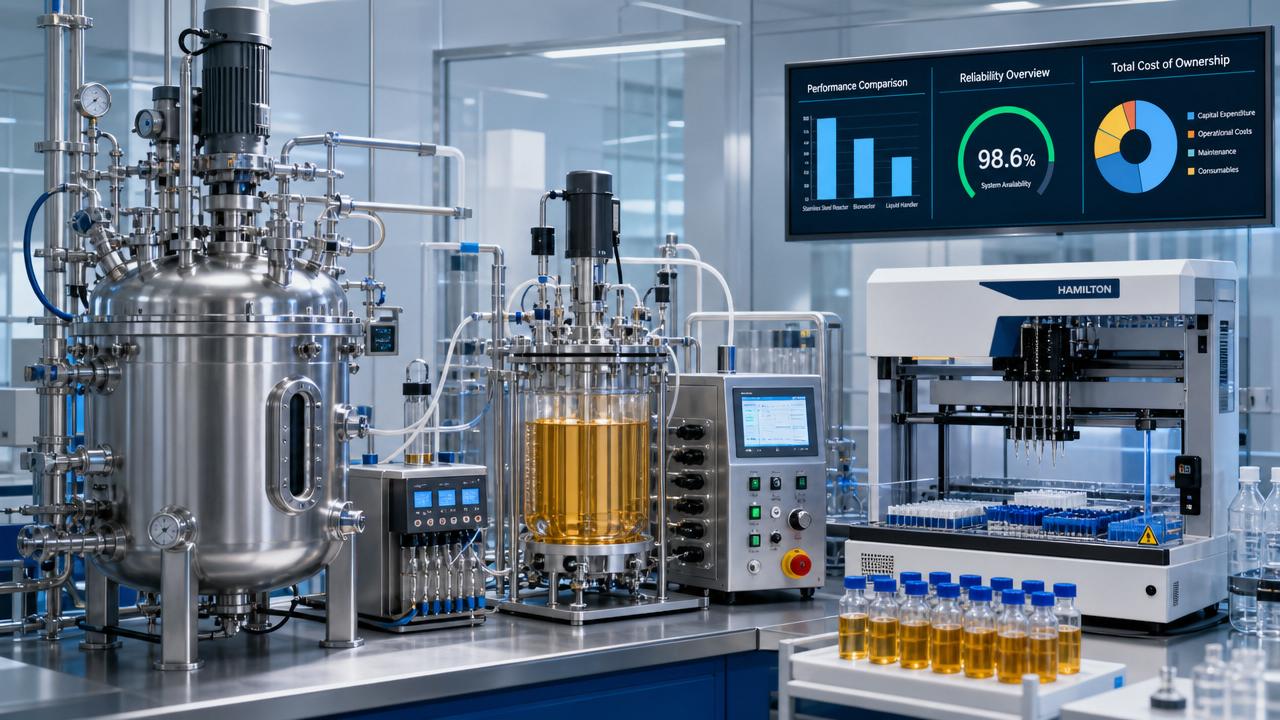
 Technical Benchmarking Methods: How to Compare Performance, Reliability, and Total CostTechnical Benchmarking helps teams compare performance, reliability, and total cost with real-world criteria—make smarter equipment decisions with less risk.
{item.title}
{item.description}