What delays regulatory compliance in personalized therapeutics
Author
Date Published
Reading Time
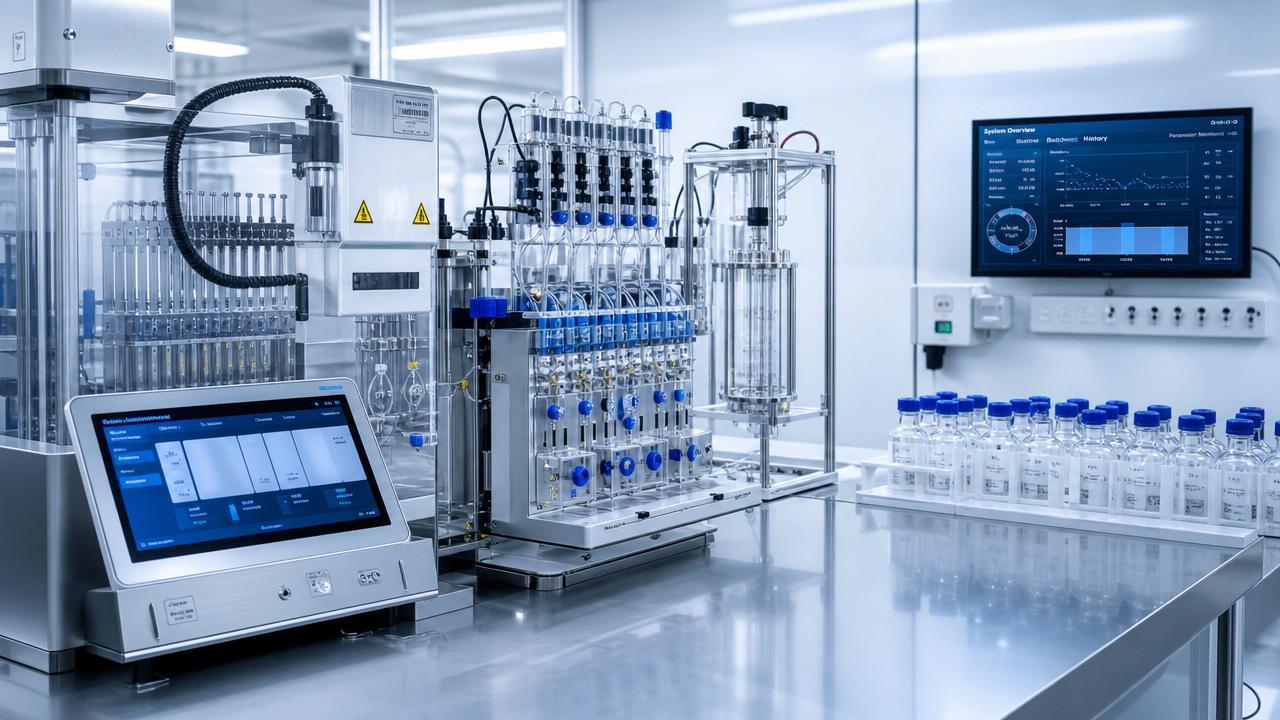
Regulatory compliance for personalized therapeutics is increasingly shaped by production complexity, data integrity, and shifting global expectations. Delays rarely come from one regulation alone. They emerge when validation, documentation, and process precision fail to evolve together.
In personalized medicine, every batch can behave like a unique project. That reality challenges conventional GMP systems designed for larger, repeatable campaigns. As a result, Regulatory compliance for personalized therapeutics becomes a strategic issue tied to launch timing, capital efficiency, and inspection readiness.
Why compliance delays are becoming more visible across personalized therapeutics
The market is moving from standardized mass production toward flexible, patient-specific manufacturing. That shift increases regulatory scrutiny around traceability, chain of identity, and reproducibility at very small volumes.
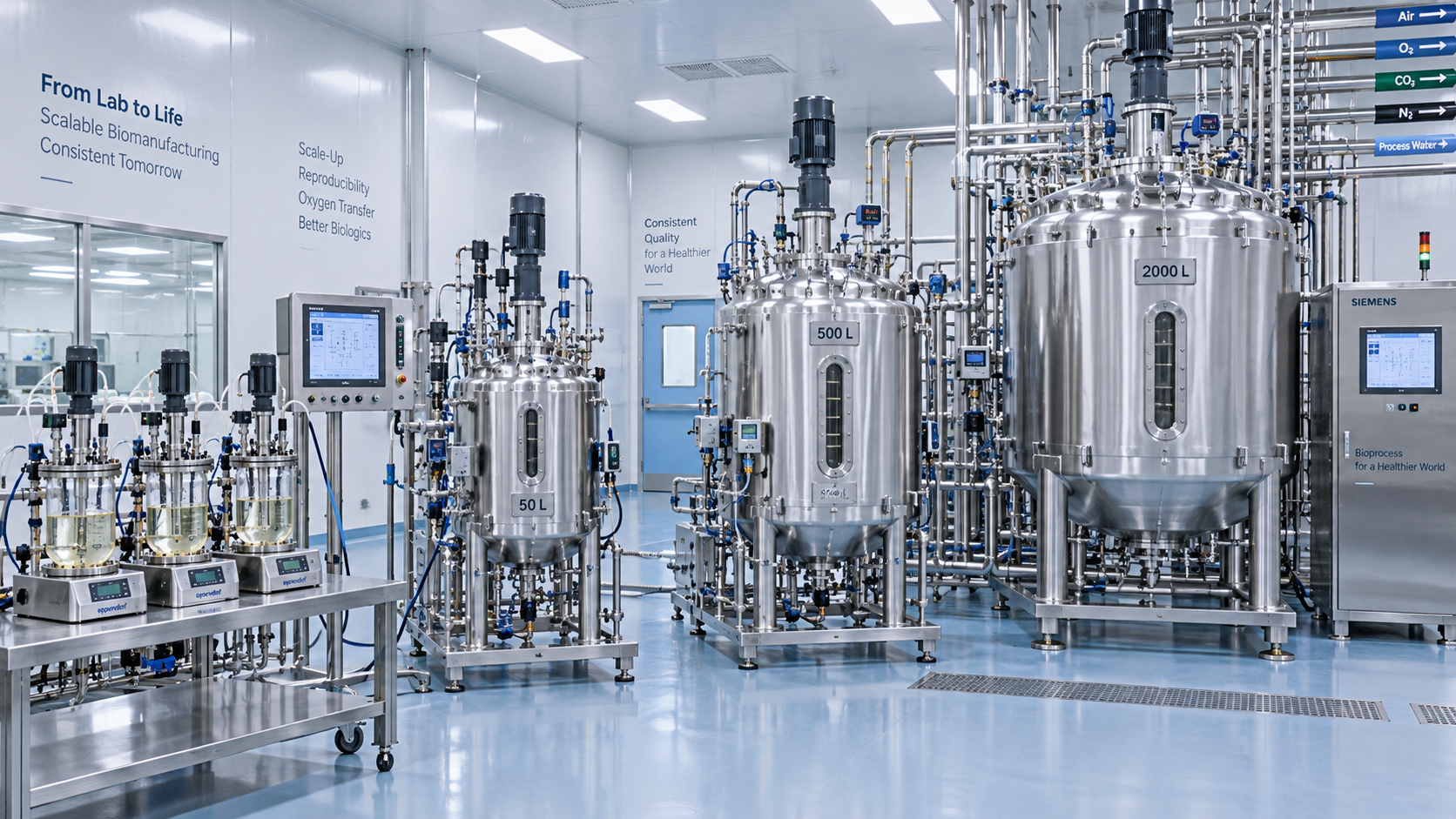
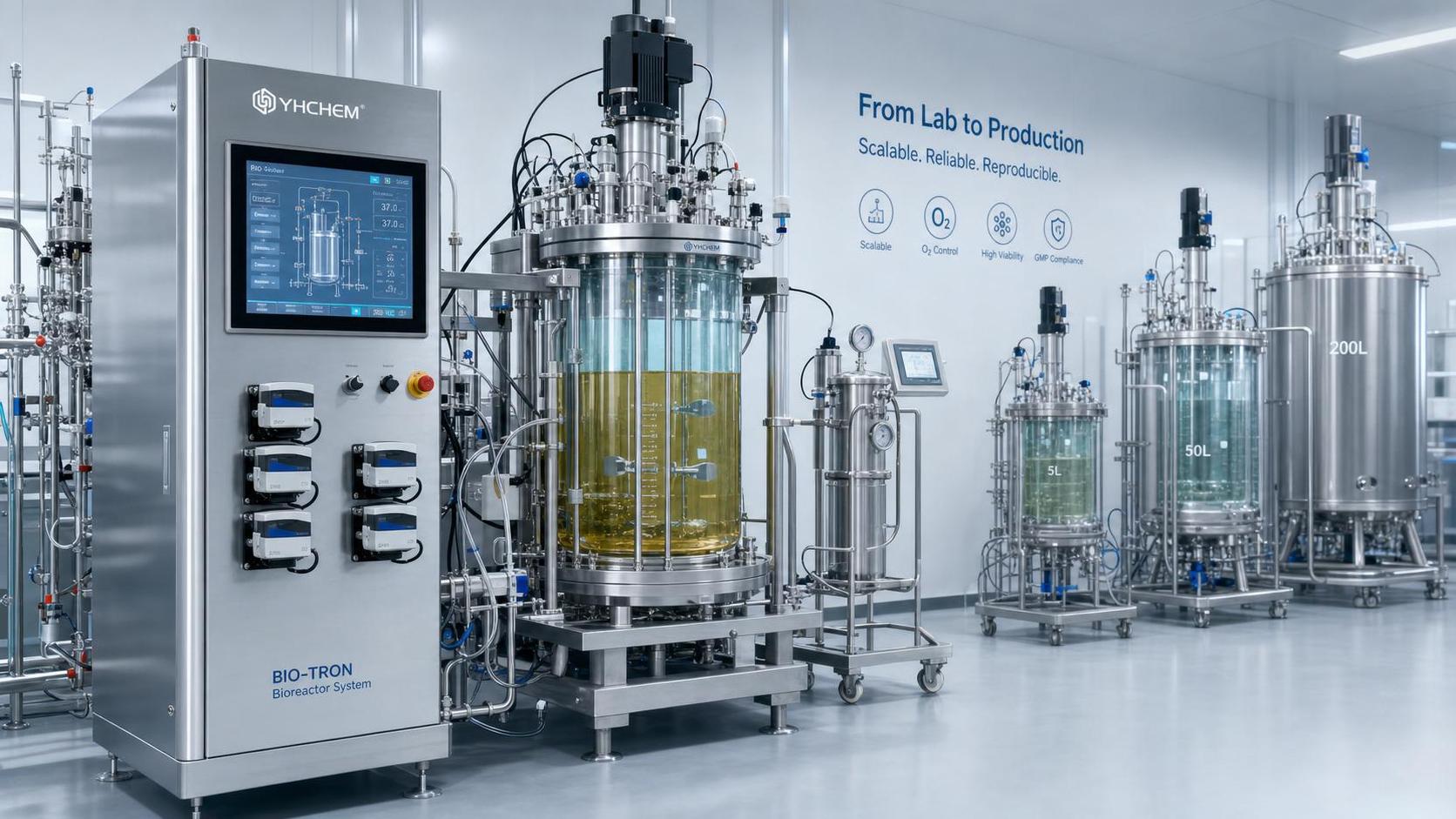
At the same time, process development cycles are shorter. Organizations want faster tech transfer from lab systems to pilot and commercial environments. Yet precision achieved on the bench often weakens during scale-up.
This gap is where Regulatory compliance for personalized therapeutics often slows down. Auditors do not only review final outcomes. They examine whether equipment, fluid handling, environmental control, and digital records support a consistent control strategy.
Trend signals now shaping regulatory expectations
- More regulators expect real-time process understanding, not only end-product testing.
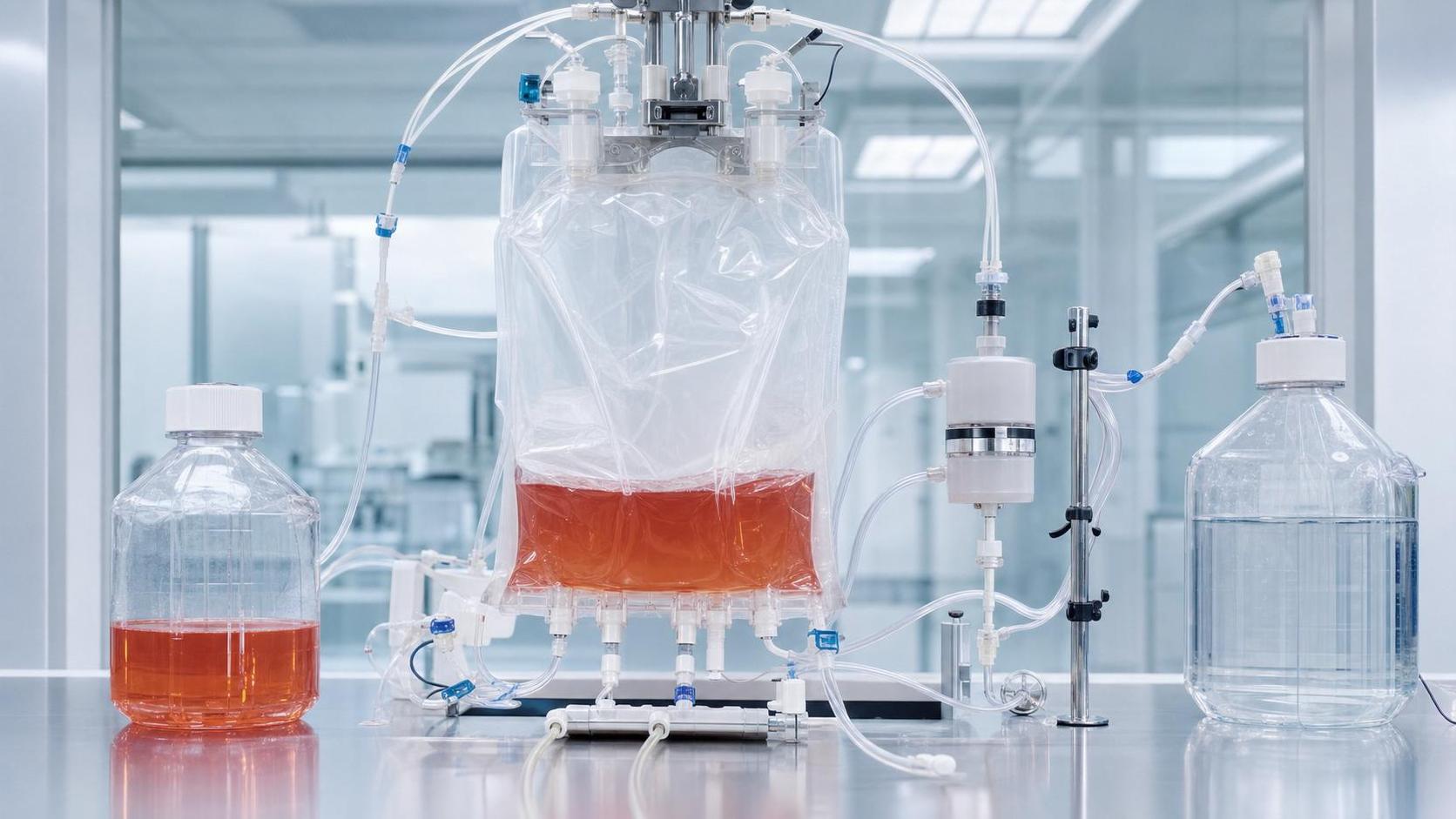
- Single-use, microfluidic, and automated liquid handling platforms are under closer review.
- Data lifecycle controls are becoming as important as biological performance.
- Cross-site comparability is harder when patient-specific workflows differ by location.
- Continuous manufacturing concepts are influencing expectations for closed, monitored systems.
The root causes behind slow Regulatory compliance for personalized therapeutics
Most delays start before submission. They appear during process design, equipment selection, and workflow integration. When these elements are built separately, compliance evidence becomes fragmented and difficult to defend.
Where the validation chain usually breaks
A common failure point is the transition from experimental proof to controlled manufacturing evidence. Bench methods may demonstrate biological success, but they often lack validated operating windows, sensor calibration logic, and standardized change control.
Another weak area is fluidic consistency. Personalized therapeutics frequently rely on micro-volume dispensing, closed transfers, and sensitive cell handling. Small deviations can alter potency, sterility assurance, or batch identity.
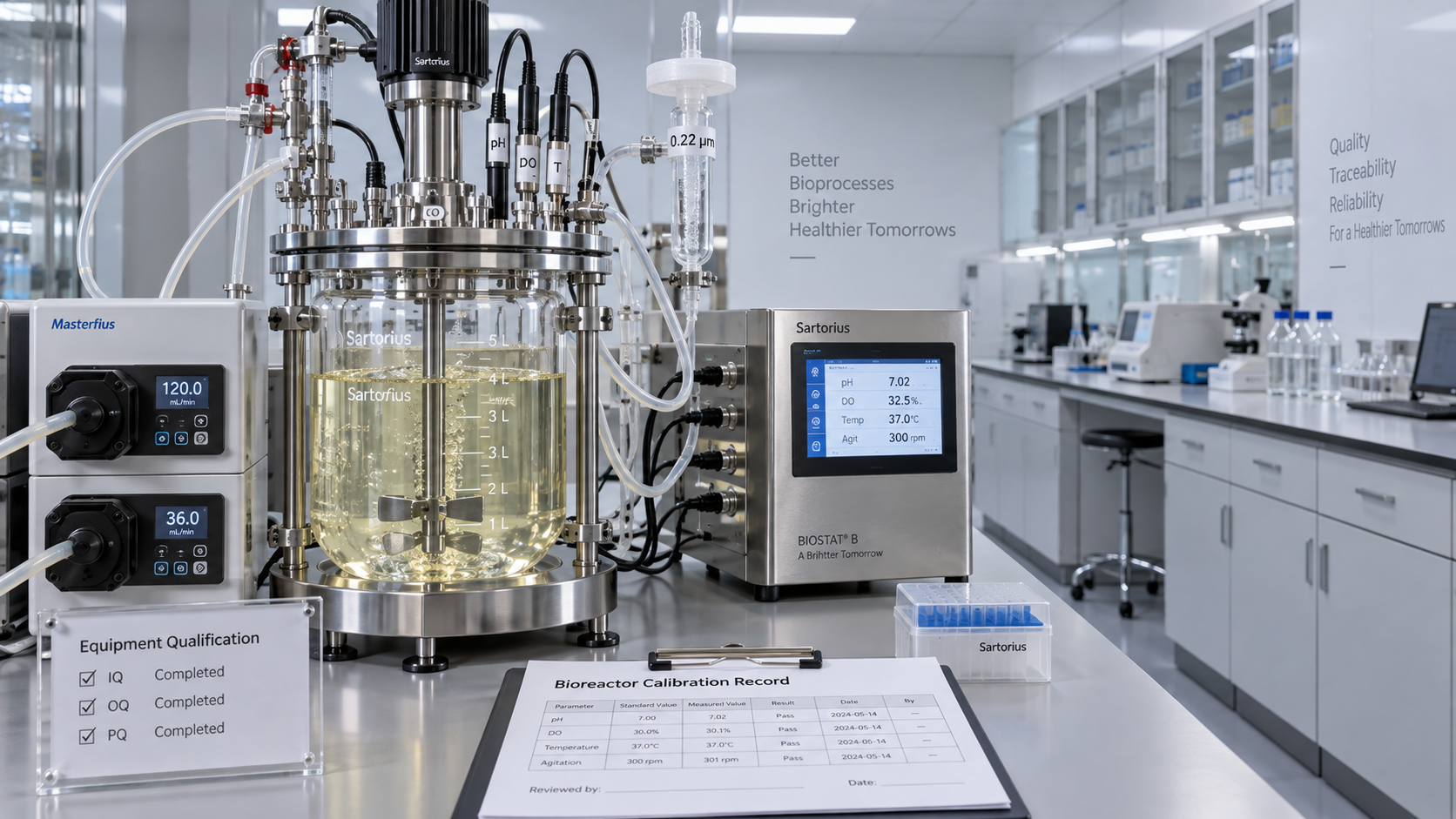
That is why Regulatory compliance for personalized therapeutics is closely linked to hardware repeatability. Bioconsistent equipment performance is no longer only an engineering target. It is a regulatory requirement.
How changing production architectures are increasing compliance pressure
The rise of batch-to-continuous thinking changes how facilities are evaluated. Regulators increasingly expect manufacturers to justify why a chosen architecture can preserve control across multiple small runs, not just one successful campaign.
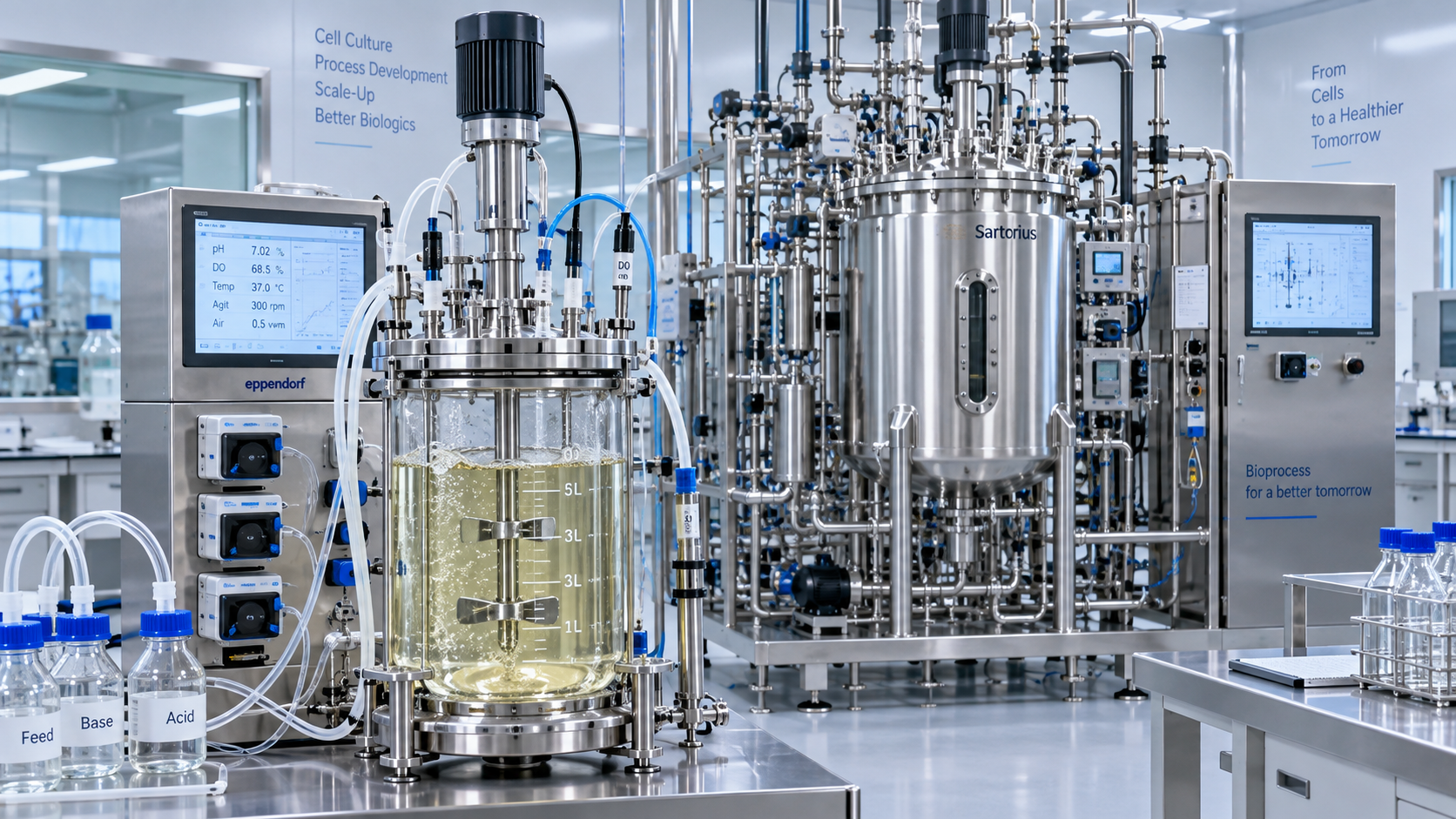
Personalized therapeutics also compress the space between development and manufacturing. The same organization may move from discovery-scale microfluidics to pilot-scale reactors and cell culture systems within one integrated program.
Without aligned benchmarking, each platform introduces a separate compliance burden. Differences in sensor output, material contact surfaces, cleaning strategy, and software environment can multiply documentation gaps.
Business areas most affected by delayed compliance
- Process development faces rework when scalable parameters were never defined early.
- Technology transfer slows when receiving sites cannot replicate fluidic or environmental precision.
- Quality systems absorb more deviations, CAPAs, and document revisions.
- Capital planning becomes less predictable when equipment needs retroactive qualification.
- Commercial readiness weakens because release timelines depend on unstable process evidence.
For this reason, Regulatory compliance for personalized therapeutics should be treated as an operating model issue. It is not only a filing problem at the end of development.
What resilient organizations are watching more closely now
The strongest compliance strategies begin by mapping critical quality attributes to critical equipment behavior. This includes flow stability, temperature control, shear exposure, separation efficiency, and dosing accuracy.
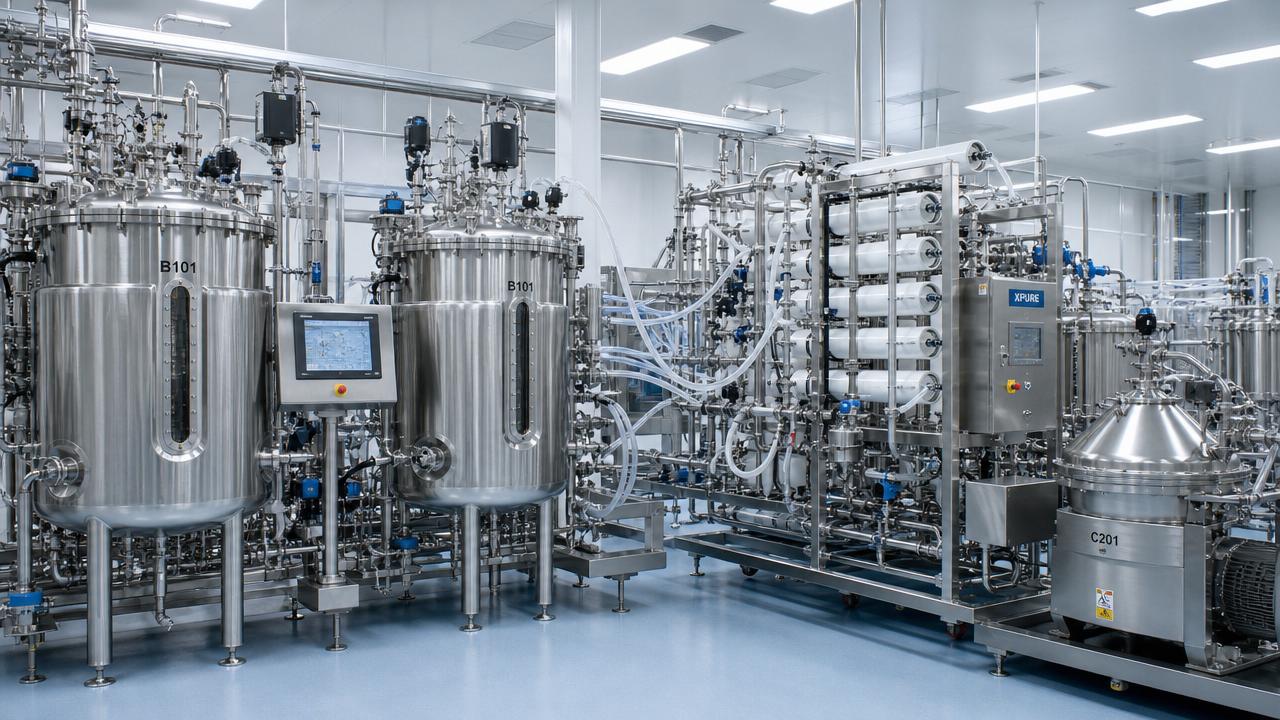
In personalized settings, these controls must remain consistent across reactors, bioreactors, centrifugation platforms, and automated pipetting systems. A weak link in any one module can undermine the whole evidence package.
Priority checkpoints for Regulatory compliance for personalized therapeutics
- Confirm that design qualification reflects the intended patient-specific workflow.
- Benchmark equipment performance against ISO, USP, and GMP expectations early.
- Validate micro-volume and closed-loop fluid handling under realistic operating stress.
- Standardize digital records, audit trails, and parameter naming across systems.
- Assess supplier documentation depth before final platform selection.
- Build comparability protocols before scale expansion begins.
- Treat change control as a live engineering discipline, not a document archive.
How to reduce future delays with a more audit-ready compliance strategy
A practical response starts with integration. Validation plans should connect process science, equipment capability, and digital governance from the earliest feasibility stage.
Regulatory compliance for personalized therapeutics improves when precision is designed into the system, not added after deviations appear. This means choosing scalable hardware, documenting process intent clearly, and verifying reproducibility under real conditions.
It also means using technical benchmarking to compare reactors, microfluidic devices, bioreactors, centrifuges, and liquid handling systems before compliance pressure becomes urgent. Early evidence is cheaper than late remediation.
The next move is to connect compliance decisions with technical precision
The direction of travel is clear. Personalized therapeutics will face tighter review, more integrated inspections, and greater demand for process transparency. Organizations that still separate engineering choices from compliance planning will keep losing time.
A stronger path is to evaluate every critical platform through the lens of reproducibility, fluidic control, and regulatory evidence. That approach shortens qualification cycles and supports more confident scale transitions.
For teams refining Regulatory compliance for personalized therapeutics, the most effective next step is a structured benchmark review of current workflows, equipment tolerances, validation logic, and documentation maturity. Faster approvals usually begin with clearer technical alignment.
Expert Insights

Chief Security Architect
Dr. Thorne specializes in the intersection of structural engineering and digital resilience. He has advised three G7 governments on industrial infrastructure security.
Related Analysis
Core Sector // 01
Security & Safety
- Lab-Scale Bioreactors for GMP Use: Qualification and Data IntegrityAuthor :Dr. Elena Frost

- How Do You Maintain Cell Consistency During Bioprocess Scale-Up?Author :Dr. Elena Frost

- What Data Demonstrates That Bioprocess Scale-Up Is Reproducible?Author :Dr. Elena Frost

- Selecting Cell Culture Solutions for Biologics: From Cell Line to Commercial ScaleAuthor :Dr. Elena Frost

- How to Choose a Stirred Tank Bioreactor for Mammalian Cell Culture Scaling?Author :Dr. Elena Frost

- Cell Culture Solutions for Sensitive Cell Lines: What to Consider Before SetupAuthor :Dr. Elena Frost

- Cell Culture Infrastructure for Cleanrooms: Layout, Airflow, and Utility BasicsAuthor :Dr. Elena Frost

- Biological Manufacturing Explained: Main Process Steps, Facility Needs, and Common BottlenecksAuthor :Dr. Elena Frost