What slows personalized therapeutics bioprocess engineering
Author
Date Published
Reading Time
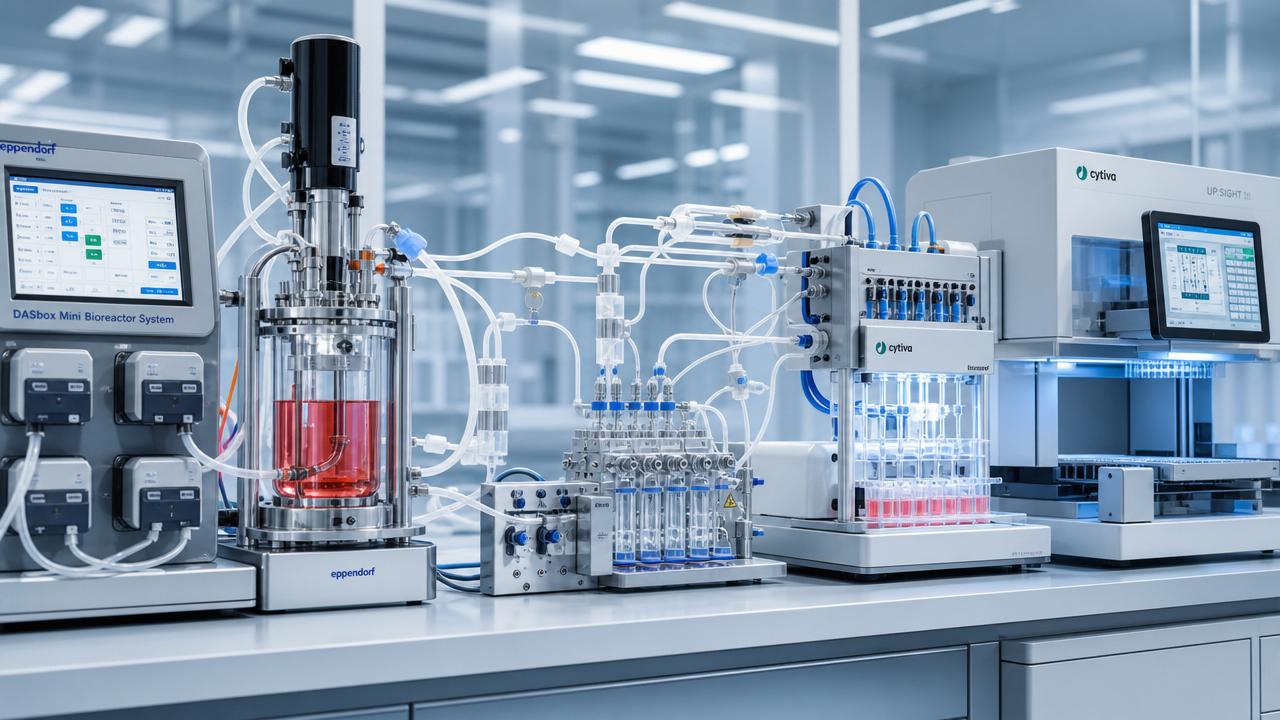
What slows progress in Personalized therapeutics bioprocess engineering is rarely a single failure point. It is usually a chain of technical mismatches, unstable process control, and delayed alignment between development and manufacturing.
As personalized medicines move from concept to clinical and commercial reality, bioprocess systems must support smaller batches, tighter specifications, and faster iteration. That demand raises pressure on fluid handling, cell culture consistency, analytical traceability, and regulatory readiness.
In this context, Personalized therapeutics bioprocess engineering becomes a cross-functional discipline. It links lab-scale design, pilot translation, equipment benchmarking, and quality-by-design principles into one operational framework.
Defining Personalized Therapeutics Bioprocess Engineering
Personalized therapeutics bioprocess engineering refers to the design, control, and scale strategy behind therapies tailored to individual patients or highly segmented populations. Typical examples include cell therapies, gene-modified products, autologous workflows, and targeted biologics.
Unlike traditional high-volume manufacturing, these products often depend on narrow process windows. Small shifts in shear, residence time, mixing, or dosing accuracy can affect viability, potency, and reproducibility.
The field also requires coordination across multiple hardware layers. Reactors, single-use assemblies, microfluidic modules, centrifugation, and automated liquid handling all influence process performance and transferability.
That is why engineering decisions cannot be isolated from analytical data, compliance expectations, or supply architecture. Technical success depends on bioconsistency as much as biological insight.
Why Progress Slows Across the Industry
The biggest obstacle in Personalized therapeutics bioprocess engineering is variability. Personalized production introduces patient-specific inputs, shorter manufacturing timelines, and lower tolerance for process drift.
Several industry signals explain why timelines extend and costs rise.
- Scale-up models built for large biologics often fail in low-volume personalized platforms.
- Fluidic inconsistency affects dosing precision, transfer yield, and sample integrity.
- Single-use flexibility can introduce material variability and extractables concerns.
- Analytical release testing may lag behind manufacturing speed requirements.
- Data systems remain fragmented between development, quality, and operations.
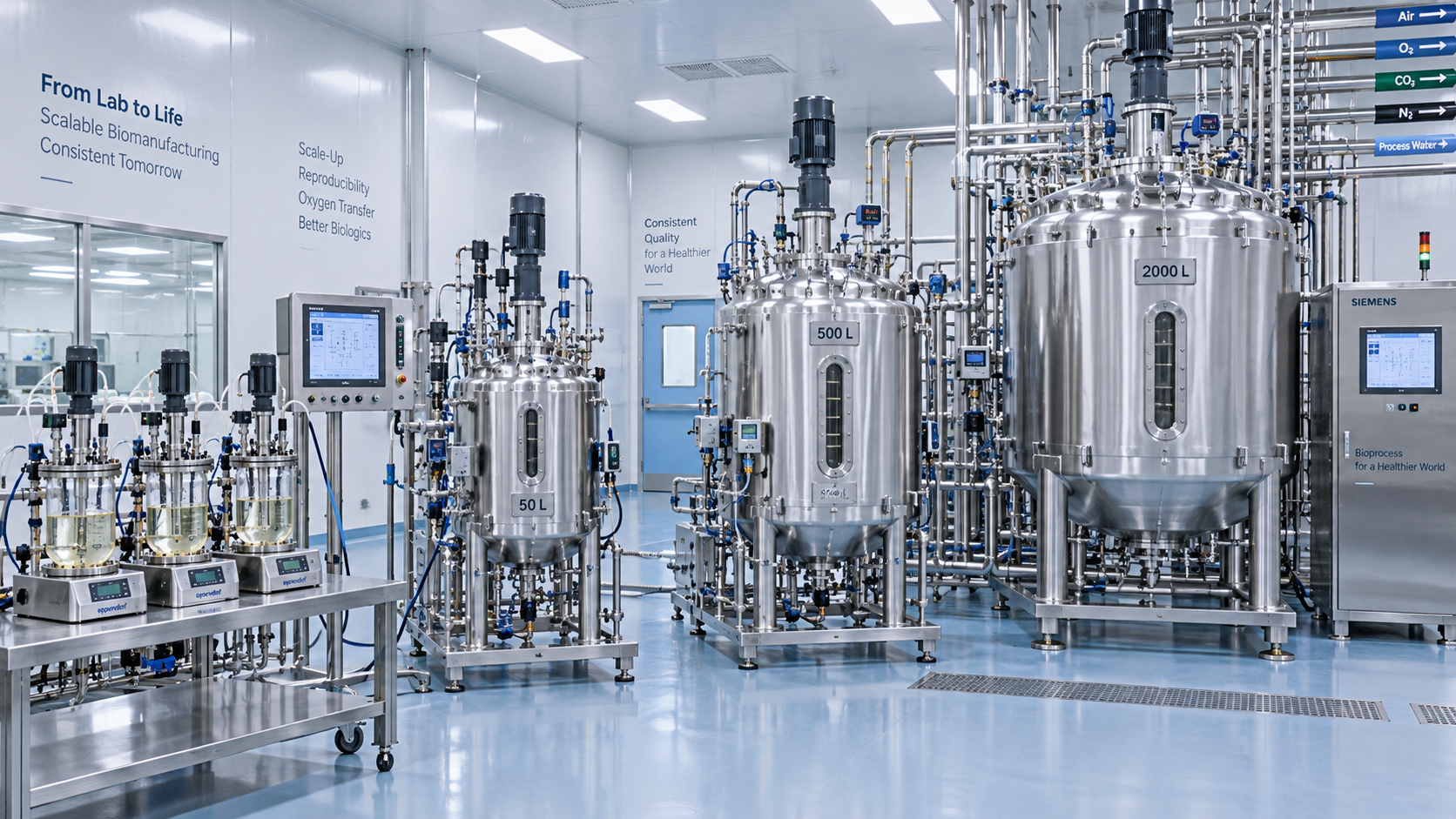
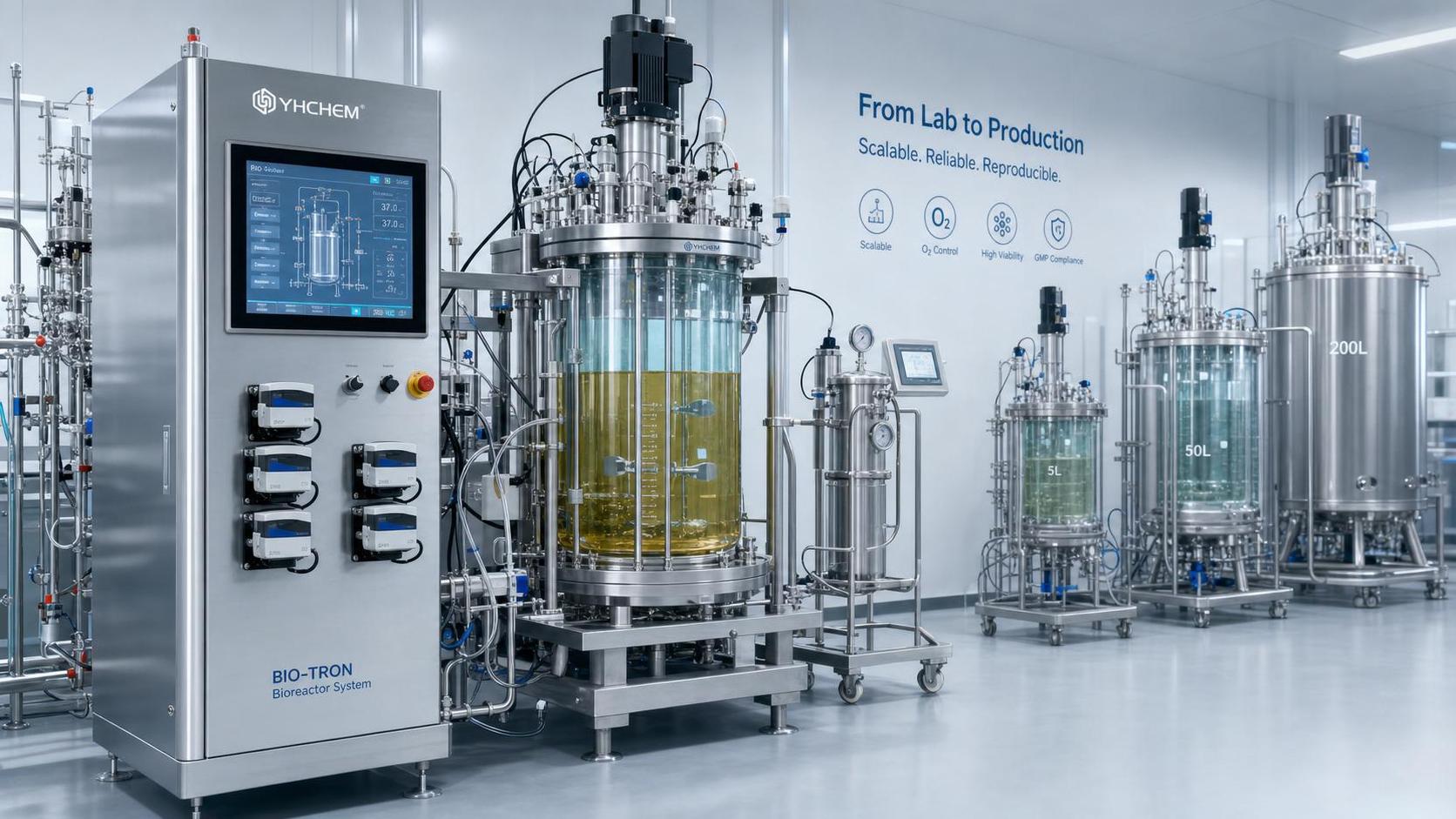
Another slowdown comes from equipment mismatch. A benchtop process may look robust, yet become unstable when transferred into pilot-scale reactors, automated pipetting systems, or closed cell culture assemblies.
This is where technical benchmarking matters. Comparing hardware against ISO, USP, and GMP-aligned performance criteria reduces hidden transition risk and supports more reliable process translation.
Core Bottlenecks Behind Delay
Technical Areas That Most Often Break Precision
In Personalized therapeutics bioprocess engineering, precision breaks most often at interfaces. Each handoff between unit operations can amplify inconsistency if process assumptions are not tested under realistic conditions.
Fluidic Control
Micro-scale and sub-microliter transfers are central to many personalized workflows. When dispensing accuracy drifts, media formulation, reagent addition, and sampling integrity all degrade.
Precision microfluidic devices and calibrated liquid handling systems reduce this risk. However, performance must be validated against actual viscosity ranges, bubble formation patterns, and cleaning or replacement cycles.
Bioreactor and Cell Culture Behavior
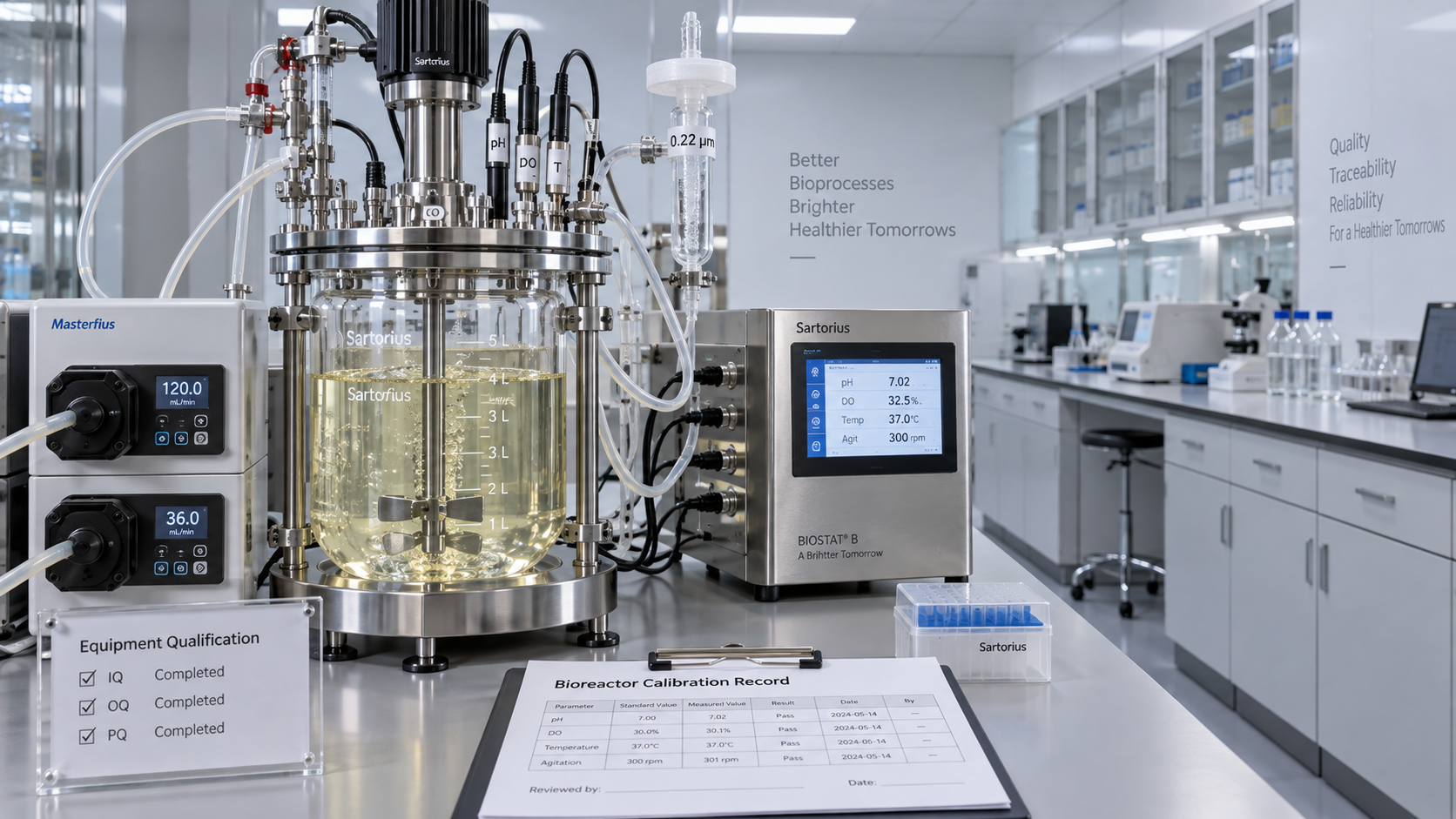
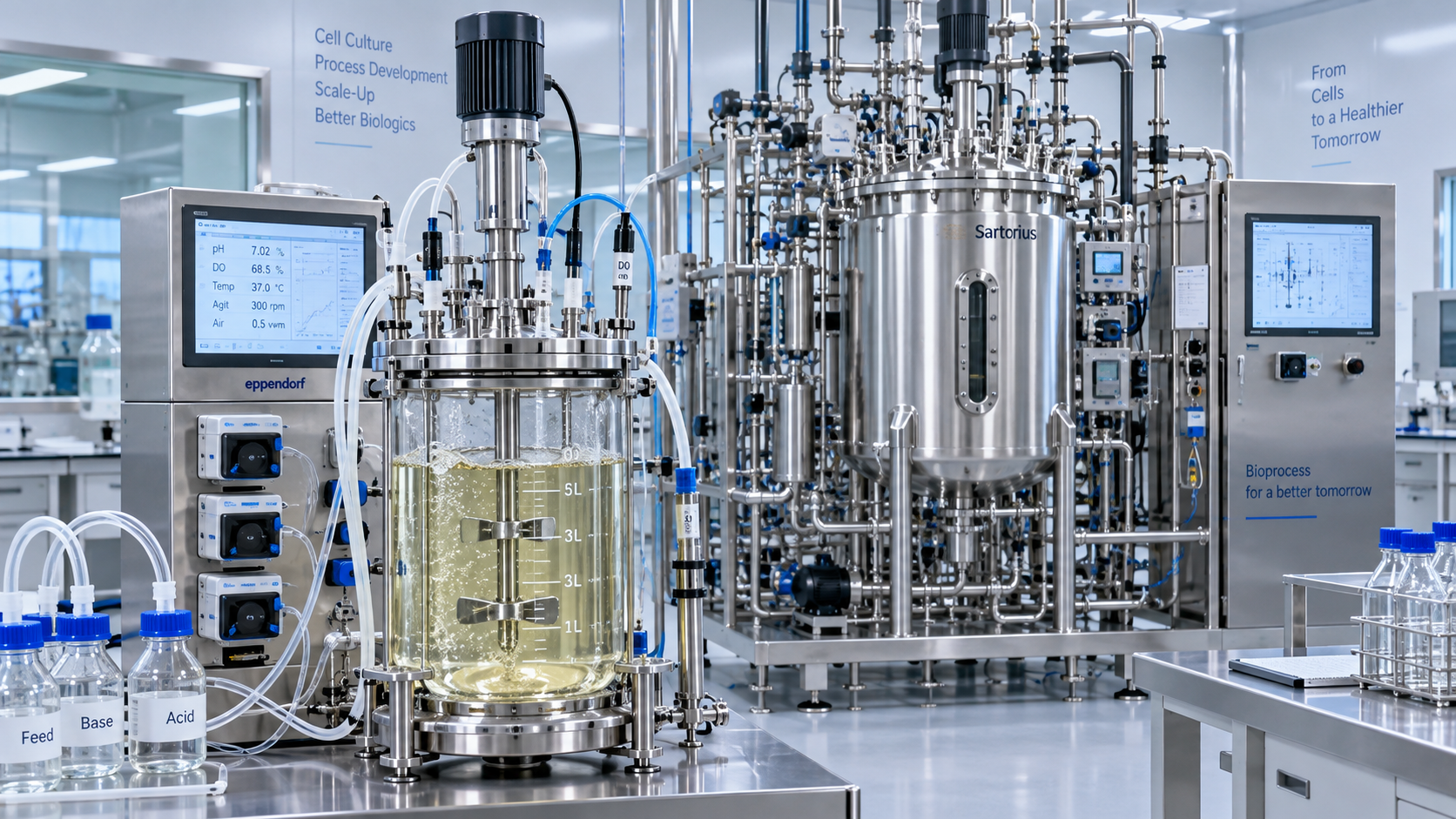
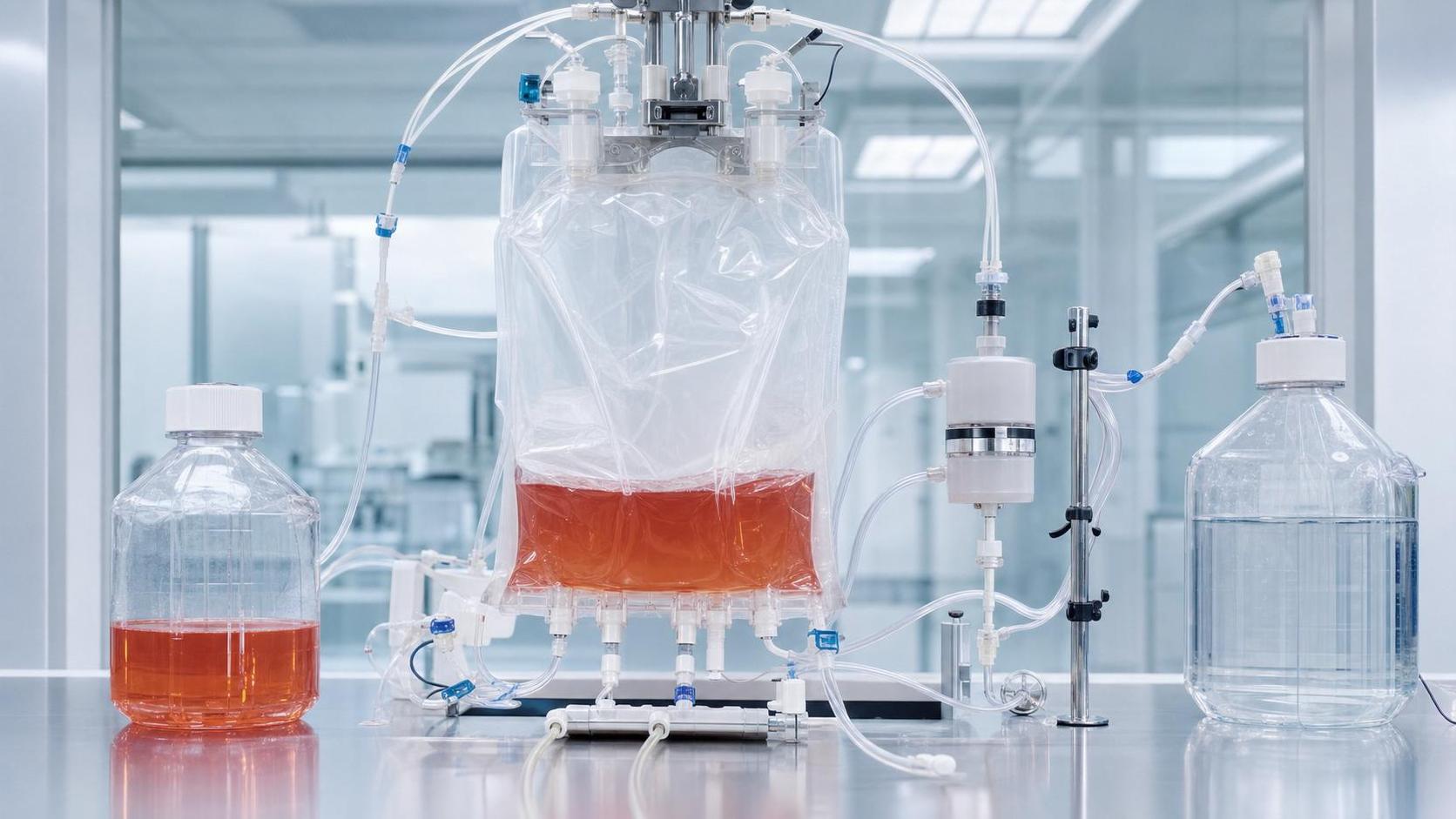
Single-use bioreactors support flexibility, yet geometry, sensor placement, and mixing behavior vary widely. A process that appears stable in one vessel may shift when transferred into another platform.
For cell-sensitive products, subtle changes in dissolved oxygen, pH response time, or impeller shear can change critical quality attributes. That makes bioreactor comparability a top engineering concern.
Separation and Recovery
Laboratory centrifugation and separation steps often look routine, but they can damage fragile materials. Spin profile, acceleration curve, and temperature stability may influence recovery more than expected.
In personalized pipelines, low batch volume means less room to absorb loss. Separation technology must therefore be evaluated for yield protection, not only throughput.
Business Value of Stronger Engineering Control
Better Personalized therapeutics bioprocess engineering creates value beyond technical improvement. It shortens transfer cycles, lowers failure probability, and improves readiness for regulatory review.
Well-controlled engineering also supports business continuity. When equipment behavior is benchmarked and process windows are mapped early, organizations can respond faster to demand changes or clinical expansion.
- More consistent batch outcomes reduce rework and investigation burden.
- Clear comparability data supports smoother process transfer.
- Standardized fluidic performance improves multi-site reproducibility.
- Earlier risk visibility protects timelines in regulated development programs.
This is especially relevant in environments shaped by batch-to-continuous thinking. Even when final production remains discrete, continuous engineering logic improves monitoring, feedback, and material flow discipline.
Typical Process Contexts and Engineering Priorities
Not every personalized platform faces the same engineering burden. The table below outlines common contexts in Personalized therapeutics bioprocess engineering and the priorities each one tends to emphasize.
Practical Recommendations for Faster Progress
Progress in Personalized therapeutics bioprocess engineering improves when engineering review starts before late-stage scale-up. Early technical alignment prevents the common gap between promising biology and unstable production.
- Map critical fluidic steps from benchtop to pilot scale.
- Benchmark reactors, dispensers, and centrifuges against process-specific tolerances.
- Validate single-use assemblies for reproducibility, not just convenience.
- Build comparability studies around real process stresses.
- Connect equipment data with deviation, quality, and release records.
It is also important to treat hardware as part of product quality. In many personalized systems, fluid path design, sensor response, and separation behavior directly shape biological outcomes.
Technical repositories and benchmarking hubs can support this work by comparing performance across reactor classes, microfluidic platforms, centrifugation technologies, and automated pipetting configurations.
Next-Step Focus for More Reliable Execution
The path forward in Personalized therapeutics bioprocess engineering is not based on one universal platform. It depends on disciplined evaluation of unit operations, precise fluidic architecture, and stronger integration between development and manufacturing evidence.
A practical next step is to review where process precision currently weakens: dispensing, mixing, cell handling, separation, or digital traceability. Then align those gaps with benchmarked equipment data and regulatory expectations.
When that review is systematic, personalized programs gain more than efficiency. They gain a clearer route from lab-scale insight to dependable, scalable, and compliance-ready manufacturing.
Expert Insights

Chief Security Architect
Dr. Thorne specializes in the intersection of structural engineering and digital resilience. He has advised three G7 governments on industrial infrastructure security.
Related Analysis
Core Sector // 01
Security & Safety
- Lab-Scale Bioreactors for GMP Use: Qualification and Data IntegrityAuthor :Dr. Elena Frost

- How Do You Maintain Cell Consistency During Bioprocess Scale-Up?Author :Dr. Elena Frost

- What Data Demonstrates That Bioprocess Scale-Up Is Reproducible?Author :Dr. Elena Frost

- Selecting Cell Culture Solutions for Biologics: From Cell Line to Commercial ScaleAuthor :Dr. Elena Frost

- How to Choose a Stirred Tank Bioreactor for Mammalian Cell Culture Scaling?Author :Dr. Elena Frost

- Cell Culture Solutions for Sensitive Cell Lines: What to Consider Before SetupAuthor :Dr. Elena Frost

- Cell Culture Infrastructure for Cleanrooms: Layout, Airflow, and Utility BasicsAuthor :Dr. Elena Frost

- Biological Manufacturing Explained: Main Process Steps, Facility Needs, and Common BottlenecksAuthor :Dr. Elena Frost