China's Lab Equipment Pavilion Expands at LABVOLUTION 2026
Author
Date Published
Reading Time
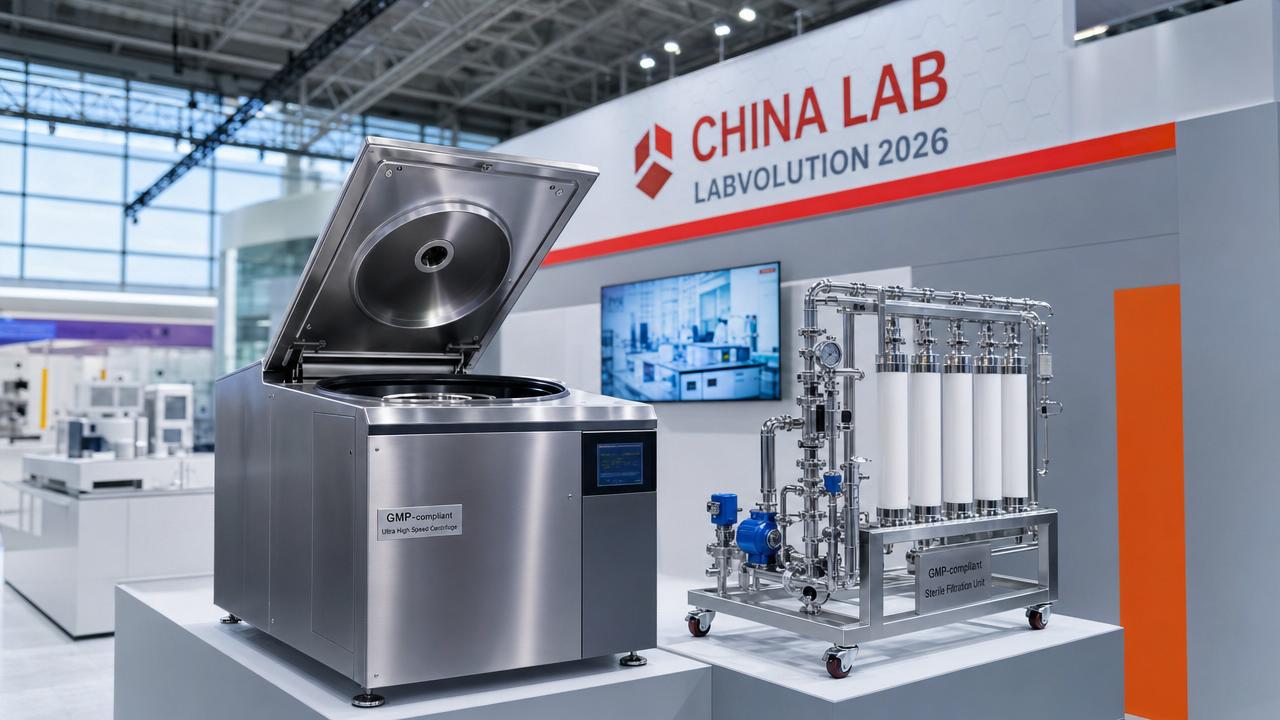
On May 19, 2026, the LABVOLUTION trade fair in Berlin concluded with notable momentum from the Chinese delegation — marking a pivotal signal for global laboratory equipment supply chains amid tightening regulatory expectations in life sciences manufacturing.
Event Overview
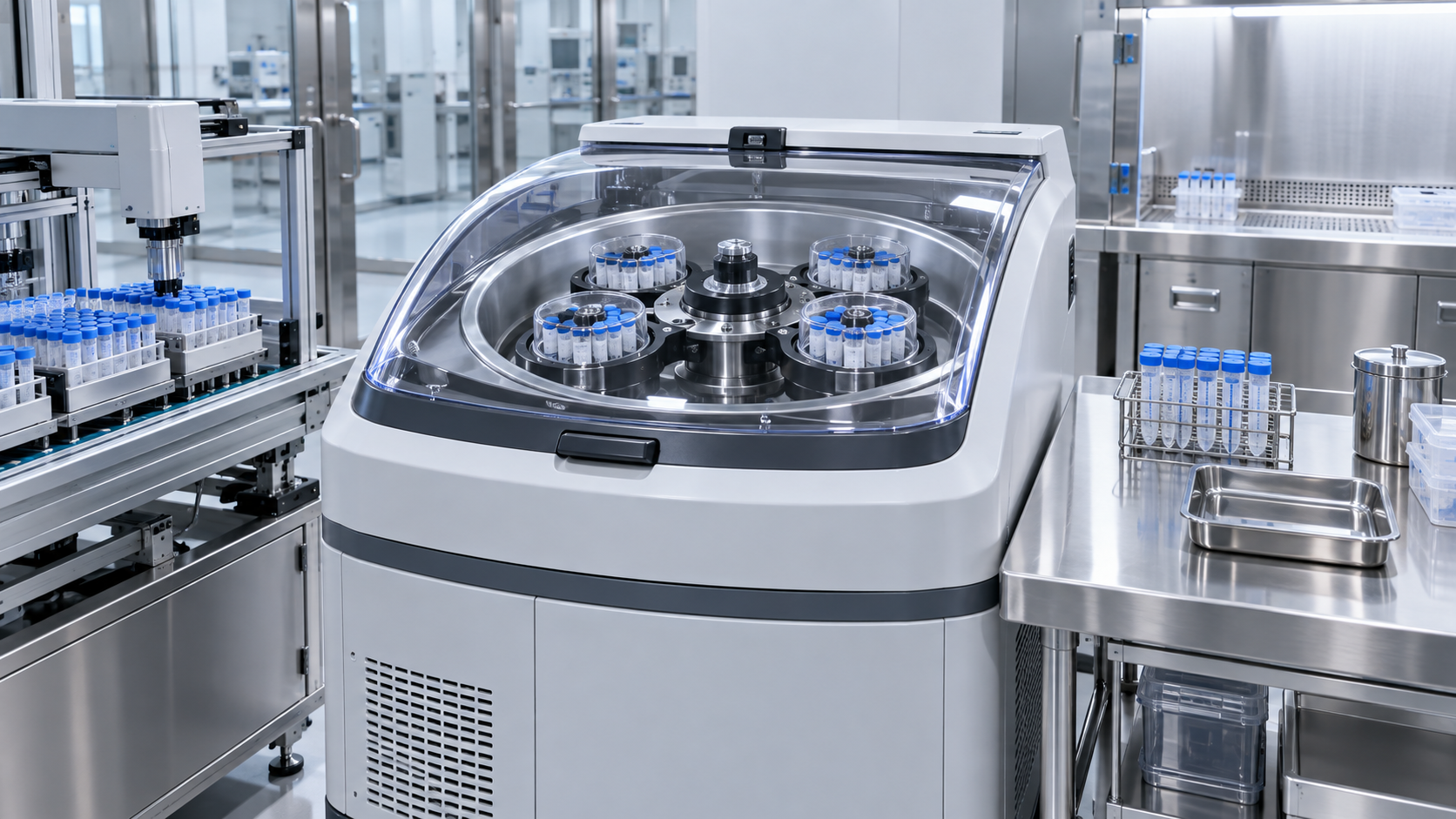
The 2026 LABVOLUTION exhibition in Berlin closed on May 19. The Chinese national pavilion expanded by 37% year-on-year in total booth area. Ultracentrifuges and Filtration Units emerged as top-attended product categories, with average visitor dwell time exceeding 22 minutes per booth. Procurement inquiries from Germany, France, the Netherlands, Belgium, and Switzerland focused intensively on two technical specifications: GMP-compliant rotor materials and sterile interface validation packages. Preliminary data indicates over EUR 142 million in confirmed intent-to-purchase agreements were recorded during the event.
Industries Affected
Direct Trade Enterprises: Export-oriented lab equipment distributors and OEM representatives faced heightened due diligence demands from European buyers — particularly around material traceability, sterilization cycle documentation, and EU MDR-aligned conformity assessments. The sustained dwell time signals shifting buyer priorities from price to regulatory readiness.
Raw Material Suppliers: Vendors of high-grade titanium alloys, pharmaceutical-grade polymers (e.g., PEEK, PVDF), and certified elastomers saw increased inbound technical queries — especially concerning batch-specific bioburden testing reports and extractables/leachables dossiers required for GMP-compliant rotor and housing components.
Manufacturing Firms: Domestic manufacturers of ultracentrifuge rotors and single-use filtration manifolds experienced amplified pressure to align production quality systems with ISO 13485 and Annex 1 (2023) standards. Notably, requests for audit-ready validation protocols — not just final certificates — rose significantly among Tier-1 European contract development and manufacturing organizations (CDMOs).
Supply Chain Service Providers: Logistics and regulatory consultancy firms reported surging demand for ‘regulatory pathway mapping’ services targeting CE IVDR/MDR, UKCA, and Swissmedic submissions — especially for filtration units intended for aseptic process applications in cell and gene therapy manufacturing.
Key Focus Areas and Recommended Actions
Align material certifications with EU GMP Annex 1 (2023) requirements
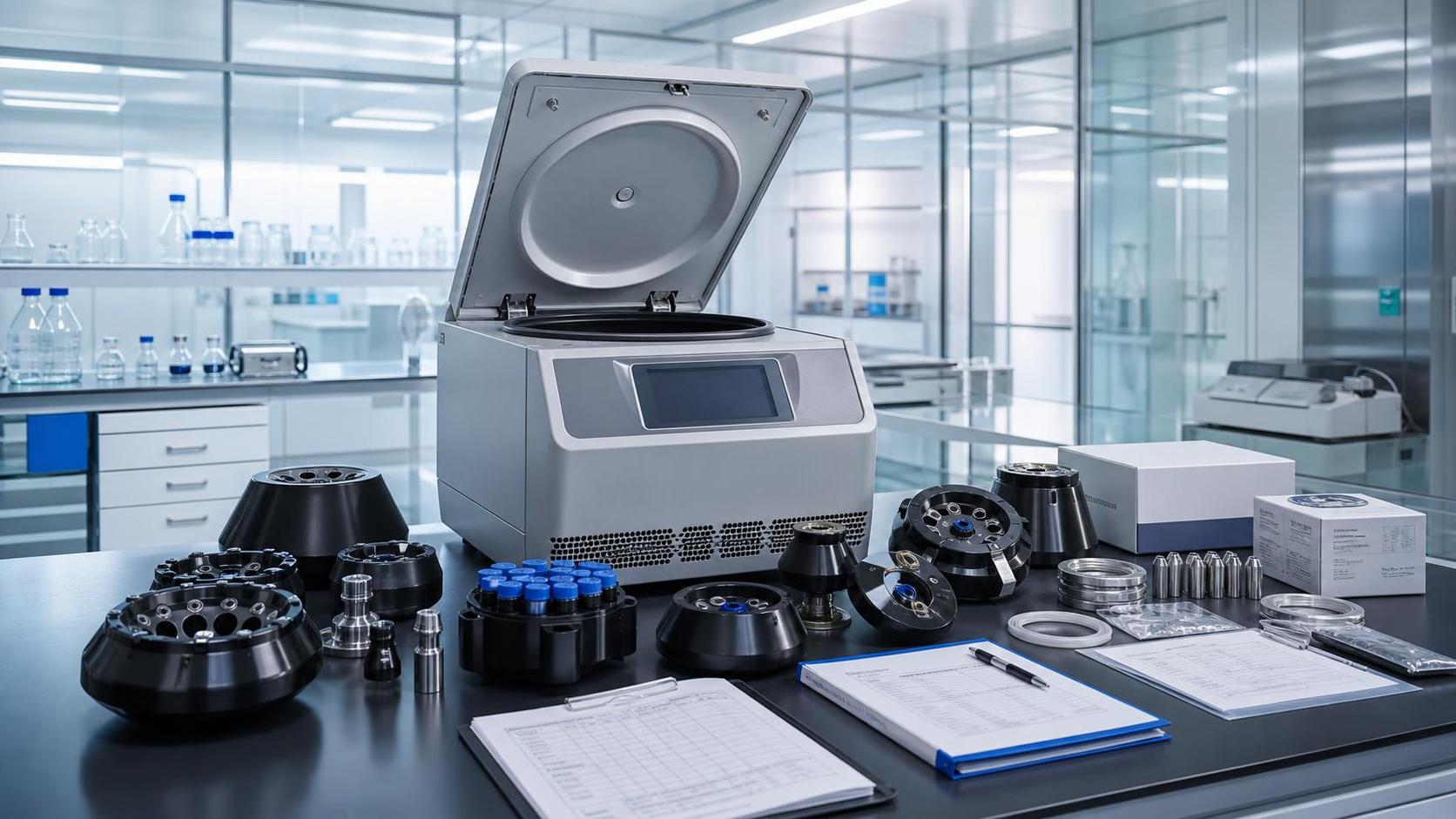
Manufacturers should verify that rotor alloy heat-treatment records, surface passivation reports, and particulate shedding test data meet updated sterility assurance thresholds — not merely legacy ISO 15380 or DIN 58953 benchmarks.
Prioritize modular sterile interface validation packages
Rather than offering ad-hoc validation support, suppliers are advised to develop pre-validated interface kits (including SIP/Foam-in-Place compatibility logs and microbial ingress challenge reports) to accelerate customer qualification timelines.
Prepare for intensified post-show technical audits
European procurement teams indicated intent to conduct remote or on-site quality system reviews within Q3 2026. Firms should ensure their design history files (DHF), risk management files (RMF), and change control logs are audit-ready — especially for software-controlled centrifugation parameters.
Editorial Perspective / Industry Observation
Observably, the procurement emphasis at LABVOLUTION 2026 reflects a structural shift: European buyers are no longer treating lab hardware as generic capital equipment, but as critical enablers of process validation integrity. Analysis shows this trend is accelerating faster in filtration than in centrifugation — likely because filtration unit failure modes directly impact product sterility, whereas centrifuge failures more often affect yield or purity. From an industry perspective, the 37% pavilion expansion is less about volume growth and more about strategic positioning — Chinese firms are investing in visibility to influence upstream specification-setting in EU-based CDMO tech transfer workflows.
Conclusion
This edition of LABVOLUTION does not signal a simple export opportunity; rather, it underscores an inflection point where regulatory literacy — not just engineering capability — determines market access. For the broader life sciences infrastructure sector, sustained competitiveness will hinge on demonstrable alignment with evolving GMP expectations across the full lifecycle of lab equipment, from design verification to field service documentation.
Source Attribution
Data sourced from official LABVOLUTION 2026 exhibitor analytics dashboard (published May 20, 2026); supplementary procurement intelligence aggregated by the German Association of Laboratory Technology (VDL). Note: Final order conversion rates, certification status of quoted products, and regulatory acceptance timelines remain under observation and will be updated following Q3 2026 notified body audit cycles.
Expert Insights

Chief Security Architect
Dr. Thorne specializes in the intersection of structural engineering and digital resilience. He has advised three G7 governments on industrial infrastructure security.
Related Analysis
Core Sector // 01
Security & Safety
- How to Evaluate a Lab Centrifuge Manufacturer for GMP and High-Throughput LabsAuthor :Dr. Victor Gear

- How to Evaluate a Laboratory Centrifuges Supplier for Speed Range, Compliance, and SupportAuthor :Dr. Victor Gear

- How to Choose Lab Centrifuges for Bioprocessing Based on Cell Type and ThroughputAuthor :Dr. Victor Gear

- Japan Revises JIS T 0601-2-63 for Ultracentrifuge TestingAuthor :Dr. Victor Gear

- Japan Enforces JIS T 0601-2-63:2026 for UltracentrifugesAuthor :Dr. Victor Gear

- Japan Updates JIS T 0601-2-63 for Ultracentrifuge DurabilityAuthor :Dr. Victor Gear

- Ultracentrifuges Manufacturer Comparison: What Buyers Should Check Before Requesting a QuoteAuthor :Dr. Victor Gear

- DIN EMC Update Raises Export Bar for UltracentrifugesAuthor :Dr. Victor Gear