FDA Draft GMP Guide Brings Syringe Pumps Into Aseptic Oversight
Author
Date Published
Reading Time

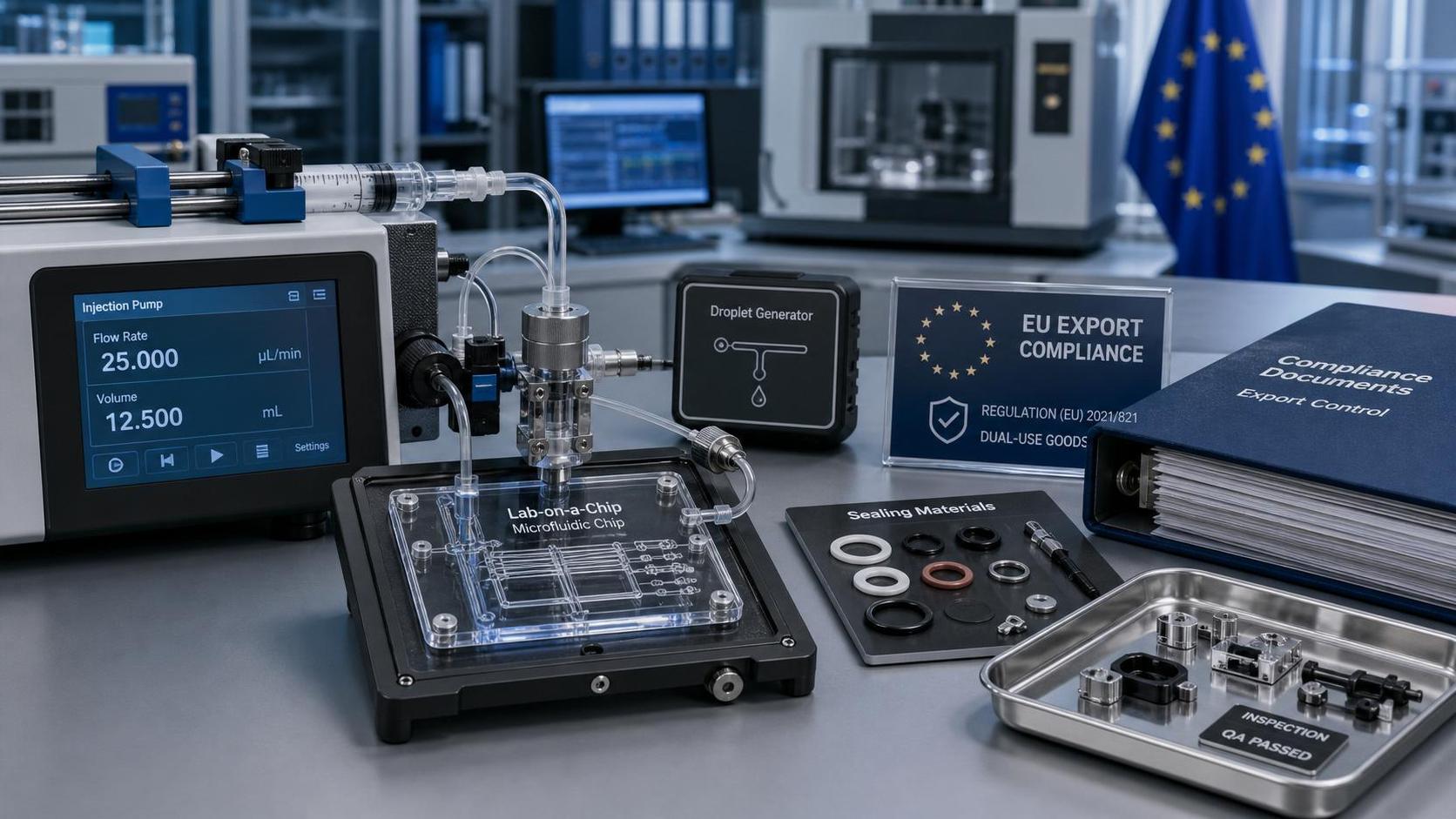
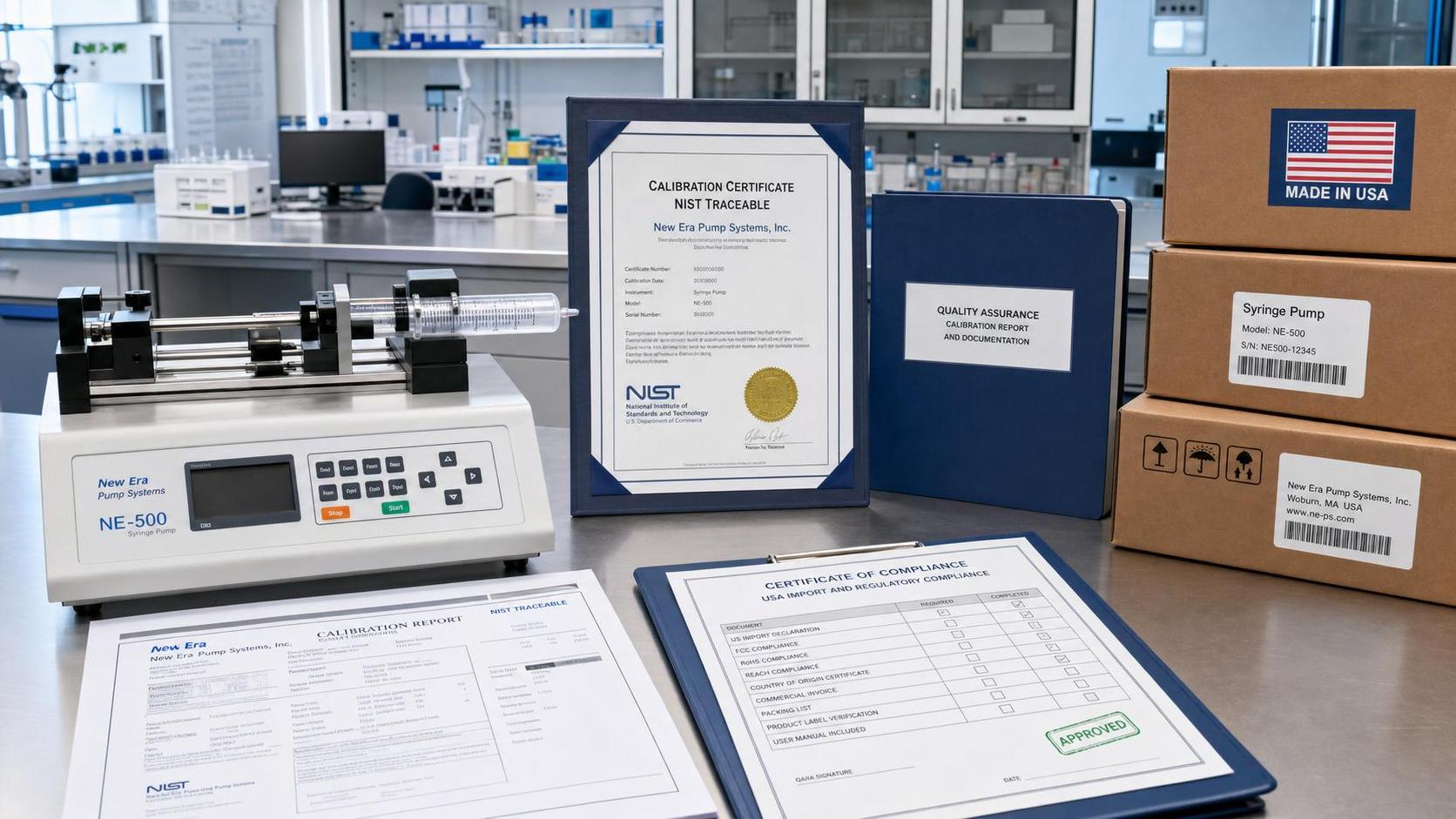
On June 22, 2026, the U.S. FDA released a draft industry guidance that would place syringe pump systems used in aseptic processing under a more explicit GMP framework. For manufacturers, suppliers, validation teams, quality units, and procurement functions tied to sterile production, the development is worth close attention because it points to more defined expectations around material suitability, calibration discipline, software traceability, and electronic record compliance rather than a simple product-level update.
What the draft guidance formally covers
The draft is titled Guidance for Industry: GMP Considerations for Syringe Pump Systems Used in Aseptic Processing. According to the provided information, the FDA issued it on June 22, 2026, and opened public comment from June 25 to July 25. The draft is described as the first step to bring precision syringe pump systems into the GMP oversight framework for aseptic processing.
The stated focus areas are fluid-path material biocompatibility verification, calibration intervals for micro-stepping accuracy, software audit trails, and compliance for electronic signatures. Based on the provided summary, the draft is expected to take formal effect in early 2027.
Where the operational pressure may emerge first
Equipment makers and system integrators may face tighter design documentation demands
From an industry perspective, suppliers of syringe pump systems and related integrated equipment may be affected because the draft points directly to how core system elements are documented and justified in regulated aseptic use. The practical impact may appear in technical files, validation support packages, software records, and customer-facing compliance documentation that buyers may begin requesting earlier in procurement and qualification stages.
Sterile manufacturers may need closer alignment between engineering and quality teams
Manufacturing sites using syringe pump systems in aseptic processing may be affected at the interface between production, validation, and quality oversight. What deserves closer attention is whether existing internal controls, calibration routines, material verification files, audit-trail practices, and electronic signature procedures are sufficiently organized for future inspection or customer review once the draft moves toward implementation.
Procurement and supplier qualification teams may see new review points
For procurement functions, the rule signal is not only about buying equipment but about buying evidence. Analysis shows that supplier qualification, technical bid alignment, document requests, and acceptance criteria may increasingly revolve around biocompatibility support, calibration-cycle clarity, software traceability, and the completeness of compliance records tied to delivery and installation.
Testing and compliance service providers may encounter more targeted client demand
Testing, validation, and compliance-support organizations may also be affected because clients are likely to focus more closely on the specific areas highlighted in the draft. The likely pressure points are not confirmed execution outcomes yet, but the draft clearly signals that documentary readiness and traceability support could become more important across qualification and post-installation review workflows.
What companies should watch before the draft turns into an enforceable reference
Review whether current files match the draft's focal points
Companies involved in sterile processing equipment, sourcing, or deployment should closely review whether their current technical and quality records address the four areas named in the draft. This is especially relevant for material verification records, calibration procedures, software audit-trail settings, and electronic signature controls.
Track changes between the comment period and final wording
Observably, this is still a draft rather than a finalized requirement set. That means companies should not assume that every implementation detail is settled yet. What deserves closer attention is whether the final language changes the depth of evidence expected, the way records should be maintained, or the phrasing used in future compliance reviews and qualification documents.
Prepare procurement and delivery documents for possible scrutiny
For teams managing sourcing and delivery, it is more appropriate to prepare for possible document-based scrutiny than to wait for formal enforcement. Bid specifications, supplier questionnaires, factory acceptance materials, installation records, and quality agreements may all require closer alignment if customers begin using the draft as an early benchmark before the expected 2027 effective timing.
Pay attention to traceability after installation and during service
After-sales and quality-traceability functions should also pay attention. Analysis shows that software audit trails and electronic signature compliance are not limited to initial purchase decisions; they can influence how service records, maintenance events, calibration history, and deviation follow-up are documented across the equipment lifecycle.
Why this looks more like an execution signal than a finished rule set
Analysis shows that the most important takeaway is not merely that a draft was issued, but that the FDA has identified syringe pump systems in aseptic processing as a specific GMP control topic. That makes this development more than a routine notice, yet it is still more appropriate to understand it as a regulatory direction with pending refinement rather than a fully settled enforcement standard today.
Observably, the comment window through July 25 leaves room for industry feedback, and that matters because the practical burden will likely depend on how the final text is interpreted in qualification, inspection, procurement review, and document expectations. For now, the stronger signal lies in where compliance attention is moving, not in any confirmed market-wide execution result.
How to read this development at the current stage
At this stage, the draft can be read as an early but concrete compliance signal for companies connected to aseptic processing systems. It points to a narrower and more explicit control focus around materials, calibration, software traceability, and electronic signatures. A neutral reading is that the change is not yet a finalized operating rule, but it is significant enough that affected businesses may want to review documentation readiness, supplier support, and cross-functional compliance processes before the expected early-2027 effective timing.
Basis of this article and what still requires verification
This article is generated from the user-provided news title, event date, and event summary. For developments of this kind, relevant source categories typically include official regulator releases, regulatory guidance publications, trade or customs authority notices, industry association updates, standards body documents, and reporting by established professional media. No specific official source link was provided in the input, so the exact official publication link remains to be verified. Further follow-up should focus on the final wording after public comment, the eventual compliance interpretation, possible changes in qualification and bidding documents, market feedback, and how affected companies implement the requirements in practice.
Expert Insights

Chief Security Architect
Dr. Thorne specializes in the intersection of structural engineering and digital resilience. He has advised three G7 governments on industrial infrastructure security.
Related Analysis
Core Sector // 01
Security & Safety
- China Tightens Export Compliance Checks on Lab Fluid-Control DevicesAuthor :Dr. Aris Nano

- China Tightens Export Checks on Lab Fluid DevicesAuthor :Dr. Aris Nano

- China Customs Tightens Export Checks for Lab Liquid-Handling EquipmentAuthor :Dr. Aris Nano

- ECHA SVHC Update Reaches Precision Fluid DevicesAuthor :Dr. Aris Nano

- FDA Tightens Accuracy Rule for Lab Fluid DevicesAuthor :Dr. Aris Nano

- ECHA Adds 12 SVHCs Affecting Lab Fluid DevicesAuthor :Dr. Aris Nano

- How to Choose a Variable Speed Peristaltic Pump for Accurate Lab Fluid TransferAuthor :Dr. Aris Nano

- FDA Tightens Import Rules for Syringe PumpsAuthor :Dr. Aris Nano