Wacker Czech Plant Eases Syringe Pump Seal Supply
Author
Date Published
Reading Time
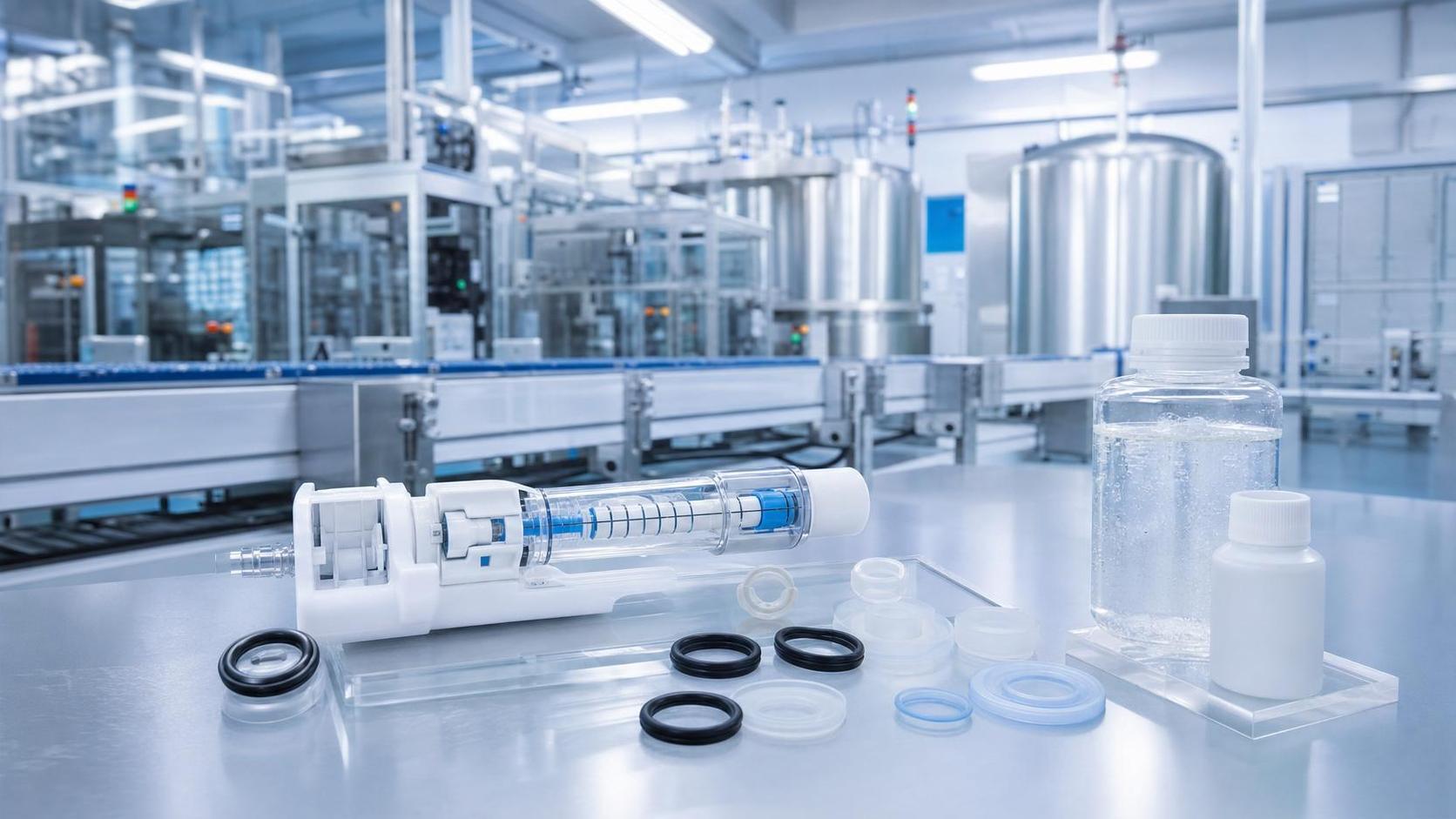
On June 22, 2026, Wacker Chemie brought a new silicone elastomer plant in the Czech Republic into commercial production, a move that matters beyond simple capacity expansion because it links material availability, sterilization performance, biocompatibility screening, and delivery reliability in the Syringe Pumps supply chain. For manufacturers, exporters, procurement teams, and compliance functions, the development is worth watching as an execution-level signal around how medical-grade LSR and fluorosilicone supply can affect lead times, documentation readiness, and GMP consistency in downstream delivery.
What has been confirmed at launch
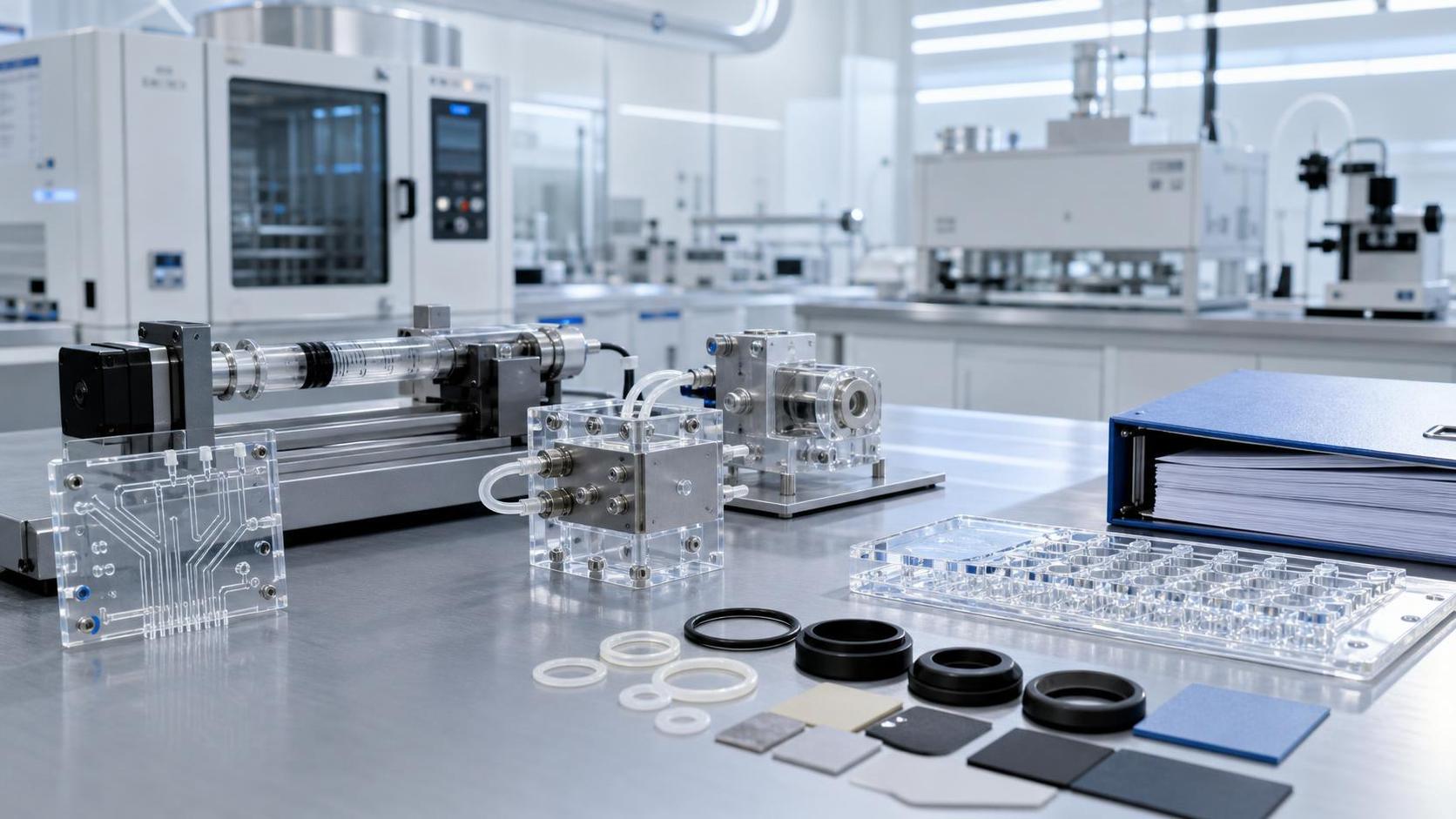
The confirmed facts are limited but commercially significant. The new facility started mass production on June 22, 2026 and is focused on medical-grade liquid silicone rubber (LSR) and fluorosilicone compounds. The output is intended to support European Syringe Pumps manufacturers that require sealing components able to withstand 135°C steam sterilization and maintain low extractables performance. According to the provided event summary, earlier maintenance on a Germany-based production line had extended lead times to 18 weeks, while the new Czech plant reduces the average delivery cycle to 6 weeks. The same summary also states that the material has obtained ISO 10993-5/10 pre-certification for biocompatibility.
Why this matters across procurement, export, and compliance
For pump manufacturers using high-temperature sealing parts
The immediate impact is on procurement stability and production scheduling. Where sealing materials must meet both sterilization resistance and low-extractables expectations, shorter delivery cycles can influence how manufacturers plan component sourcing, inventory buffers, and assembly timetables. What deserves closer attention is whether procurement specifications, supplier approval files, and incoming material documentation are updated to reflect the new supply arrangement and the stated ISO 10993-5/10 pre-certification status.
For Chinese exporters serving overseas Syringe Pumps demand
For export-oriented companies in China, the event points to a potentially more stable upstream material channel tied to European demand. Analysis shows that this may help reduce delivery pressure caused by long material lead times and may support more consistent downstream shipment planning. At the same time, exporters should pay attention to how customers describe material source qualifications, sterilization-related performance expectations, and consistency requirements in contracts, technical files, and order documentation.
For quality and certification-related functions
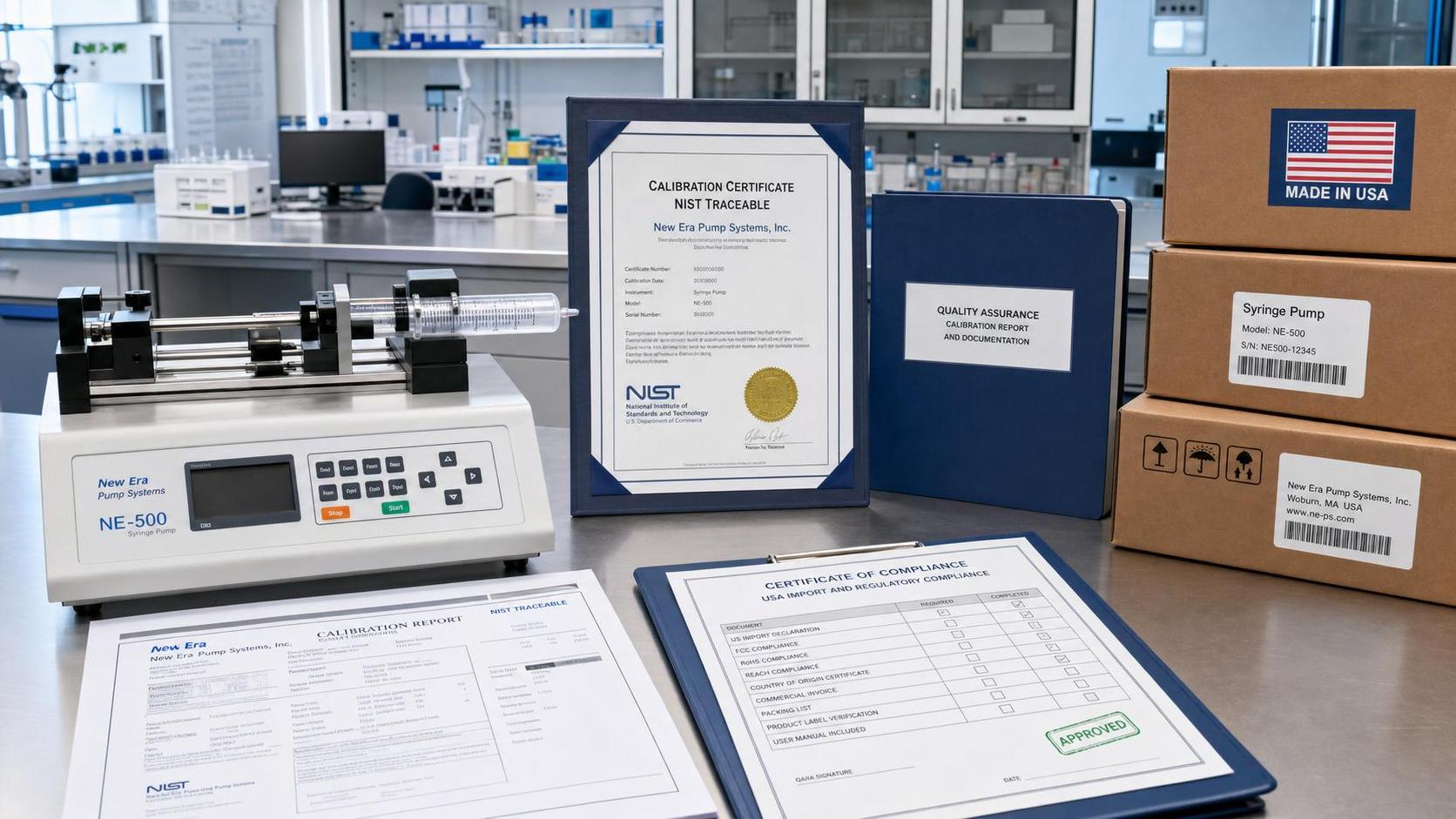
The compliance relevance is not limited to material availability. The mention of ISO 10993-5/10 pre-certification means quality teams, validation personnel, and certification support providers may need to review whether existing technical dossiers, supplier files, and product traceability records remain aligned with customer expectations. From an industry perspective, this is less about a new law being announced and more about a standards-and-documentation signal that can influence acceptance in regulated medical supply chains.
Practical checkpoints companies should not ignore
Recheck supplier qualification files
Companies relying on medical-grade silicone inputs should review supplier approval records, material descriptions, and biocompatibility-related supporting documents. The key point is not to assume that pre-certification automatically settles every downstream requirement, but to verify how it is referenced in customer-facing compliance materials.
Adjust lead-time assumptions in contracts and planning
The reduction from 18 weeks to 6 weeks is a confirmed change in the event summary, but companies should still assess how that affects internal planning assumptions, delivery commitments, and safety-stock decisions. Observably, this is most relevant where tender files or customer schedules were built around earlier supply constraints.
Watch GMP consistency in export execution
The provided summary specifically notes the relevance for Chinese Syringe Pumps exporters in maintaining export order rhythm and GMP consistency. Companies should therefore pay close attention to lot traceability, change-control records, and whether any material-source update needs to be reflected in quality documentation provided to customers.
Track how customers formalize technical expectations
Because the event relates directly to sealing materials for 135°C sterilization and low-extractables performance, sales and technical teams should monitor whether buyers revise technical specifications, qualification requests, or bid documents. If those documents change, the operational effect may reach sourcing, validation, and after-sales support at the same time.
How this development is best interpreted now
Analysis shows that this development is best understood as an implementation signal rather than a fully settled rule change. The new plant, the shorter stated delivery cycle, and the ISO 10993-5/10 pre-certification together suggest that upstream supply conditions for certain medical silicone materials are becoming more execution-ready for regulated applications. However, it remains necessary to observe how customers, procurement departments, and quality systems translate that signal into actual specification language, approval practice, and order behavior.
A measured takeaway for the market
At this stage, the event should be read as a concrete supply-chain and compliance development with practical implications for Syringe Pumps manufacturing and export delivery, not as a stand-alone market conclusion. More appropriately, it indicates that material availability, certification readiness, and delivery reliability are becoming more tightly linked in this segment, and that companies should respond through documentation review, supplier coordination, and closer monitoring of customer requirements.
Basis of this article and what still needs verification
This article is generated from the user-provided news title, event date, and event summary. For events of this type, commonly relevant source categories may include company announcements, regulator publications, trade or customs authority information, industry association updates, standards organization documents, and reporting by established industry media. No specific official source link was provided in the input, so the exact official reference still requires further verification. What remains worth tracking includes any later clarification on certification application scope, customer-side documentation requirements, tender wording changes, industry feedback, and how enterprises implement the supply change in practice.
Expert Insights

Chief Security Architect
Dr. Thorne specializes in the intersection of structural engineering and digital resilience. He has advised three G7 governments on industrial infrastructure security.
Related Analysis
Core Sector // 01
Security & Safety
- China Tightens Export Compliance Checks on Lab Fluid-Control DevicesAuthor :Dr. Aris Nano

- China Tightens Export Checks on Lab Fluid DevicesAuthor :Dr. Aris Nano

- China Customs Tightens Export Checks for Lab Liquid-Handling EquipmentAuthor :Dr. Aris Nano

- ECHA SVHC Update Reaches Precision Fluid DevicesAuthor :Dr. Aris Nano

- FDA Tightens Accuracy Rule for Lab Fluid DevicesAuthor :Dr. Aris Nano

- ECHA Adds 12 SVHCs Affecting Lab Fluid DevicesAuthor :Dr. Aris Nano

- How to Choose a Variable Speed Peristaltic Pump for Accurate Lab Fluid TransferAuthor :Dr. Aris Nano

- FDA Tightens Import Rules for Syringe PumpsAuthor :Dr. Aris Nano