How synthesis systems affect pharma batch consistency
Author
Date Published
Reading Time
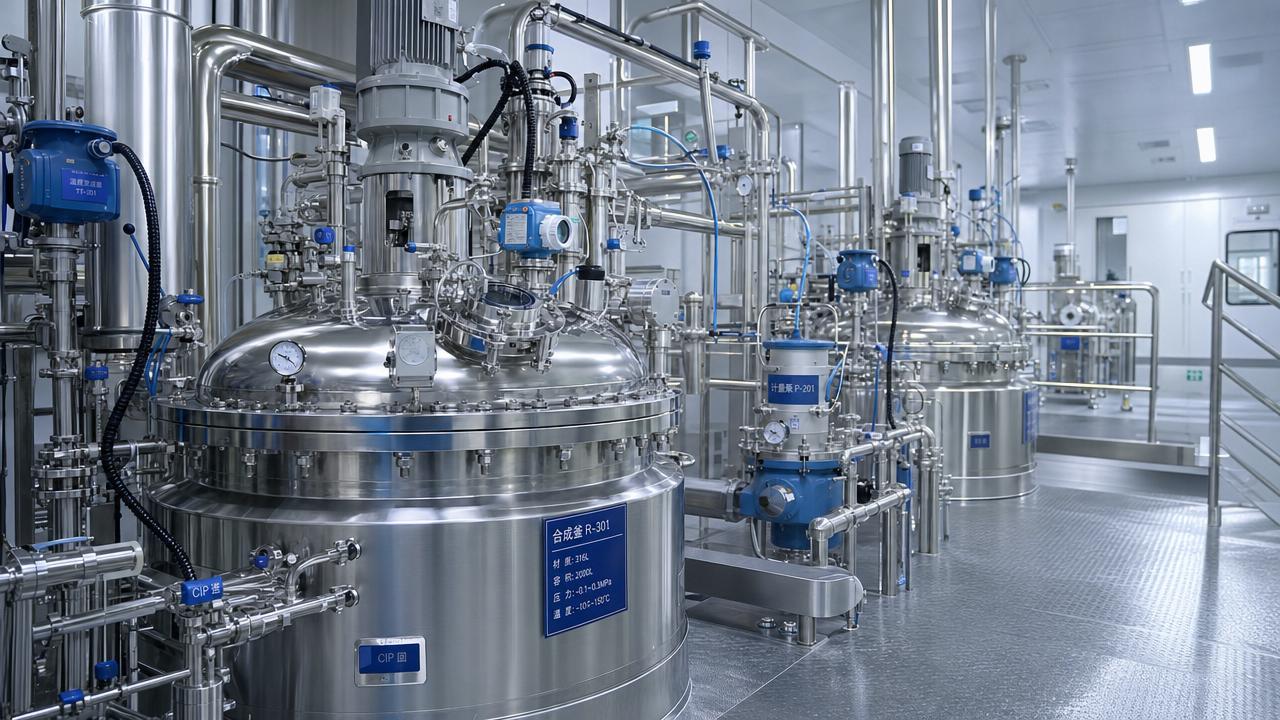
Batch consistency is a non-negotiable priority for quality control and safety teams in modern pharma. As production shifts toward tighter tolerances and faster scale-up, synthesis systems for pharmaceutical production play a decisive role in controlling reaction stability, contamination risk, and process repeatability. Understanding how these systems influence uniformity helps decision-makers strengthen compliance, reduce variability, and protect both product quality and operational safety.
For quality and safety leaders, the issue is rarely limited to one reactor, one control panel, or one batch record. In practice, consistency is shaped by the interaction of vessel design, fluid handling accuracy, thermal control, cleaning strategy, automation logic, and operator intervention. When any one of these variables drifts beyond a defined threshold, the effect can cascade into yield loss, impurity shifts, rework, deviation investigations, or even rejected product.
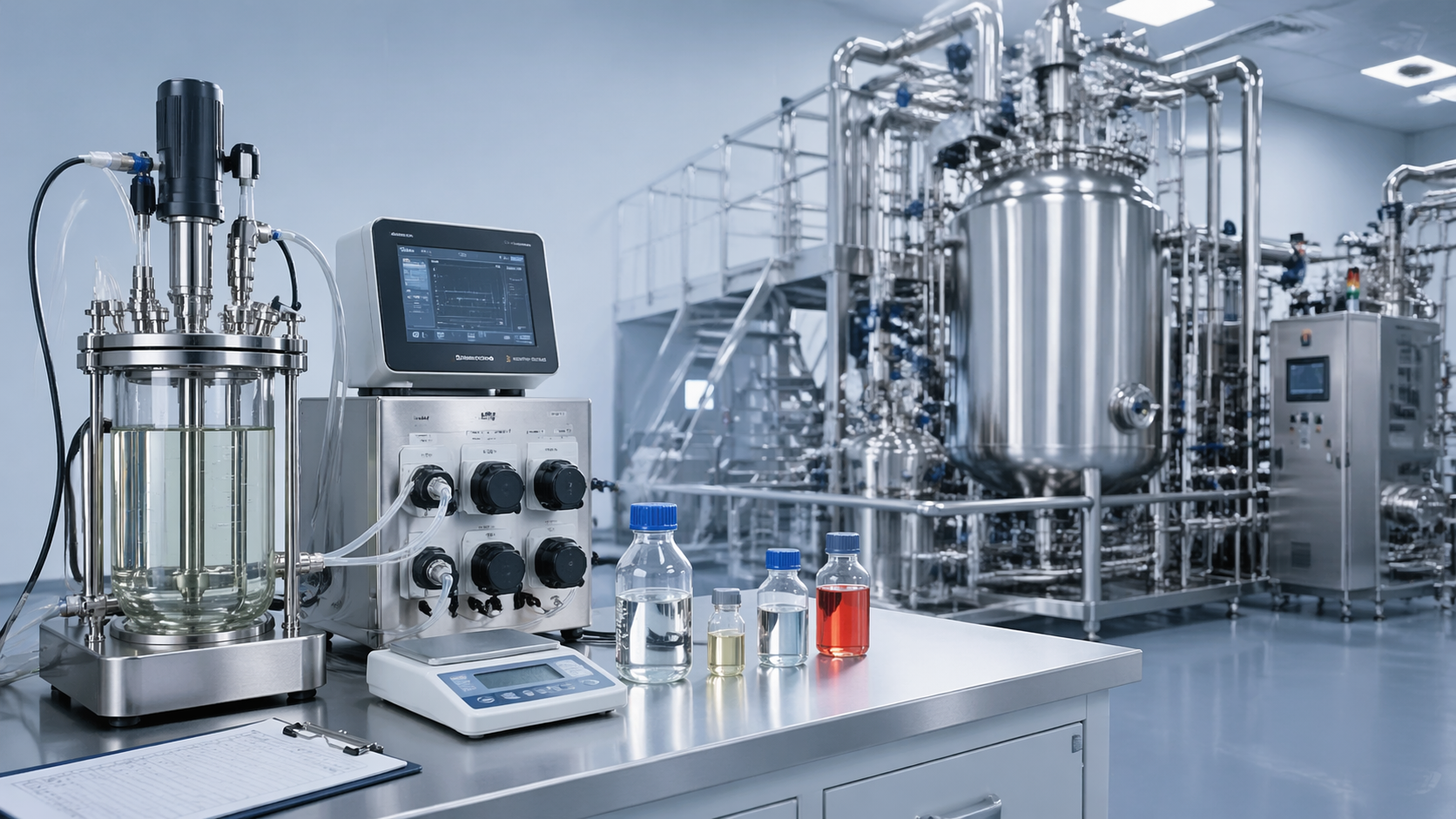
This is why procurement and technical benchmarking decisions matter long before validation begins. Organizations using synthesis systems for pharmaceutical production need equipment architectures that support stable mixing, predictable heat transfer, closed handling, and reproducible scaling from lab through pilot and commercial output. For teams responsible for release quality, occupational safety, and audit readiness, the right synthesis platform directly reduces operational uncertainty.
Why synthesis systems are central to batch consistency
In pharmaceutical manufacturing, consistency means more than meeting a final assay result. It includes tight control over reaction kinetics, impurity profile, solvent exposure, temperature history, hold time, and material transfer conditions. A system that maintains these variables within narrow operating windows, such as ±0.5°C temperature control or feed-rate variation below 1%–2%, gives quality teams a stronger foundation for batch-to-batch repeatability.
For safety managers, synthesis systems for pharmaceutical production also influence containment performance and process hazard exposure. Poorly integrated equipment can create dead legs, pressure instability, vapor release points, and cleaning gaps. In contrast, well-designed platforms support safer charging, better vent management, and more reliable responses during exothermic steps, especially when batch cycle times range from 4 hours to 48 hours.
The main consistency variables controlled by system design
Quality drift usually begins with a limited set of process variables. Among the most common are agitation efficiency, dosing precision, residence time distribution, thermal uniformity, seal integrity, and cleaning effectiveness. If these six factors are not engineered into the system from the start, even a validated recipe may perform differently across operators, shifts, or production sites.
- Agitation uniformity affects crystal size distribution, suspension stability, and reaction completeness.
- Dosing accuracy at sub-liter or sub-minute intervals influences stoichiometric precision and side-product formation.
- Thermal response determines whether hot spots or delayed cooling create variability during sensitive synthesis steps.
- Surface finish and hygienic design shape cleaning validation outcomes and contamination risk.
How scale-up amplifies small equipment weaknesses
A deviation that appears minor at 5 L can become critical at 50 L, 200 L, or pilot scale. A 30-second delay in reagent addition, a 2°C overshoot, or uneven shear in the vessel may alter reaction selectivity or intermediate stability. Quality teams often see this in processes that scale from benchtop screening to pilot production within 2 to 4 development stages.
This is where G-LSP-style benchmarking becomes valuable. Comparing pilot-scale reactors and synthesis systems against ISO, USP, and GMP-oriented expectations helps decision-makers assess whether the hardware can preserve process intent during the transition from controlled lab conditions to more demanding production environments.
The table below highlights the system-level factors that most directly affect repeatability in pharma synthesis operations.
The key conclusion is straightforward: batch consistency is not only a recipe issue. It is a hardware and control strategy issue. For teams evaluating synthesis systems for pharmaceutical production, equipment design should be treated as part of the quality system, not merely as a utility asset.
Where inconsistency usually starts in pharma synthesis workflows
Most consistency failures emerge at interfaces rather than during steady-state operation. Charging, transfer, sampling, solvent switching, and cleaning changeovers are frequent risk points. In many facilities, these steps account for 20%–40% of deviations because they involve manual action, temporary exposure, or variable timing rather than stable automated control.
Manual dosing and operator-dependent timing
A process may look robust on paper but become unstable if a reagent is added too quickly, if a hold time extends by 10 minutes, or if an intermediate is sampled before full homogenization. In systems without integrated fluidic precision, operators often compensate manually. That increases variability between shifts and complicates root-cause analysis when out-of-trend results appear.
What quality teams should verify
- Whether critical additions are timer-locked or operator-triggered
- Whether pumps and dispensers maintain repeatability over 50 to 100 cycles
- Whether alarms record both deviation magnitude and response time
- Whether event logs integrate into batch review workflows
Contamination pathways linked to poor system integration
Contamination is not always a dramatic failure. It can begin as residue retention in transfer lines, incomplete drainage, gasket wear, or ineffective sampling port design. For safety teams, this is especially relevant when potent compounds, sensitizers, or solvent-heavy chemistries are involved. Even low-level carryover can force extended investigations and delay batch release by several days.
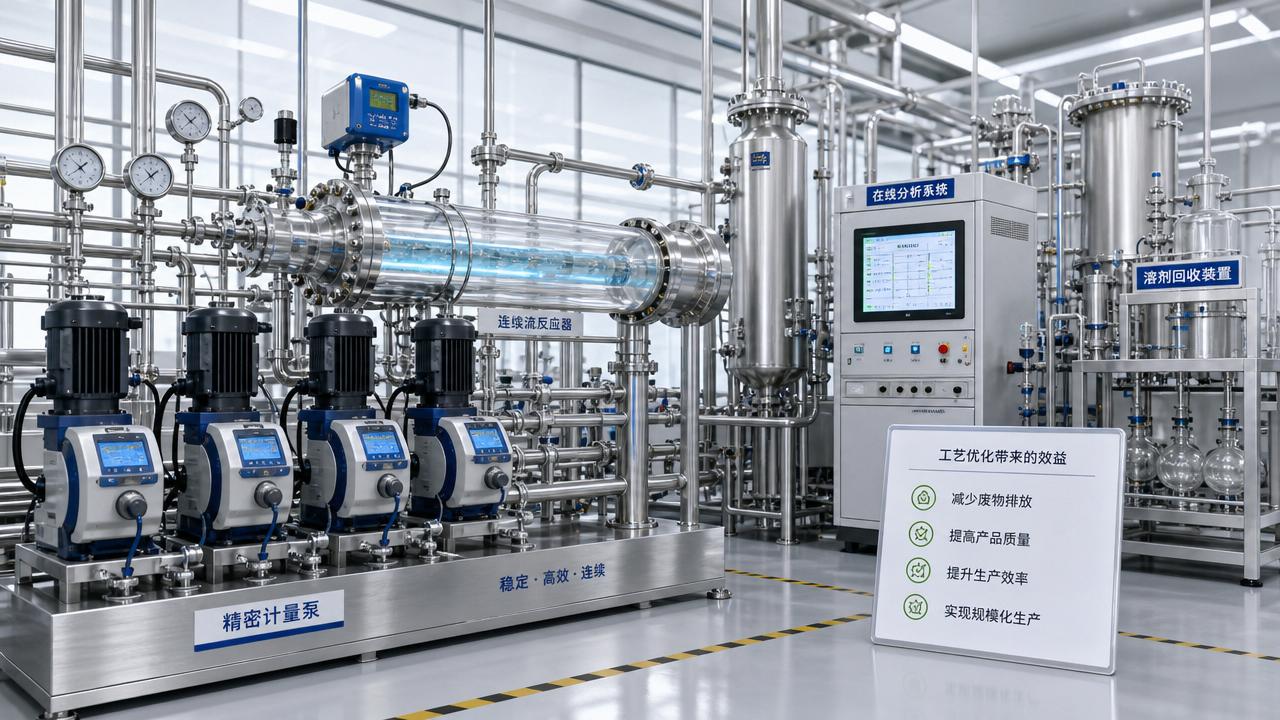
Closed, bioconsistent hardware reduces these risks by limiting product exposure and standardizing cleaning paths. In pilot-scale reactors and precision fluid handling assemblies, details such as valve placement, surface finish continuity, and seal compatibility often determine whether systems remain cleanable under routine operating pressure and temperature conditions.
Thermal non-uniformity during sensitive reaction phases
Temperature instability remains one of the most common hidden drivers of batch variability. Processes with narrow reaction windows, such as 15°C to 25°C or tightly controlled low-temperature additions, depend on fast heat exchange and consistent probe response. A difference of 1°C to 3°C across vessel zones can change impurity formation rates, especially in scale-up.
Procurement teams should therefore look beyond nominal jacket specifications. Response time, sensor placement, control loop tuning, and mixing geometry all affect whether the measured temperature reflects the actual reaction mass. For quality control, that difference can be decisive.
How to evaluate synthesis systems for pharmaceutical production
An effective evaluation framework should balance process capability, contamination control, documentation readiness, and lifecycle maintainability. Quality and safety managers do not need to select equipment on mechanical features alone, but they do need to verify how those features support controlled manufacturing under GMP-oriented conditions.
Four decision areas that deserve detailed review
- Process control capability: temperature, pressure, dosing, mixing, and sampling repeatability
- Hygienic and containment design: drainability, cleanability, sealing, and exposure control
- Data and traceability support: alarms, logs, recipe control, and audit-ready documentation
- Service practicality: spare parts access, calibration frequency, and maintenance downtime
The comparison below can help teams structure supplier discussions and internal scoring during capital planning or technical due diligence.
A useful procurement insight is that the lowest upfront purchase cost rarely reflects the true quality cost. Systems that require more manual adjustment, more frequent recalibration, or longer cleaning verification often generate hidden expenses through deviations, delayed release, and reduced line availability.
Questions that improve technical due diligence
During qualification planning, teams should request evidence from development-scale or pilot-scale use rather than relying only on brochure claims. For example, ask how the system performs across 3 to 5 representative chemistries, what alarm response strategy is built in, and how the equipment handles cleaning between high-potency and standard compounds if such use is intended.
For organizations navigating the benchtop-to-production gap, technical repositories and benchmarking hubs such as G-LSP can support cross-functional review. This is especially helpful when comparing synthesis systems, microfluidic interfaces, fluid dosing modules, or reactor configurations that must work together as one controlled manufacturing environment.
Implementation practices that protect uniformity after purchase
Even strong equipment can underperform if implementation is rushed. The highest-value systems are those introduced with a disciplined plan covering installation, parameter mapping, operator training, cleaning verification, and performance monitoring. In many sites, the first 30 to 90 days after commissioning determine whether expected consistency gains are actually realized.
A five-step rollout model for quality-sensitive operations
- Define critical quality and safety parameters before installation.
- Map equipment response under low, normal, and high-load conditions.
- Train operators on timing-sensitive and deviation-sensitive tasks.
- Verify cleaning paths and sampling points under production reality.
- Trend batch data for at least the first 10 to 20 production cycles.
Why trending matters
Many early warning signs appear only when multiple batches are reviewed together. A slight increase in cooling time, a growing offset in pH correction, or rising variance in addition timing may not trigger an immediate failure, but over 8 to 12 runs these signals can reveal a developing control problem. QC teams should work with engineering to track these trends at routine review intervals.
Common mistakes that reduce batch repeatability
- Assuming lab-scale mixing behavior will remain unchanged at pilot volume
- Treating cleaning design as secondary to throughput capacity
- Underestimating calibration intervals for pumps, probes, and sensors
- Allowing excessive manual overrides during early production campaigns
These mistakes are avoidable when synthesis systems for pharmaceutical production are selected and commissioned with a full-process view. The objective is not simply to run a reaction, but to create a repeatable, inspectable, and safe operating state that can withstand scale, schedule pressure, and audit scrutiny.
What quality and safety teams should prioritize next
For pharmaceutical organizations facing tighter tolerances, accelerated scale-up, and more complex product portfolios, synthesis systems are no longer a background utility. They are a frontline determinant of whether process intent becomes commercial consistency. Equipment that delivers stable thermal control, accurate dosing, clean transfer, and dependable traceability gives QC and safety teams a measurable operational advantage.
G-LSP’s multidisciplinary focus on pilot-scale reactors, precision microfluidics, bioconsistent hardware, and benchmarking against ISO, USP, and GMP-relevant expectations aligns closely with this need. For buyers and technical reviewers, that means stronger decision support when comparing platforms intended to bridge lab experimentation and industrial execution.
If your team is assessing synthesis systems for pharmaceutical production and needs clearer evaluation criteria for consistency, containment, and implementation risk, now is the right time to refine your shortlist. Contact us to discuss technical benchmarks, request a tailored comparison framework, or explore more solutions designed for high-stakes pharma production transitions.
Expert Insights

Chief Security Architect
Dr. Thorne specializes in the intersection of structural engineering and digital resilience. He has advised three G7 governments on industrial infrastructure security.
Related Analysis
Core Sector // 01
Security & Safety
- R&D-to-Production Transition breaks when lab data looks too cleanAuthor :Dr. Elena Carbon

- How to Evaluate a Microplate Processing Data Supplier for Traceability and QC ReportingAuthor :Dr. Elena Carbon

- Custom Metal Stamping Parts: Tolerance, Tooling Cost, and Best-Fit ApplicationsAuthor :Dr. Elena Carbon

- When process optimization cuts synthesis waste fastAuthor :Dr. Elena Carbon

- How process optimization lowers waste in synthesisAuthor :Dr. Elena Carbon

- How synthesis systems affect pharma batch consistencyAuthor :Dr. Elena Carbon

- Lab-Scale Production Looks Efficient Until Yield Starts MovingAuthor :Dr. Elena Carbon

- R&D-to-Production Transition Gets Harder With Mixed BatchesAuthor :Dr. Elena Carbon