Buffer Preparation Throughput Metrics That Actually Compare Systems
Author
Date Published
Reading Time
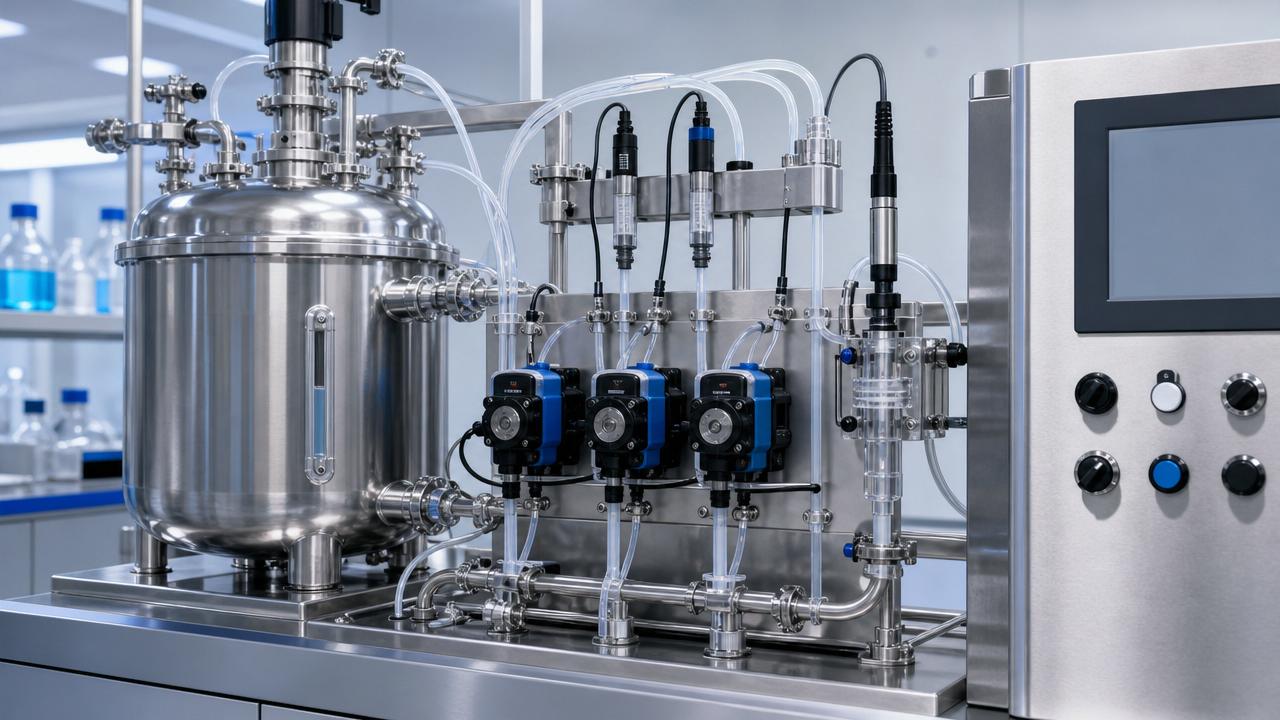
For commercial evaluators comparing fluid handling platforms, buffer preparation throughput metrics can be misleading when vendors emphasize speed without context. This article outlines the indicators that actually compare systems—batch consistency, dosing precision, changeover efficiency, scalability, and compliance readiness—so decision-makers can assess true operational value instead of headline output alone.
Why buffer preparation throughput metrics often fail commercial comparisons
In procurement reviews, the phrase buffer preparation throughput metrics is frequently reduced to liters per hour, batches per shift, or cycle time per recipe. Those numbers matter, but they rarely tell the full commercial story. A system that runs faster on a vendor datasheet may still underperform once recipe complexity, cleaning steps, operator intervention, and documentation requirements are included.
This problem is especially relevant in pharmaceutical, biotech, specialty chemical, and advanced laboratory environments where buffer preparation supports sensitive downstream steps. If pH drift, concentration variance, or delayed changeovers interrupt upstream or fill-finish operations, the apparent throughput advantage disappears. For business evaluators, the key question is not “How fast can it run?” but “How much qualified output can it deliver under real operating conditions?”
- Headline speed may exclude setup, priming, calibration, and line clearance.
- Throughput claims often assume one recipe, one viscosity range, and ideal feed conditions.
- Commercial risk rises when batch release depends on traceability, audit trails, and repeatable mixing quality.
- Systems serving batch-to-continuous transitions must be assessed for scale behavior, not only bench output.
That is why G-LSP frames evaluation around the Architecture of Micro-Efficiency: not isolated component speed, but how fluidic precision, hardware consistency, and process control shape usable throughput across lab-scale and pilot-scale workflows.
Which buffer preparation throughput metrics actually compare systems?
Useful buffer preparation throughput metrics connect process performance with commercial outcomes. They should allow comparison across automated liquid handling systems, precision dosing modules, microfluidic preparation platforms, and pilot-scale buffer skids without hiding operational friction.
Core indicators that matter more than nominal output
The table below summarizes the throughput indicators that usually provide a more reliable basis for system comparison than simple hourly volume. These metrics help procurement teams link technical performance with labor efficiency, validation effort, and production continuity.
The practical lesson is simple: buffer preparation throughput metrics should express qualified, repeatable, documented productivity. Any comparison that excludes these dimensions can distort CAPEX justification and make supplier proposals look more attractive than they will be in operation.
How G-LSP approaches technical benchmarking
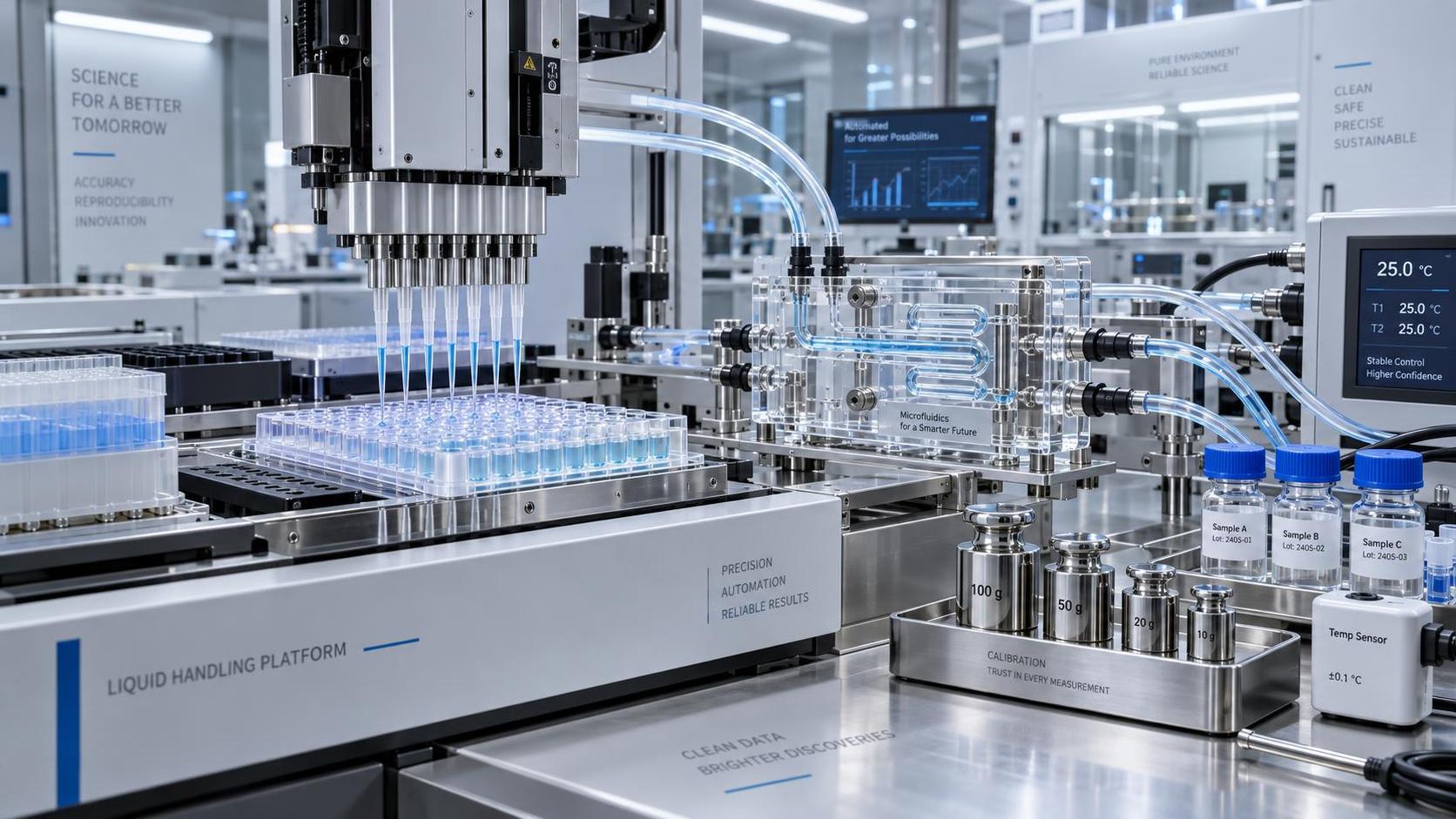
G-LSP supports cross-functional evaluations by connecting fluidic precision with industrial reality. Instead of assessing isolated dispensing speed, benchmarking should cover control architecture, sensor reliability, wetted-path consistency, recipe management, and transition behavior from benchtop trials to pilot-scale execution. This is where multidisciplinary comparison becomes valuable, especially when a buffer preparation platform must integrate with bioreactors, microfluidic devices, separation systems, or automated pipetting infrastructure.
How to compare systems in real application scenarios
Different environments place different demands on buffer preparation throughput metrics. A screening lab, a pilot suite, and a regulated production support lab may all prepare buffers, but the procurement logic is not identical. Evaluators should classify expected use cases before scoring vendors.
Typical scenarios that change the right purchasing decision
- High-mix laboratory operations: Frequent recipe switching makes cleaning validation burden and parameter recall more important than maximum tank filling speed.
- Bioprocess development: Tight pH and conductivity control may matter more than raw volume because cell culture and downstream chromatography are sensitive to variation.
- Pilot-scale transfer: The critical metric is whether dosing and mixing performance remain stable as batch size and line geometry change.
- Continuous or semi-continuous manufacturing support: Reliability over extended run time, alarm handling, and feed consistency become central to throughput assessment.
When commercial evaluators skip this scenario mapping, they often overpay for speed they do not need or underinvest in control features they will later discover are essential.
The next comparison table translates application context into practical system evaluation criteria. It is useful when buffer preparation throughput metrics must support internal business cases across operations, quality, engineering, and procurement teams.
A scenario-based review prevents generic vendor scoring. It also helps justify why one system may be commercially superior even when another advertises higher nominal throughput.
What technical parameters should procurement teams request?
Commercial teams do not need to behave like design engineers, but they do need enough technical specificity to avoid weak quotations and ambiguous claims. Buffer preparation throughput metrics become comparable only when the same process boundaries are defined in the request for proposal.
Minimum data points to request from suppliers
- Declared throughput under defined viscosity, temperature, and concentration ranges.
- Dose accuracy and repeatability at both minimum and maximum practical working volumes.
- Typical changeover sequence, including flush volume, cleaning time, and recalibration steps.
- Sensor types used for pH, conductivity, flow, and level monitoring, plus maintenance intervals.
- Data handling capabilities relevant to GMP-oriented environments, such as run records and access control.
- Integration requirements with reactors, bioreactors, liquid handling platforms, or plant utilities.
This request structure is aligned with how G-LSP examines fluidic systems across its five industrial pillars. It keeps the discussion focused on measurable process behavior and downstream compatibility rather than on generic claims about automation.
Warning signs in vendor responses
- Throughput figures are given without recipe definition or tolerances for final buffer quality.
- Accuracy is reported only for one operating point rather than across the useful working range.
- Cleaning time is omitted from productivity calculations.
- Scalability claims are presented without evidence of similar flow regime or control architecture.
- Compliance features are described in broad language but not tied to actual recordability or audit expectations.
Cost, risk, and alternatives: what really affects total value?
A faster platform is not automatically the lower-cost option. For buffer preparation throughput metrics to support investment decisions, they must be connected to labor inputs, consumable usage, downtime exposure, scrap risk, and qualification workload. In practice, systems with stronger fluidic precision often reduce hidden cost even if purchase price is higher.
For example, a semi-automated approach may be commercially acceptable where batch volumes are small and recipe turnover is high. By contrast, operations supporting scale-up, high-value biologics, or tightly scheduled pilot campaigns may benefit more from automated platforms that reduce operator variability and documentation effort.
The table below helps connect buffer preparation throughput metrics with cost and alternative solution logic. It is particularly useful when procurement must justify why a lower headline price may still create a weaker long-term business case.
For business evaluators, the right decision depends on process criticality, not on automation level alone. G-LSP’s benchmarking perspective is useful here because it relates liquid handling precision, reactor compatibility, and operational discipline to real throughput economics.
Why compliance readiness should be part of buffer preparation throughput metrics
In regulated and quality-sensitive environments, throughput without compliance readiness is incomplete throughput. If a system can prepare buffer quickly but cannot support record integrity, controlled parameter management, or repeatable cleaning procedures, it creates approval delays and avoidable risk. That matters for pharmaceutical and chemical organizations where lab-to-production continuity depends on documented consistency.
Compliance questions evaluators should include
- Can the system preserve run history, operator actions, setpoint changes, and alarm events in a structured way?
- Are materials and wetted components appropriate for the target chemical or bioprocess environment?
- Can the supplier explain how the platform aligns with general expectations associated with ISO, USP, and GMP-oriented operations?
- Is there a clear approach to calibration, preventive maintenance, and sensor replacement documentation?
These questions are not only for quality teams. They directly affect throughput, because unresolved compliance issues can slow release, delay scale-up, and complicate internal approval for vendor selection.
FAQ: common questions commercial evaluators ask
How should buffer preparation throughput metrics be normalized across vendors?
Normalize around qualified output, not nominal flow rate. Ask every supplier to define recipe type, target tolerances, working volume, changeover assumptions, and operator involvement. If one vendor reports liters per hour without cleaning time and another includes full cycle requirements, the numbers are not comparable.
Which metric matters most in multi-product environments?
In many multi-product facilities, changeover efficiency has the strongest commercial impact. A platform that prepares a batch slightly slower but switches recipes quickly, records parameters reliably, and minimizes line clearance waste may deliver higher shift productivity than a faster but less flexible system.
Are high-speed systems always better for scale-up planning?
No. Scale-up value depends on whether mixing behavior, dosing resolution, sensor control, and material compatibility remain stable as operating conditions change. Buffer preparation throughput metrics should therefore include scale consistency and process transfer confidence, not just bench performance.
What is the most common purchasing mistake?
The most common mistake is treating buffer preparation as a simple utility step. In reality, poor control here can disrupt chromatography, cell culture support, reactor charging, and analytical reproducibility. Under-specifying this stage often leads to hidden labor cost, avoidable deviations, and weak platform integration.
Why choose us for benchmarking and selection support
G-LSP helps commercial evaluators move beyond generic buffer preparation throughput metrics by linking system speed to fluidic precision, scale-transition behavior, and compliance-oriented practicality. Our multidisciplinary perspective is built around the technical intersections that matter in real procurement decisions: pilot-scale reactors, precision microfluidics, bioreactors, centrifugation workflows, and automated liquid handling.
If you are comparing platforms for laboratory expansion, pilot transfer, or regulated process support, we can help structure the evaluation around measurable criteria instead of vendor headline claims. Consultation topics can include parameter confirmation, throughput metric normalization, dosing precision review, changeover analysis, compatibility with existing equipment, expected delivery considerations, customization scope, certification expectations, sample or demonstration planning, and quotation alignment across suppliers.
For teams under budget pressure or compressed timelines, that clarity shortens internal review cycles and reduces the risk of selecting a system that looks efficient on paper but performs inconsistently in operation. When buffer preparation throughput metrics are defined correctly, purchasing decisions become easier to defend, easier to implement, and more reliable over the full lifecycle.
Expert Insights

Chief Security Architect
Dr. Thorne specializes in the intersection of structural engineering and digital resilience. He has advised three G7 governments on industrial infrastructure security.
Related Analysis
Core Sector // 01
Security & Safety
- Regulatory Compliance gaps that delay pharma launchesAuthor :Dr. Elena Carbon

- Pharmaceutical Process Improvement: Reducing Batch Variability Without Delaying Scale-UpAuthor :Dr. Elena Carbon

- Selecting Bioprocessing Modules for Scalable Upstream and Downstream WorkflowsAuthor :Dr. Elena Carbon

- Agricultural Processing Equipment Prices: What Buyers Should Compare Beyond the QuoteAuthor :Dr. Elena Carbon

- Wholesale Mechanical Seals: A Buyer’s Checklist for Materials, Duty, and Supplier QualityAuthor :Dr. Elena Carbon

- How to Qualify a GMP Compliance Supplier for Critical Lab ConsumablesAuthor :Dr. Elena Carbon

- Comparative Technical Benchmarking: Which Metrics Matter for Laboratory Platform Selection?Author :Dr. Elena Carbon

- How to Compare Reactor System Suppliers for Scale-Up, Compliance, and Total CostAuthor :Dr. Elena Carbon