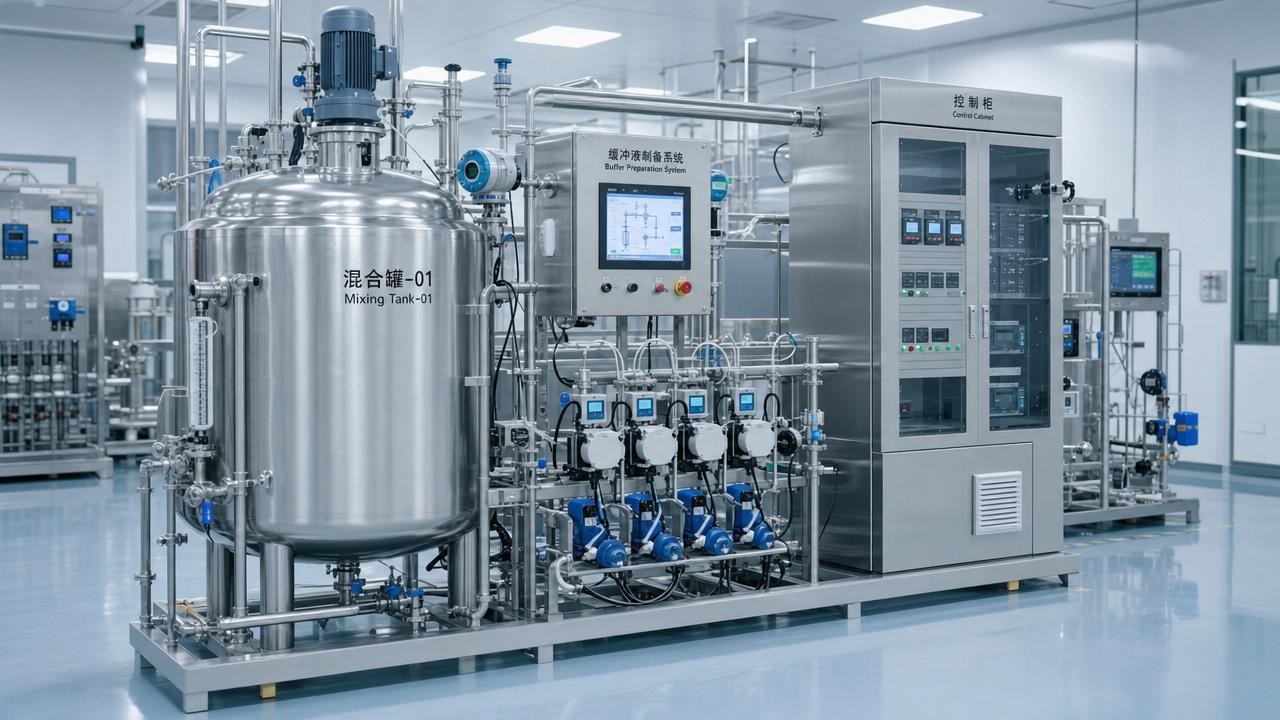
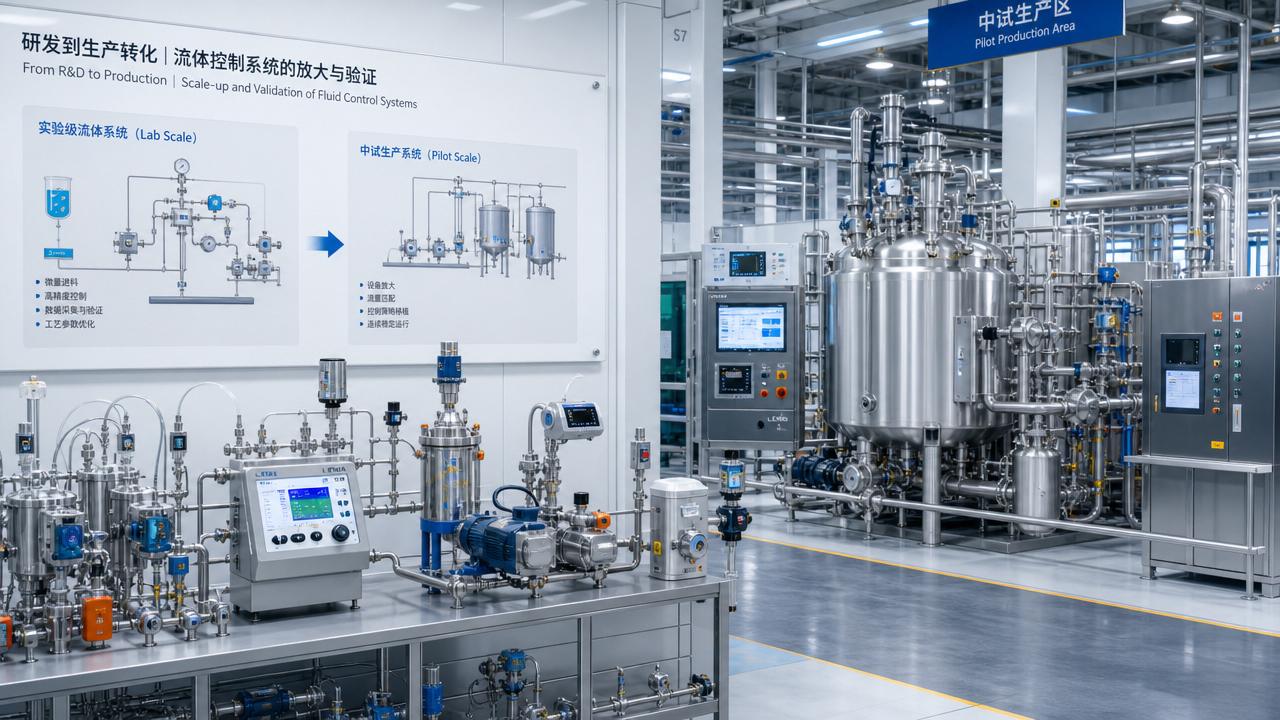
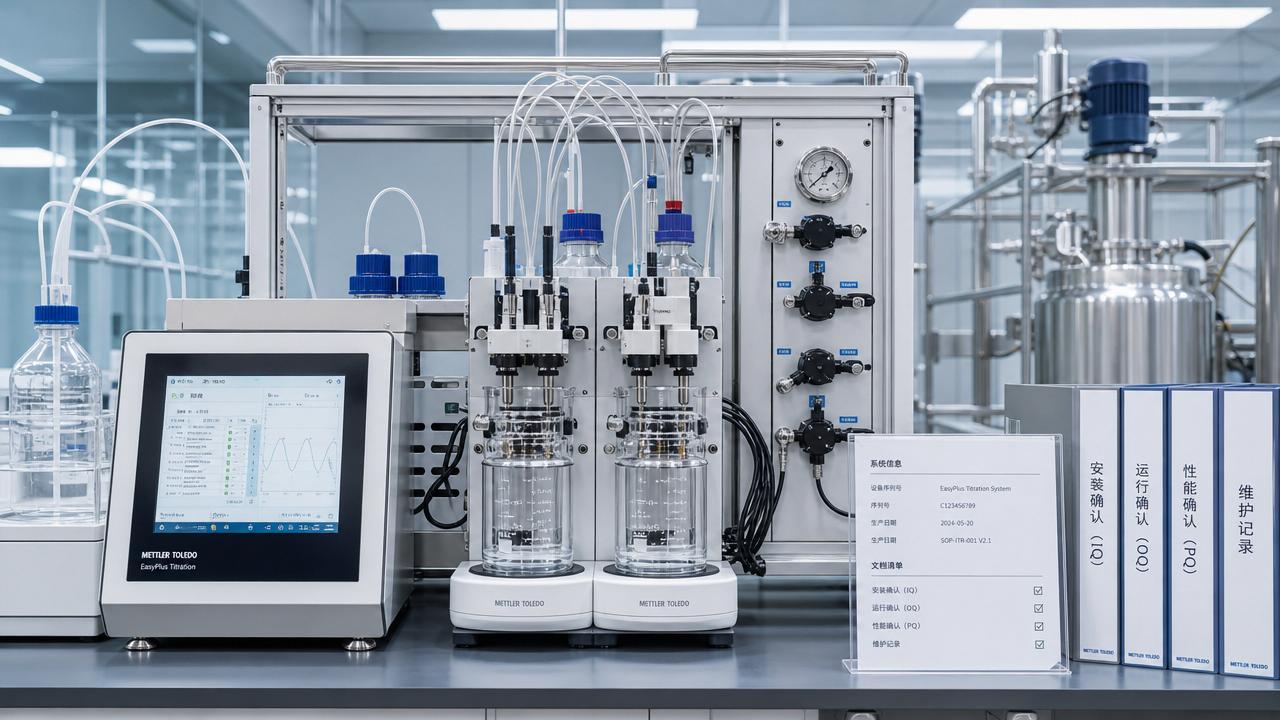
Buffer Preparation Throughput Metrics That Expose Hidden Delays
Author
Date Published
Reading Time
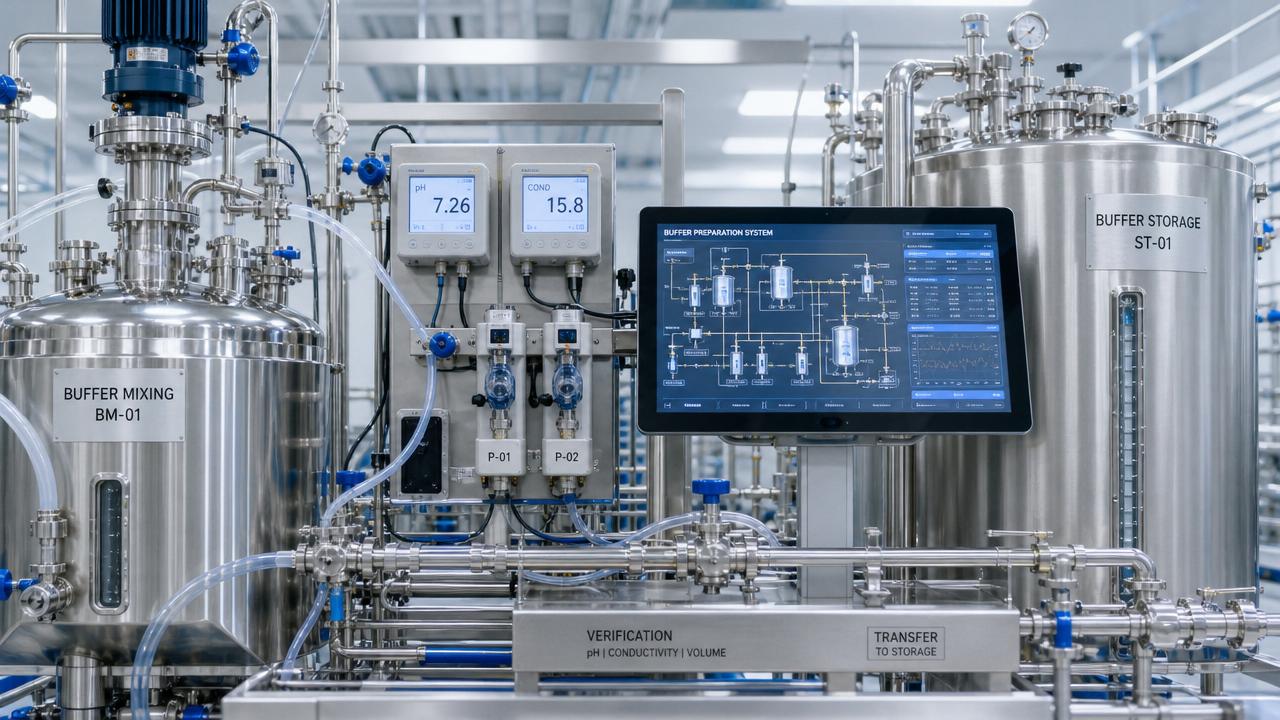
For enterprise leaders managing high-stakes lab and production workflows, buffer preparation throughput metrics reveal more than speed—they uncover hidden delays, capacity gaps, and costly inefficiencies that often go unnoticed. By tracking the right indicators, organizations can improve fluidic precision, strengthen process consistency, and align lab-scale operations with larger manufacturing goals.
What are buffer preparation throughput metrics, and why do they matter?
Buffer preparation throughput metrics measure how efficiently a system plans, mixes, verifies, transfers, and releases buffers for downstream use.
Many teams only track batch volume per shift. That view is incomplete and often misleading.
Strong buffer preparation throughput metrics show where time is actually spent. They separate productive flow from waiting, rework, sampling, cleaning, and operator handoff delays.
In lab-scale and pilot environments, those hidden losses accumulate quickly. A mixing vessel may finish on time, while conductivity approval stalls the next process step.
That is why buffer preparation throughput metrics are essential across pharmaceutical, chemical, biologics, and advanced fluid-handling operations.
At a strategic level, these metrics support the architecture of micro-efficiency. They connect benchtop execution to scalable, compliant, and repeatable manufacturing decisions.
Core metrics worth tracking first
- Total batch cycle time
- Active mixing time versus waiting time
- First-pass quality release rate
- Changeover and cleaning duration
- Transfer time to point of use
- Deviation, hold, or rework frequency
When measured together, buffer preparation throughput metrics reveal whether bottlenecks come from equipment, materials, controls, or release governance.
Which hidden delays do these metrics expose most clearly?
The most damaging delays are rarely obvious. They appear as normal operating friction until metrics isolate them.
One common issue is material staging delay. Powders, concentrates, or purified water may arrive late, even when the mixer is available.
Another hidden delay comes from verification loops. Operators may wait for pH adjustment approval or a second conductivity confirmation before release.
Transfer path congestion is also frequent. A prepared buffer may sit idle because hoses, pumps, or destination vessels are still occupied.
Cleaning and sanitization can create silent losses. If CIP or manual wash duration varies by operator or formulation, throughput becomes unstable.
Documentation latency matters too. Electronic records reduce some delay, yet approval workflows may still slow release.
Signals that indicate hidden delay
- Short mixing time but long overall cycle time
- Frequent small schedule slips across several batches
- High utilization in one asset, low output across the process
- Repeat pH or conductivity adjustments
- Buffers waiting for transfer or release
Buffer preparation throughput metrics make these patterns visible. Without them, teams often invest in more capacity instead of removing friction.
How should throughput be measured across lab-scale, pilot, and production-linked workflows?
Throughput should not be measured by one universal number. Context matters because lab-scale and production-linked systems behave differently.
At lab scale, flexibility and formulation diversity often matter more than maximum volume. Throughput metrics should capture setup frequency and recipe switching efficiency.
At pilot scale, consistency becomes more important. Buffer preparation throughput metrics should emphasize repeatability, release timing, and fit with upstream and downstream scheduling.
For production-linked support systems, throughput must reflect utility reliability, transfer readiness, and batch synchronization across multiple process nodes.
A practical measurement framework
- Define the unit of output, such as released liters, qualified batches, or ready-to-transfer buffer lots.
- Map the full cycle from order trigger to final handoff.
- Separate active time, wait time, hold time, and rework time.
- Track variation by recipe family, operator shift, and equipment train.
- Review metrics against quality outcomes, not speed alone.
This approach aligns well with fluidic-precision environments, where suboptimal flow control can distort both performance and quality interpretation.
How do you distinguish useful metrics from misleading ones?
A useful metric leads to action. A misleading metric creates false confidence or drives the wrong behavior.
For example, liters mixed per day sounds useful. Yet it says little about release readiness, formulation complexity, or failed transfers.
Similarly, equipment utilization can be deceptive. High utilization may indicate congestion rather than good productivity.
The best buffer preparation throughput metrics connect operational speed with quality, reproducibility, and handoff readiness.
Useful versus misleading metric examples
If a metric cannot explain delay sources, compare alternatives. Good buffer preparation throughput metrics support root-cause analysis, not dashboard decoration.
What implementation mistakes reduce the value of buffer preparation throughput metrics?
One major mistake is measuring only equipment speed. Throughput loss usually happens between process steps, not inside one vessel.
Another mistake is ignoring recipe segmentation. High-salt buffers, pH-sensitive systems, and sterile formulations do not behave the same way.
Some operations also collect too much data without standard definitions. When time stamps differ by team or platform, comparisons lose credibility.
A further error is separating throughput metrics from quality events. Rework and deviations are part of throughput reality.
Common pitfalls and corrections
In regulated settings, consistency of definitions is as important as the metrics themselves. Benchmarking must be technically sound and audit-friendly.
How can buffer preparation throughput metrics improve planning, cost control, and scalability?
The real value of buffer preparation throughput metrics appears when they guide better decisions, not just better reporting.
In planning, these metrics improve schedule realism. They show how much time recipes truly require, including checks, cleaning, and transfer.
In cost control, they reveal where labor and utilities are consumed without adding output. Waiting, re-adjustment, and duplicate sampling are common examples.
In scalability, they identify whether current fluidic architecture can support continuous processing, personalized therapeutics, or higher batch frequency.
For organizations comparing mixing systems, transfer technologies, or automated liquid handling options, the metrics also create a stronger technical evaluation basis.
Where improvements often begin
- Standardize recipe setup and event logging
- Reduce manual sampling loops where validated automation fits
- Align buffer release with downstream demand timing
- Benchmark cleaning duration by equipment type
- Monitor microfluidic and liquid-transfer precision during scale transitions
This is especially relevant in environments that move from experimental batches to industrial execution under ISO, USP, and GMP expectations.
FAQ summary: which buffer preparation throughput metrics should be prioritized first?
Buffer preparation throughput metrics are not just operational indicators. They are decision tools for removing invisible inefficiencies and strengthening scale-ready performance.
Start with a narrow metric set, define events clearly, and review results by recipe and handoff stage. That disciplined approach usually reveals delays faster than adding new assets.
When precision fluidics, process consistency, and technical benchmarking matter, better visibility into buffer preparation throughput metrics creates a practical path toward higher reliability and smarter capacity planning.
Expert Insights

Chief Security Architect
Dr. Thorne specializes in the intersection of structural engineering and digital resilience. He has advised three G7 governments on industrial infrastructure security.
Related Analysis
Core Sector // 01
Security & Safety
- Regulatory Compliance gaps that delay pharma launchesAuthor :Dr. Elena Carbon

- Buffer Preparation Throughput Metrics That Expose Hidden DelaysAuthor :Dr. Elena Carbon

- Where R&D-to-Production Transition Projects Usually StallAuthor :Dr. Elena Carbon

- Automated Buffer Preparation Factory Options Compared by ScaleAuthor :Dr. Elena Carbon

- Where R&D-to-Production Transition Often Breaks DownAuthor :Dr. Elena Carbon

- Buffer Preparation Throughput Metrics That Actually Predict OutputAuthor :Dr. Elena Carbon

- Where R&D-to-Production Transition Plans Usually Break DownAuthor :Dr. Elena Carbon

- Choosing a titration system OEM supplier without rework riskAuthor :Dr. Elena Carbon