GMP Compliance Solutions that reduce audit risk early
Author
Date Published
Reading Time
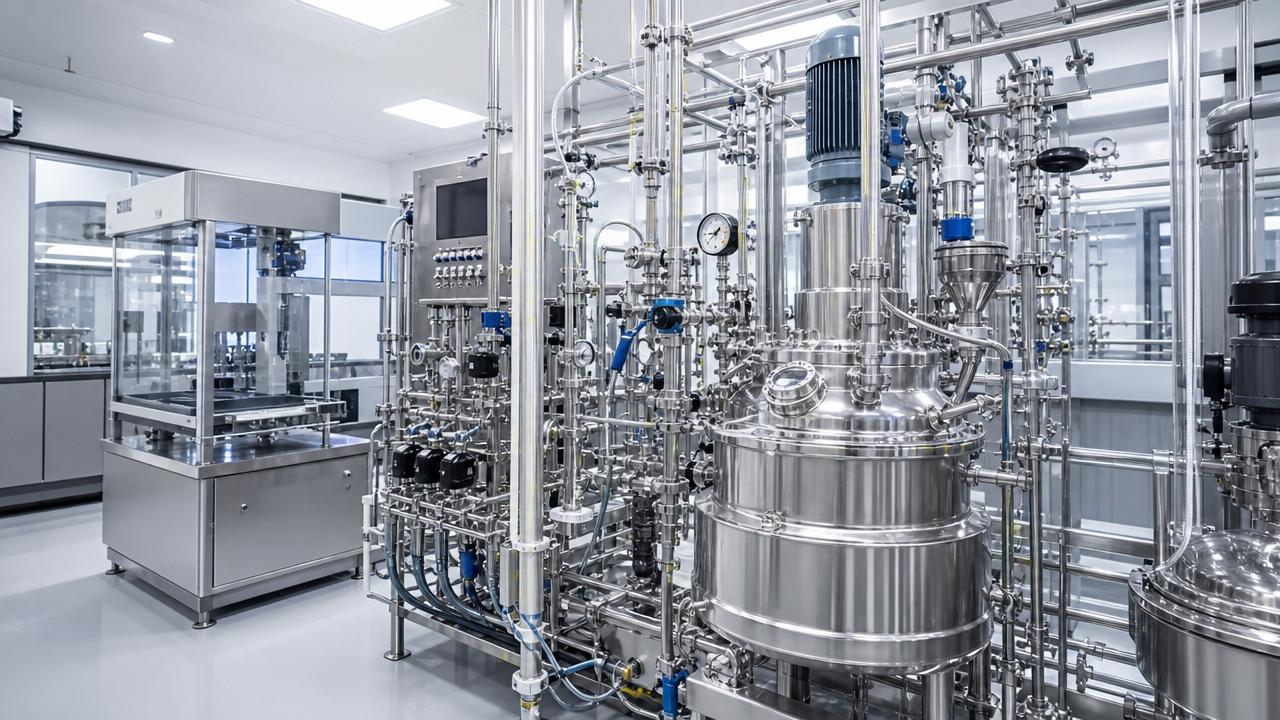
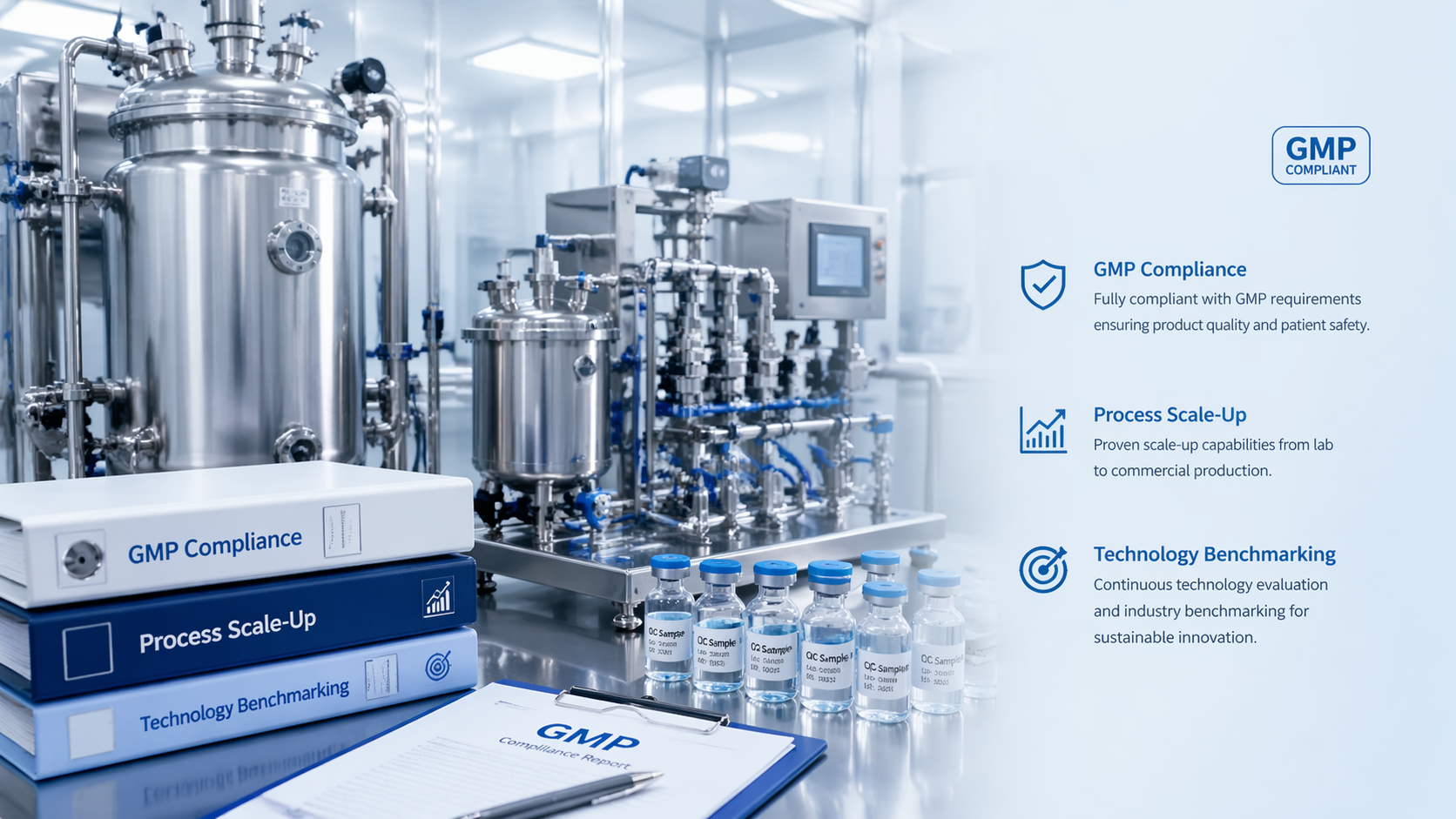
For quality and safety leaders navigating complex pharmaceutical and chemical operations, GMP Compliance Solutions are essential to reducing audit risk before issues escalate. From lab-scale validation to production-ready fluidic systems, early alignment with GMP, ISO, and USP standards strengthens traceability, process consistency, and regulatory confidence—helping teams prevent costly findings while accelerating safer, more reliable scale-up decisions.
Understanding GMP Compliance Solutions in regulated operations
GMP Compliance Solutions are structured methods, tools, records, and controls that support compliant production and laboratory activities.
They connect equipment qualification, documentation discipline, calibration, cleaning, validation, training, and change control into one practical framework.
In pharmaceutical, biotech, specialty chemical, and advanced laboratory settings, compliance cannot start at final inspection.
It must begin early, especially when processes move from benchtop experiments toward pilot and production environments.
That is why GMP Compliance Solutions increasingly focus on early risk detection, data integrity, and hardware consistency.
At G-LSP, this early phase matters because fluidic precision often determines whether process outputs remain reproducible across scale.
A reactor, bioreactor, centrifuge, microfluidic platform, or liquid handling system may perform well technically.
However, without compliant design review and qualification logic, the same system can create avoidable audit exposure later.
Core elements usually included
- User requirement definition and design traceability
- IQ, OQ, and PQ planning for critical systems
- SOP control, deviation handling, and CAPA alignment
- Electronic records, audit trails, and data integrity review
- Supplier qualification and component material assessment
- Cleaning validation and contamination control strategy
Why early audit risk reduction has become a priority
Audit findings increasingly arise from systemic weaknesses, not only from isolated procedural mistakes.
Inspectors examine whether organizations built compliance into process architecture from the beginning.
This shift affects integrated operations across R&D, pilot manufacturing, quality systems, engineering, and analytical support.
The pressure is stronger where batch-to-continuous transitions, personalized therapeutics, and sensitive material flows increase complexity.
Common industry signals driving attention
These conditions explain why GMP Compliance Solutions now reach deeper into engineering choices and laboratory infrastructure.
Business value of GMP Compliance Solutions across complex workflows
Well-designed GMP Compliance Solutions do more than satisfy inspectors.
They improve process understanding, reduce batch variability, and support more credible technical transfer decisions.
Early compliance alignment also protects investment in specialized equipment by clarifying qualification expectations before deployment.
In fluidic-sensitive environments, this matters because small dosing, mixing, separation, or transfer deviations can become major quality concerns.
Practical advantages seen in operations
- Earlier visibility into critical control points
- Cleaner validation packages for new systems
- Reduced rework during commissioning and transfer
- Faster root-cause analysis when deviations occur
- More defensible responses during customer or regulatory audits
For organizations benchmarking equipment through G-LSP, technical performance and compliance readiness should be evaluated together.
A highly precise system delivers stronger value when it supports traceable maintenance, material compatibility review, and repeatable operating limits.
Representative application areas for GMP Compliance Solutions
GMP Compliance Solutions apply across many regulated and semi-regulated environments where quality evidence must remain consistent over time.
This broad relevance makes GMP Compliance Solutions a cross-functional requirement rather than a narrow quality task.
Implementation priorities that strengthen audit readiness
Early risk reduction depends on disciplined implementation, not only policy language.
The most effective GMP Compliance Solutions usually begin with system criticality and evidence mapping.
Recommended priorities
- Define critical quality attributes and critical process parameters early.
- Link equipment selection to GMP, ISO, and USP expectations before purchase.
- Standardize qualification protocols across similar platforms where possible.
- Verify software access control, audit trails, and record retention logic.
- Create change control triggers for consumables, firmware, and process settings.
- Maintain calibration and preventive maintenance evidence in review-ready form.
- Use deviation trends to update SOPs and validation assumptions.
These steps help transform GMP Compliance Solutions from static documents into active operational controls.
Frequent gaps to avoid
- Treating pilot equipment as exempt from formal compliance structure
- Separating engineering records from quality records
- Using supplier claims without internal performance verification
- Overlooking cleaning challenges in small-bore fluid paths
- Delaying data integrity review until after implementation
A practical next step for compliance-centered scale-up
Organizations planning equipment upgrades, process transfer, or scale-up should assess compliance readiness before operational pressure increases.
A useful starting point is a structured review of system criticality, record architecture, and qualification evidence for each platform.
For teams evaluating reactors, microfluidic devices, bioreactors, centrifuges, or liquid handling systems, benchmark both precision and compliance compatibility.
That approach makes GMP Compliance Solutions more actionable and reduces the chance of hidden audit exposure during transition.
Within G-LSP’s technical benchmarking model, the strongest decisions come from combining fluidic performance data with clear GMP compliance evidence.
When audit risk is addressed early, scale-up becomes more reliable, validation becomes cleaner, and quality confidence becomes easier to defend.
Expert Insights

Chief Security Architect
Dr. Thorne specializes in the intersection of structural engineering and digital resilience. He has advised three G7 governments on industrial infrastructure security.
Related Analysis
Core Sector // 01
Security & Safety
- Regulatory Compliance gaps that delay pharma launchesAuthor :Dr. Elena Carbon

- Lab-to-Pilot Reactor Scale-Up: Managing Mixing and Heat TransferAuthor :Dr. Elena Carbon

- Biomanufacturing Equipment in Southeast Asia: Evaluating Suppliers and Local SupportAuthor :Dr. Elena Carbon

- Choosing Microplate Washers for Assay Labs: Residual Volume and Plate CompatibilityAuthor :Dr. Elena Carbon

- Automated Buffer Preparation: Troubleshooting pH and Conductivity DriftAuthor :Dr. Elena Carbon

- How to Select an Overhead Crane Pendant Control for Safe, Reliable OperationAuthor :Dr. Elena Carbon

- What Drives Ingredient Processing Equipment Prices Beyond Initial Purchase Cost?Author :Dr. Elena Carbon

- Selecting Modular Chemical Synthesis Equipment for Scalable Process DevelopmentAuthor :Dr. Elena Carbon