Lab Automation Investment Insights Beyond Labor Savings
Author
Date Published
Reading Time

For finance approvers evaluating modernization budgets, lab automation investment insights go far beyond headcount reduction. In high-stakes pharmaceutical and chemical environments, the real return comes from tighter fluidic precision, lower batch variability, stronger compliance readiness, and faster scale-up from lab to production. This article examines how to assess automation investments through total value, risk control, and long-term operational resilience.
Why a checklist-based approach works better for finance approval
For financial decision-makers, the biggest risk in automation spending is approving equipment based on a narrow labor-reduction narrative. In advanced laboratories, staffing is only one cost layer. The larger value often appears in reduced batch deviation, fewer failed runs, faster method transfer, lower contamination exposure, better data traceability, and stronger readiness for GMP, ISO, or internal quality audits. That is why practical lab automation investment insights should be organized as a decision checklist rather than a technology overview.
A checklist allows finance teams to compare competing proposals using repeatable standards. It also helps separate attractive demonstrations from measurable business impact. In pharmaceutical, chemical, and multidisciplinary lab settings, automation affects not only throughput but also validation timelines, procurement risk, maintenance burden, and the probability of costly operational interruption. A structured review prevents underestimating these downstream effects.
First-screen checklist: what to confirm before discussing ROI numbers
Before reviewing payback models, finance approvers should ask whether the proposal addresses a real operational constraint. Strong lab automation investment insights begin with problem definition, not vendor claims.
- Is the current bottleneck caused by manual liquid handling, sample inconsistency, documentation gaps, or scale-up instability?
- Does the target workflow involve high-value materials, regulated records, sterile handling, or precision dosing where human variation is expensive?
- Is the automation expected to support R&D only, or also pilot production, QC, process development, and transfer to larger-scale manufacturing?
- Are there measurable baseline metrics such as error rate, run failure frequency, sample turnaround time, reagent loss, or deviation investigation hours?
- Has the requesting team defined success using business metrics rather than technical enthusiasm alone?
If the answer to these questions is weak or vague, the investment case is likely premature. The best approvals happen when the operational pain point is already quantified and linked to enterprise risk.
Core evaluation checklist for total-value lab automation investment insights
1. Precision and reproducibility
For many labs, precision is the true source of financial return. When fluidic handling, dispensing, mixing, reaction control, or separation become more consistent, the organization gains lower waste and more dependable decision-making. Finance teams should ask for documented repeatability across relevant sample types, viscosity ranges, and throughput levels. A system that performs well in ideal demo conditions but poorly with real-world fluids may create hidden cost rather than savings.
2. Impact on batch variability and failed runs
One failed development batch, contaminated cell culture sequence, or off-spec synthesis run can outweigh months of labor savings. Among the most important lab automation investment insights is whether the proposed platform reduces variability at the points where value is most exposed. This includes pipetting precision, reactor feeding stability, centrifugation repeatability, and consistent process timing across shifts.
3. Compliance and data integrity readiness
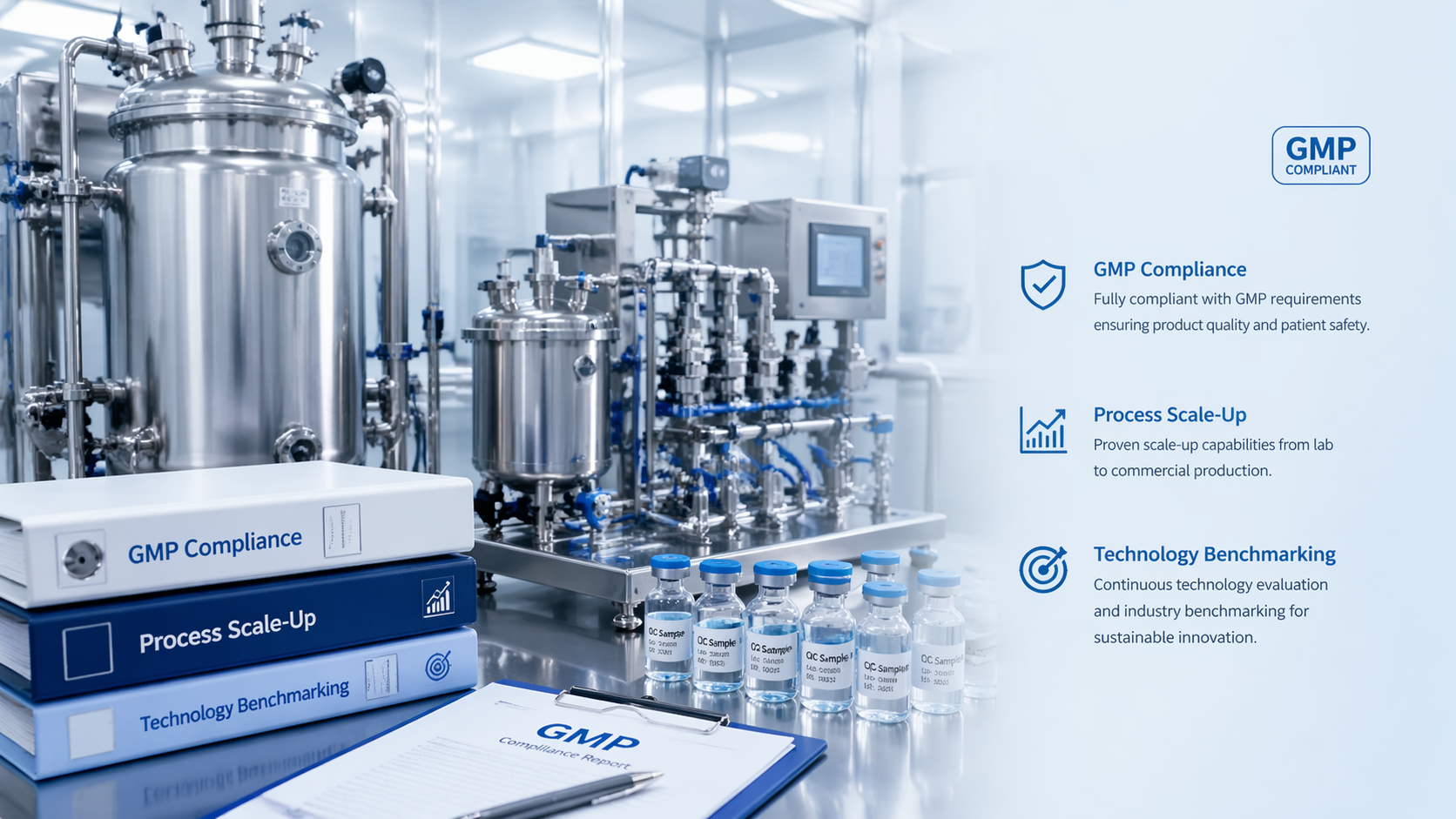
Automation may strengthen compliance, but only if software, audit trails, user permissions, calibration control, and documentation standards are robust. Finance approvers should request clarity on validation support, electronic record compatibility, instrument qualification requirements, and deviation logging. In regulated environments, poor documentation architecture can turn a capital asset into a long validation burden.
4. Scale-up relevance
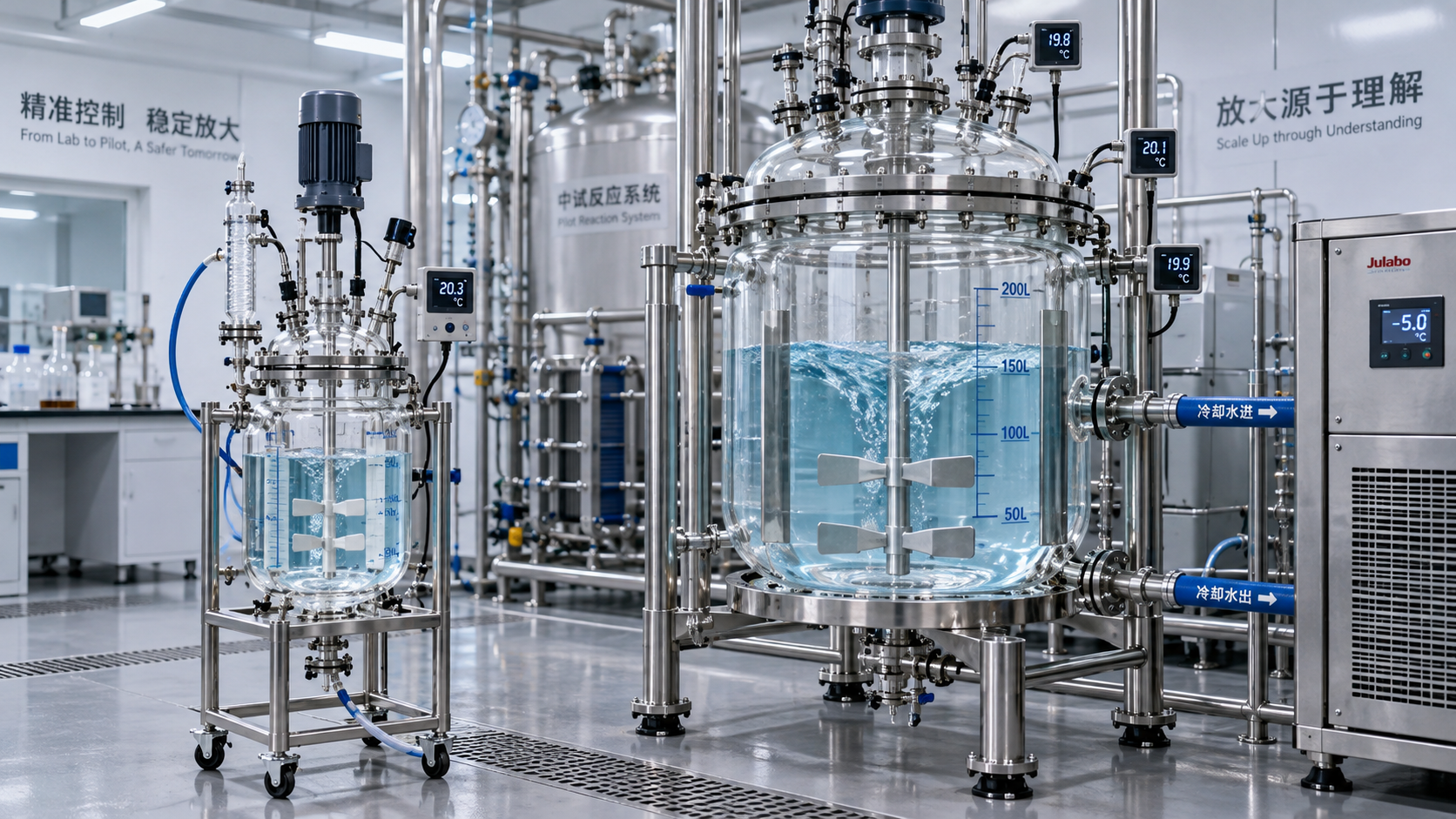
A common mistake is funding automation that improves one benchtop task but does not support technology transfer. In contrast, high-value systems help bridge research, pilot-scale work, and pre-production execution. Decision-makers should ask whether the platform’s fluidic precision, process control logic, and data outputs are useful in larger manufacturing contexts. This is especially relevant for batch-to-continuous transitions and personalized therapeutics workflows.
5. Integration with existing lab infrastructure
Even strong instruments can underperform if they do not connect with current reactors, bioreactors, centrifuges, LIMS, MES, or quality systems. Finance teams should verify integration costs early. Necessary interfaces, consumable dependencies, validation services, and operator retraining can materially change the real project budget.
6. Serviceability and uptime risk
Reliable uptime matters more than peak specification. Ask about spare part lead times, local service coverage, remote diagnostics, preventive maintenance intervals, calibration support, and software update policies. One of the most practical lab automation investment insights is that service fragility can quietly destroy projected ROI.
Decision table: which value drivers deserve the most weight
The table below helps finance approvers assign weight based on business relevance instead of using generic capital scoring.
Scenario-specific checks for different lab environments
Not every automation case should be judged with the same lens. Useful lab automation investment insights change by workflow, risk profile, and material value.
For pharmaceutical development labs
- Prioritize contamination control, traceable records, and reproducible fluid handling for regulated studies.
- Check whether automation supports cell culture consistency, single-use workflows, or validated sample preparation.
- Assess how the system improves comparability between development batches and pilot-scale conditions.
For chemical process and synthesis labs
- Focus on feed-rate control, reaction reproducibility, solvent compatibility, and safe handling of sensitive materials.
- Determine whether the platform helps standardize reaction screening and accelerates transfer to pilot-scale reactors.
- Review how automated dosing and sampling reduce off-spec events and manual intervention risk.
For multidisciplinary innovation centers
- Look for modularity across microfluidics, bioprocess, separation, and liquid handling tasks.
- Favor systems that support benchmarking across multiple application groups instead of serving only one narrow protocol.
- Verify that utilization will be high enough across departments to justify shared capital deployment.
Common blind spots that weaken automation business cases
Many proposals look compelling on paper but fail because important cost and risk items are ignored. Finance approvers should challenge the following blind spots early.
- Assuming all labor time saved becomes real cash savings. In specialized labs, labor is often reallocated to higher-value analytical or development work rather than removed.
- Excluding validation, change control, software qualification, and SOP updates from the implementation budget.
- Ignoring consumable lock-in or proprietary component pricing over the asset life cycle.
- Underestimating operator adoption risk. If workflows are not intuitive, utilization stays low and benefits remain theoretical.
- Using generic ROI periods without accounting for avoided deviations, faster release decisions, or accelerated scale-up milestones.
Execution guide: how finance teams can pressure-test vendor proposals
The most effective lab automation investment insights come from disciplined proposal review. Finance approvers do not need to evaluate technical details alone, but they should require a clear evidence package.
- Request baseline and projected metrics side by side, including run success rate, cycle time, material loss, deviation frequency, and documentation effort.
- Ask for proof of performance using comparable sample types, process volumes, and regulatory conditions.
- Require a phased rollout plan with implementation owners, training milestones, and validation responsibilities.
- Model best-case, expected-case, and disruption-case ROI rather than a single optimistic scenario.
- Confirm whether the supplier can support future expansion into pilot-scale systems, precision microfluidics, bioreactors, centrifugation, or automated liquid handling ecosystems.
FAQ: practical questions behind lab automation investment insights
Should labor savings still be included in the model?
Yes, but they should not be the main driver unless staffing reduction is explicit and credible. In most advanced labs, the larger gains are in quality stability, speed, compliance readiness, and reduced rerun cost.
What is the best leading indicator of a strong investment case?
A quantified operational pain point linked to strategic outcomes. Examples include high-value sample loss, slow scale-up, recurring batch inconsistency, or audit exposure due to manual records.
How should finance compare two technically different systems?
Use a weighted model built around business consequences: precision, compliance support, integration difficulty, scalability, and uptime risk. This makes lab automation investment insights more useful than relying on purchase price alone.
Final action checklist before approval
Before signing off, finance approvers should confirm five things: the operational problem is measurable, the technology fits the workflow, compliance impact is favorable, integration costs are visible, and lifecycle support is credible. If any of those elements remain unclear, the proposal needs revision rather than fast approval.
For organizations evaluating modernization across reactors, microfluidic devices, bioreactors, centrifugation platforms, or automated pipetting systems, the next step should be a structured discussion around parameters, process fit, validation scope, service coverage, implementation timeline, and full-budget assumptions. That is where high-quality lab automation investment insights become an approval-ready decision framework instead of a generic innovation pitch.
Expert Insights

Chief Security Architect
Dr. Thorne specializes in the intersection of structural engineering and digital resilience. He has advised three G7 governments on industrial infrastructure security.
Related Analysis
Core Sector // 01
Security & Safety
- Regulatory Compliance gaps that delay pharma launchesAuthor :Dr. Elena Carbon

- Lab-to-Pilot Reactor Scale-Up: Managing Mixing and Heat TransferAuthor :Dr. Elena Carbon

- Biomanufacturing Equipment in Southeast Asia: Evaluating Suppliers and Local SupportAuthor :Dr. Elena Carbon

- Choosing Microplate Washers for Assay Labs: Residual Volume and Plate CompatibilityAuthor :Dr. Elena Carbon

- Automated Buffer Preparation: Troubleshooting pH and Conductivity DriftAuthor :Dr. Elena Carbon

- How to Select an Overhead Crane Pendant Control for Safe, Reliable OperationAuthor :Dr. Elena Carbon

- What Drives Ingredient Processing Equipment Prices Beyond Initial Purchase Cost?Author :Dr. Elena Carbon

- Selecting Modular Chemical Synthesis Equipment for Scalable Process DevelopmentAuthor :Dr. Elena Carbon