Decentralized Labs Are Changing Equipment Priorities
Author
Date Published
Reading Time
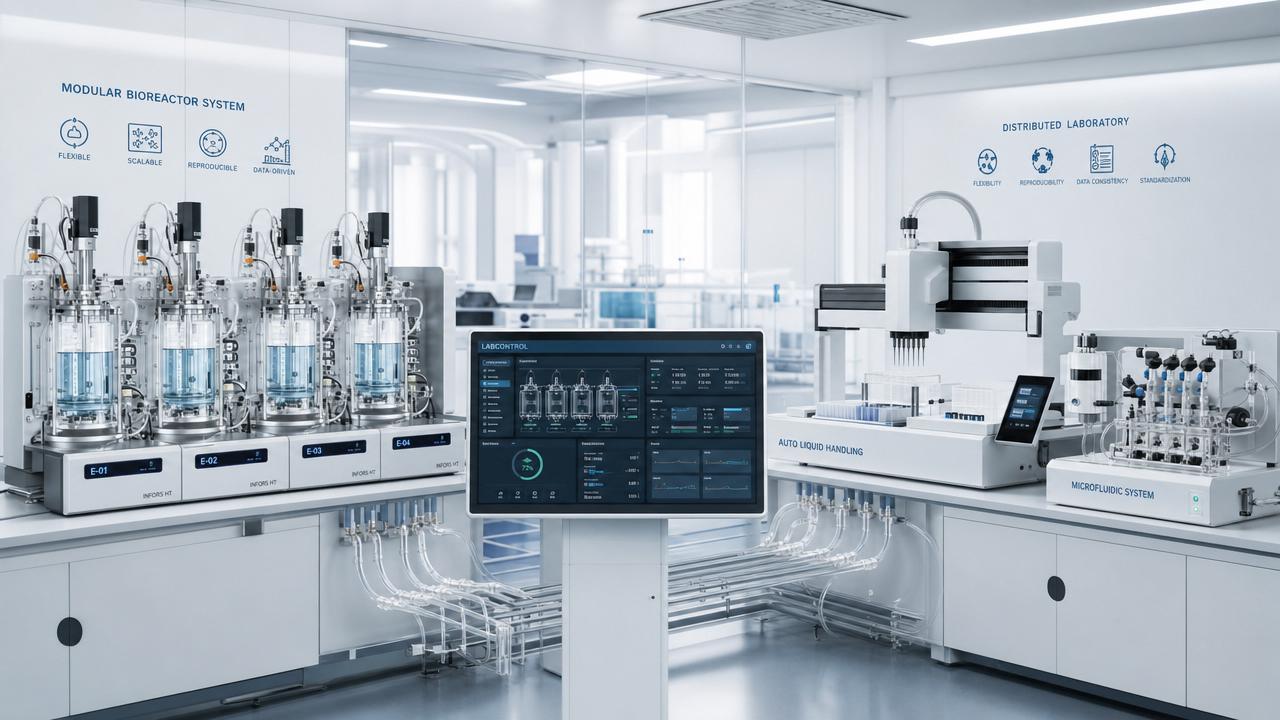
As R&D networks shift from centralized facilities to agile, distributed environments, the impact of decentralizing labs on equipment is becoming a strategic concern for enterprise leaders. From precision fluid handling to scalable bioprocess systems, equipment priorities now favor flexibility, compliance, and data consistency. For decision-makers, understanding this transition is essential to balancing innovation speed, operational control, and long-term capital efficiency.
Understanding What Decentralized Labs Mean for Equipment Strategy
Decentralized labs are not simply smaller versions of a central research site. They represent a structural shift in how enterprises organize experimentation, pilot production, quality checks, and process development across multiple geographies or business units. In pharmaceutical, chemical, and advanced manufacturing environments, this model may include satellite R&D hubs, regional application labs, digitally connected pilot suites, and production-adjacent testing facilities.
The impact of decentralizing labs on equipment is therefore broader than footprint reduction. It affects how organizations select instruments, define technical standards, validate workflows, and maintain reproducibility between sites. Equipment is no longer evaluated only on peak performance in one flagship facility. It must also support method transfer, operator consistency, regulatory alignment, remote diagnostics, and modular expansion.
For enterprise decision-makers, this changes the conversation from “What is the most powerful system?” to “What is the most scalable, interoperable, and controllable system across a distributed lab network?” That distinction is central to current capital planning.
Why the Industry Is Paying Attention Now
Several market forces are accelerating the move toward decentralized laboratory models. Personalized therapeutics require smaller, faster, and more adaptive development cycles. Batch-to-continuous manufacturing strategies depend on tight process understanding near the point of development and scale-up. Global supply chain uncertainty has also encouraged companies to reduce dependence on a single technical center by expanding regional capability.
At the same time, digital infrastructure has matured enough to support distributed experimentation. Cloud-connected analytics, instrument telemetry, electronic batch records, and standardized SOP platforms make it possible to coordinate specialized equipment across sites without losing visibility. This is especially relevant in environments where fluidic precision, contamination control, and bioprocess consistency directly affect product quality.
As a result, the impact of decentralizing labs on equipment is now linked to broader enterprise priorities: resilience, speed to insight, regional responsiveness, and quality-by-design execution.
How Equipment Priorities Are Changing
In centralized models, organizations often preferred large, highly specialized systems optimized for throughput and expert use. In distributed models, the preferred equipment profile shifts. Leaders increasingly value systems that are modular, intuitive, digitally traceable, and capable of generating comparable data across multiple operating contexts.
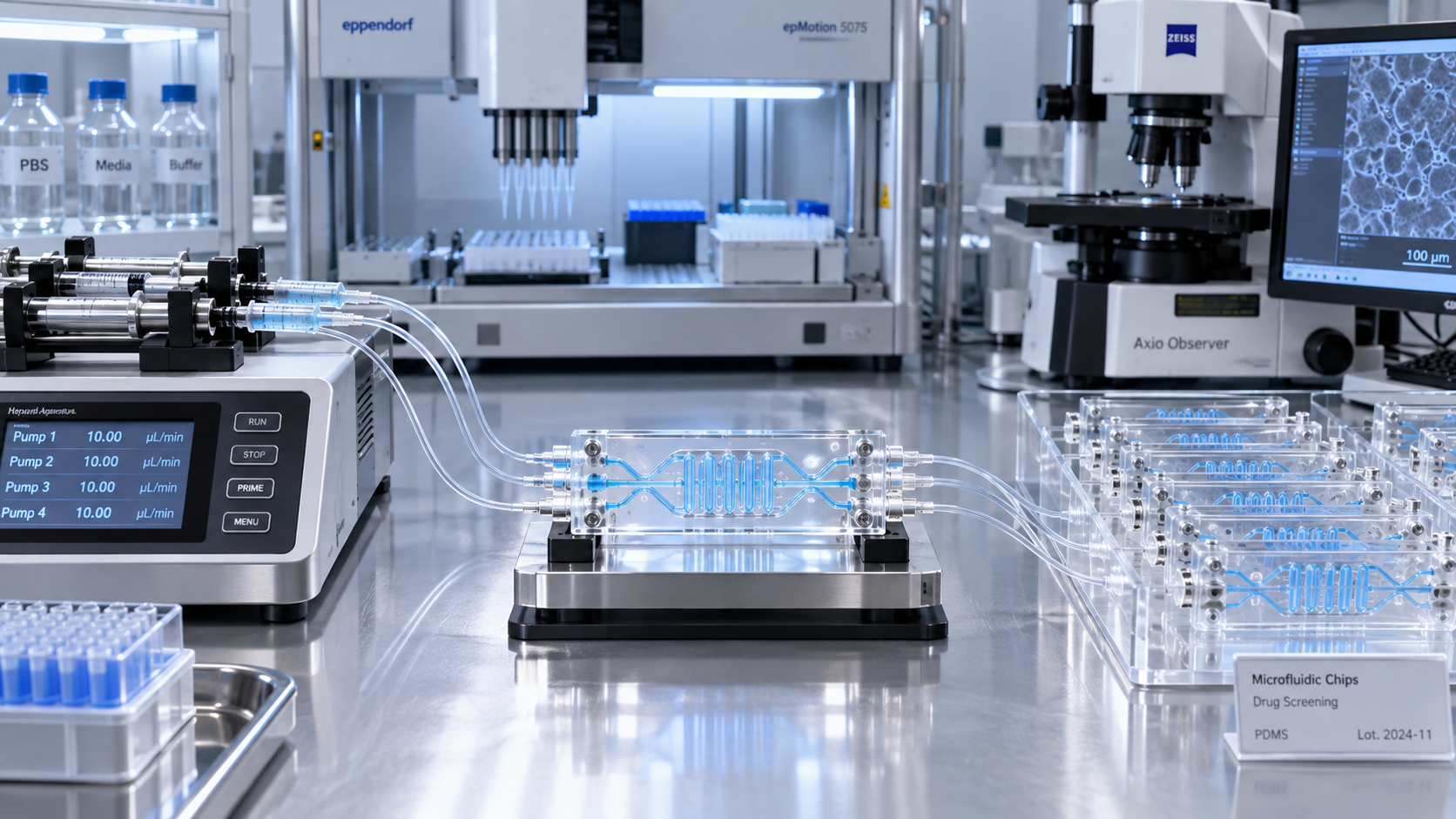
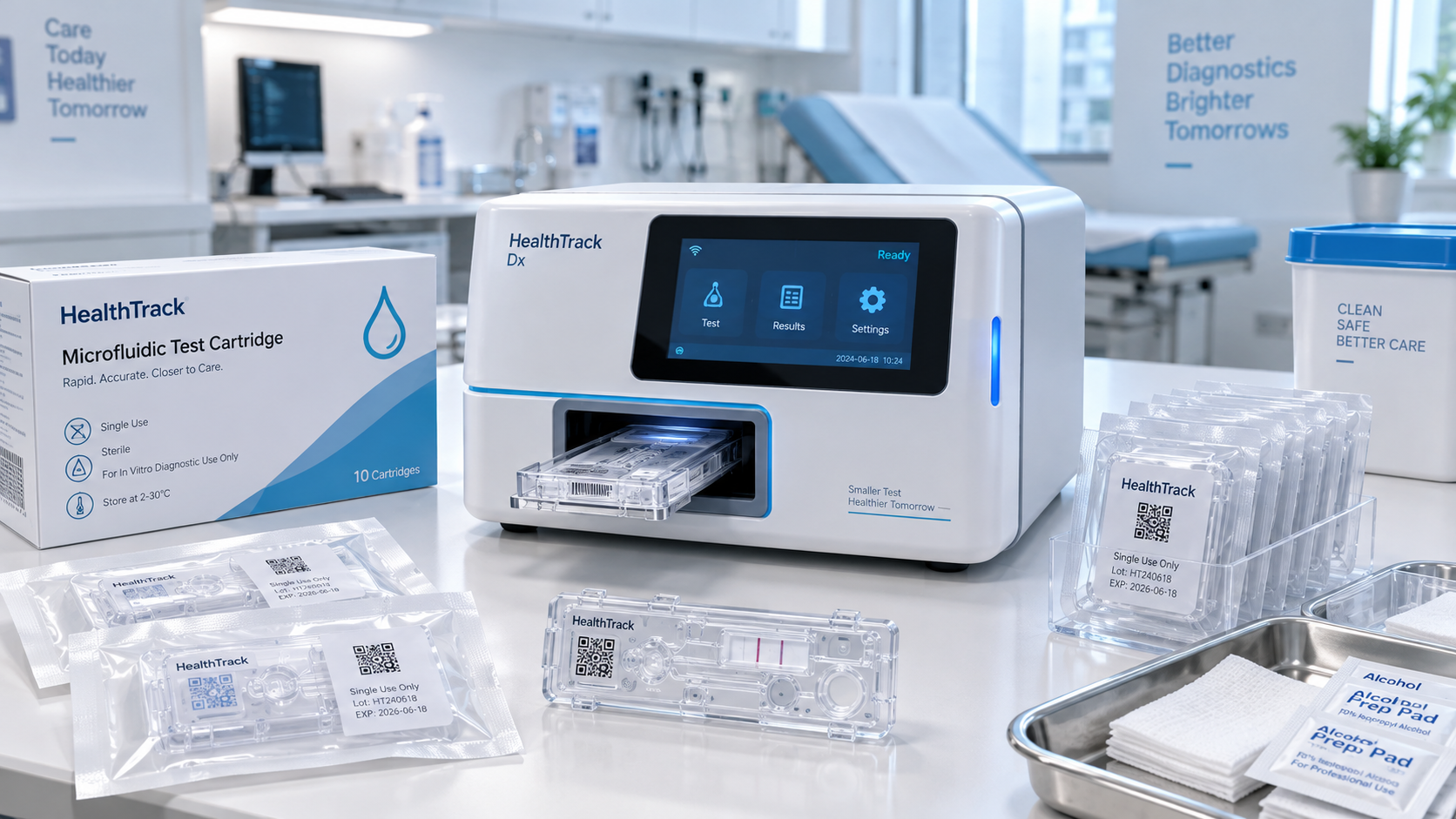
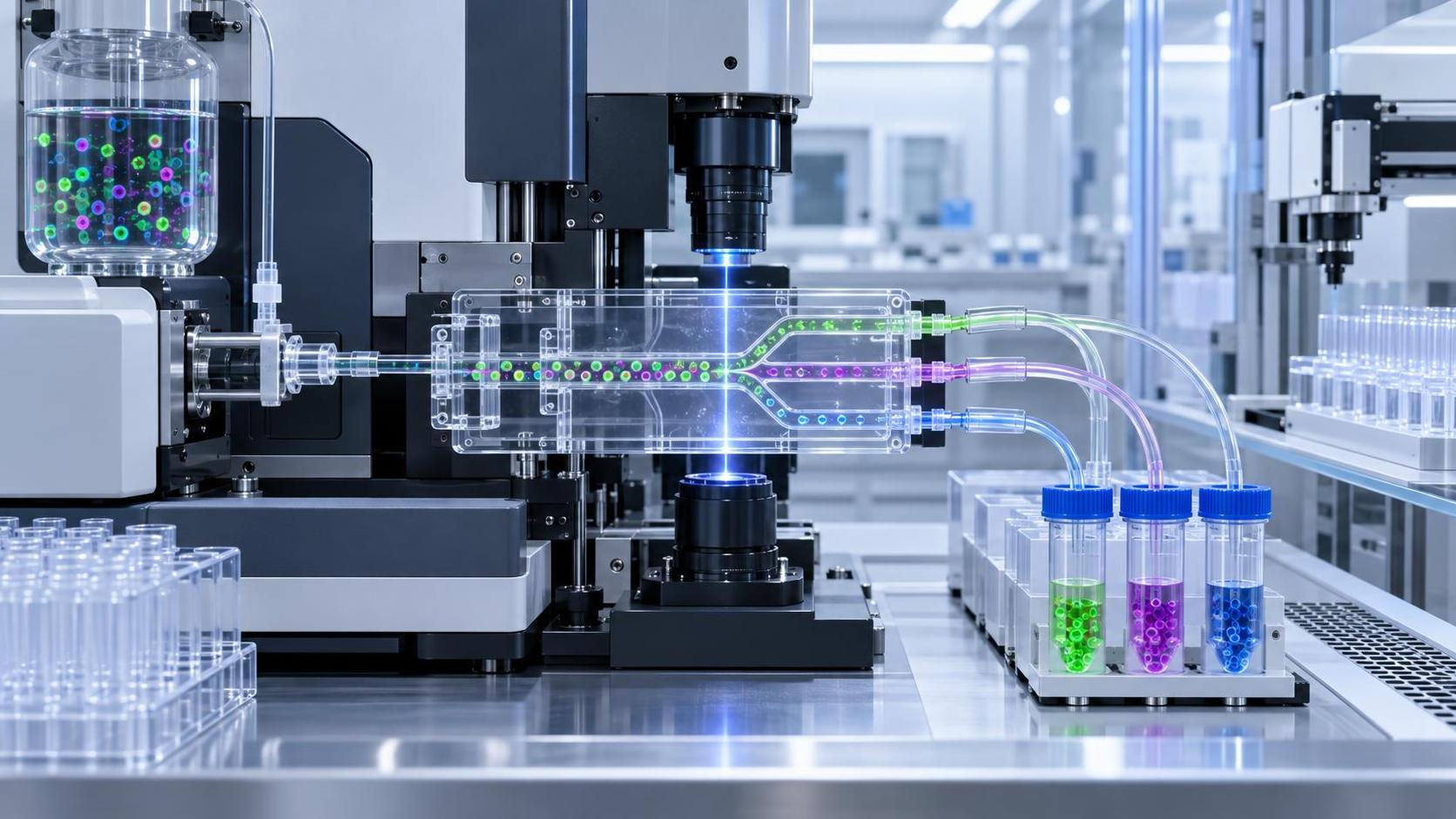
This affects five major equipment domains commonly associated with lab-scale production and fluidic precision. Pilot-scale reactors are expected to support faster recipe transfer and easier standardization between sites. Microfluidic devices must deliver repeatable performance with minimal setup variation. Bioreactors need scalable control architectures and robust single-use options. Centrifugation systems are being judged more heavily on sensor integration, method consistency, and safety monitoring. Automated pipetting and liquid handling systems must combine precision with workflow flexibility and digital record integrity.
The impact of decentralizing labs on equipment is therefore visible in selection criteria such as portability, serviceability, user training burden, remote support capability, software compatibility, and compliance readiness under ISO, USP, and GMP-oriented environments.
Industry Overview: Centralized Versus Distributed Equipment Priorities
The table below summarizes how equipment decision logic is evolving as organizations move from centralized laboratory infrastructure to distributed operating models.
Business Value for Enterprise Decision-Makers
For executives and procurement leaders, the impact of decentralizing labs on equipment should be viewed as a business performance issue, not only a technical trend. The right equipment architecture can shorten development loops by allowing regional teams to test, validate, and iterate without waiting for access to a central facility. It can also reduce failure risk during technology transfer because methods are developed on platforms designed for reproducibility across multiple locations.
Capital efficiency can improve as well, although only when standardization is deliberate. A distributed network supported by harmonized equipment families may lower retraining costs, simplify spare-parts planning, and reduce validation duplication. In contrast, decentralization without equipment governance often creates hidden cost inflation through inconsistent consumables, fragmented service contracts, and incompatible software environments.
There is also a strategic quality dimension. In regulated sectors, data inconsistency across labs can delay scale-up and complicate audits. Equipment that embeds calibration control, digital audit trails, recipe locking, and environmental monitoring gives leadership a stronger foundation for operational discipline.
Where the Impact Is Most Visible Across Equipment Categories
Not every instrument category is affected equally. The impact of decentralizing labs on equipment is strongest where process sensitivity, operator variability, and scale translation matter most. In G-LSP-aligned domains, several patterns stand out.
Common Operating Scenarios in Distributed Lab Networks
A practical way to understand the impact of decentralizing labs on equipment is to look at how distributed labs are actually used. In one common model, a central innovation hub develops methods while regional labs execute localized adaptation, stability work, or customer-specific testing. In another, pilot suites are placed closer to manufacturing sites so process engineers can reduce the gap between experimental insight and production implementation.
There is also a growing model in biologics and advanced therapeutics where smaller units perform fast feasibility studies using standardized bioreactors, fluidic devices, and liquid handling systems, while core analytical oversight remains centralized. In all of these cases, equipment must support a balance between local agility and enterprise-wide control.
This is why benchmark-driven selection matters. Systems that perform well under controlled demonstration conditions may still create operational friction if they require highly specialized setup, fragmented consumable sourcing, or difficult cross-site qualification.
What Leaders Should Evaluate Before Expanding a Decentralized Lab Model
Before investing further, decision-makers should assess equipment through a network lens. First, define which processes truly need distributed capability and which should remain centralized. Not all high-value workflows benefit from replication. High-risk or highly specialized tasks may still belong in a center of excellence.
Second, create a technical standardization framework. This should include acceptable instrument families, calibration intervals, software versions, data formatting rules, and validation templates. Without this discipline, the impact of decentralizing labs on equipment often becomes an increase in complexity rather than an improvement in responsiveness.
Third, evaluate support infrastructure as seriously as hardware specifications. Remote troubleshooting capability, training reproducibility, and spare-parts access are essential in distributed environments. A technically advanced system can become a liability if downtime cannot be resolved quickly outside the main facility.
Fourth, prioritize data continuity. Equipment should integrate with laboratory information systems, electronic documentation, and quality oversight workflows. In regulated settings, this is fundamental to maintaining trust in cross-site results.
Implementation Considerations for Sustainable Results
Successful decentralization is rarely achieved by buying more compact instruments alone. It requires coordinated design between operations, engineering, quality, procurement, and IT. Enterprises should start with a limited number of repeatable use cases, then scale only after demonstrating method consistency, operator reliability, and service resilience.
A phased approach is often best. Organizations may begin by standardizing automated pipetting, centrifugation protocols, or benchtop bioreactor platforms across two or three sites. Once data comparability is proven, more complex assets such as pilot-scale reactors or advanced microfluidic systems can be deployed more confidently. This reduces the risk of creating disconnected technical islands.
For companies operating under tight quality expectations, third-party benchmarking can add value by comparing equipment performance against recognized standards and practical deployment conditions. In domains where micro-efficiency, fluidic precision, and bioconsistent hardware define success, this kind of evidence is particularly useful.
A Practical Direction for the Next Investment Cycle
The impact of decentralizing labs on equipment is no longer a niche planning issue. It is becoming a core part of how global enterprises design resilient R&D and scale-up ecosystems. Equipment priorities are shifting toward modularity, reproducibility, compliance readiness, and digital visibility because these qualities support both innovation speed and operational control.
For business leaders, the key is not to decentralize everything, but to decentralize with intent. That means selecting equipment that can preserve precision across sites, support process transfer, and fit a larger architecture of standards. Organizations that take this disciplined approach are more likely to capture the benefits of distributed laboratories without sacrificing quality, efficiency, or governance.
If your enterprise is rethinking pilot-scale systems, microfluidic platforms, bioreactors, centrifugation assets, or automated liquid handling under a distributed model, now is the right time to review how equipment decisions align with long-term network strategy. In a market defined by faster iteration and tighter technical expectations, that alignment can become a significant competitive advantage.
Expert Insights

Chief Security Architect
Dr. Thorne specializes in the intersection of structural engineering and digital resilience. He has advised three G7 governments on industrial infrastructure security.
Related Analysis
Core Sector // 01
Security & Safety
- Can Lab-on-a-Chip Systems Replace Early-Stage Reactor Experiments?Author :Dr. Aris Nano

- What Are the Main Failure Modes of Lab-on-a-Chip Devices?Author :Dr. Aris Nano

- Microfluidic Design Basics: Channels, Flow Regimes, and Material ChoicesAuthor :Dr. Aris Nano

- Microfluidic Devices Market: How Cartridge Manufacturing Shapes CompetitionAuthor :Dr. Aris Nano

- Microfluidics Market Outlook: Adoption Barriers in Drug DiscoveryAuthor :Dr. Aris Nano

- Microfluidic Market Opportunities: Where Point-of-Care Testing Drives DemandAuthor :Dr. Aris Nano

- How to Select a Microfluidic Cell Sorter for Viability, Purity, and ThroughputAuthor :Dr. Aris Nano

- Polymer Selection for Precision Microfluidics: Key Performance CriteriaAuthor :Dr. Aris Nano