Why Personalized Medicine Needs Different Lab Gear Next
Author
Date Published
Reading Time
As personalized therapeutics move from niche innovation to industrial reality, the future of personalized medicine lab gear is becoming a strategic concern for enterprise decision-makers. From microfluidic precision to scalable bioprocess systems, next-generation laboratory equipment must support faster validation, tighter regulatory control, and seamless transition from lab-scale discovery to continuous production.
Why is the future of personalized medicine lab gear suddenly a board-level issue?
Personalized medicine used to be viewed as a specialist frontier limited to advanced oncology, rare disease programs, or premium cell and gene therapy pipelines. That assumption no longer holds. Today, enterprise leaders are seeing patient-specific therapeutics, adaptive biologics, precision diagnostics, and small-batch manufacturing models reshape how value is created across pharmaceutical, biotech, and adjacent chemical supply chains.
This shift changes what laboratories must do. Traditional lab infrastructure was optimized for repeatable, larger-batch workflows where time, variability, and fluid handling tolerances could be absorbed across broad production runs. In personalized medicine, those margins shrink dramatically. A single error in sub-microliter dispensing, contamination during cell expansion, or inconsistency in pilot-scale synthesis can disrupt both clinical timelines and regulatory confidence.
That is why the future of personalized medicine lab gear is not simply about buying newer instruments. It is about building an equipment architecture that links discovery, process development, quality control, and scale transition. For decision-makers, the question is less “What machine is trending?” and more “Which equipment ecosystem protects throughput, traceability, and compliance as therapies become individualized?”
What makes personalized medicine lab equipment different from conventional lab systems?
The difference starts with process logic. Conventional systems often prioritize bulk efficiency. Personalized medicine workflows prioritize precision under variability. Samples may be limited, biologically sensitive, patient-linked, and governed by tighter chain-of-identity requirements. That means equipment must perform reliably even when batch sizes are small, formulations differ, and decision cycles are compressed.
In practice, next-generation gear needs five capabilities. First, higher fluidic precision is essential, especially in microfluidics, reagent dispensing, and formulation control. Second, bioconsistency matters more than raw capacity; materials, surfaces, and flow dynamics must protect cells, biomolecules, and unstable compounds. Third, modular scalability is critical because enterprises need to move from benchtop proof to pilot execution without redesigning the entire process. Fourth, digital traceability must be built in, not added later. Fifth, systems must align with GMP, ISO, USP, and data integrity expectations from the beginning.
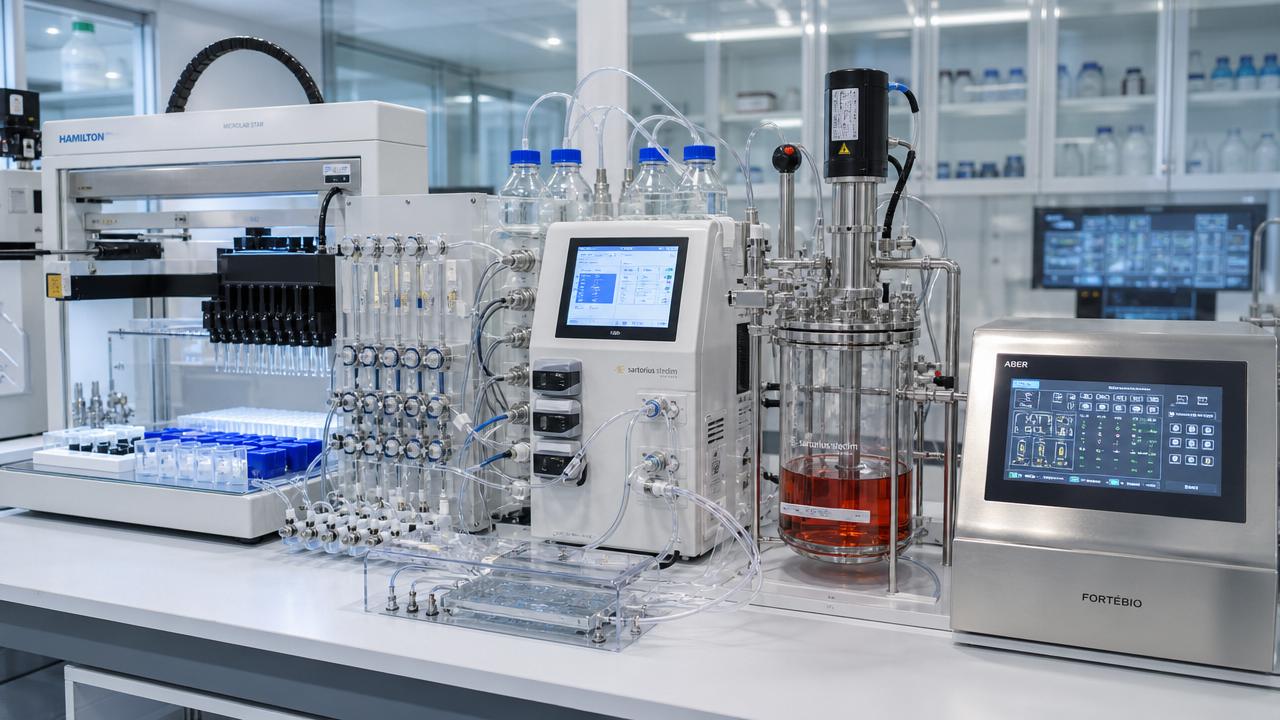
This is where organizations such as G-LSP create strategic value. By benchmarking pilot-scale reactors, precision microfluidic devices, bioreactors, centrifugation systems, and automated liquid handling platforms against technical and regulatory standards, decision-makers can compare not just specifications, but operational fitness for sensitive R&D-to-production transitions.
Which lab equipment categories will matter most in the future of personalized medicine lab gear?
Not every category will carry equal strategic weight. Enterprise buyers should focus on the equipment groups that directly affect reproducibility, turnaround speed, and transferability across scales.
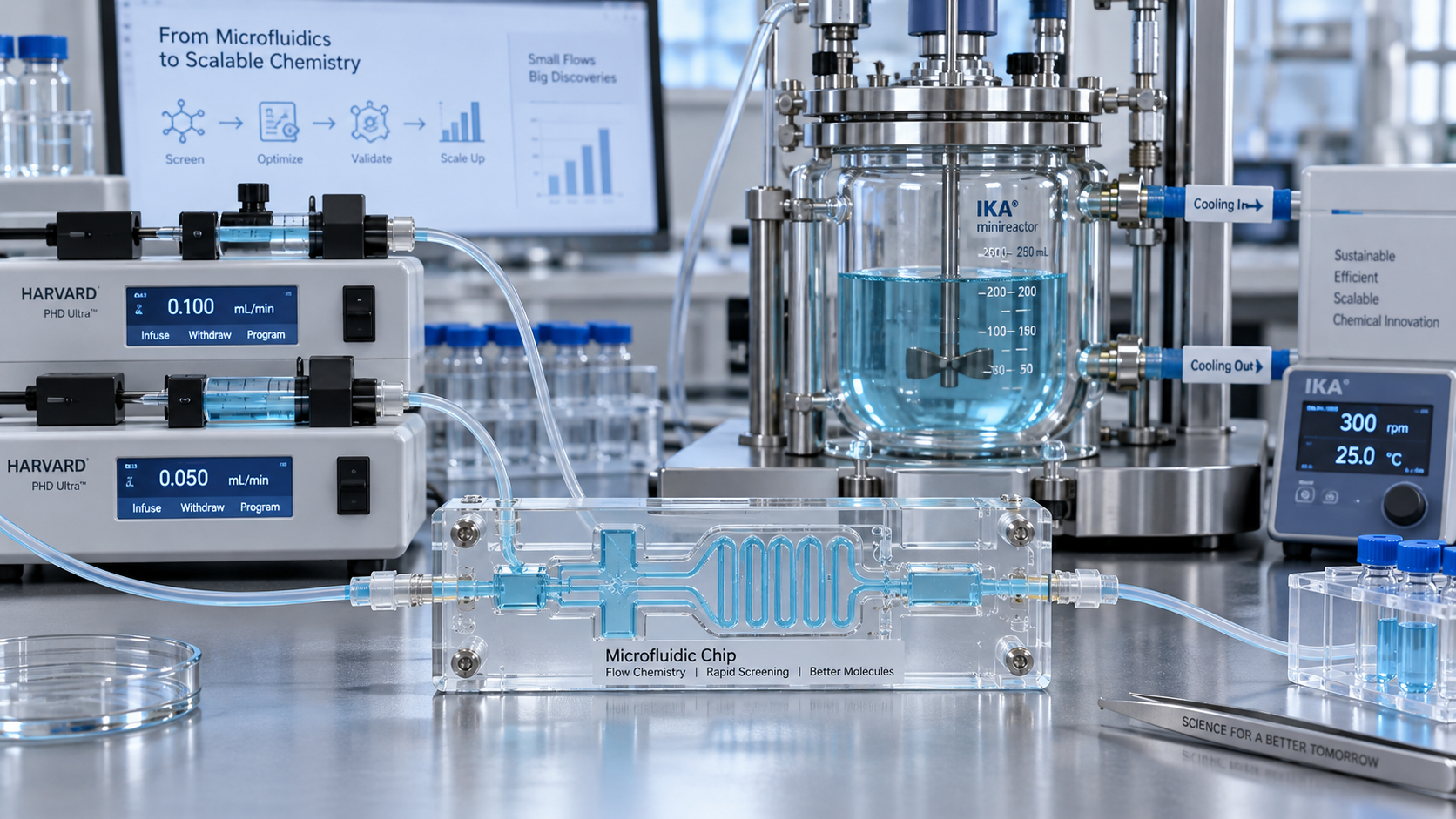
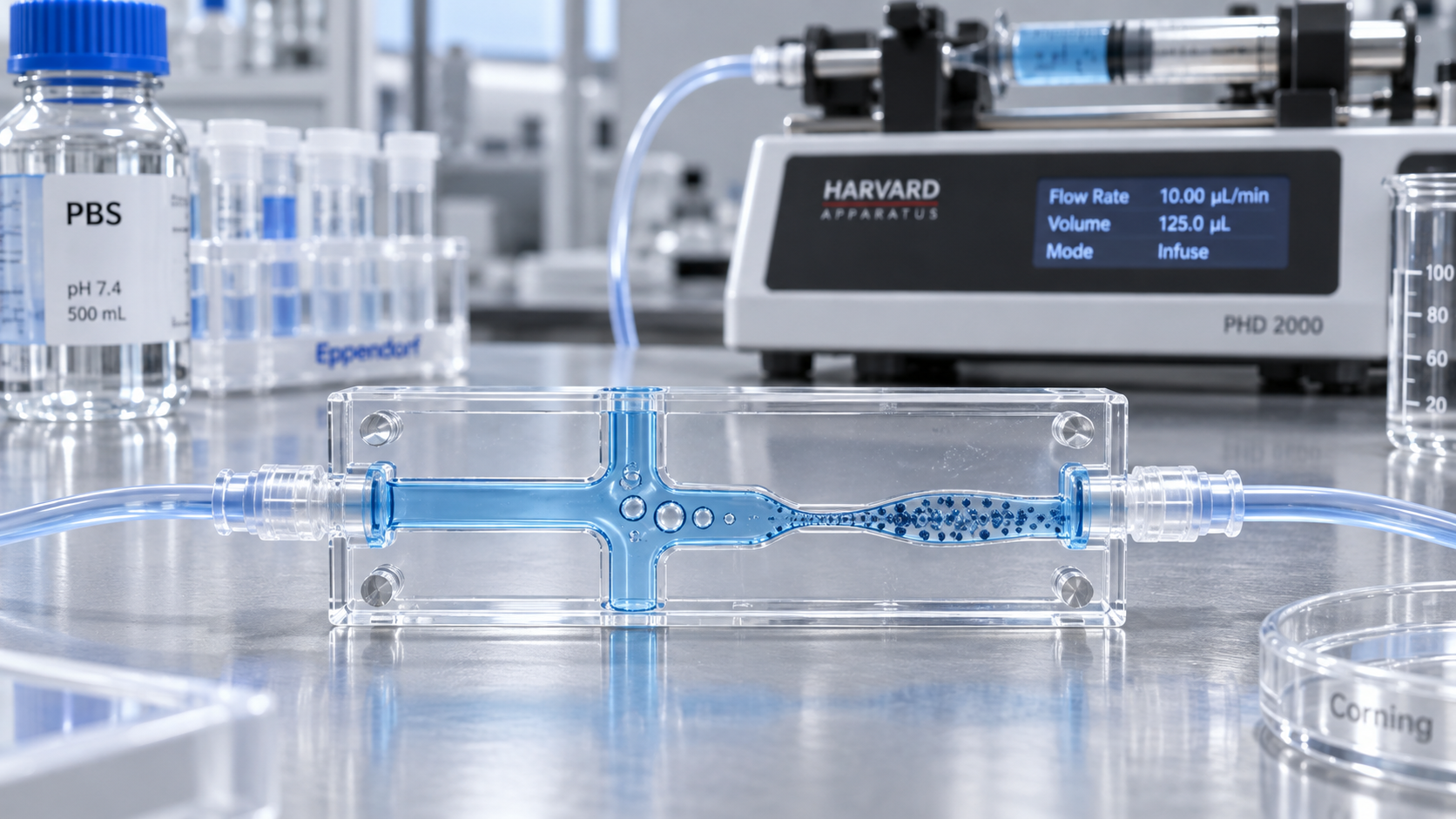
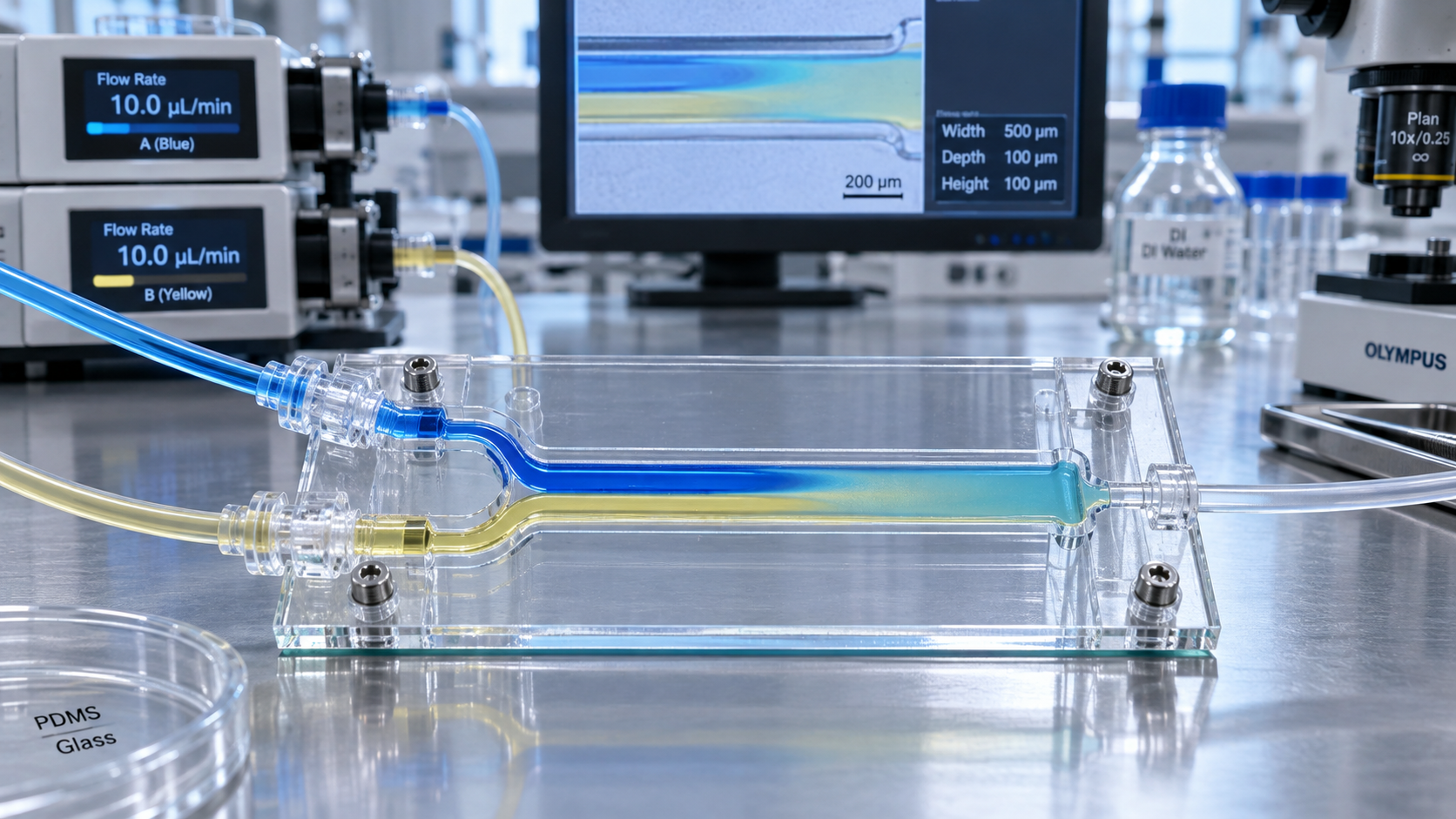
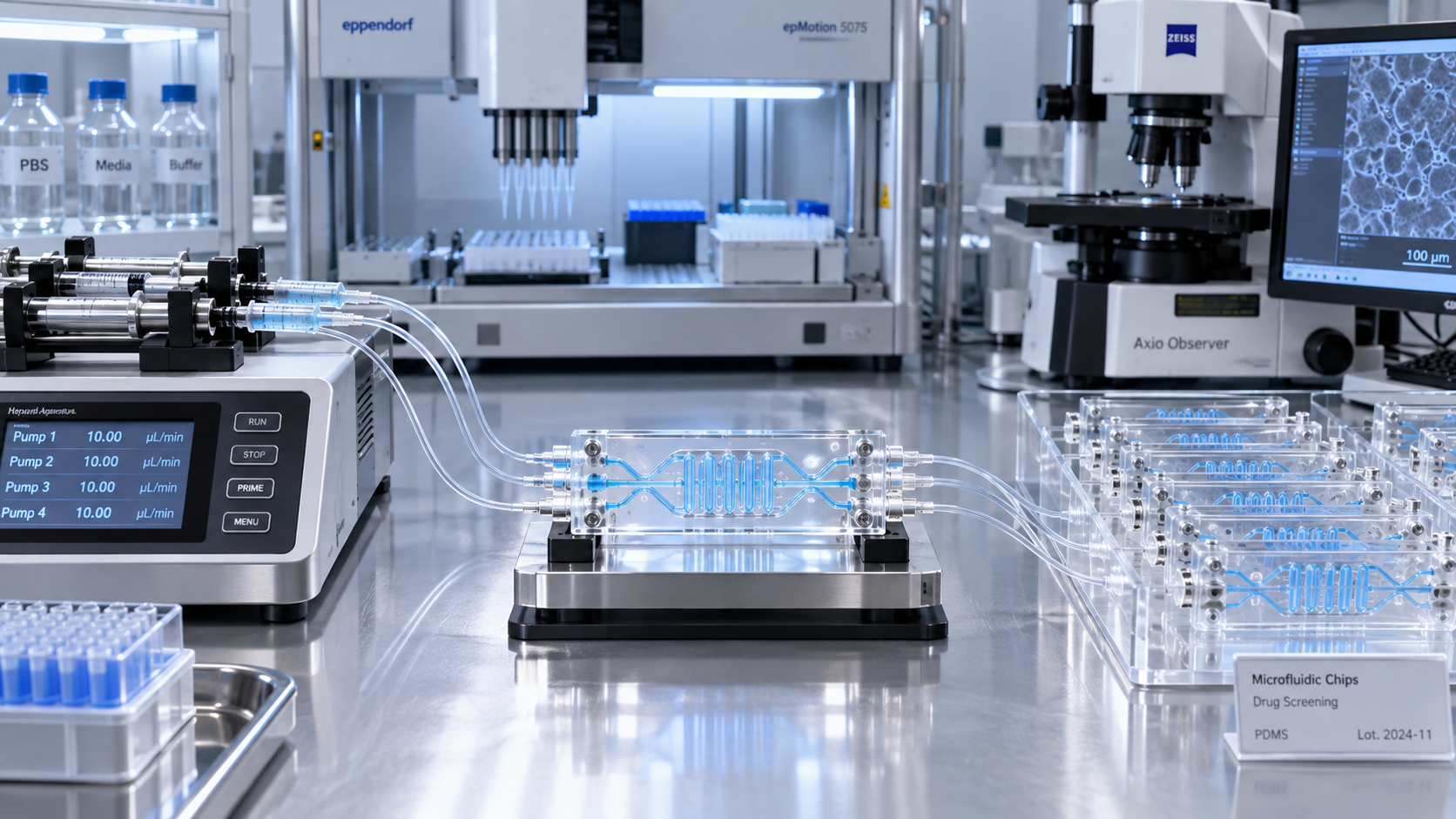
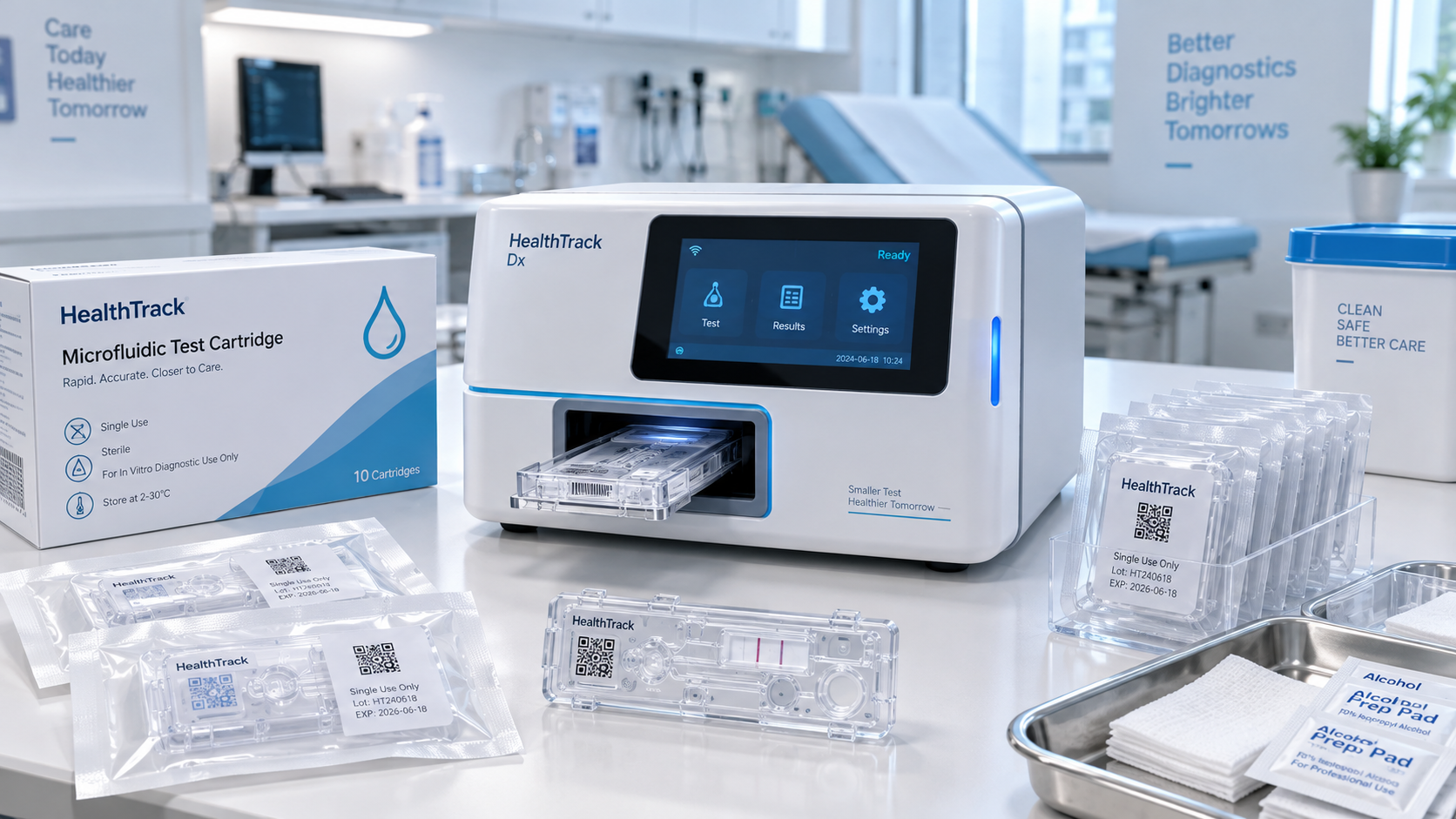
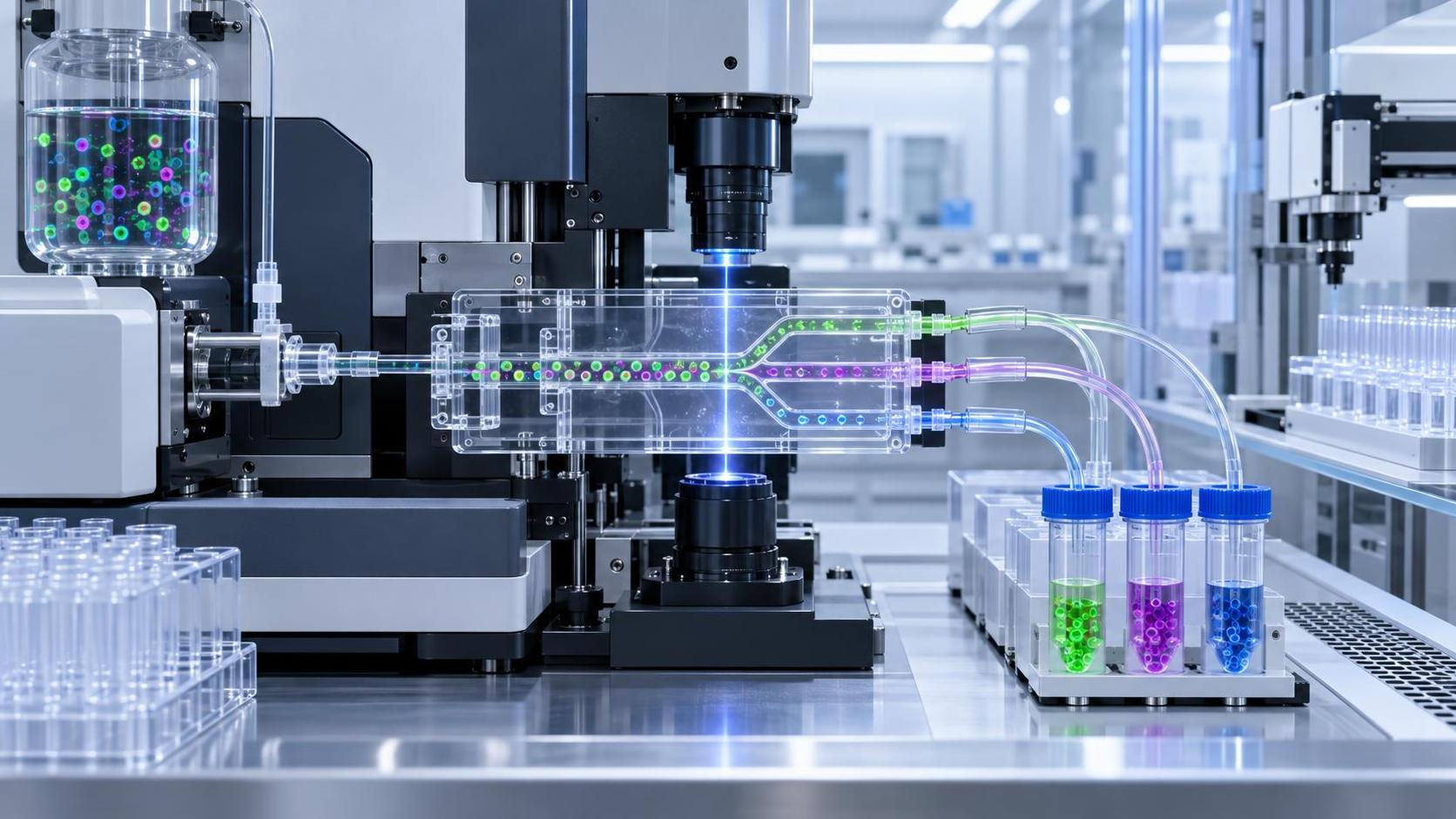
Microfluidic devices will become increasingly central because they enable highly controlled mixing, reaction timing, encapsulation, and assay miniaturization. For personalized therapeutics, these systems reduce reagent waste while improving consistency in low-volume workflows. Automated pipetting and liquid handling platforms are equally important, especially where multi-sample customization and contamination risk must be controlled simultaneously.
Bioreactors and cell culture infrastructure will remain foundational for autologous and allogeneic therapy development. However, future-ready systems must offer gentle mixing, closed processing options, real-time monitoring, and compatibility with variable cell growth profiles. Laboratory centrifugation and separation technology also become more important as product purity, cell viability, and biomarker isolation become critical release parameters rather than routine lab steps.
Pilot-scale reactors and synthesis systems deserve special attention because many organizations still underestimate the challenge of moving from discovery chemistry or formulation work into compliant, repeatable pre-production conditions. The future of personalized medicine lab gear depends on narrowing that gap. Equipment that supports batch-to-continuous adaptation, precise heat and mass transfer control, and robust cleaning or single-use strategies will be better positioned for long-term enterprise value.
How should enterprise buyers evaluate equipment without getting lost in technical claims?
A useful starting point is to separate marketing performance from operational relevance. A high-end instrument may offer impressive sensitivity or speed, but if it cannot integrate with your validation pathway, data systems, or production transfer model, it may create hidden cost instead of strategic advantage. Enterprise buyers should ask whether the equipment improves decision quality across the full workflow, not just one isolated step.
The table below summarizes practical evaluation criteria for the future of personalized medicine lab gear.
This framework helps procurement teams, lab directors, and engineering leaders compare options on business impact rather than brochure language. It also supports cross-functional alignment, which is often where capital equipment decisions succeed or fail.
What are the biggest mistakes companies make when preparing for next-generation personalized medicine workflows?
One common mistake is treating personalized medicine as a downstream commercial issue rather than an upstream infrastructure issue. Companies may invest in therapeutic platforms while keeping legacy lab gear that was never designed for low-volume precision, closed-loop handling, or fast validation turnover. The result is operational drag hidden inside promising science.
A second mistake is overfocusing on single instruments instead of process architecture. The future of personalized medicine lab gear depends on how systems work together: reactors feeding analytical workflows, liquid handlers supporting assay consistency, separation equipment preserving sample quality, and software maintaining traceability. Buying isolated “best-in-class” units without interoperability can increase complexity instead of reducing it.
A third error is underestimating regulatory and documentation burden. Personalized therapeutics often attract higher scrutiny because variability is intrinsic to the product and process. Equipment that lacks robust validation support, calibration discipline, or controlled digital records may appear affordable at purchase but expensive during qualification and audit preparation.
Finally, some organizations assume flexibility and standardization are opposites. In reality, the most effective lab strategies create standardized platforms that can handle variable inputs. That is precisely why benchmarked, bioconsistent, fluidic-precision hardware is becoming central to enterprise planning.
How do cost, ROI, and implementation timelines change for the future of personalized medicine lab gear?
The cost conversation is evolving. In conventional procurement, buyers often compare capital expenditure, maintenance, and throughput. In personalized medicine, ROI must also include failed batch avoidance, reduced material loss, faster process validation, improved regulatory readiness, and shorter scale-up cycles. These factors can outweigh headline purchase price.
Implementation timelines are also different. A highly advanced platform may take longer to qualify initially, yet save months during transfer to pilot production or during method standardization across sites. Conversely, low-cost equipment that lacks integration support may create recurring delays every time a protocol changes or a quality review occurs.
Decision-makers should therefore model value across three horizons. In the short term, ask whether the system solves current precision and workflow pain points. In the medium term, assess whether it supports modular expansion and increased automation. In the long term, determine whether it aligns with continuous manufacturing, adaptive production, and distributed therapeutic models. This is where the future of personalized medicine lab gear becomes a strategic investment thesis rather than a lab upgrade line item.
Which organizations are most affected by this shift, and what should they prioritize first?
The shift is most visible for pharmaceutical manufacturers, biotech developers, CDMOs, advanced therapy companies, translational research centers, and specialty chemical suppliers supporting therapeutic production. However, the implications extend beyond life sciences. Any enterprise operating at the intersection of precision formulation, regulated process control, and high-value small-batch output should be paying attention.
What should they prioritize first? Start with workflow mapping. Identify where fluidic precision, sample integrity, and process reproducibility create the highest risk. For some organizations, that may be micro-dispensing and assay automation. For others, it may be pilot-scale synthesis consistency, closed bioprocess handling, or contamination-sensitive separation steps. Once the highest-risk node is clear, equipment selection becomes far more disciplined.
The next priority is benchmarking. Independent technical comparison matters because vendor claims rarely reveal how systems behave under real transfer conditions. Data on repeatability, material compatibility, cleaning validation, sensor reliability, and standards alignment can prevent expensive mismatches between R&D ambition and operational reality.
What should enterprise leaders ask before purchasing or upgrading equipment?
Before committing budget, leaders should ask a focused set of questions that connect technical fit with business execution:
- Which personalized medicine workflows are expected to grow over the next 24 to 36 months?
- Where do current lab systems create the greatest variability, waste, or compliance burden?
- Can the proposed equipment support both present protocols and likely future process changes?
- What validation documents, audit support, and service capabilities are available?
- How well does the system integrate with automation, analytics, and digital traceability tools?
- Is there evidence that the platform performs consistently from benchtop through pilot or early production scale?
These questions help move the conversation from product comparison to capability design. That distinction is central to the future of personalized medicine lab gear, especially for enterprises balancing innovation speed with procurement discipline.
What is the practical takeaway for companies planning ahead?
The practical takeaway is simple: personalized medicine is changing lab equipment requirements faster than many procurement models are changing. Precision, scalability, compliance readiness, and workflow interoperability are no longer optional advantages. They are the operating conditions for competitive execution.
Organizations that invest early in benchmarked, fluidic-precision, bioconsistent systems will be better positioned to reduce transfer risk, improve data confidence, and accelerate movement from concept to controlled production. Those that delay may still innovate scientifically, but struggle operationally when therapies demand individualized manufacturing discipline.
If you need to further confirm a suitable direction, parameters, timeline, budget range, or cooperation model, it is best to first clarify the target workflow, required precision level, regulatory pathway, sample sensitivity, expected scale transition, and data integration needs. These are the questions that turn the future of personalized medicine lab gear from a broad trend into a clear purchasing and deployment strategy.
Expert Insights

Chief Security Architect
Dr. Thorne specializes in the intersection of structural engineering and digital resilience. He has advised three G7 governments on industrial infrastructure security.
Related Analysis
Core Sector // 01
Security & Safety
- Can Lab-on-a-Chip Systems Replace Early-Stage Reactor Experiments?Author :Dr. Aris Nano

- What Are the Main Failure Modes of Lab-on-a-Chip Devices?Author :Dr. Aris Nano

- Microfluidic Design Basics: Channels, Flow Regimes, and Material ChoicesAuthor :Dr. Aris Nano

- Microfluidic Devices Market: How Cartridge Manufacturing Shapes CompetitionAuthor :Dr. Aris Nano

- Microfluidics Market Outlook: Adoption Barriers in Drug DiscoveryAuthor :Dr. Aris Nano

- Microfluidic Market Opportunities: Where Point-of-Care Testing Drives DemandAuthor :Dr. Aris Nano

- How to Select a Microfluidic Cell Sorter for Viability, Purity, and ThroughputAuthor :Dr. Aris Nano

- Polymer Selection for Precision Microfluidics: Key Performance CriteriaAuthor :Dr. Aris Nano