CAICT Releases 2026 Syringe Pumps Export Compliance White Paper
Author
Date Published
Reading Time
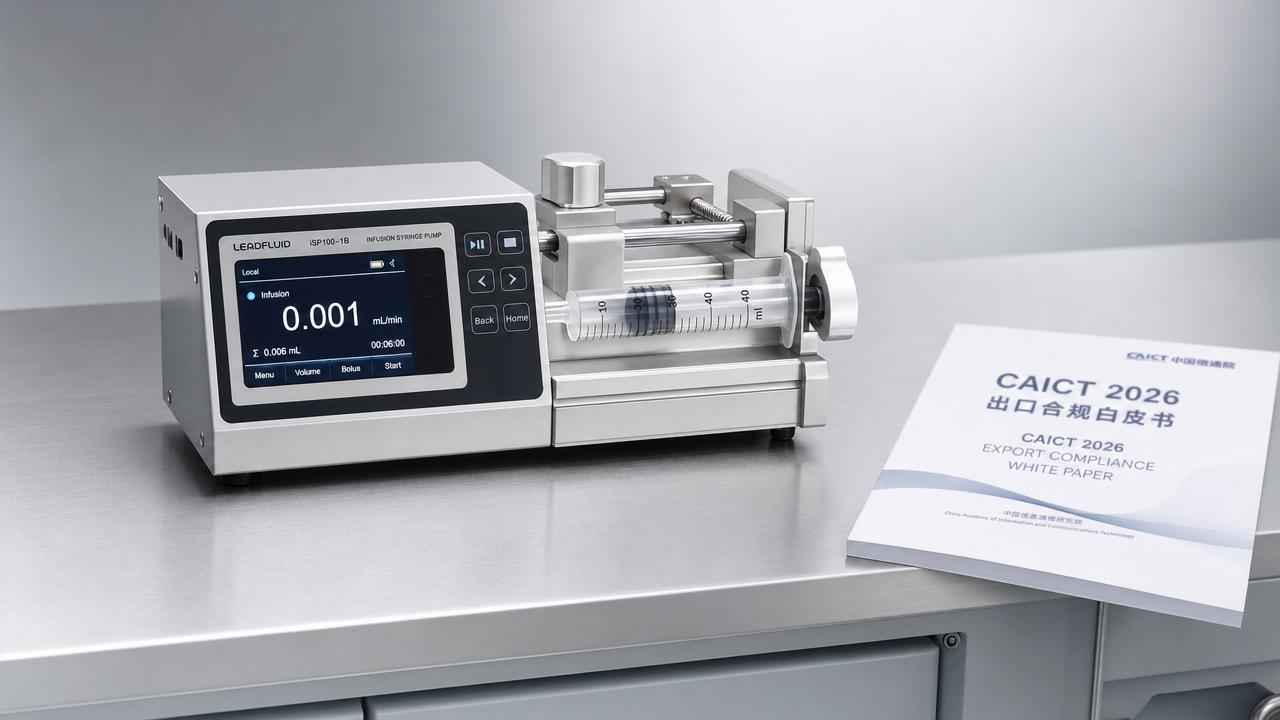
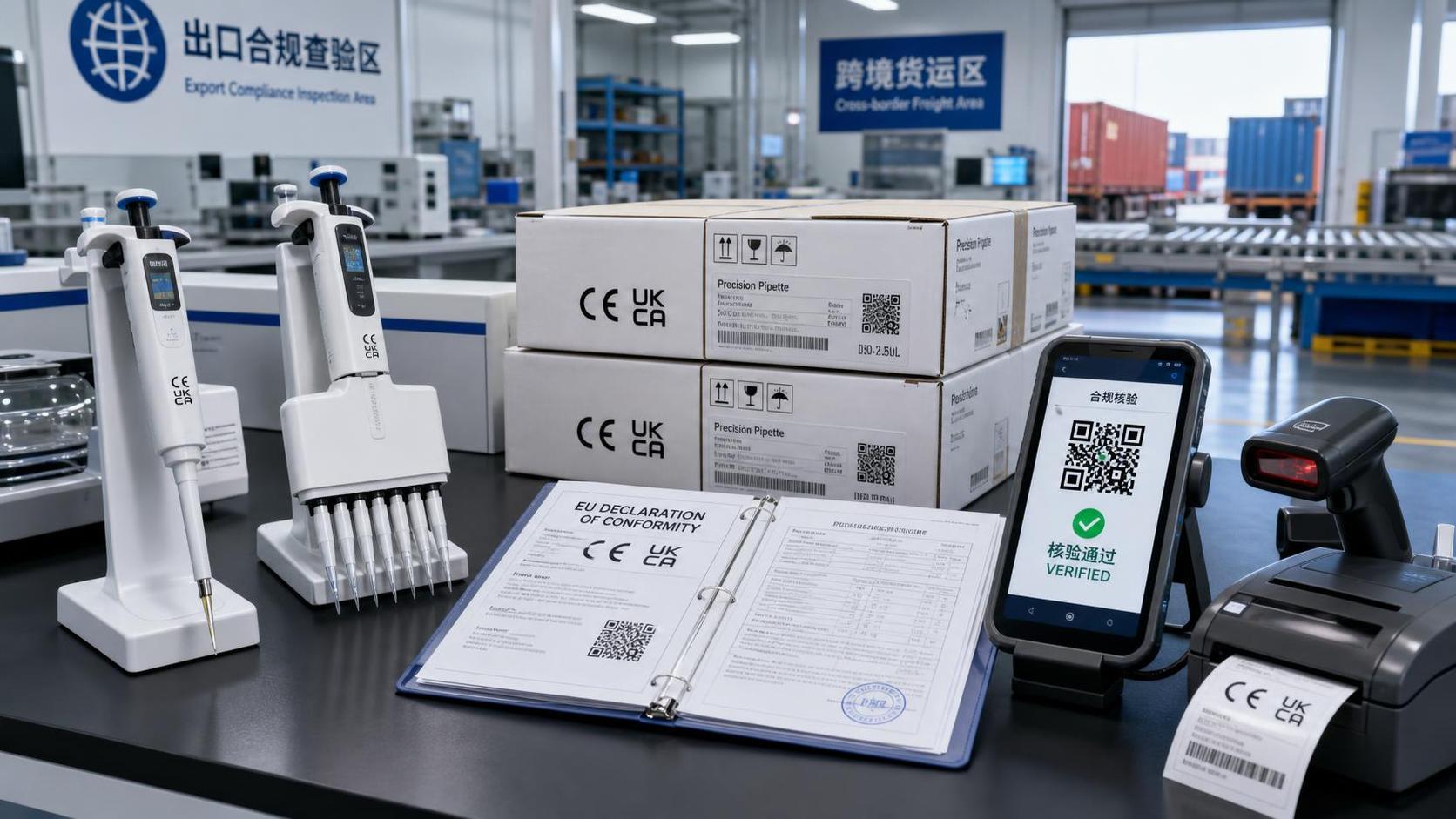
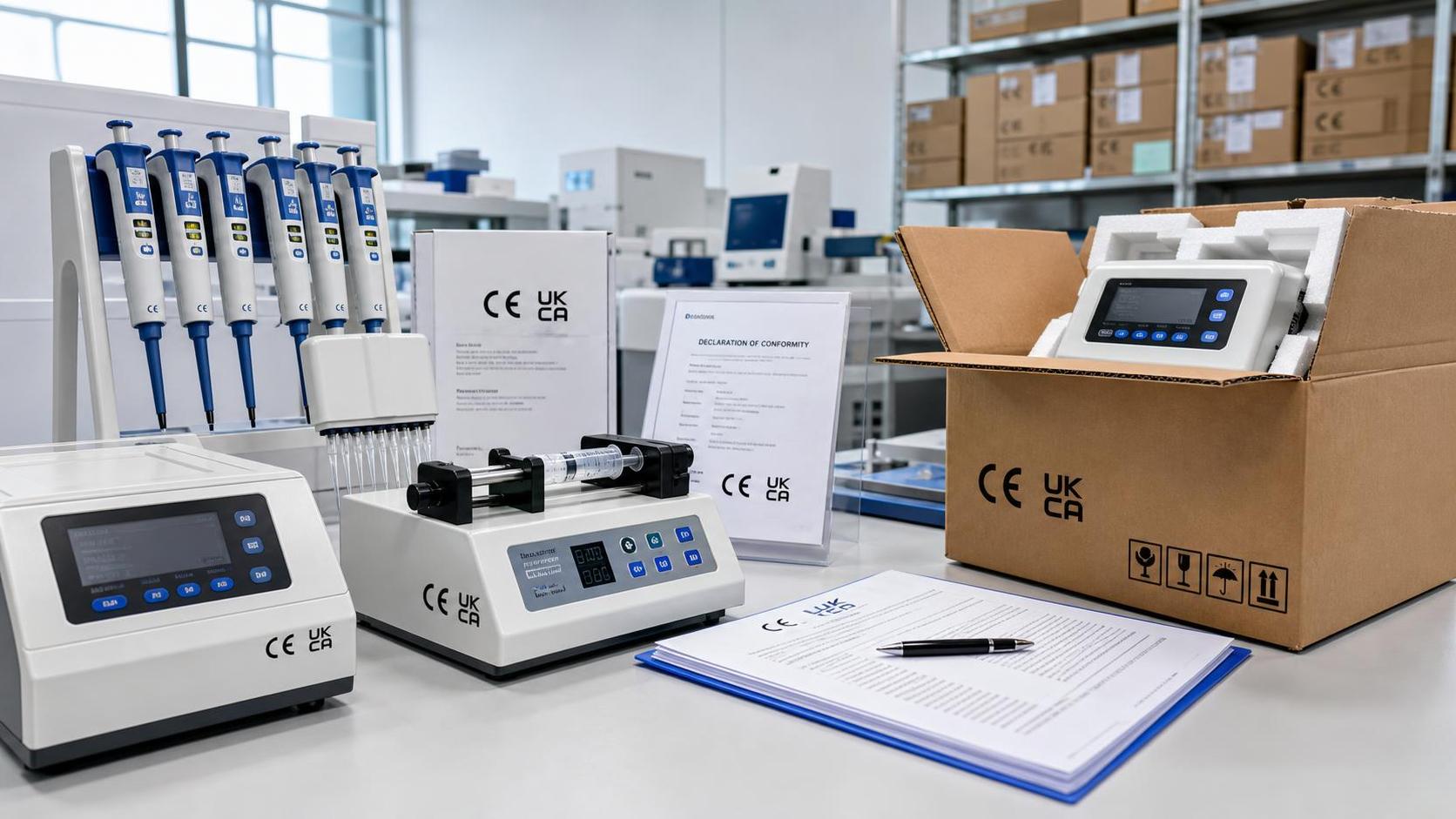
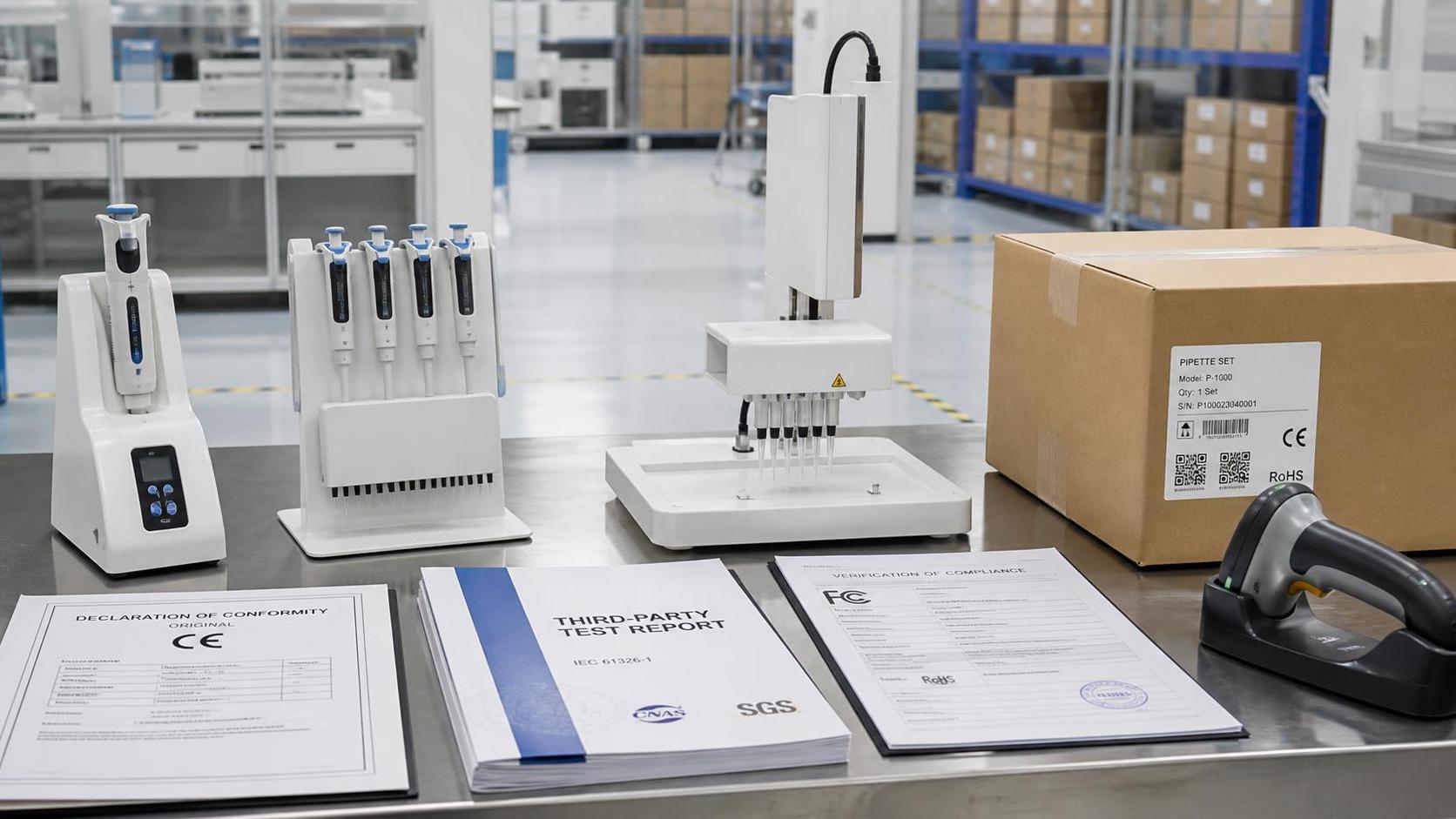
Beijing, May 11, 2026 — The China Academy of Information and Communications Technology (CAICT) released the White Paper on Export Compliance for High-Precision Fluid Control Equipment (2026) on May 11, 2026. The document marks the first time syringe pumps have been formally designated as a “high-risk export monitoring category,” signaling heightened regulatory scrutiny for manufacturers, exporters, and supply chain stakeholders serving medical, pharmaceutical, and analytical instrumentation markets globally.
Event Overview
On May 11, 2026, CAICT published its annual export compliance white paper. It explicitly lists syringe pumps under the “high-risk export monitoring category.” The white paper identifies three core challenges facing syringe pump exporters in the United States, European Union, Australia, and Canada: redundant certification requirements, fragmented technical standards, and ambiguous export classification (e.g., dual-use vs. medical device). Additionally, CAICT launched an online tool titled the “Syringe Pumps Export Compliance Roadmap,” designed to assist enterprises in navigating jurisdiction-specific regulatory pathways.
Industries Affected
Direct trading enterprises face immediate operational impact: increased pre-shipment due diligence, longer lead times for customs clearance, and higher compliance verification costs—particularly when shipping to multiple target markets with divergent conformity assessment regimes (e.g., FDA 510(k) vs. EU MDR vs. TGA inclusion criteria). Classification ambiguity may trigger unexpected licensing reviews under national dual-use regulations.
Raw material procurement enterprises are affected indirectly but significantly. Suppliers of precision-machined components (e.g., stainless-steel plungers, PTFE seals), micro-stepper motors, and embedded microcontrollers must now accommodate tighter traceability requirements and enhanced documentation—especially if their products are integrated into syringe pumps destined for regulated end-use. Downstream compliance obligations increasingly cascade upstream via contractual clauses.
Manufacturing enterprises bear primary responsibility for product-level compliance. The white paper highlights syringe pumps’ “cross-cutting attributes”—including dynamic accuracy (e.g., sub-μL/min flow stability), software-defined control logic, and overlapping medical/research/industrial applications—which complicate harmonized testing and labeling. Manufacturers must now assess whether firmware updates or UI features could alter export classification, even post-certification.
Supply chain service enterprises—including logistics providers, customs brokers, and regulatory consultants—must adapt service offerings. Demand is rising for jurisdiction-specific classification support, real-time regulatory alerts, and audit-ready documentation packages. Firms lacking domain expertise in both medical device regulation and dual-use controls risk service gaps, particularly for SMEs managing multi-market exports without in-house compliance teams.
Key Focus Areas and Recommended Actions
Conduct product-specific export classification review
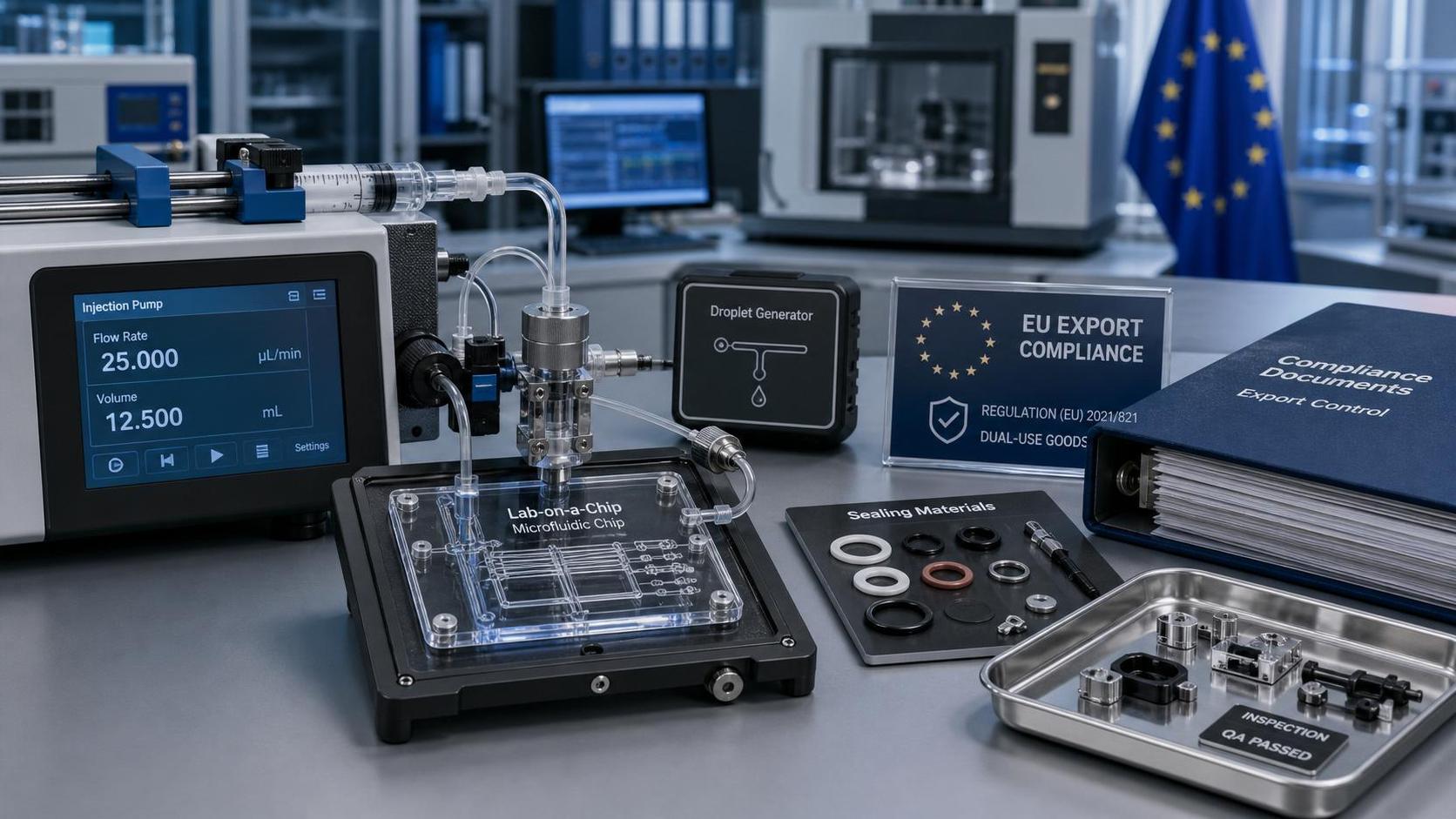
Enterprises should reassess each syringe pump model using CAICT’s newly published classification framework—not just against medical device definitions, but also against national dual-use control lists (e.g., US EAR Category 3, EU Dual-Use List 2B352). Software functionality (e.g., programmable dosing sequences, remote calibration) must be evaluated as a potential classification trigger.
Leverage the “Export Compliance Roadmap” tool proactively
The CAICT online tool is not advisory only: it maps technical specifications (e.g., flow rate range, positional resolution, communication protocols) to required certifications per market. Users should input actual product parameters—not generic categories—to generate actionable, jurisdiction-tailored checklists for documentation, testing, and labeling.
Strengthen supplier data governance
Manufacturers must formalize material declarations from Tier-1 suppliers—including substance composition, manufacturing process controls, and software origin—for traceability across export jurisdictions. This supports both MDR/IVDR technical file submissions and potential dual-use license applications where component-level provenance matters.
Monitor evolving alignment between medical and dual-use frameworks
While the white paper notes current fragmentation, CAICT observes nascent coordination efforts among regulators on software-controlled fluidic devices. Enterprises should track working groups such as the International Medical Device Regulators Forum (IMDRF) Software as a Medical Device (SaMD) Working Group and OECD Dual-Use Export Controls Task Force for early signals of convergence.
Editorial Perspective / Industry Observation
Analysis shows this designation reflects a broader regulatory pivot—not toward restricting trade, but toward clarifying accountability in high-precision, software-integrated hardware. Syringe pumps sit at a functional nexus: they are clinically essential yet technically sophisticated enough to enable sensitive research (e.g., microfluidic organ-on-chip studies) and industrial processes (e.g., semiconductor wafer coating). From industry perspective, the “high-risk” label is better understood as a signal of elevated due diligence expectations—not an implicit restriction. Observably, firms that previously treated export compliance as a one-time certification step will now need embedded, iterative compliance functions aligned with R&D and quality systems.
Conclusion
This white paper does not introduce new legal prohibitions, but it crystallizes emerging global expectations for transparency, traceability, and technical specificity in fluid control equipment exports. For the industry, the deeper implication is structural: compliance is shifting from a gatekeeping checkpoint to a continuous, cross-functional capability—one that intersects engineering design, software development, procurement, and regulatory affairs. A measured, evidence-based response—not reactive over-compliance—is currently more strategic than either dismissal or alarm.
Source Attribution
Primary source: China Academy of Information and Communications Technology (CAICT), White Paper on Export Compliance for High-Precision Fluid Control Equipment (2026), released May 11, 2026. Available via CAICT official publications portal.
Note: CAICT states the white paper will be updated biannually; ongoing revisions to the “Export Compliance Roadmap” tool and jurisdictional annexes are expected through Q4 2026. Monitoring of U.S. BIS, EU Commission, and Australian DFAT policy consultations remains advised.
Expert Insights

Chief Security Architect
Dr. Thorne specializes in the intersection of structural engineering and digital resilience. He has advised three G7 governments on industrial infrastructure security.
Related Analysis
Core Sector // 01
Security & Safety
- Precision Dispenser Pricing: Cost Drivers and Budgeting for Lab AutomationAuthor :Dr. Aris Nano

- China Tightens Export Compliance Checks on Lab Fluid-Control DevicesAuthor :Dr. Aris Nano

- China Tightens Export Checks on Lab Fluid DevicesAuthor :Dr. Aris Nano

- China Customs Tightens Export Checks for Lab Liquid-Handling EquipmentAuthor :Dr. Aris Nano

- ECHA SVHC Update Reaches Precision Fluid DevicesAuthor :Dr. Aris Nano

- FDA Tightens Accuracy Rule for Lab Fluid DevicesAuthor :Dr. Aris Nano

- ECHA Adds 12 SVHCs Affecting Lab Fluid DevicesAuthor :Dr. Aris Nano

- How to Choose a Variable Speed Peristaltic Pump for Accurate Lab Fluid TransferAuthor :Dr. Aris Nano