Peristaltic Pump for Lab Wholesale: Where Failures Start Early
Author
Date Published
Reading Time
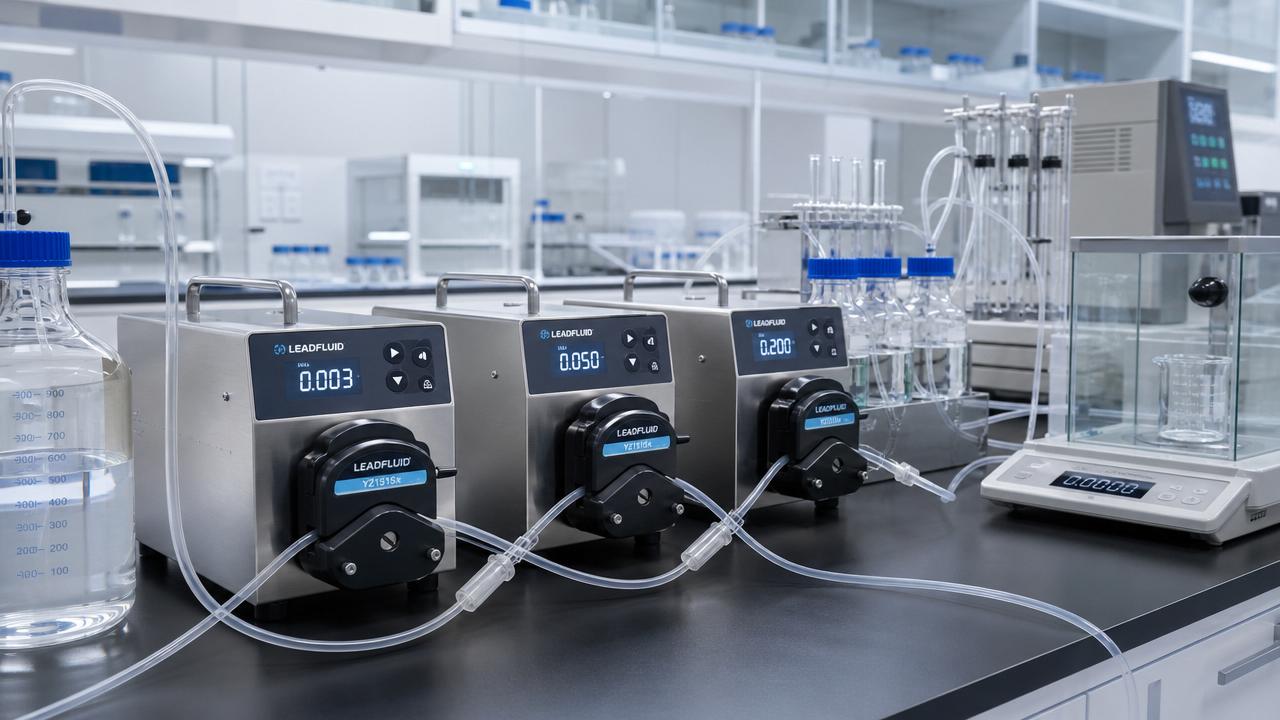
In lab operations, failures in tubing, flow stability, and maintenance routines often begin long before a shutdown becomes visible. For after-sales maintenance teams evaluating peristaltic pump for lab wholesale options, understanding where early wear, contamination risks, and calibration drift start is essential to protecting precision, compliance, and long-term system reliability.
Why scenario differences matter before selecting a wholesale lab pump
A peristaltic pump may look simple in a catalog, yet the failure pattern changes dramatically depending on where it works. A pump feeding buffer into a microbiology process faces very different stress compared with a unit dosing solvents in chemical synthesis, circulating media in a cell culture setup, or transferring sensitive samples through a validated QC environment. For after-sales teams, this is the key point: early failures are rarely random. They usually begin at the mismatch between application scenario, tubing chemistry, duty cycle, and maintenance routine.
That is why evaluating peristaltic pump for lab wholesale choices should not start with price or motor speed alone. It should start with application mapping. When maintenance personnel understand the scenario behind each installed pump, they can predict weak points earlier, stock the right wear parts, reduce emergency downtime, and support procurement with evidence-based recommendations.
Where early failures usually start in real laboratory scenarios
In most lab-scale fluid handling systems, early failure starts in one of five places: tubing fatigue, roller compression inconsistency, chemical incompatibility, pulsation-related process instability, or maintenance timing errors. These are universal issues, but their severity depends on the application.
- High-cycle dosing leads to rapid tubing wall thinning and loss of flow accuracy.
- Sterile or biopharma environments amplify contamination risk when tubing replacement intervals are delayed.
- Solvent-heavy chemistry labs expose elastomers to swelling, embrittlement, or hidden extractables.
- Low-flow precision work makes calibration drift visible much earlier than bulk transfer tasks.
- Shared pump fleets across departments often fail because one maintenance standard is applied to very different duty profiles.
For buyers sourcing peristaltic pump for lab wholesale, these scenario-specific failure triggers should shape both the pump specification and the service plan. A technically acceptable pump can still become a poor fleet choice if its wear profile does not match the lab’s real operating rhythm.
Typical application scenarios and what maintenance teams should watch first
Biopharma and cell culture support
In bioprocess labs, peristaltic pumps often handle media transfer, nutrient feed, waste removal, and sterile sampling support. Here, the first risk is not only mechanical wear but bioconsistency loss. Tubing that survives mechanically may still become unacceptable if it sheds particles, traps residues, or creates unstable feed rates. After-sales staff should focus on sterility protocol fit, tubing lot consistency, and pump head cleanability.
Analytical and QC laboratories
QC labs usually require repeatable low-flow transfer, reagent dosing, and contamination control. In this environment, even a small drop in occlusion consistency can distort calibration, sample preparation, or instrument feed. Maintenance teams should prioritize repeatability checks, roller condition inspection, and documented replacement cycles. A peristaltic pump for lab wholesale program that supports traceable spare parts and standardized calibration records is especially valuable here.
Chemical synthesis and solvent handling
Pilot chemistry and synthesis labs often challenge pumps with aggressive solvents, variable viscosity, and intermittent high-demand dosing. Early failure usually starts with tubing incompatibility rather than motor failure. Maintenance personnel should verify chemical resistance data against actual reagents, including cleaning fluids and mixed solvent exposure. If purchasing teams treat all tubing as interchangeable, service events will rise quickly.
Microfluidics and precision dispensing
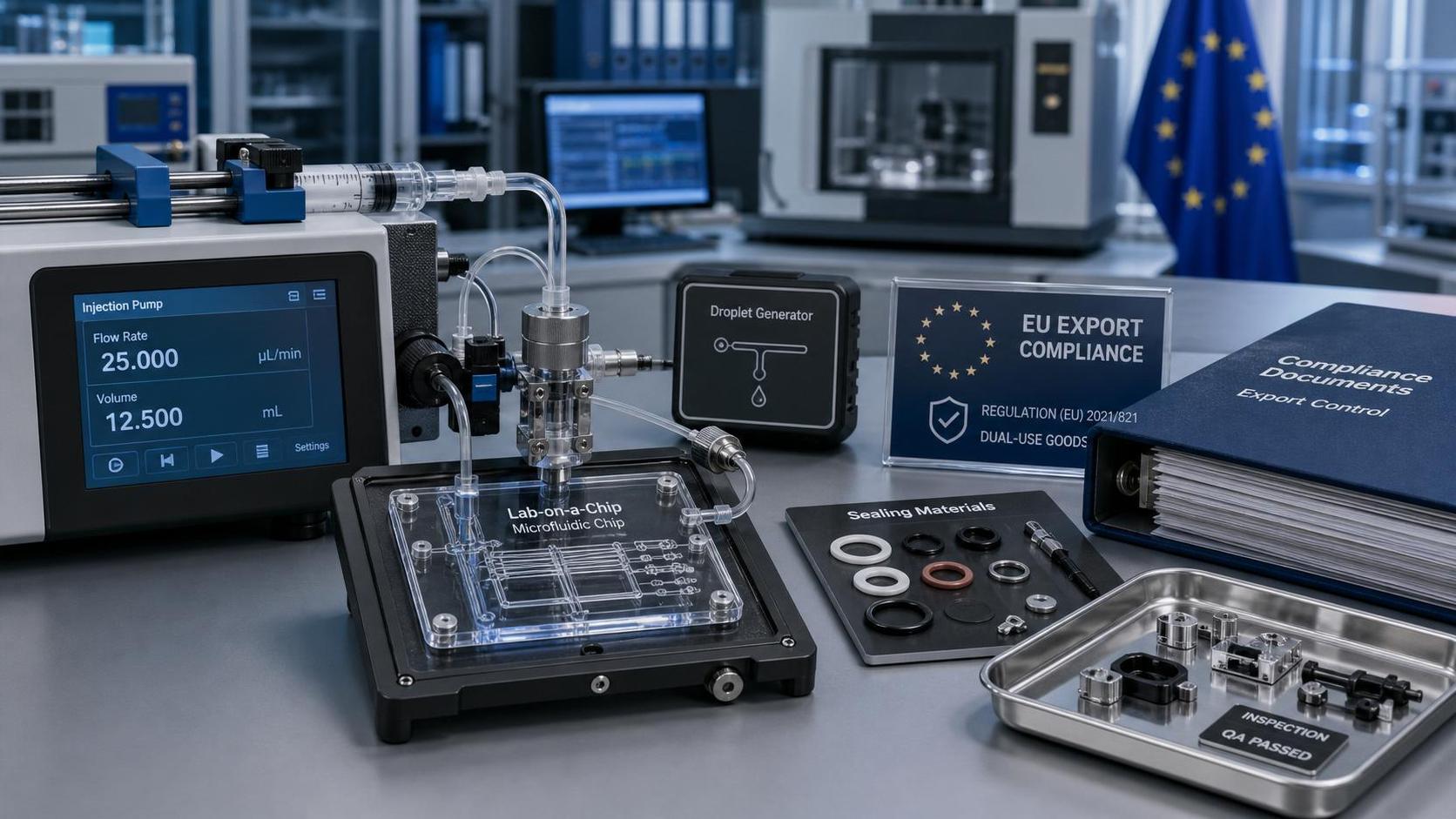
When pumps support microreactors, chip-based systems, or low-volume dispensing, pulsation and calibration drift become the leading concerns. In these settings, a pump that is robust enough for general transfer may still be unsuitable. Maintenance teams should assess speed control resolution, tubing dimensional tolerance, and how the system responds to very low flow rates over time.
Scenario comparison: the same pump type can fail for different reasons
The table below helps after-sales maintenance teams compare common laboratory scenarios before recommending a peristaltic pump for lab wholesale solution.
How maintenance priorities change by lab size and operating model
Not every laboratory uses a pump fleet in the same way. A startup lab may run fewer pumps but stress them heavily due to limited redundancy. A multinational R&D center may have many units distributed across departments, creating a different challenge: maintenance inconsistency. This matters when choosing peristaltic pump for lab wholesale packages because service complexity is often hidden at the purchasing stage.
- Small labs: need easy serviceability, clear tubing replacement procedures, and simple operator training.
- Mid-sized pilot facilities: benefit from modular pump heads, standardized spare kits, and stronger compatibility planning.
- Large regulated sites: need documentation support, lot traceability, preventive maintenance workflows, and cross-site standardization.
For after-sales teams, the best wholesale decision is usually the one that lowers service variation across users, shifts, and departments. In other words, operational discipline should be treated as a selection parameter, not just a training issue.
What to confirm before recommending a peristaltic pump for lab wholesale
A strong recommendation should be based on a scenario checklist rather than a generic pump datasheet. Before approving a wholesale purchase, after-sales maintenance teams should confirm the following points with procurement and end users:
- What fluids will be transferred, including cleaning agents and occasional process deviations?
- Is the duty cycle continuous, intermittent, or high-frequency pulsed operation?
- Which parameter matters more in the actual scenario: bulk flow, low-flow precision, sterility, or chemical resistance?
- How often can the user realistically replace tubing without disrupting workflow?
- Are spare parts, tubing grades, and calibration tools available in a predictable supply chain?
- Will the same model be used across multiple applications that actually need different tubing or head configurations?
These questions help reveal whether a pump is suitable in theory only, or suitable in real service conditions. In many cases, the difference between a stable asset and a high-maintenance asset is simply whether these questions were asked early enough.
Common scenario misjudgments that lead to premature failure
Several avoidable mistakes appear repeatedly when labs scale their purchasing through wholesale channels.
- Assuming motor durability matters more than tubing behavior. In reality, tubing is often the first failure point.
- Using one tubing material across all departments for convenience, even when fluid chemistry differs substantially.
- Treating calibration as a commissioning step instead of an ongoing maintenance task.
- Ignoring pulsation effects in analytical or microfluidic setups because average flow looks acceptable.
- Choosing low-cost wholesale bundles without checking spare part consistency, documentation support, or replacement lead times.
For maintenance teams, these are not minor oversights. They directly influence complaint frequency, service call volume, and system reputation inside the lab. A better peristaltic pump for lab wholesale strategy is one that reduces predictable misuse, not just purchase cost.
Practical adaptation advice by scenario
If the pump will support sterile workflows, prioritize material traceability, change-out discipline, and gentle handling of single-use flow paths. If it will work with solvents, demand verified compatibility data and build inspection frequency around actual chemical exposure. If the lab depends on low-volume precision, choose tighter tubing tolerances and a service routine that checks drift before users notice process impact. If the site runs a mixed pump fleet, create scenario-based maintenance categories instead of one universal schedule.
This is where a technically informed B2B sourcing approach becomes valuable. Organizations managing bench-to-pilot transitions, regulated development, or fluid-sensitive production support should align pump selection with broader system reliability goals. In advanced environments such as those benchmarked by G-LSP, the right pump decision is part of a larger architecture of micro-efficiency, where flow accuracy, bioconsistency, and maintainability reinforce each other.
FAQ for after-sales teams evaluating wholesale options
Is a higher-spec pump always better for every laboratory application?
No. A higher-spec unit may still be mismatched if the tubing, head design, or maintenance burden does not fit the actual application scenario.
What usually fails first in a peristaltic pump for lab wholesale deployment?
Most often, tubing performance degrades first through fatigue, incompatibility, or dimensional inconsistency. This then affects flow stability, sterility, or dosing accuracy.
How can maintenance teams reduce early complaints after installation?
Match each pump to its real operating scenario, standardize service intervals by application type, and ensure operators understand tubing replacement and calibration checks.
Final decision guidance
Choosing a peristaltic pump for lab wholesale is not only about acquiring more units at a better price. For after-sales maintenance personnel, the smarter question is where each pump will operate, what kind of wear will appear first, and whether the service model can keep performance stable over time. Labs involved in bioprocessing, analytical control, chemical synthesis, and precision fluidics all use similar pump technology, but they do not fail in the same way.
If you map application scenarios early, confirm tubing and process compatibility, and build maintenance around actual use conditions, you can prevent many of the failures that seem sudden but actually start much earlier. The best wholesale choice is the one that stays reliable across the scenarios your lab truly runs.
Expert Insights

Chief Security Architect
Dr. Thorne specializes in the intersection of structural engineering and digital resilience. He has advised three G7 governments on industrial infrastructure security.
Related Analysis
Core Sector // 01
Security & Safety
- China Tightens Export Compliance Checks on Lab Fluid-Control DevicesAuthor :Dr. Aris Nano

- China Tightens Export Checks on Lab Fluid DevicesAuthor :Dr. Aris Nano

- China Customs Tightens Export Checks for Lab Liquid-Handling EquipmentAuthor :Dr. Aris Nano

- ECHA SVHC Update Reaches Precision Fluid DevicesAuthor :Dr. Aris Nano

- FDA Tightens Accuracy Rule for Lab Fluid DevicesAuthor :Dr. Aris Nano

- ECHA Adds 12 SVHCs Affecting Lab Fluid DevicesAuthor :Dr. Aris Nano

- How to Choose a Variable Speed Peristaltic Pump for Accurate Lab Fluid TransferAuthor :Dr. Aris Nano

- FDA Tightens Import Rules for Syringe PumpsAuthor :Dr. Aris Nano