How Decentralized Labs Could Change Equipment Planning
Author
Date Published
Reading Time

As pharmaceutical and chemical organizations shift toward distributed R&D and agile production, the impact of decentralizing labs on equipment is becoming a strategic concern for enterprise decision-makers. From precision fluidics and bioreactors to centrifugation and automated liquid handling, decentralized lab models are reshaping how leaders plan, standardize, and scale critical infrastructure across sites without compromising compliance, consistency, or speed.
Why enterprise teams should use a checklist-first approach
For senior leaders, the impact of decentralizing labs on equipment is not just a facilities question. It affects capital allocation, validation strategy, procurement governance, talent deployment, digital traceability, and the ability to move from benchtop insight to repeatable production. A centralized lab can tolerate more custom workflows because expertise, maintenance, and oversight are concentrated. A decentralized model distributes activity across multiple sites, which means every equipment decision has multiplied consequences.
That is why a checklist-first method works better than a broad strategy memo. It helps decision-makers confirm what must be standardized, what can remain site-specific, which assets require tighter benchmarking, and where hidden operating costs will emerge. In industries shaped by GMP, ISO alignment, USP expectations, and rapid scale-up demands, a structured equipment planning checklist reduces ambiguity and protects execution speed.
The first questions to answer before changing equipment plans
Before reviewing specific platforms, leadership teams should confirm the operating model behind decentralization. The impact of decentralizing labs on equipment varies greatly depending on whether the goal is regional application support, pilot-scale redundancy, personalized therapeutics, faster method transfer, or resilience against supply and logistics disruption.
- Will each lab perform the same process, or will sites have specialized roles such as synthesis, cell culture, separation, or assay preparation?
- Which workflows require identical output quality across locations, and which can tolerate local variation?
- How much of the installed base must be GMP-ready, audit-ready, or suitable for eventual production transfer?
- What level of digital integration is needed for data comparability, preventive maintenance, and remote oversight?
- What is the acceptable balance between lower upfront cost and higher lifecycle complexity?
If these questions are unanswered, equipment planning often becomes fragmented: one site buys for flexibility, another for throughput, and another for budget alone. The result is inconsistent fluidic performance, uneven training, duplicated spare parts, and difficult scale translation.
Core equipment planning checklist for decentralized labs
The following checklist is the practical center of evaluating the impact of decentralizing labs on equipment. It is especially relevant for decision-makers managing reactors, microfluidic devices, bioreactors, centrifugation systems, and automated liquid handling platforms.
- Standardization level: Define which equipment families must be identical across sites. Critical systems tied to method transfer, precision dosing, and validated separation usually need stricter harmonization than general lab utilities.
- Process comparability: Confirm whether devices can deliver the same shear profile, mixing behavior, dispensing precision, temperature control, and sensor output under equivalent operating conditions.
- Regulatory readiness: Review documentation depth, calibration procedures, software audit trails, material traceability, and support for GMP or controlled environments.
- Service model: Check local maintenance coverage, remote diagnostics, spare part availability, and mean time to repair. In a decentralized network, support responsiveness can matter more than purchase price.
- Operator dependency: Prioritize platforms with intuitive interfaces, guided workflows, and lower variability between users. Multi-site performance suffers when results depend too heavily on individual technique.
- Data architecture: Ensure instruments can export consistent, structured data into enterprise systems for benchmarking, deviation analysis, and fleet-wide optimization.
- Scalability path: Verify whether bench systems can support credible transfer to pilot-scale or continuous manufacturing environments without major redesign.
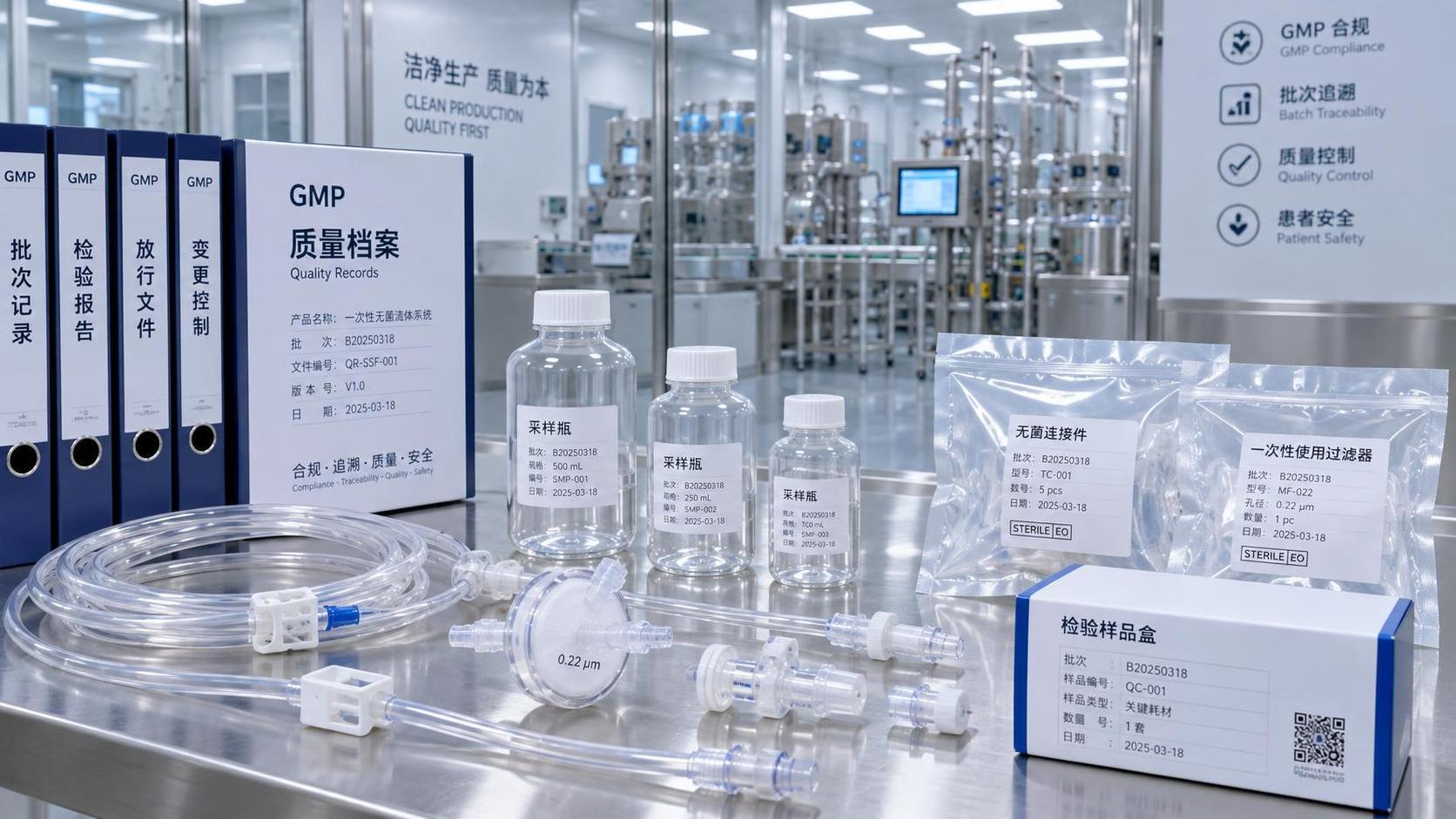
- Consumables and supply continuity: Assess whether tubing sets, single-use assemblies, tips, vessels, filters, and seals can be sourced globally and predictably.
- Installation footprint and utilities: Regional sites often face different HVAC, clean power, water quality, or vibration conditions. Equipment must fit the real infrastructure, not just the ideal specification sheet.
- Total cost of ownership: Include validation, downtime, training, software licensing, preventive service, and replacement cycle, not only acquisition cost.
How to judge equipment priorities by technology category
Pilot-scale reactors and synthesis systems
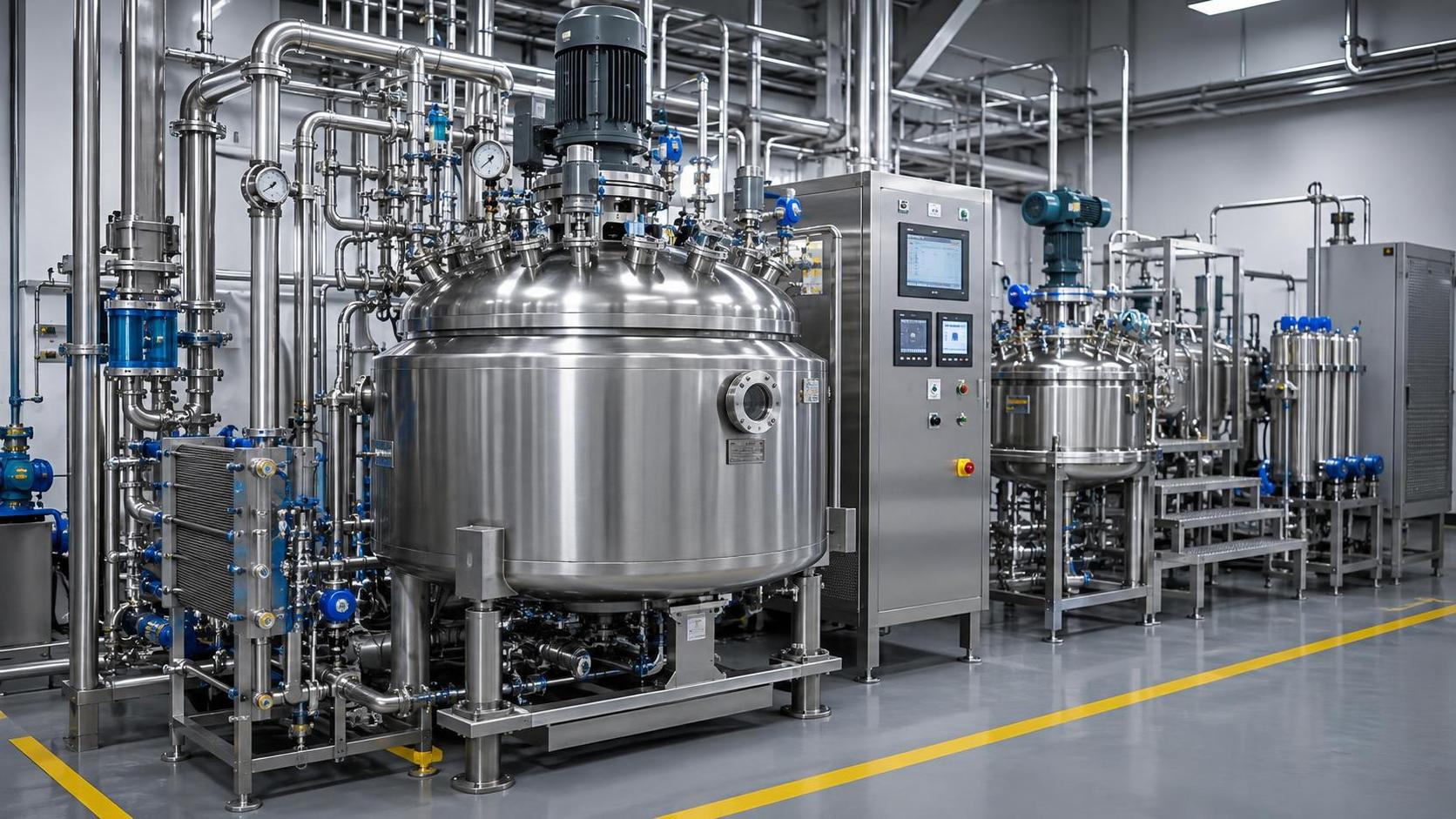
For reactor planning, the impact of decentralizing labs on equipment is strongest when process development must be transferred between geographies. Leaders should check vessel geometry consistency, agitation reproducibility, heat transfer behavior, liner or wetted material compatibility, and sensor calibration discipline. If one site uses glass-lined stirred tanks and another uses different internal configurations, process learning may not translate cleanly. Decentralization works best when reactor fleets are benchmarked against a shared operating envelope.
Precision microfluidic devices
Microfluidics introduces a stricter tolerance challenge. Small differences in channel design, pressure control, pulse dampening, or sub-microliter dispensing can create major output variation. If decentralized labs are expected to support formulation screening, nanoparticle work, or reaction intensification, standardization should extend beyond instrument brand to include cartridges, pumps, flow sensors, and environmental controls.
Bioreactors and cell culture infrastructure
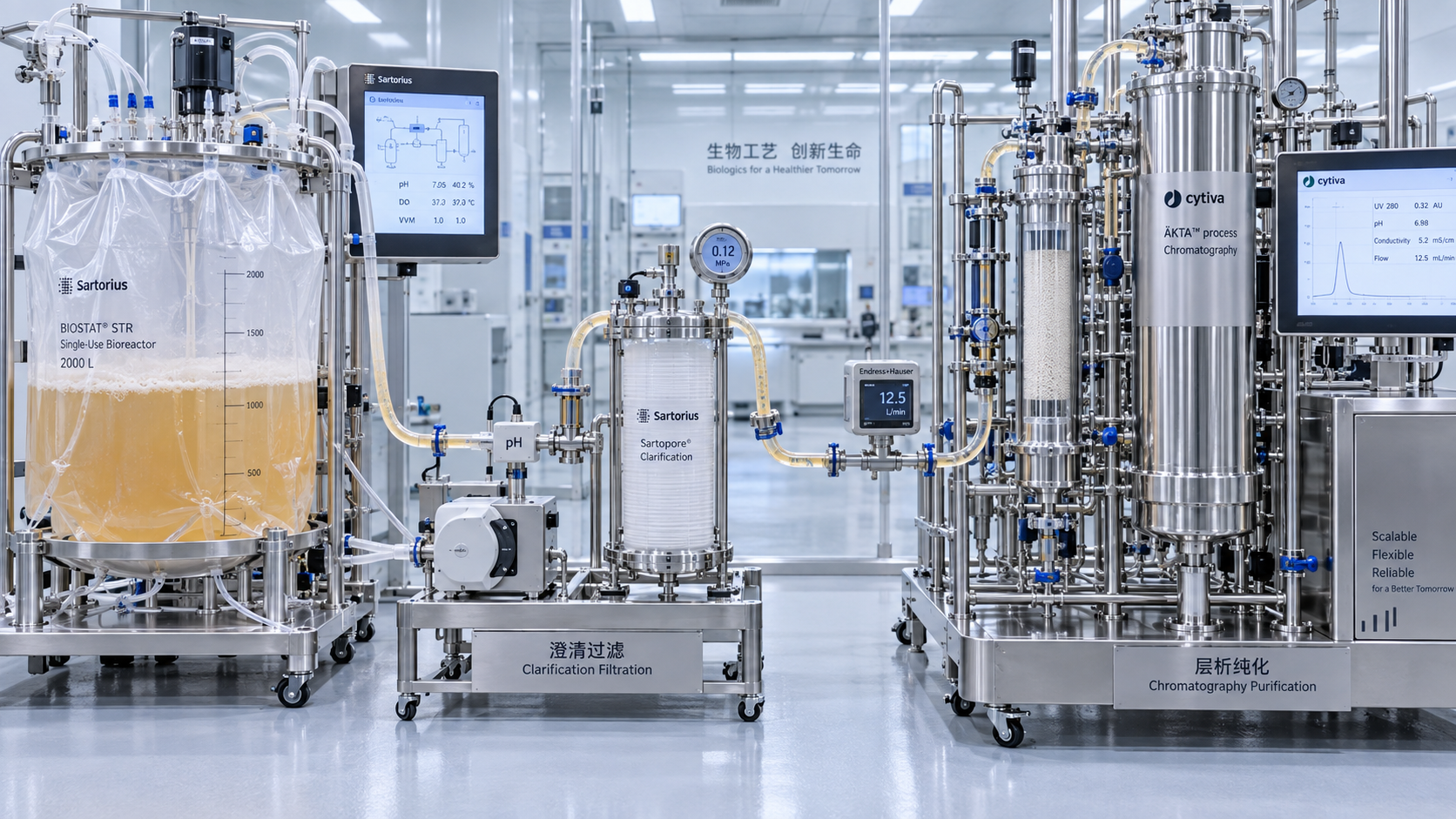
In biologics and advanced therapeutics, decentralized operations often aim to bring development closer to regional demand or specialized expertise. Here, equipment planning should prioritize bioconsistency. Decision-makers should verify equivalence in gas transfer, impeller design, single-use film properties, monitoring probes, and closed-system handling. Without these controls, scale and site comparisons can become unreliable.
Centrifugation and separation technology
For centrifugation, leaders should focus on rotor compatibility, balancing protocols, acceleration and deceleration profiles, aerosol containment, and sample integrity after transfer. Distributed labs frequently underestimate how procedural differences around loading, cleaning, and maintenance influence downstream analytical comparability.
Automated pipetting and liquid handling
Automated liquid handling is often the hidden foundation of reproducibility in decentralized settings. The impact of decentralizing labs on equipment becomes visible when nominally similar systems deliver different aspiration precision, tip sealing performance, deck layout logic, or software script behavior. Procurement and technical teams should align not only on hardware but also on methods, consumables, calibration frequency, and version control.
A quick decision table for enterprise buyers
Common risks leaders often overlook
Many programs understand the strategic impact of decentralizing labs on equipment in theory but miss practical failure points during rollout. The most common overlooked issues include partial standardization, weak SOP governance, and underestimating operator variability.
- Buying the same platform without matching the full configuration: accessories, probes, software versions, and consumables must also align.
- Assuming digital connectivity equals data comparability: if naming conventions, sampling intervals, and metadata rules differ, data remains difficult to benchmark.
- Ignoring utility variation between sites: compressed gas quality, environmental stability, and power conditioning can alter performance.
- Over-customizing one site: a single highly modified installation can disrupt enterprise-wide reproducibility.
- Separating procurement from technical benchmarking: lowest-price awards can create long-term inconsistency and higher support costs.
Execution steps for a more resilient decentralized equipment strategy
A practical response should be phased. First, map workflows by criticality and identify which instruments directly influence process transfer, product quality, or regulated reporting. Second, create a standard equipment matrix covering approved models, accessories, calibration intervals, software rules, and consumable specifications. Third, benchmark priority systems against international standards and internal reproducibility targets. Fourth, establish a remote oversight model for maintenance, change control, and fleet analytics. Fifth, review whether each site truly needs full capability or whether hub-and-spoke specialization would lower complexity.
For organizations operating at the intersection of lab-scale innovation and industrial execution, this approach supports the broader architecture of micro-efficiency. It allows distributed teams to stay agile while preserving fluidic precision, bioconsistency, and decision-grade technical comparability across the network.
FAQ: fast answers for enterprise decision-makers
Does decentralization always increase equipment cost?
Not always. It can reduce bottlenecks and improve regional responsiveness, but only if standardization, service planning, and utilization are managed carefully. Otherwise, duplicated assets and fragmented support raise total cost of ownership.
Which equipment categories should be standardized first?
Start with systems that most affect comparability and transfer risk: liquid handling, bioreactor controls, precision flow devices, critical reactors, and validated separation equipment.
How can leaders measure the impact of decentralizing labs on equipment over time?
Track method transfer success rate, deviation frequency, instrument uptime, cross-site reproducibility, training time, maintenance response time, and consumable continuity. These indicators reveal whether decentralization is creating agility or hidden variability.
What to prepare before discussing next steps with a technical partner
If your organization wants to act on the impact of decentralizing labs on equipment, prepare a short decision pack before supplier or benchmarking discussions. Include target workflows by site, required compliance level, expected scale-up path, preferred data environment, utility constraints, validation expectations, budget boundaries, and deployment timing. Also list which parameters must remain consistent across all sites and which may vary locally.
That preparation makes conversations about equipment fit, technical benchmarking, implementation cycle, and commercial structure far more productive. It also helps enterprise teams compare options based on operational risk and strategic value, not only on specification sheets. For decision-makers navigating distributed R&D and agile production, the real advantage lies in choosing equipment architectures that are precise enough to standardize, flexible enough to scale, and robust enough to support the next transition from lab insight to industrial execution.
Expert Insights

Chief Security Architect
Dr. Thorne specializes in the intersection of structural engineering and digital resilience. He has advised three G7 governments on industrial infrastructure security.
Related Analysis
Core Sector // 01
Security & Safety
- Regulatory Compliance gaps that delay pharma launchesAuthor :Dr. Elena Carbon

- Pharmaceutical Process Improvement: Reducing Batch Variability Without Delaying Scale-UpAuthor :Dr. Elena Carbon

- Selecting Bioprocessing Modules for Scalable Upstream and Downstream WorkflowsAuthor :Dr. Elena Carbon

- Agricultural Processing Equipment Prices: What Buyers Should Compare Beyond the QuoteAuthor :Dr. Elena Carbon

- Wholesale Mechanical Seals: A Buyer’s Checklist for Materials, Duty, and Supplier QualityAuthor :Dr. Elena Carbon

- How to Qualify a GMP Compliance Supplier for Critical Lab ConsumablesAuthor :Dr. Elena Carbon

- Comparative Technical Benchmarking: Which Metrics Matter for Laboratory Platform Selection?Author :Dr. Elena Carbon

- How to Compare Reactor System Suppliers for Scale-Up, Compliance, and Total CostAuthor :Dr. Elena Carbon