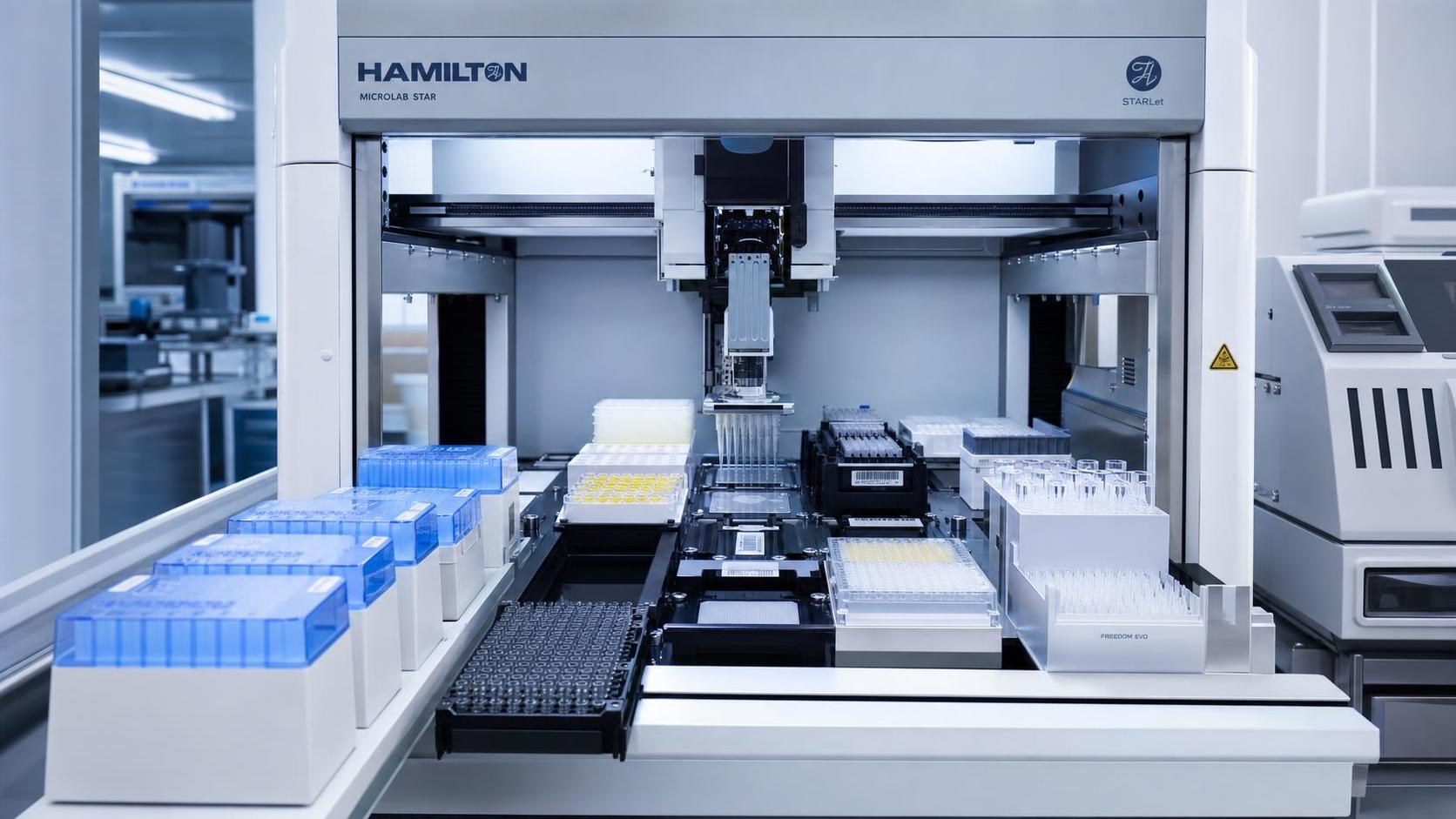
Liquid Handling Workstation Wholesale: Price Gaps Explained
Author
Date Published
Reading Time
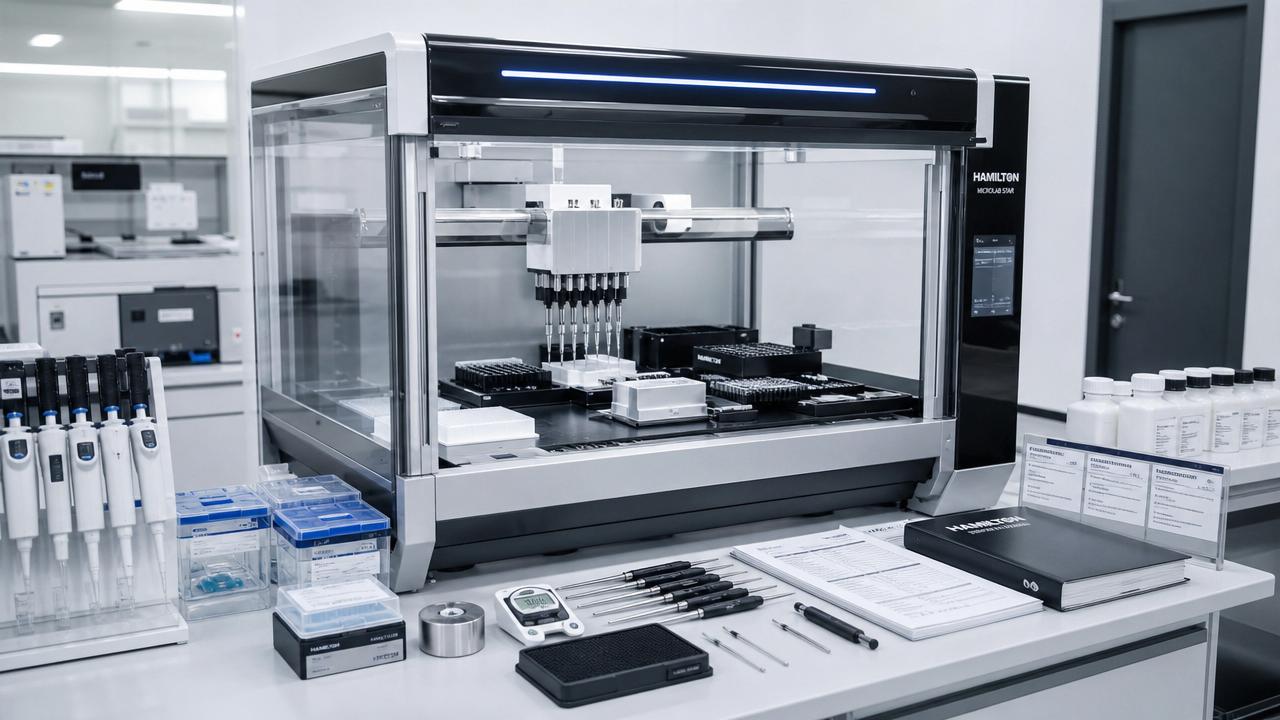
For finance approvers evaluating liquid handling workstation wholesale options, price differences can seem arbitrary until hidden cost drivers come into focus. From automation accuracy and throughput to compliance readiness, service terms, and lifecycle maintenance, each factor shapes the true investment value. This article explains where the pricing gaps come from and how to compare suppliers with greater financial confidence.
Why does liquid handling workstation wholesale pricing vary so much?
The short answer is that two systems may look similar on a quotation sheet while being very different in engineering depth, performance stability, and long-term operating cost. In liquid handling workstation wholesale purchasing, price gaps usually reflect more than brand markup. They often come from dispensing precision, channel configuration, deck capacity, software architecture, contamination control, validation support, and after-sales obligations.
For financial approvers, this matters because the lowest acquisition price does not always produce the lowest total cost of ownership. A workstation used for high-value assays, regulated sample preparation, or scale-sensitive bioprocess workflows can create downstream losses if it introduces variability, fails calibration frequently, or requires expensive manual intervention. In other words, price is often a proxy for risk allocation. A cheaper supplier may leave more performance risk with the buyer, while a higher-priced supplier may absorb more of it through tighter manufacturing tolerances, application support, and stronger compliance documentation.
This is especially relevant in advanced laboratory environments where micro-efficiency drives productivity. Organizations operating between R&D and pilot production need fluidic consistency, not just automation appearance. That is why liquid handling workstation wholesale offers should be evaluated as investment packages rather than simple hardware purchases.
What technical factors create the biggest price gaps?
Technical specifications are usually the most visible reason for differences in liquid handling workstation wholesale quotations. However, finance teams often benefit from knowing which specifications affect business value and which ones are mostly cosmetic.
How do precision and repeatability affect price?
Sub-microliter accuracy requires better pumps, tighter mechanical tolerances, more reliable sensors, and more rigorous calibration protocols. These features raise manufacturing cost, but they also reduce reagent waste, failed runs, and rework. For labs handling expensive compounds, biologics, or diagnostic reagents, a higher precision tier can quickly justify its premium.
Why do throughput and deck design matter?
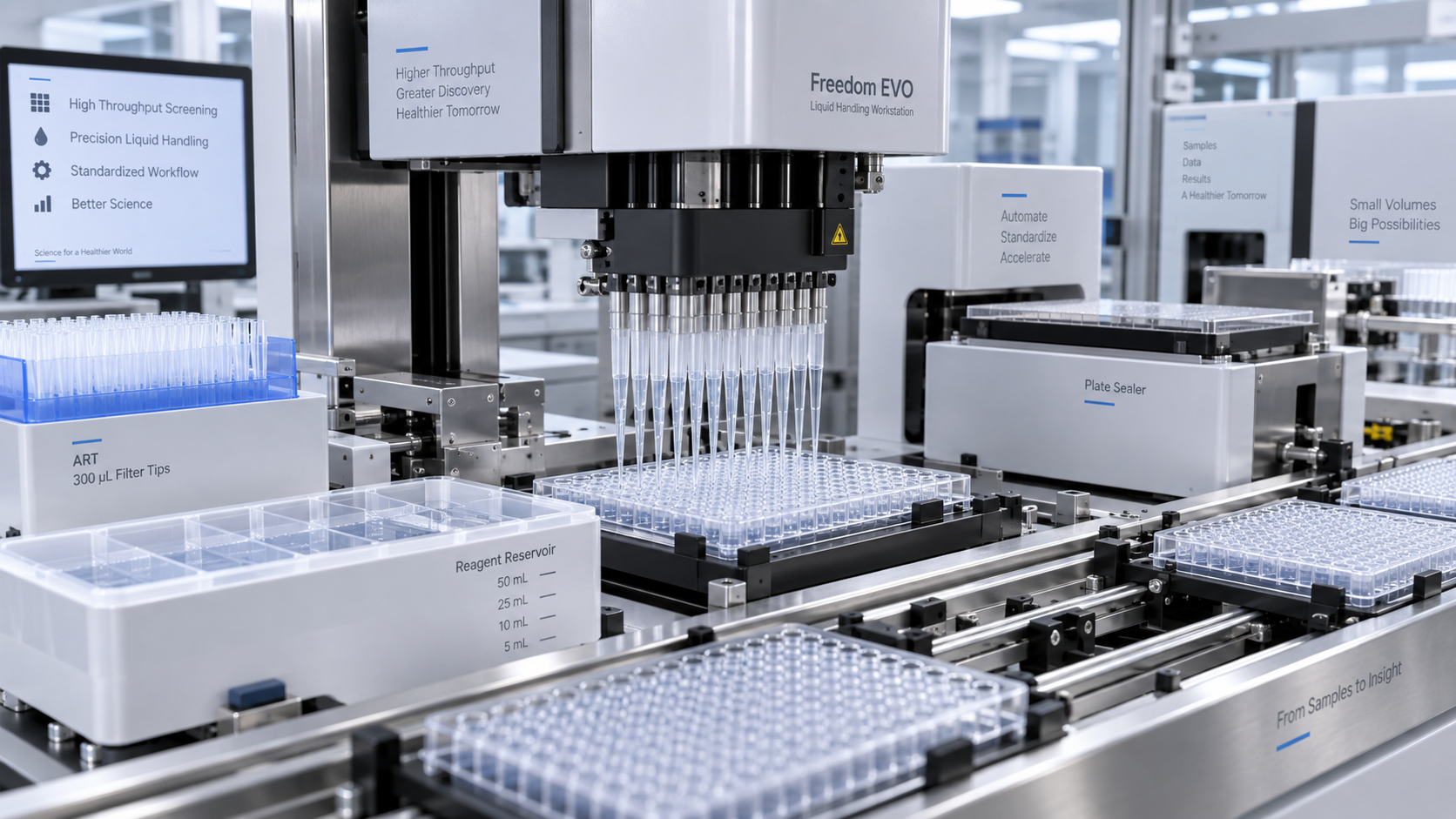
A workstation designed for continuous plate handling, multi-labware compatibility, and integrated shaking, heating, sealing, or tip management will cost more than a basic pipetting platform. The premium reflects reduced operator touchpoints and better workflow continuity. If the system can support more assays per shift, the financial value comes from labor efficiency and faster project turnaround, not only equipment speed.
Does software justify a higher wholesale price?
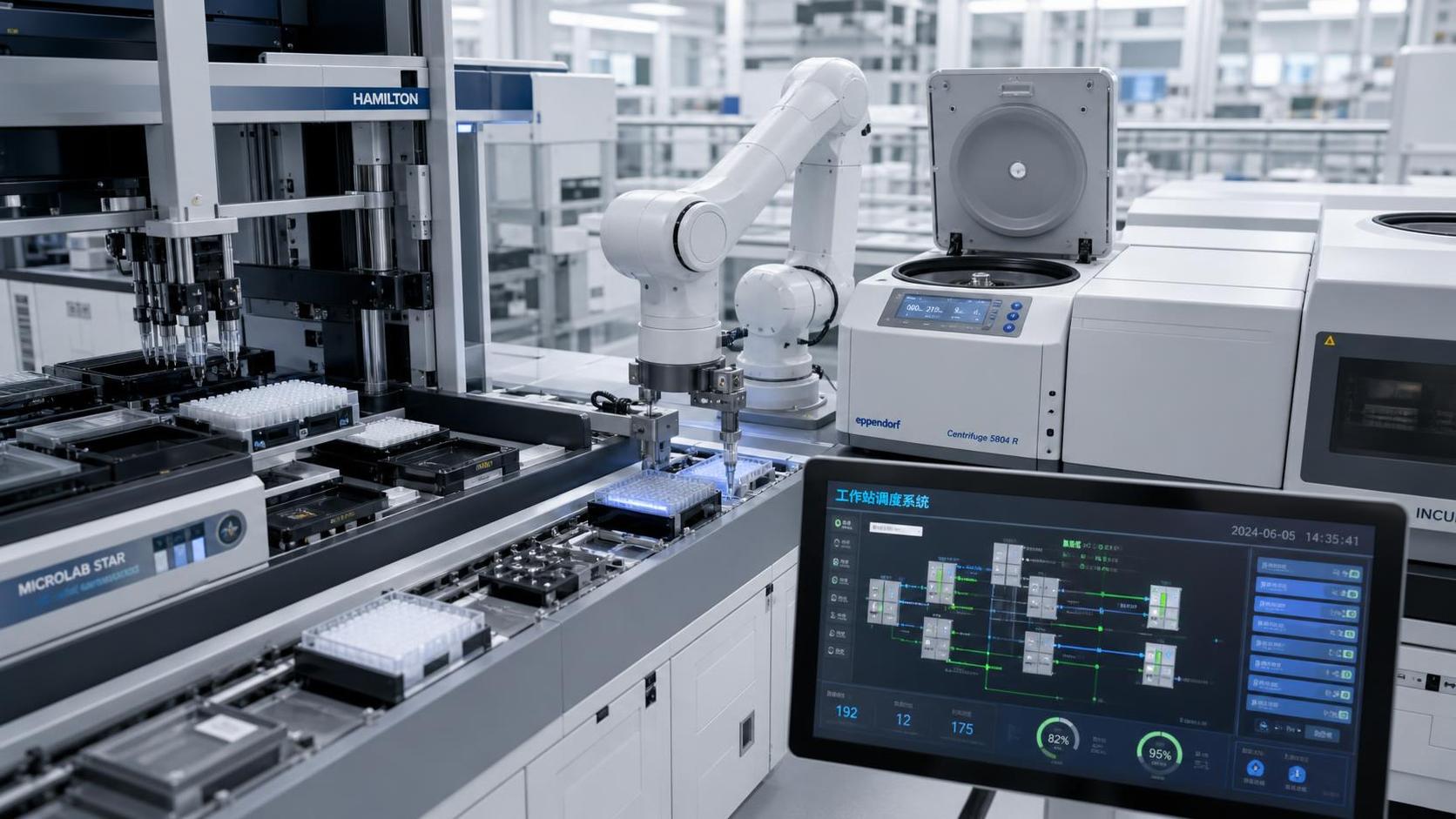
Very often, yes. Robust scheduling software, method traceability, user permission controls, data logging, and integration with LIMS or MES can materially affect implementation success. Low-cost systems may include basic control software but lack scalable workflow logic or audit support. That can force later spending on middleware, customization, or manual recordkeeping. For finance approvers, software weakness is a hidden liability because it appears after purchase, not before.
What about materials and contamination control?
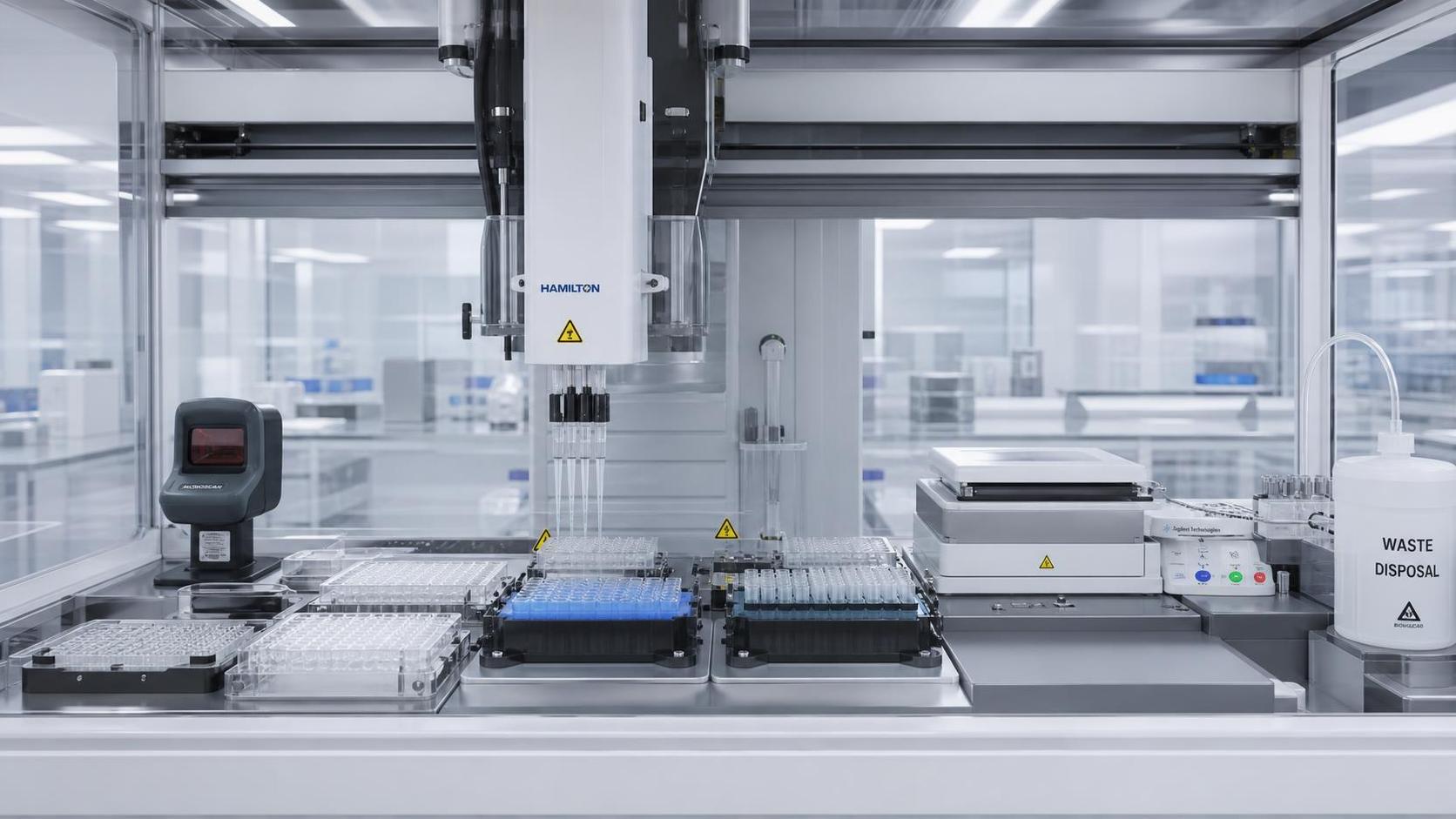
Systems built for sensitive biologics, cell-related processes, or cross-contamination-sensitive screening may include enclosed work areas, HEPA options, anti-drip design, disposable tip optimization, and chemical-resistant materials. These upgrades influence both capital expenditure and maintenance cost, but they also protect assay integrity. When evaluating liquid handling workstation wholesale options, contamination risk should be treated as a financial variable, not only a technical one.
How can finance approvers compare quotes without getting lost in technical language?
The most effective approach is to convert technical claims into budget impacts. Instead of asking only what the machine can do, ask what cost category each feature changes: labor, waste, uptime, validation effort, training time, or compliance exposure. This keeps liquid handling workstation wholesale evaluation tied to measurable business outcomes.
This type of structured comparison prevents the common mistake of awarding the purchase to the quote with the lowest unit price while ignoring operating burden. In liquid handling workstation wholesale decisions, procurement success often depends on whether finance asks the right translation questions between engineering and economics.
Are cheaper wholesale systems always a false economy?
Not necessarily. A lower-cost system can be financially sound if the use case is simple, throughput is modest, regulatory requirements are light, and the process is tolerant of manual oversight. For example, an internal method development lab that needs flexible automation support rather than validated production-style repeatability may not need the premium features built into a top-tier system.
The problem begins when buyers apply low-cost logic to high-risk workflows. If the workstation supports clinical sample prep, GMP-adjacent development, expensive compound libraries, or tightly scheduled pilot production, under-specifying the system can produce hidden losses that exceed the original savings. These losses may come from delayed projects, unstable assay performance, higher consumable waste, retraining, and vendor switching.
A practical rule is this: if process inconsistency has a large financial consequence, then a premium in liquid handling workstation wholesale pricing may be justified. If process inconsistency has limited impact and workflows remain adaptable, a more economical platform may still deliver acceptable value.
Which hidden costs are most often missed during supplier comparison?
Many price gaps become clearer once hidden costs are surfaced. These costs are frequently omitted from the first quotation discussion, especially when suppliers are trying to present an attractive entry number.
Installation and qualification
Some suppliers include installation, operational checks, and baseline qualification support, while others charge separately. In regulated or multinational environments, documentation quality can materially affect internal approval timelines. If your organization needs IQ/OQ support, calibration certificates, or traceable component records, these items should be costed early.
Training and application development
A workstation is only valuable when users can program it reliably. Basic user training may be included, but workflow optimization, protocol transfer, and assay-specific method development are often extra. In liquid handling workstation wholesale deals, weak onboarding can shift more burden to internal scientists and delay return on investment.
Consumables and proprietary dependence
Some platforms require proprietary tips, plates, or maintenance kits. The hardware may look competitively priced, but annual consumable expense can become substantial. Finance approvers should model at least a three-year consumables forecast and ask whether third-party compatible items are permitted without voiding warranty or performance guarantees.
Service coverage and spare parts lead time
A low equipment price paired with slow overseas support can become expensive if the workstation is business-critical. Ask about local engineering coverage, preventive maintenance intervals, replacement part inventory, and target response times. Downtime cost should be quantified in the same way capital cost is quantified.
What supplier differences matter most in liquid handling workstation wholesale deals?
For B2B buyers, supplier capability can matter as much as product capability. A reputable supplier does more than ship a machine. It supports workflow fit, technical documentation, future expansion, and stable service execution across sites. This is particularly important for global pharmaceutical and chemical groups that require standardization and predictable quality transfer.
Three supplier factors deserve close attention. First, ask whether the vendor has proven experience in your process category, such as assay automation, sample prep, synthetic chemistry support, cell-related workflows, or pilot-scale analytical integration. Second, confirm how the supplier handles benchmarking and performance claims. Vendors that can show standardized testing against recognized criteria tend to reduce procurement uncertainty. Third, assess whether the supplier’s support model fits enterprise expectations, including documentation discipline, multilingual support, and long-term parts continuity.
In liquid handling workstation wholesale procurement, a supplier with stronger process understanding may quote higher, but that premium can reduce implementation friction and post-purchase troubleshooting. Finance teams should therefore compare suppliers on capability maturity, not just commercial aggressiveness.
What are the most common buying mistakes finance teams should avoid?
Several recurring mistakes distort evaluation and make price gaps seem irrational when they are actually explainable.
- Comparing base hardware only, while ignoring software licenses, validation support, and service obligations.
- Approving a cheaper platform without checking consumables lock-in or annual maintenance exposure.
- Assuming all precision claims are equivalent without reviewing tested repeatability data across actual working volumes.
- Treating throughput as a simple speed number instead of a workflow variable affected by deck configuration, recovery time, and user intervention.
- Overlooking compliance readiness when the workstation may later move into more regulated programs.
Avoiding these mistakes does not require finance teams to become automation specialists. It requires a disciplined review framework that connects equipment features to cost of delay, cost of failure, and cost of scale-up. That is the most reliable way to judge liquid handling workstation wholesale proposals on economic merit.
How should a finance approver build a practical approval checklist?
A useful approval checklist should compress technical complexity into a few decision gates. Start by defining the workflow criticality: is the workstation supporting exploratory lab work, routine screening, regulated development, or a bridge toward industrial execution? Then estimate the annual value at risk if pipetting quality, uptime, or documentation fails expectations. Finally, compare suppliers using a multi-year cost view rather than a purchase-price snapshot.
For many organizations, the best internal process is a three-part review. First, technical users confirm minimum performance and integration requirements. Second, quality or compliance stakeholders confirm documentation and validation needs. Third, finance reviews lifecycle cost, vendor resilience, and implementation risk. This cross-functional structure makes liquid handling workstation wholesale approval more objective and reduces the chance that one department optimizes for the wrong metric.
If you need to move from general comparison to supplier engagement, the first questions to clarify are specific: What exact volume range and application set must be covered? What level of repeatability is required in real operating conditions? Which software, data integrity, and compliance features are mandatory? What service response time is contractually committed? What are the expected consumables, maintenance, and upgrade costs over three to five years? By starting with these questions, finance approvers can judge liquid handling workstation wholesale offers with greater confidence and align capital approval with measurable business value.
Expert Insights

Chief Security Architect
Dr. Thorne specializes in the intersection of structural engineering and digital resilience. He has advised three G7 governments on industrial infrastructure security.
Related Analysis
Core Sector // 01
Security & Safety
- Selecting Automated Liquid Handling Systems for High-Throughput AssaysAuthor :Lina Cloud

- How to Validate Lab Automation Standards for Reliable, Compliant WorkflowsAuthor :Lina Cloud

- How to Evaluate an Automated Liquid Handling Robot Manufacturer for Reliable Lab Scale-UpAuthor :Lina Cloud

- What Drives Precision Dispensing Technology Cost in Automated Labs?Author :Lina Cloud

- How Liquid Handling Software for Scheduling Improves Throughput in Automated LabsAuthor :Lina Cloud

- How to Choose a Robotic Liquid Handling System for Throughput, Accuracy, and Workflow FitAuthor :Lina Cloud

- Pharmaceutical Liquid Handling for QC: Key Accuracy, Traceability, and Compliance FactorsAuthor :Lina Cloud

- Diagnostic Liquid Handling in Southeast Asia: How to Choose Systems for Throughput and ComplianceAuthor :Lina Cloud