Robotic Arm Collision Avoidance Logic That Prevents Downtime
Author
Date Published
Reading Time

For technical evaluators managing high-stakes automation environments, robotic arm collision avoidance logic is no longer a secondary feature—it is a core safeguard against unplanned downtime, equipment damage, and process inconsistency. In precision-driven lab and production settings, understanding how this logic supports motion control, spatial awareness, and operational continuity is essential for selecting systems that meet both performance and compliance expectations.
A checklist-based review is the fastest and most reliable way to evaluate robotic arm collision avoidance logic because downtime rarely comes from one dramatic failure. It usually results from several small weaknesses: blind zones in sensing, poor path planning, delayed stop response, inconsistent payload modeling, or weak integration with peripheral devices. For evaluators in pharmaceutical, chemical, and lab-scale production environments, the right assessment method is not to ask whether a robot “has” collision avoidance, but whether that logic is robust enough for tight clearances, validated workflows, and repeatable throughput.
Start Here: The First Questions Technical Evaluators Should Ask
Before comparing brands, interface features, or cycle speed claims, prioritize a few decision-level questions. These initial checks quickly reveal whether robotic arm collision avoidance logic is engineered for real operational continuity or just presented as a marketing feature.
- Does the system detect both static and dynamic obstacles, including fixtures, tooling, operators, carts, and adjacent automation modules?
- Is collision avoidance processed in real time at the controller level, or does it depend mainly on offline programming assumptions?
- Can the robot distinguish between safe speed reduction, rerouting, controlled stop, and emergency stop based on risk severity?
- How well does the logic account for payload changes, gripper geometry, tubing, cables, and end-of-arm tool offsets?
- Is there a documented recovery process after a near-collision or protective stop, minimizing restart delays and batch disruption?
- Can the supplier provide validation evidence, event logs, and traceability suitable for regulated or audit-sensitive environments?
If these questions do not receive specific technical answers, evaluators should assume higher hidden downtime risk. In high-value fluidic and bioprocess workflows, even brief interruptions can compromise sample integrity, process timing, and equipment coordination.
Core Evaluation Checklist for Robotic Arm Collision Avoidance Logic
The following checklist covers the main criteria that determine whether robotic arm collision avoidance logic truly prevents downtime. It is especially relevant for facilities bridging benchtop experimentation with pilot-scale or continuous production execution.
1. Spatial Awareness and Sensing Coverage
Check whether the system combines multiple sensing methods rather than relying on one detection source. Effective setups often integrate joint torque sensing, force feedback, 3D vision, lidar, safety scanners, and cell-level interlocks. The more complex the workspace, the more important layered perception becomes.
Key judgment standard: coverage must include the robot body, wrist, end-effector, carried object, and surrounding equipment envelope. Many systems perform well when the arm is empty but become vulnerable once a vessel, rack, syringe array, or transfer tray extends beyond the modeled geometry.
2. Path Planning Quality Under Real Constraints
Good robotic arm collision avoidance logic should do more than stop motion. It should select safe trajectories that preserve productivity. Evaluators should verify whether path planning can adapt to changing layouts, temporary obstructions, and dynamic equipment states without requiring excessive manual reprogramming.
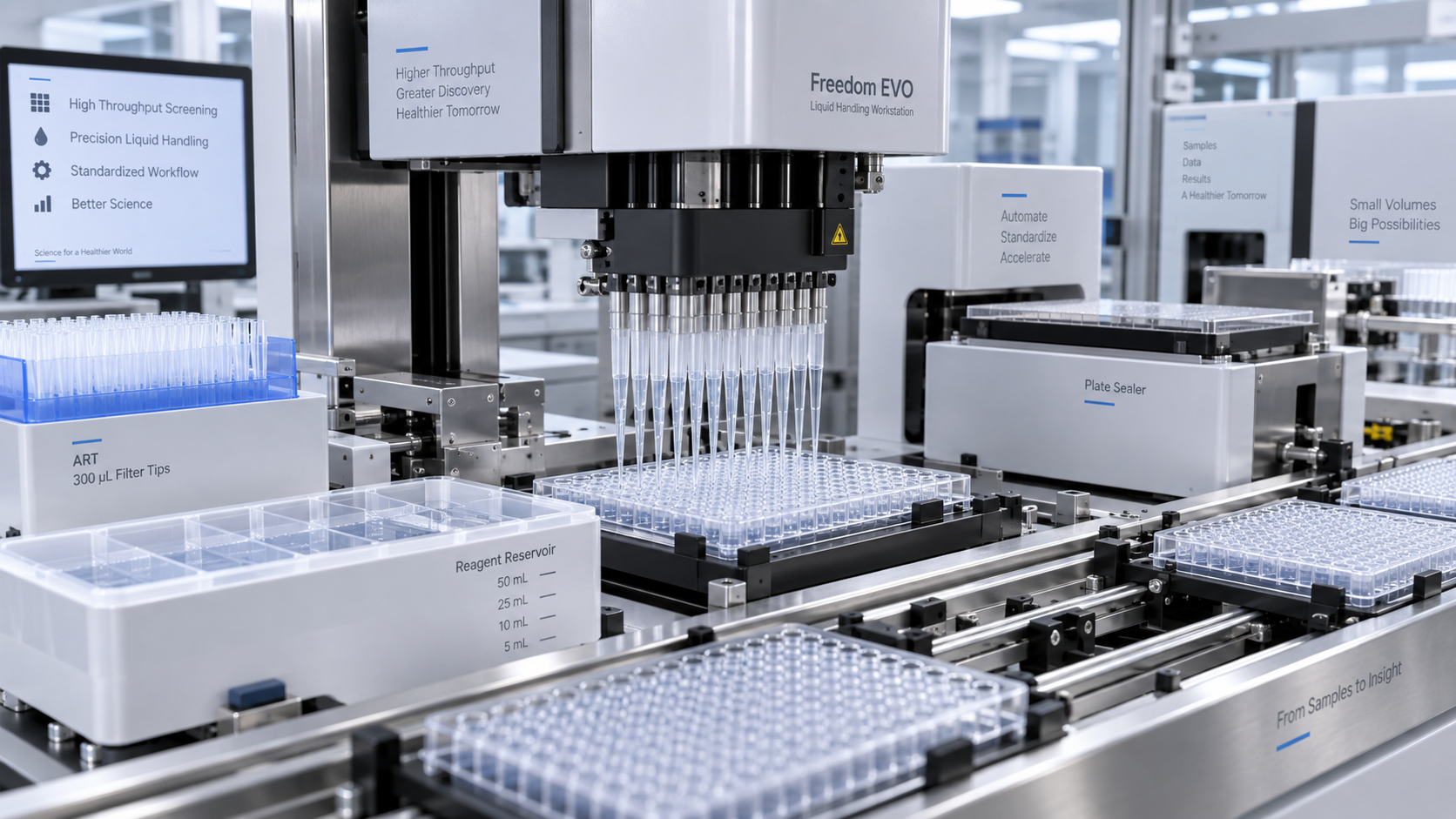
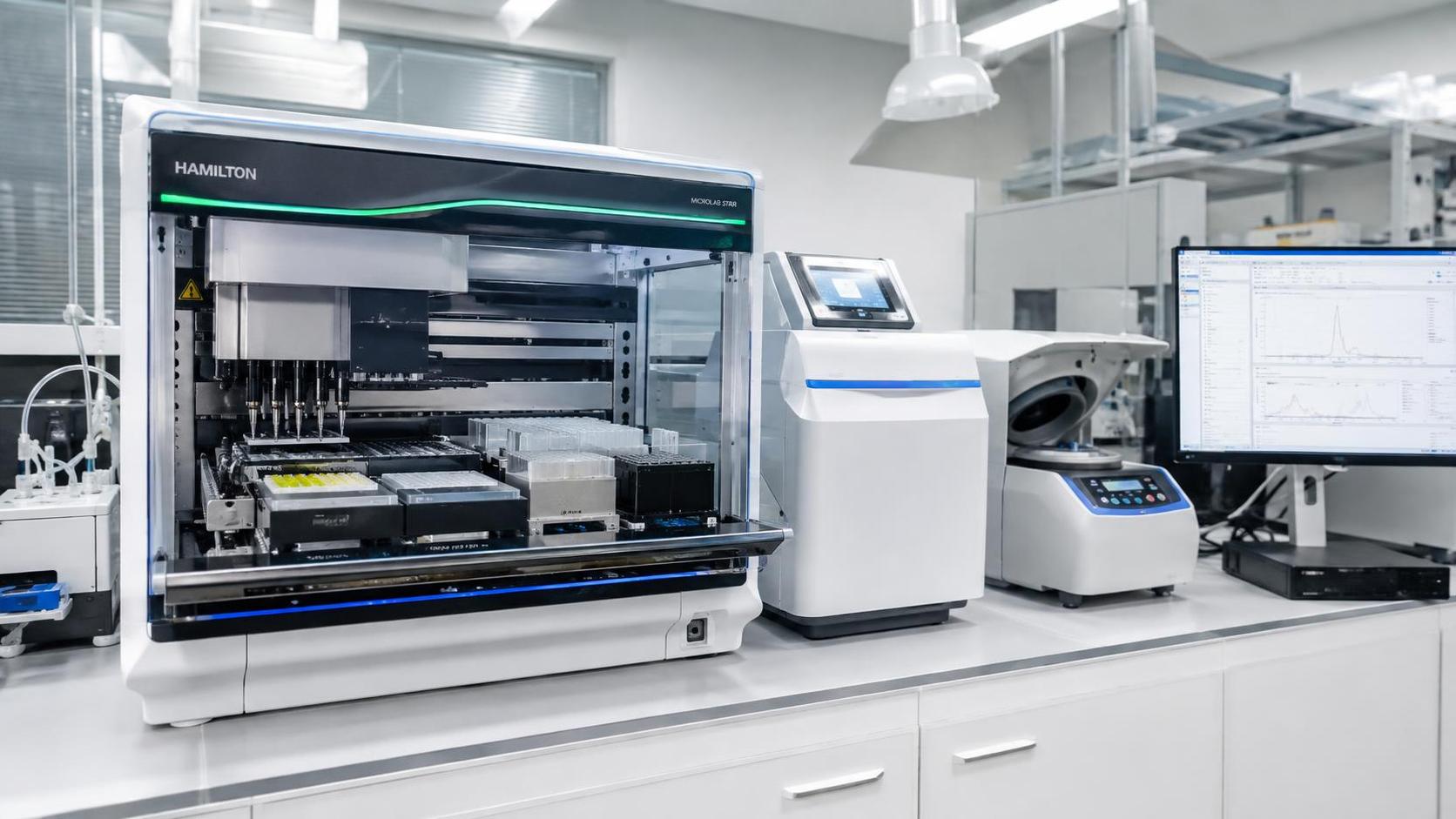
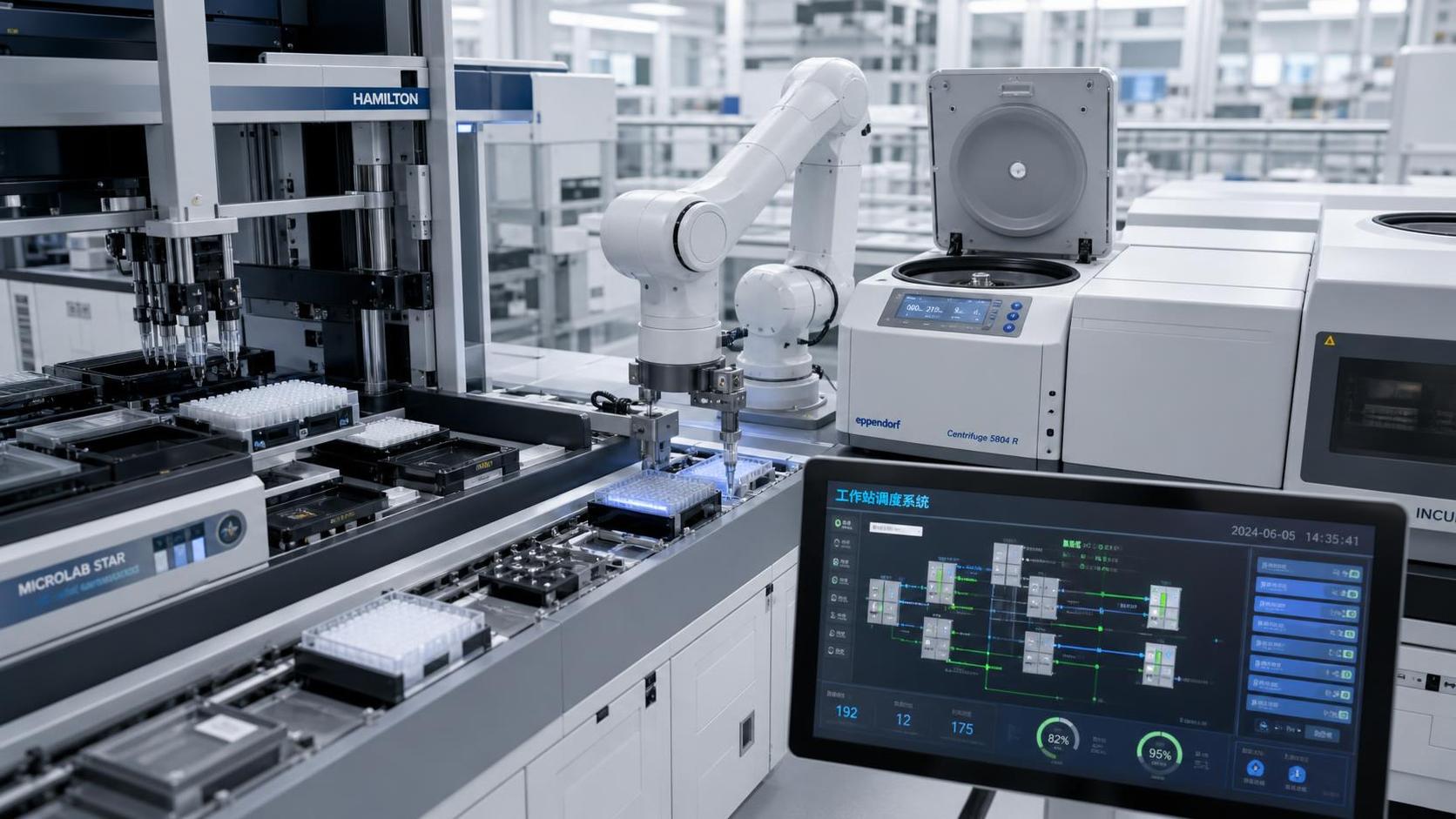
Ask for demonstrations involving constrained workcells with reactors, centrifuges, pipetting decks, incubators, or analytical instruments. The system should show predictable rerouting behavior, not erratic movement or repeated stop-and-go hesitation that quietly reduces throughput.
3. Response Time and Stop Behavior
A collision avoidance feature is only as useful as its response speed. Technical evaluators should review detection latency, control loop update rates, braking distance, and the logic used to choose between deceleration and immediate stop. In high-precision environments, unnecessary hard stops can be almost as disruptive as collisions because they trigger recalibration, sample loss, or restart checks.
The practical target is controlled intervention: early detection, proportional response, and fast recovery. If a system only avoids impact by triggering frequent protective stops, it may still create unacceptable downtime.
4. Digital Modeling Accuracy
Robotic arm collision avoidance logic depends heavily on accurate digital representation of the workcell. Confirm how the vendor models fixtures, door swing arcs, tubing paths, consumables, and temporary devices introduced during changeovers. Small modeling errors become significant in compact laboratory automation environments.
A strong supplier should explain how frequently models are updated, who owns that responsibility, and how changes are verified before production resumes. This is a major checkpoint for facilities where layouts evolve with new assays, skids, or pilot-scale process modules.
5. Integration with Cell-Level Safety and Equipment States
Collision prevention cannot be evaluated in isolation. It must work with doors, guards, conveyors, AGVs, machine vision, valve states, and equipment-ready signals. In multidisciplinary lab and production spaces, many near-collision events originate from poor synchronization between devices rather than arm control alone.
Priority check: can the logic respond intelligently to state changes such as an open centrifuge lid, an extended pipetting head, a reactor hatch in motion, or a human intervention request? If not, the risk of nuisance stoppages and mechanical interference rises sharply.
Quick Comparison Table: What to Verify Before Approval
Scenario-Based Checks: What Changes by Application?
Technical evaluators should not assess robotic arm collision avoidance logic as if all automation cells behave the same. Risk priorities shift depending on process density, cleanliness requirements, and interaction with fragile materials or regulated records.
For Lab Automation and Microfluidic Workflows
Focus on sub-assembly clearances, tubing management, deck-level movement, and interactions with lightweight consumables. In these systems, a near-collision may not visibly damage hardware but can misalign dispensers, disturb calibration, or introduce fluid handling errors that appear later as assay variability.
For Pilot-Scale Reactors and Process Development Systems
Look closely at larger payloads, thermal zones, vessel access paths, and maintenance interventions. Collision avoidance logic must account for hoses, utility lines, and human entry during setup or cleaning. Here, physical damage and recovery time tend to be more costly than in bench automation.
For Bioprocess and Cell Culture Infrastructure
The evaluation should prioritize gentle motion profiles, contamination control, and process continuity. A sudden stop or awkward reroute may disturb sterile boundaries, compromise single-use assemblies, or interrupt timed handling steps. Robotic arm collision avoidance logic must support both safety and biological consistency.
Commonly Missed Risks That Later Cause Downtime
Several issues are often overlooked during procurement reviews because they do not appear in basic demos. These are exactly the weak points that lead to recurring downtime after installation.
- Ignoring end-effector variation across tasks. A gripper used for tubes, bags, trays, and vessels may change the collision envelope dramatically.
- Assuming offline simulation matches the live cell. Real-world cable drift, fixture wear, and operator adjustments often invalidate idealized paths.
- Overlooking maintenance mode behavior. Collision avoidance logic should remain reliable during teaching, cleaning, and manual recovery, not only during automatic cycles.
- Failing to test with process exceptions. Jammed racks, shifted containers, partially open access points, and delayed machine states should all be part of acceptance testing.
- Treating safety certification as proof of productivity. Compliance is essential, but it does not guarantee low nuisance-stop frequency or fast restart performance.
Execution Guidance: How to Evaluate Before Final Selection
To turn evaluation into an actionable procurement process, use a staged review. First, request a technical architecture summary covering sensors, control logic, safety layers, and recovery behavior. Second, ask for a site-specific risk review using your actual workcell constraints. Third, require a live or simulated demonstration with realistic payloads and interference scenarios.
Next, score robotic arm collision avoidance logic against measurable criteria: stop frequency, false positive rate, reroute success, recovery time, and changeover sensitivity. Finally, confirm what support the supplier provides after deployment, including model updates, software revisions, operator training, and root-cause analysis support.
For organizations operating under ISO, USP, or GMP-aligned expectations, documentation quality should be reviewed alongside motion performance. Event histories, alarm categorization, access control, and change management are not secondary details; they are part of the operational value of collision avoidance.
FAQ for Technical Evaluators
Is robotic arm collision avoidance logic mainly a safety feature?
It is a safety feature, but for technical evaluators it should also be treated as a productivity and quality feature. Strong logic reduces equipment damage, restart delays, programming rework, and process interruptions.
What is the best proof that the logic will prevent downtime?
The best proof is application-specific evidence: tests in constrained layouts, documented recovery times, low nuisance-stop behavior, and clear handling of dynamic obstacles under real payload conditions.
Should evaluation focus more on software or hardware?
Both matter. Sensors and mechanical design shape what can be detected, while software determines how the system interprets risk and responds. Weakness in either layer can undermine robotic arm collision avoidance logic.
Final Decision Checklist and Next-Step Questions
When the goal is preventing downtime, the best robotic arm collision avoidance logic is the one that performs consistently in your exact environment, not the one with the longest feature list. Technical evaluators should approve systems only after confirming sensing coverage, trajectory adaptability, rapid and proportional response, accurate digital modeling, recovery efficiency, and documentation readiness.
If your team is moving toward supplier discussions, prepare the following information first: workcell layout, payload types, end-effector variations, required throughput, acceptable stop frequency, validation expectations, integration points, and changeover patterns. Then ask targeted questions about parameter limits, application fit, commissioning timeline, support scope, upgrade path, and total lifecycle risk. That approach will make robotic arm collision avoidance logic a measurable decision factor rather than a vague specification line.
Expert Insights

Chief Security Architect
Dr. Thorne specializes in the intersection of structural engineering and digital resilience. He has advised three G7 governments on industrial infrastructure security.
Related Analysis
Core Sector // 01
Security & Safety
- Selecting Automated Liquid Handling Systems for High-Throughput AssaysAuthor :Lina Cloud

- How to Validate Lab Automation Standards for Reliable, Compliant WorkflowsAuthor :Lina Cloud

- How to Evaluate an Automated Liquid Handling Robot Manufacturer for Reliable Lab Scale-UpAuthor :Lina Cloud

- What Drives Precision Dispensing Technology Cost in Automated Labs?Author :Lina Cloud

- How Liquid Handling Software for Scheduling Improves Throughput in Automated LabsAuthor :Lina Cloud

- How to Choose a Robotic Liquid Handling System for Throughput, Accuracy, and Workflow FitAuthor :Lina Cloud

- Pharmaceutical Liquid Handling for QC: Key Accuracy, Traceability, and Compliance FactorsAuthor :Lina Cloud

- Diagnostic Liquid Handling in Southeast Asia: How to Choose Systems for Throughput and ComplianceAuthor :Lina Cloud