Global Lab Robot Manufacturer Trends Reshaping 2026 Sourcing
Author
Date Published
Reading Time
As procurement teams prepare for faster, more compliant sourcing in 2026, global lab robot manufacturer trends are becoming a critical benchmark for business evaluation. From fluidic precision and automated liquid handling to scalable bioprocess integration, buyers must assess not only performance but also regulatory alignment, lifecycle cost, and production adaptability. This overview highlights the market signals reshaping strategic sourcing decisions for high-stakes laboratory and pilot-scale operations.
For business evaluators in pharmaceutical, chemical, and advanced life science environments, the sourcing question is no longer limited to unit price or throughput claims. The 2026 buying cycle is being shaped by tighter documentation requirements, shorter validation windows, and stronger demand for systems that can bridge lab-scale development and pilot-scale execution without creating data gaps or fluidic inconsistency.
Within this context, global lab robot manufacturer trends matter because they reveal where suppliers are investing: precision dispensing below 1 µL, modular automation cells, software traceability, single-use compatibility, and maintenance models that reduce unplanned downtime from days to hours. For procurement teams comparing international vendors, these trends now influence qualification speed, integration risk, and the total cost of ownership over a 3- to 7-year asset lifecycle.
Why 2026 Is a Turning Point for Laboratory Automation Sourcing
The most important shift behind current global lab robot manufacturer trends is the convergence of three purchasing pressures: higher compliance expectations, faster development timelines, and more diverse process requirements. A lab robot that worked well for isolated benchtop tasks in 2023 may no longer be sufficient if the 2026 workflow requires digital batch traceability, multi-format liquid handling, and direct compatibility with pilot reactors, bioreactors, or centrifugation steps.
Procurement teams are evaluating more than speed
In many organizations, business evaluation now includes at least 4 core dimensions: technical precision, compliance readiness, service resilience, and scalability. Throughput still matters, but a robot delivering 96 samples per run is less attractive if calibration drift exceeds acceptable thresholds, spare parts lead time extends beyond 4 weeks, or software records cannot support GMP-oriented audit trails.
This is especially relevant in fluid-sensitive applications such as media preparation, sub-microliter reagent dispensing, cell culture workflows, and formulation screening. In these settings, small volumetric errors of ±1% to ±3% can affect reproducibility, while poor integration between devices can create bottlenecks across 3 to 5 linked process stages.
Manufacturers are shifting toward modular architecture
Another clear signal in global lab robot manufacturer trends is the move away from rigid, single-purpose platforms toward modular systems. Buyers increasingly prefer automation that can start with one liquid handling head, one robotic arm, or one closed transfer module, then expand over 12 to 24 months as demand increases. This reduces up-front capital exposure and allows validation efforts to be staged rather than concentrated in one high-risk deployment.
Key sourcing pressures driving this change
- Shorter project approval windows, often 6 to 10 weeks from specification to vendor shortlist
- Higher demand for multi-format compatibility, including tubes, deep-well plates, flasks, and single-use assemblies
- Growing emphasis on data continuity between R&D, pilot, and QC environments
- More scrutiny of service response times, with many buyers targeting remote support within 24 hours
The table below summarizes how sourcing criteria are changing as laboratory automation becomes more central to process consistency and regulatory readiness.
The practical conclusion is straightforward: buyers are no longer purchasing a robot as a standalone instrument. They are sourcing a process-enabling asset that must remain accurate, auditable, and expandable under real production pressure.
The Most Important Global Lab Robot Manufacturer Trends to Track
When reviewing global lab robot manufacturer trends for 2026, business evaluators should focus on the technical and commercial patterns that affect sourcing outcomes directly. The most relevant trends are not the loudest marketing claims, but the ones that reduce qualification risk, improve process transfer, and support measurable operational continuity.
1. Fluidic precision is becoming a primary differentiator
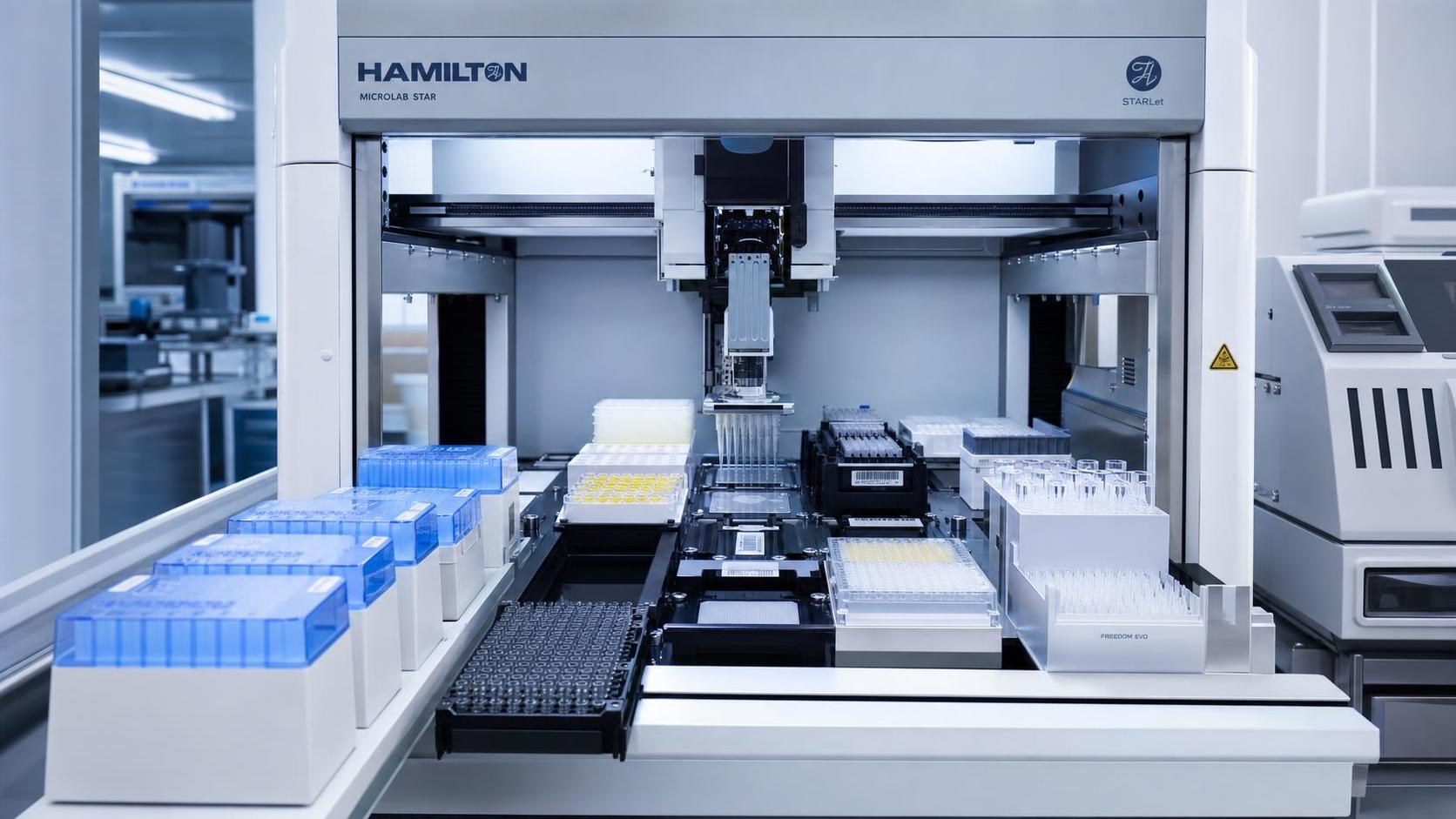
Across automated pipetting and liquid handling systems, precision is moving from a competitive feature to a baseline requirement. Buyers are increasingly asking whether robots can dispense in ranges such as 0.5 µL to 1000 µL with reproducible performance across viscous, volatile, or biologically sensitive liquids. This matters because acceptable accuracy on water does not guarantee stable delivery in buffers, solvents, or cell media.
Manufacturers that offer validated liquid class libraries, anti-drip design, and closed-loop volume verification are gaining more serious attention. In benchmark-heavy procurement environments, repeatability over 500 to 5,000 cycles may carry more weight than peak speed during a short demo.
2. Integration with adjacent process equipment is accelerating
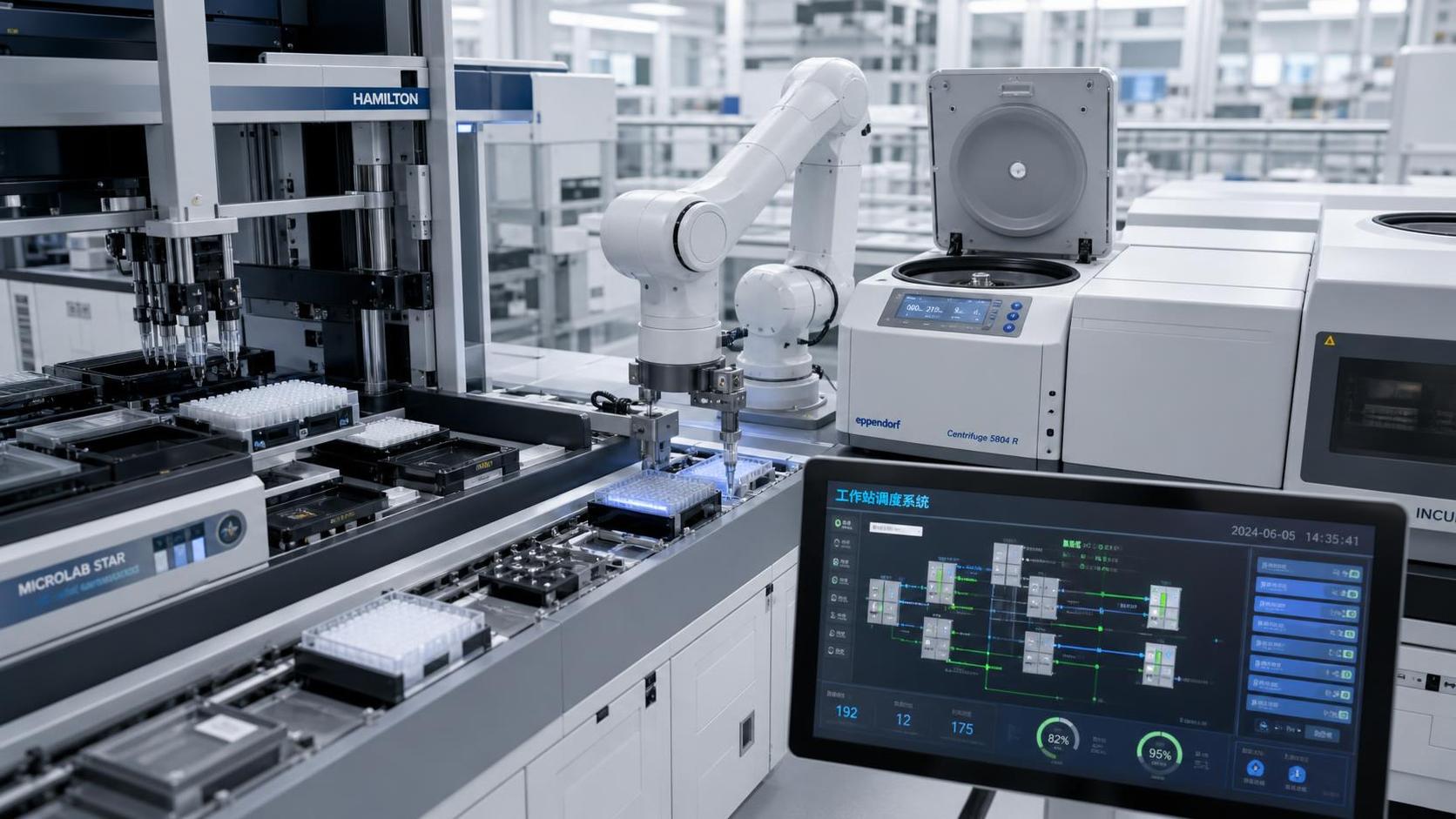
A second major pattern in global lab robot manufacturer trends is the push toward integration with bioreactors, microfluidic devices, synthesis systems, and laboratory centrifugation platforms. For organizations following batch-to-continuous or hybrid development models, the real value of automation comes from removing transfer friction between unit operations.
In practical terms, buyers are looking for robots that can exchange data with supervisory software, handle container diversity, and maintain sample identity across 2 to 4 connected devices. Integration capabilities may reduce manual intervention points by 30% to 60% in some workflows, even when no major increase in nominal throughput is claimed.
3. Documentation and digital traceability are moving upstream
Suppliers are being evaluated earlier on how well their systems support documentation. Procurement teams increasingly request calibration records, maintenance protocols, software version control, user access policies, and installation qualification support before final technical selection. This reflects a broader reality: compliance risk often appears during onboarding, not during initial product comparison.
For labs operating under ISO-oriented quality systems or working toward GMP alignment, insufficient digital traceability can add 2 to 8 weeks to deployment. That delay can outweigh the benefit of a lower equipment price.
4. Serviceability is becoming part of the buying decision
Another notable shift is that procurement officers now examine maintenance logistics in the same review cycle as technical performance. Global lab robot manufacturer trends show a growing preference for vendors that can offer preventive maintenance every 6 or 12 months, remote diagnostics, and defined spare part availability for wear components such as seals, tips, pumps, valves, or motion assemblies.
For multinational buyers, regional service coverage matters. A technically strong system may still be downgraded if field support requires cross-border dispatch with a 10- to 15-day wait. In regulated production-adjacent environments, downtime tolerance is often measured in hours, not weeks.
How Business Evaluators Should Compare Suppliers in 2026
A disciplined sourcing framework is essential because global lab robot manufacturer trends can create noise as well as insight. The goal is to separate durable supplier capability from temporary product positioning. Procurement teams should score vendors against measurable criteria linked to actual workflow risk.
Build a 5-part evaluation matrix
A practical evaluation matrix should include at least 5 categories: dispensing or handling performance, compliance support, integration compatibility, lifecycle economics, and service resilience. Each category can be weighted from 10% to 30% depending on whether the lab is focused on R&D flexibility, pilot-scale process transfer, or production-adjacent consistency.
For example, a discovery lab may assign 30% weight to flexibility and only 15% to service infrastructure. A pilot bioprocess site, by contrast, may assign 25% to service, 25% to compliance, and 20% to interoperability because those factors influence qualification speed and operational continuity more directly.
Typical questions that improve vendor comparison
- What volume range is validated, and under which liquid classes?
- What is the preventive maintenance interval: 6 months, 12 months, or usage-based?
- How long are standard spare parts available after installation: 3 years, 5 years, or more?
- Can the system interface with bioreactors, reactors, centrifuges, or LIMS environments?
- What onboarding documents are included before factory acceptance and site acceptance?
The following table offers a sourcing-oriented comparison model that aligns technical review with business risk.
This type of matrix helps procurement teams avoid a common mistake: selecting based on initial technical demonstration without accounting for downstream validation effort, operator training load, or service dependency.
Watch for underexamined commercial risks
Commercial terms often hide operational risk. Buyers should review warranty scope, service exclusions, software licensing rules, and change-control practices. A system that appears cost-effective at purchase may become expensive if annual software fees rise, consumables are single-source only, or required upgrades interrupt validated workflows.
Lead time is another critical point. Standard delivery for configured systems may range from 8 to 16 weeks, while more customized automation cells can extend to 20 weeks or longer. If factory acceptance testing, shipping, installation, and site qualification add another 3 to 6 weeks, sourcing plans must be aligned with project milestones early.
Application-Specific Buying Priorities Across G-LSP Workflow Domains
Not all global lab robot manufacturer trends carry the same weight across every application. Business evaluators should adapt their sourcing criteria to the operational domain, especially when procurement spans multiple equipment categories such as precision microfluidics, pilot synthesis, cell culture infrastructure, and separation technology.
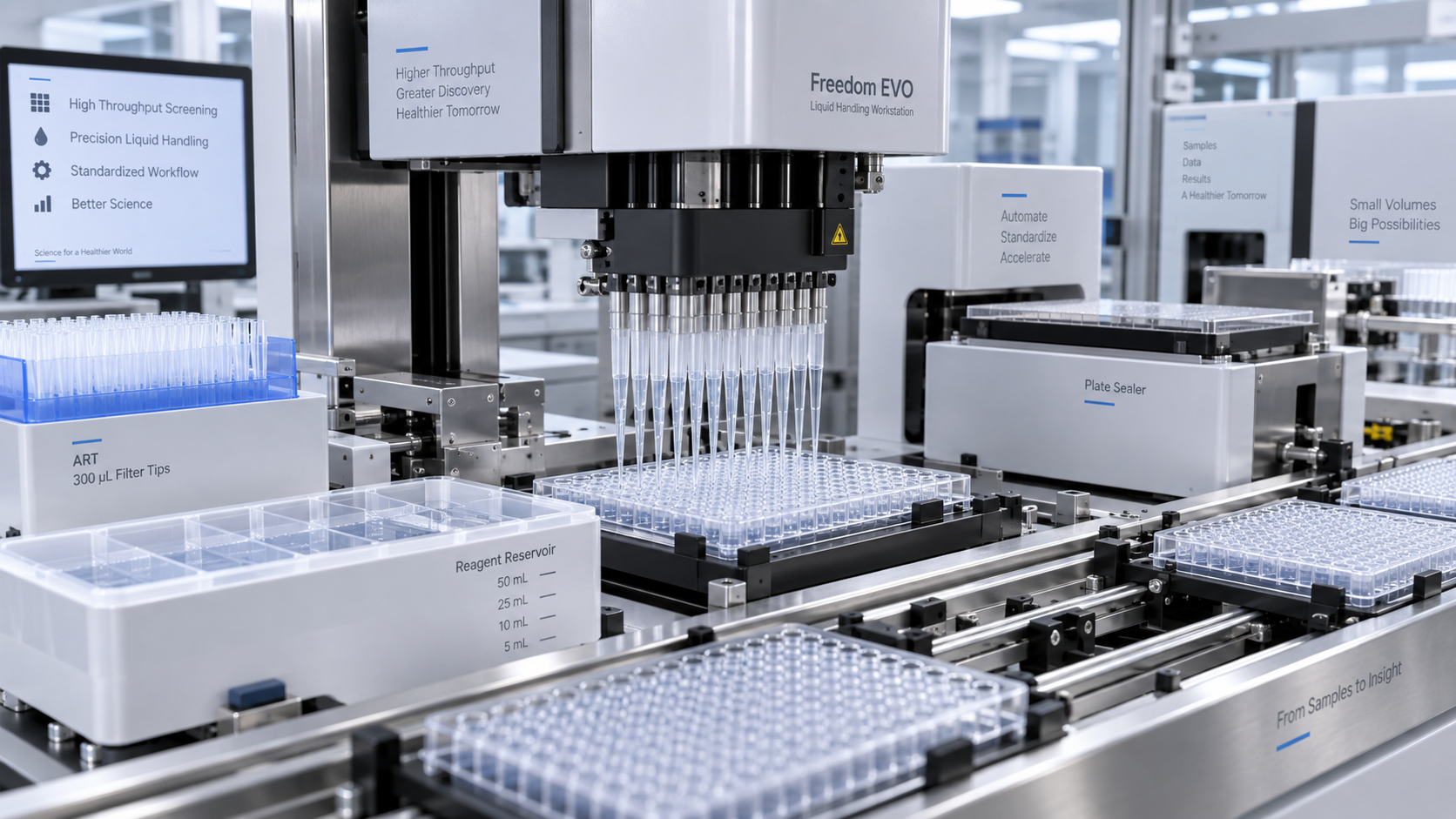
Automated pipetting and liquid handling
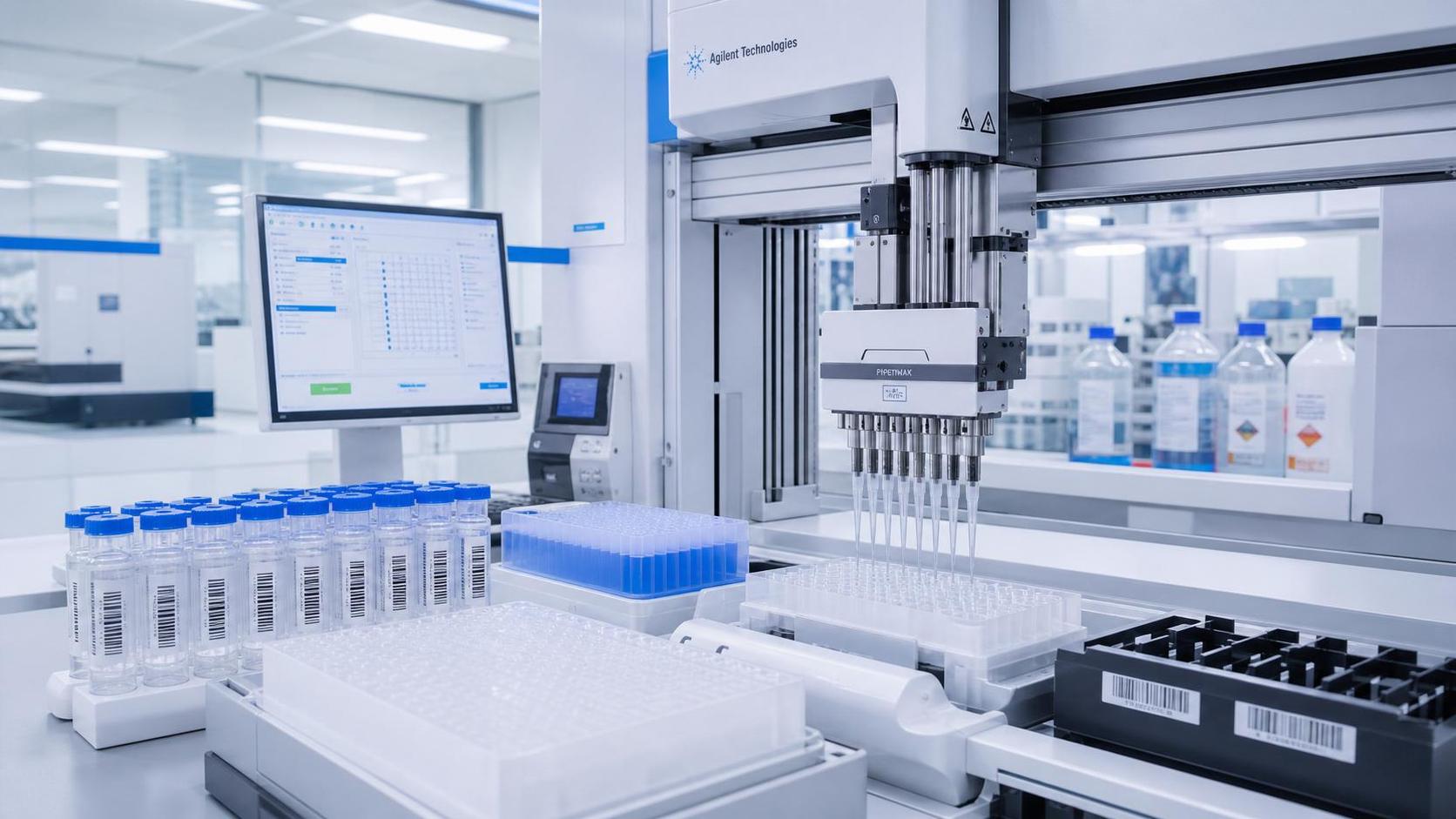
In this segment, the highest priorities are volume precision, contamination control, deck flexibility, and software usability. Procurement teams should verify whether the platform supports low-dead-volume operation, disposable or fixed-tip options, and method transfer across assay types. Even a 1% to 2% reduction in pipetting variability can improve reproducibility significantly in screening and formulation workflows.
Bioreactors and cell culture infrastructure
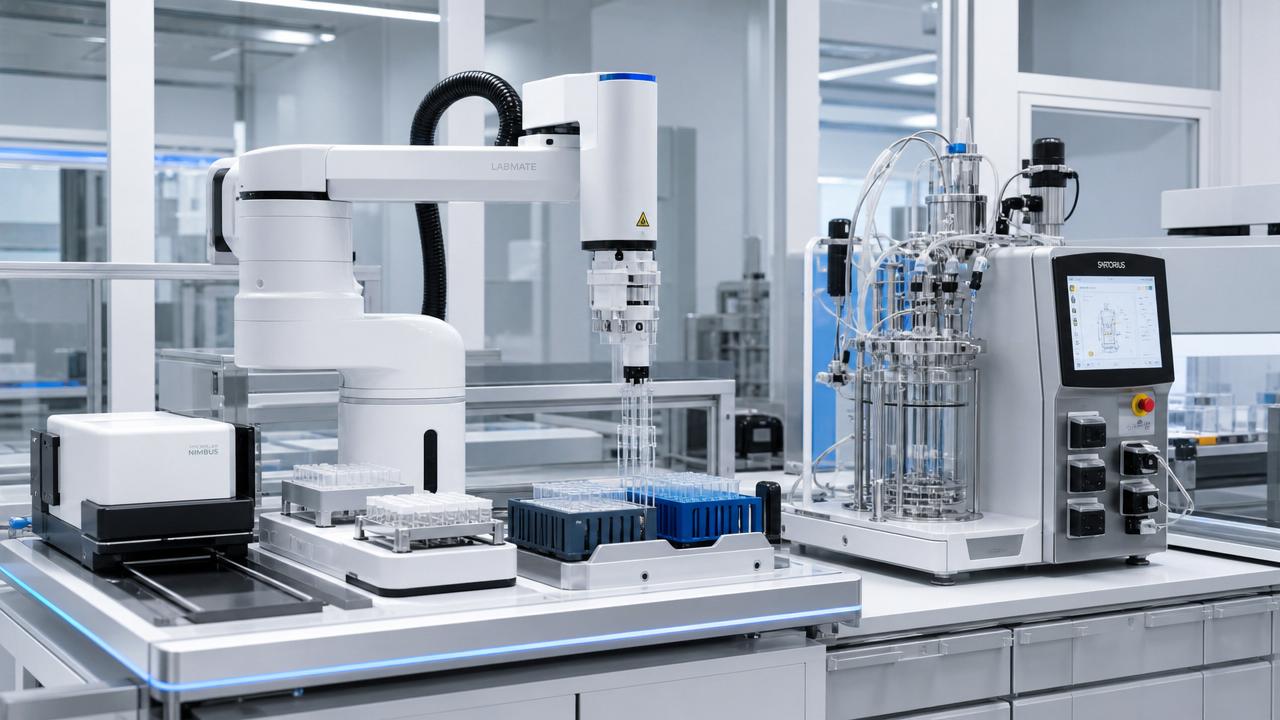
For bioprocess environments, robotics value is often linked to aseptic handling, sampling consistency, and data continuity. Here, integration matters more than isolated motion performance. Buyers should assess whether the automation layer can support closed transfers, periodic sampling every 2 to 6 hours, and coordination with incubators, analyzers, or single-use process assemblies.
Pilot-scale reactors and synthesis systems
In synthesis and pilot reactor contexts, robot selection should emphasize chemical compatibility, controlled dosing, and safe interaction with heated, corrosive, or pressure-sensitive processes. Manufacturers that provide clear compatibility guidance for solvents, seal materials, and cleaning methods are easier to qualify than vendors that rely on generic statements.
Centrifugation and separation workflows
Robotic support in centrifugation workflows is often evaluated by sample identity control, balancing logic, and handoff reliability. A missed tube orientation or incorrect rack transfer can compromise an entire batch of samples. For this reason, buyers should consider sensing, barcode handling, and exception recovery features alongside nominal throughput.
Implementation, Validation, and Post-Purchase Planning
The best reading of global lab robot manufacturer trends is incomplete if it stops at vendor selection. Successful sourcing also depends on implementation discipline. Even strong equipment can underperform when installation, training, and change management are compressed into an unrealistic schedule.
A practical 4-stage rollout model
- Requirement definition: 1 to 2 weeks for workflow mapping, risk ranking, and user requirement specifications
- Technical and commercial review: 2 to 4 weeks for demos, documentation review, and supplier scoring
- Installation and qualification: 1 to 3 weeks depending on site readiness and documentation depth
- Stabilization: 2 to 6 weeks for operator training, SOP refinement, and initial performance monitoring
This staged approach helps avoid one of the most costly procurement errors: accepting equipment before the organization is ready to validate, operate, and maintain it effectively. For laboratories with multiple stakeholders, assigning ownership across engineering, QA, procurement, and end users can reduce ambiguity during handover.
Common sourcing mistakes to avoid
- Overvaluing maximum throughput while ignoring actual liquid class performance
- Underestimating onboarding documents needed for qualification and internal approval
- Failing to model consumable and maintenance cost over at least 36 months
- Assuming integration will be simple without confirming interfaces and workflow logic
- Choosing a global vendor without verifying local or regional support depth
For organizations managing sensitive R&D-to-production transitions, a benchmarking-led approach is especially valuable. Comparing equipment against recognized standards, process expectations, and realistic maintenance conditions creates better procurement outcomes than relying on headline specifications alone.
What These Trends Mean for Strategic Sourcing Decisions
The core message behind current global lab robot manufacturer trends is that sourcing has become more architectural and less transactional. Buyers are selecting systems that must fit into a broader micro-efficiency strategy: precise fluid handling, scalable automation, compliant documentation, and reliable connectivity across laboratory and pilot operations.
For business evaluators, the strongest suppliers in 2026 will not simply offer fast hardware. They will demonstrate repeatable performance, clear service structures, practical integration pathways, and documentation that supports real-world qualification. This is particularly important for organizations linking benchtop experimentation to industrial execution in pharmaceuticals, chemicals, and advanced bioprocess settings.
G-LSP supports this decision process by focusing on technical benchmarking across pilot-scale reactors, precision microfluidic devices, bioreactors, laboratory centrifugation, and automated liquid handling systems. If your team is refining a 2026 sourcing roadmap, now is the right time to compare requirements, identify hidden risks, and align automation choices with long-term process goals. Contact us to discuss your application, request a tailored evaluation framework, or explore more solutions for high-precision laboratory and pilot-scale procurement.
Expert Insights

Chief Security Architect
Dr. Thorne specializes in the intersection of structural engineering and digital resilience. He has advised three G7 governments on industrial infrastructure security.
Related Analysis
Core Sector // 01
Security & Safety
- Selecting Automated Liquid Handling Systems for High-Throughput AssaysAuthor :Lina Cloud

- How to Validate Lab Automation Standards for Reliable, Compliant WorkflowsAuthor :Lina Cloud

- How to Evaluate an Automated Liquid Handling Robot Manufacturer for Reliable Lab Scale-UpAuthor :Lina Cloud

- What Drives Precision Dispensing Technology Cost in Automated Labs?Author :Lina Cloud

- How Liquid Handling Software for Scheduling Improves Throughput in Automated LabsAuthor :Lina Cloud

- How to Choose a Robotic Liquid Handling System for Throughput, Accuracy, and Workflow FitAuthor :Lina Cloud

- Pharmaceutical Liquid Handling for QC: Key Accuracy, Traceability, and Compliance FactorsAuthor :Lina Cloud

- Diagnostic Liquid Handling in Southeast Asia: How to Choose Systems for Throughput and ComplianceAuthor :Lina Cloud