How Decentralizing Labs Changes Equipment Planning
Author
Date Published
Reading Time
- Lab-Scale Production
- Fluidic-Precision
- Personalized Therapeutics
- Bioprocess Engineering
- Pilot-Scale Reactors
- Synthesis Systems
- Precision Microfluidic Devices
- Bioreactors
- Cell Culture Infrastructure
- Laboratory Centrifugation
- Separation Technology
- Automated Pipetting
- Liquid Handling Systems
- Glass-Lined Stirred-Tank Reactors
- Single-Use Bioreactors
- Multi-Sensory Lab Centrifuges
- ISO Standards
- Chemical Synthesis
- Technical Benchmarking
As labs become more decentralized, equipment planning stops being a simple procurement exercise and becomes a network design decision. For bioprocess leaders, project owners, procurement teams, and quality managers, the main question is no longer just “What equipment do we need?” but “What level of precision, standardization, and scalability do distributed labs need to stay compliant, productive, and cost-effective?” In practice, decentralizing labs changes how organizations define capacity, validate instruments, manage data integrity, control quality, and plan the path from R&D to production. The organizations that plan well gain faster development cycles, better site flexibility, and stronger capital efficiency. Those that plan poorly often end up with fragmented workflows, duplicated purchases, inconsistent results, and harder audits.
Why decentralizing labs changes equipment planning at a strategic level
In centralized lab models, equipment planning usually follows a familiar pattern: a single site handles most testing, development, or pilot work, and capital investments are concentrated in one location. Once labs become decentralized, that model breaks down. Equipment must now support multiple sites, different operator skill levels, varying utility constraints, local compliance requirements, and a broader range of workflows.
This shift matters because decentralized labs are not just smaller copies of a central facility. They often serve different roles. One site may focus on early-stage formulation screening, another on cell culture process development, another on regional QC release testing, and another on pilot-scale synthesis. That means equipment planning must align with function, not just footprint.
For decision-makers, the strategic change is clear: equipment selection must support a distributed operating model. That includes interoperability, method transferability, digital traceability, and consistent fluidic precision across sites. In sectors such as pharmaceuticals, chemicals, and advanced biologics, these requirements directly affect regulatory readiness and scale-up reliability.
What decision-makers care about most in a decentralized lab network
For the target readers of this topic, the biggest concerns are practical rather than theoretical. They want to know whether decentralization will increase or reduce operational control, how much standardization is necessary, which equipment should be replicated across sites, and where specialized systems should remain centralized.
Business evaluation teams typically focus on total cost of ownership, asset utilization, vendor standardization, service coverage, and risk exposure. Enterprise leaders are more likely to ask whether decentralization improves speed, resilience, and responsiveness without creating quality drift. Quality and safety managers want confidence that distributed equipment can maintain ISO-aligned practices, data integrity, calibration discipline, and validated performance. Project managers and engineering leads need a realistic framework for utility planning, installation qualification, method transfer, maintenance scheduling, and future scaling.
In other words, the most valuable content is not broad commentary about “the future of labs.” It is guidance that helps teams decide what to centralize, what to distribute, what to standardize, and what to modularize.
Which equipment categories are most affected by decentralization
Not all lab equipment is affected equally. Decentralized environments usually place the most pressure on systems where precision, reproducibility, and workflow integration matter most.
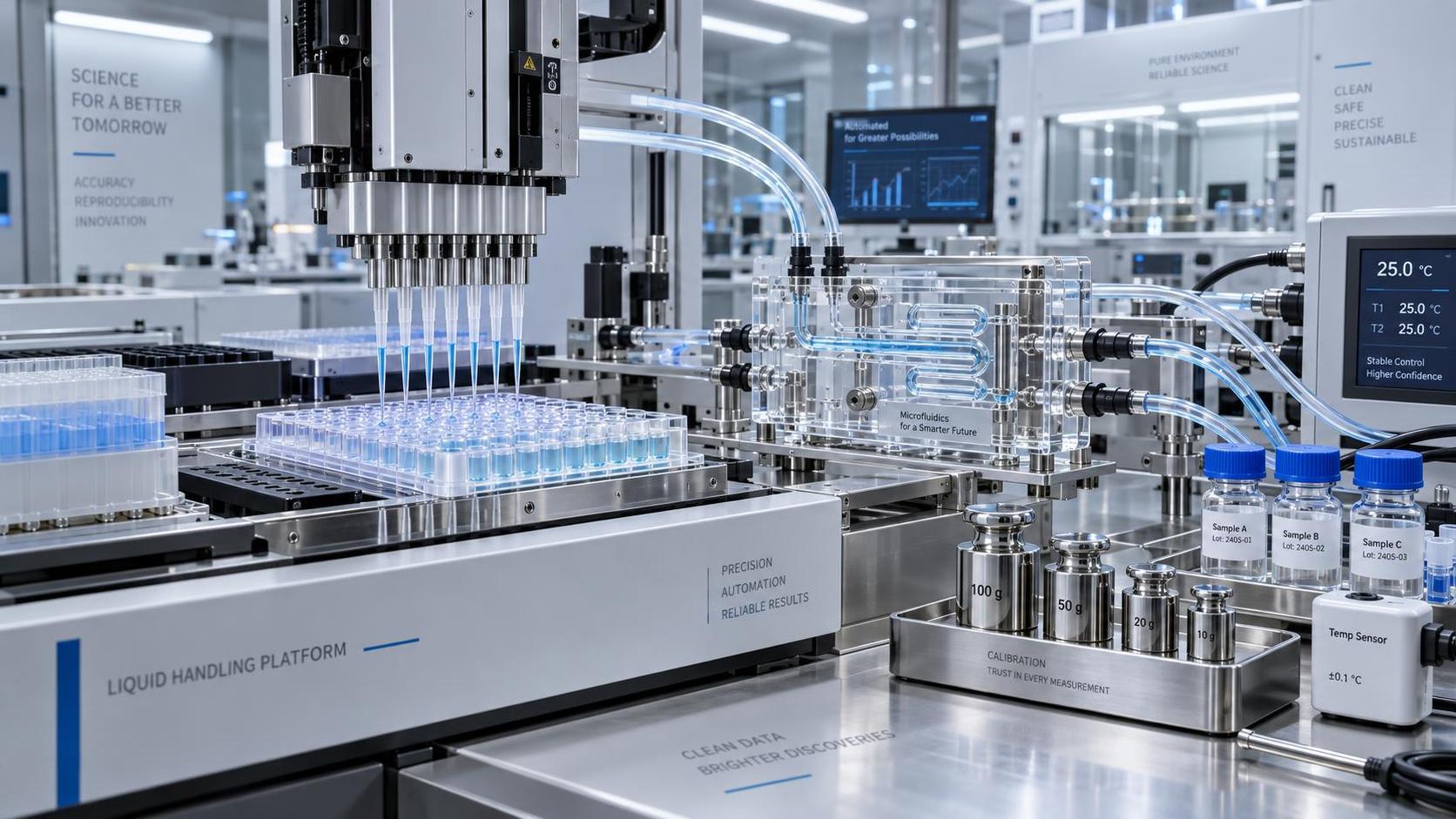
Automated pipetting and liquid handling systems are often among the first categories to be reconsidered. In distributed labs, sub-microliter precision must be repeatable across multiple sites, operators, and assay formats. A mismatch in dispensing performance can distort data comparability, especially in biologics development, analytical prep, and screening workflows.
Bioreactors and cell culture infrastructure also require careful planning. Single-use bioreactors, benchtop fermentation systems, and small-scale process development platforms can enable regional flexibility, but only if they provide consistent control over mixing, dissolved oxygen, temperature, and sampling. Poorly aligned configurations between sites can undermine scale translation.
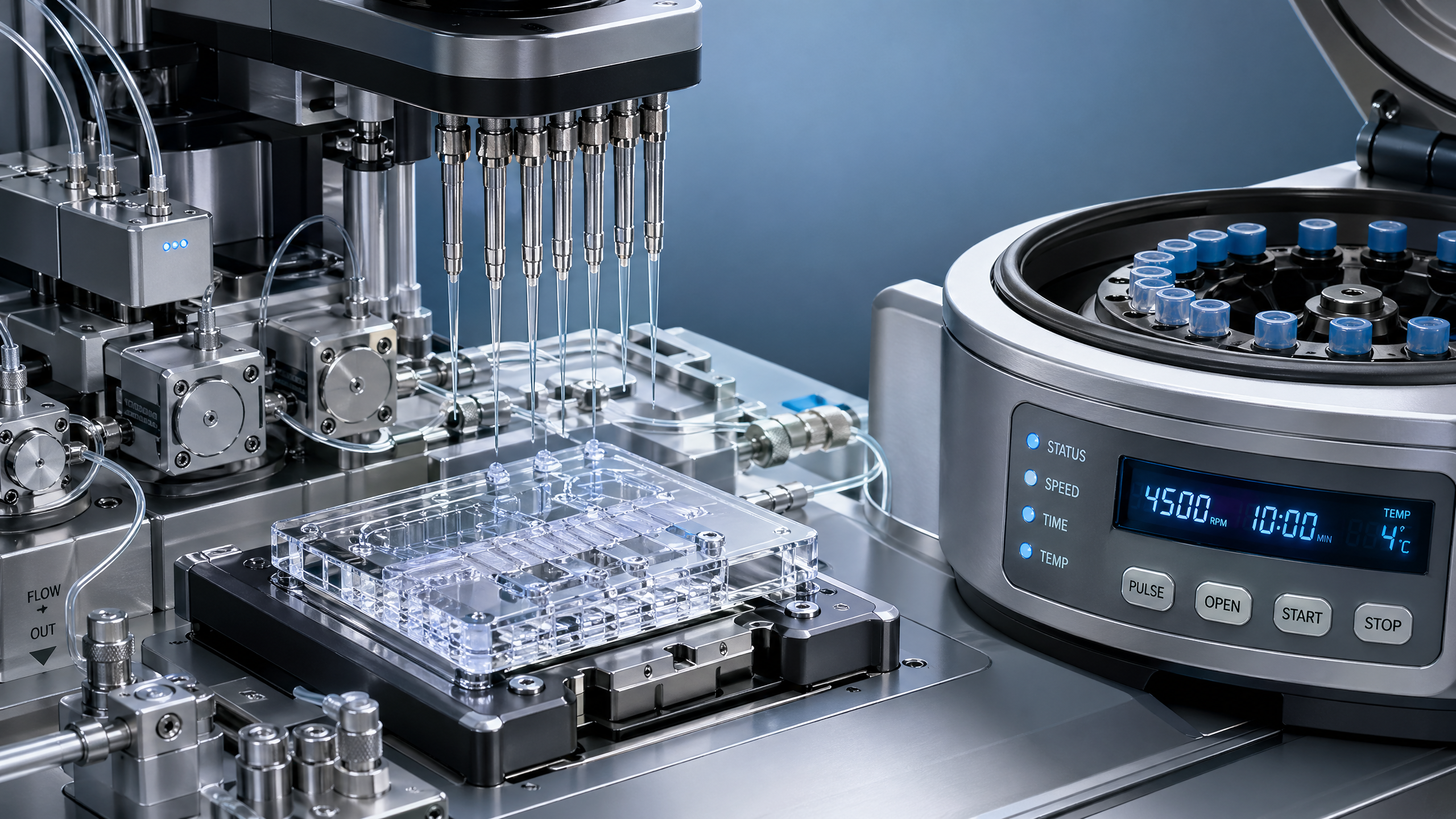
Laboratory centrifugation and separation technology becomes more complex when labs operate in different environments with different sample volumes, biosafety practices, and throughput demands. Multi-sensory lab centrifuges with advanced monitoring functions may support better consistency and preventative maintenance, but they also require harmonized SOPs and data management practices.
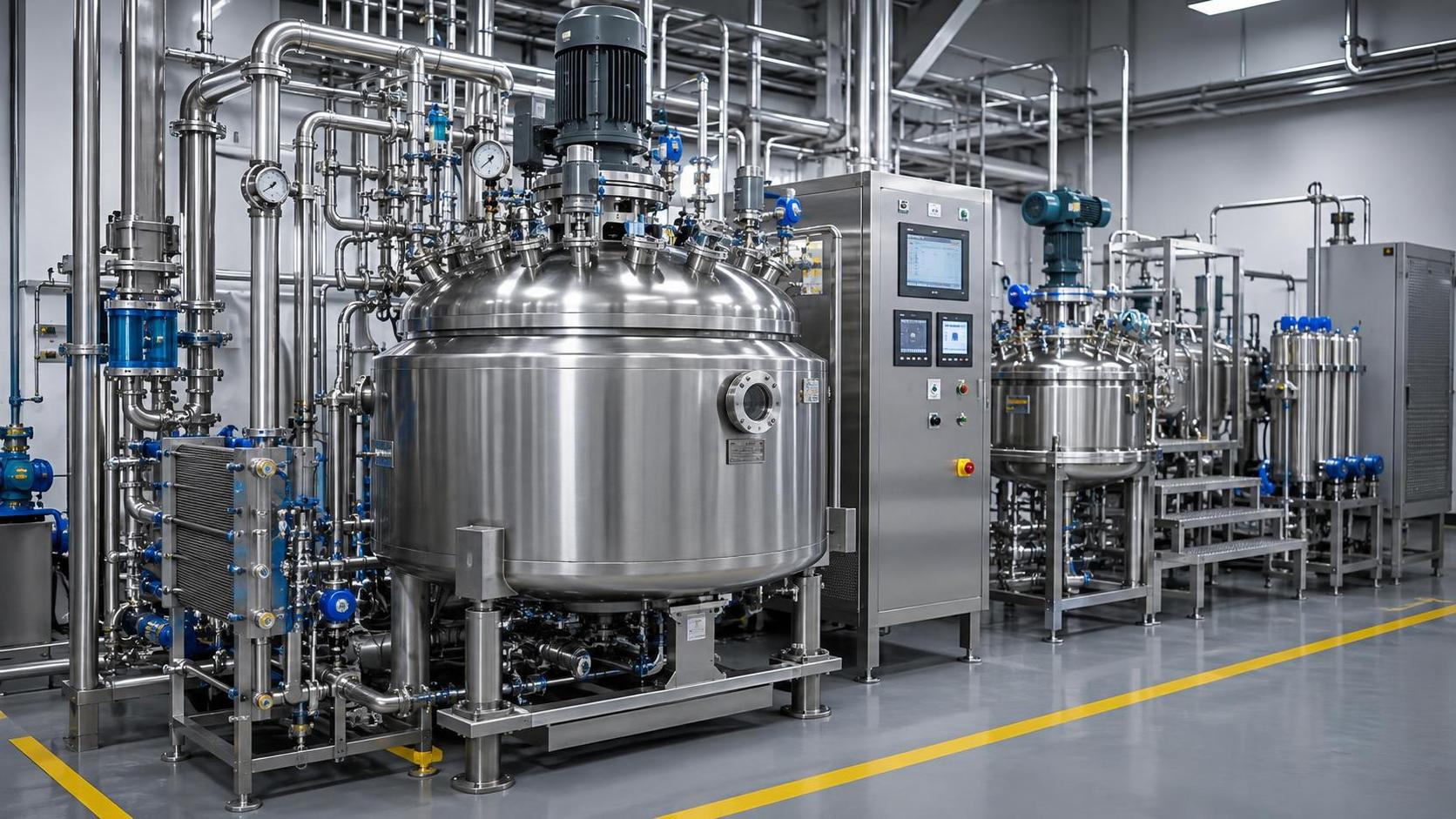
Pilot-scale reactors and synthesis systems present a bigger capital planning issue. Glass-lined stirred-tank reactors and related pilot assets are expensive, infrastructure-dependent, and often better suited to selective deployment rather than broad duplication. Decentralization does not mean every site should own every reactor type. It means organizations need a clearer logic for where scale-critical assets belong.
Precision microfluidic devices often gain importance in decentralized models because they reduce material consumption, support rapid testing, and improve control in low-volume process development. They are especially relevant where speed and fluidic precision are critical to bridging benchtop insight with scalable process design.
How to decide what should be centralized, decentralized, or shared
A strong equipment plan starts with role clarity across the lab network. The most effective organizations usually divide assets into three groups: core standardized equipment, specialized site-specific equipment, and shared high-value systems.
Core standardized equipment should be replicated where data comparability is essential. This typically includes pipetting systems, selected centrifuges, analytical support tools, and certain bioprocess development instruments. The goal is to reduce method transfer friction and training complexity.
Specialized site-specific equipment should match local mission needs. If a site is focused on microbial fermentation screening, it may need different bioreactor configurations than a site focused on mammalian cell culture or synthetic chemistry workflows.
Shared high-value systems are best reserved for expensive, low-utilization, or infrastructure-heavy assets. Some pilot-scale reactors, high-end separation systems, or advanced integrated synthesis platforms fit this category. These may remain centralized or be deployed in regional hubs rather than in every distributed lab.
A useful decision framework includes the following questions:
- Does the equipment directly affect data comparability across sites?
- Is the asset heavily dependent on utilities, environmental controls, or specialized safety infrastructure?
- What is the expected utilization rate at each location?
- How difficult is calibration, qualification, and service support across regions?
- Will the system play a role in later-stage scale-up or GMP-adjacent work?
- Can workflows be modularized using smaller, fluidic-precision platforms instead of duplicating large capital assets?
This approach gives procurement and technical teams a more defensible way to allocate budgets and avoid overbuilding local capability.
Standardization matters more than ever in decentralized lab operations
When labs spread out geographically, standardization becomes a core performance lever. Without it, decentralization can produce inconsistent data, uneven training quality, incompatible consumables, and higher validation burdens.
Standardization should not be limited to buying the same model everywhere. It should also cover operating ranges, software environments, calibration routines, maintenance cycles, user permissions, spare parts strategy, and digital documentation. In regulated or high-sensitivity environments, it should extend to qualification protocols and method lock-down practices.
This is where ISO standards, USP expectations, and GMP-oriented thinking become highly relevant even in pre-production environments. If an instrument category is likely to influence process transfer, release testing logic, or quality-critical data, then early standardization reduces downstream friction. For organizations moving from lab-scale production to more continuous or personalized manufacturing models, that discipline can materially improve the R&D-to-production transition.
In practical terms, a standardized decentralized lab network makes it easier to compare outputs from one site to another, onboard teams faster, prepare for audits, and consolidate vendor support agreements.
How decentralization changes capex, opex, and ROI calculations
One of the most common mistakes in equipment planning is evaluating decentralized labs only through a capital expenditure lens. While decentralization may increase duplicate purchases in some categories, it can also reduce cycle times, lower shipping and sample handling delays, improve regional responsiveness, and decrease bottlenecks at overloaded central sites.
The ROI calculation should therefore include both direct and indirect effects.
Capex factors include equipment replication, facility adaptation, installation qualification, and digital integration costs. Opex factors include service contracts, local consumables, calibration, training, downtime risk, and compliance administration.
But the strategic value side also matters:
- Faster experimental turnaround
- Reduced queue time at central labs
- Improved business continuity and regional resilience
- Better support for cross-functional project teams
- Higher agility in batch-to-continuous development environments
- Stronger responsiveness for personalized therapeutics and smaller-lot production models
The best ROI cases often come from selective decentralization rather than universal duplication. Companies gain more by distributing the right precision equipment and keeping complex, low-frequency systems strategically centralized.
Compliance, quality, and safety risks increase if planning is weak
Decentralized labs can improve agility, but they can also multiply risk if equipment governance is inconsistent. For quality and safety leaders, this is one of the most important planning implications.
Key risks include calibration drift across sites, inconsistent SOP execution, unequal environmental controls, gaps in maintenance records, incompatible software versions, and weak data traceability. In fluidic-precision applications, even minor differences in hardware setup or consumables can introduce meaningful variation.
Safety planning also becomes more site-specific. Chemical synthesis systems, centrifugation infrastructure, and cell culture platforms each have different containment, ventilation, waste handling, and operator competency requirements. A decentralized lab network may expose the organization to uneven risk if site readiness is not validated before deployment.
To reduce these concerns, organizations should build an equipment governance model that includes:
- Approved equipment families and configuration standards
- Central oversight of qualification and recalibration intervals
- Digital maintenance and audit trails
- Change control for software, firmware, and accessories
- Cross-site training certification
- Periodic benchmarking of instrument performance against internal and external standards
For companies in highly regulated sectors, this governance structure is often the difference between decentralized productivity and decentralized chaos.
What a practical equipment planning process looks like
To make decentralization work, equipment planning should follow a staged process rather than ad hoc purchasing.
1. Map lab roles and workflows.
Start by defining what each site is expected to do now and in the next three to five years. Separate exploratory tasks from scale-critical or compliance-sensitive tasks.
2. Classify equipment by criticality.
Identify which instruments affect product quality, process transfer, regulatory data, safety, and throughput. These categories deserve the most rigorous planning.
3. Define standard platforms.
Select platform families that can be deployed repeatedly across sites where consistency matters. This is especially important for liquid handling, bioprocess development, and separation workflows.
4. Evaluate infrastructure fit.
Check utilities, footprint, environmental controls, containment needs, and maintenance accessibility. A technically strong system is still a poor choice if the site cannot support it reliably.
5. Model lifecycle costs.
Go beyond purchase price. Include validation, service, spare parts, consumables, downtime, retraining, and eventual scaling implications.
6. Plan for digital traceability.
Distributed equipment should feed into consistent data environments wherever possible. Decentralization without data integration usually weakens control.
7. Build for scale transition.
Where relevant, choose systems that preserve transferability from lab-scale production to pilot and production environments. This is especially valuable in bioprocess engineering and continuous process development.
This process helps organizations move from reactive purchasing to capability architecture.
Where G-LSP-style benchmarking becomes valuable
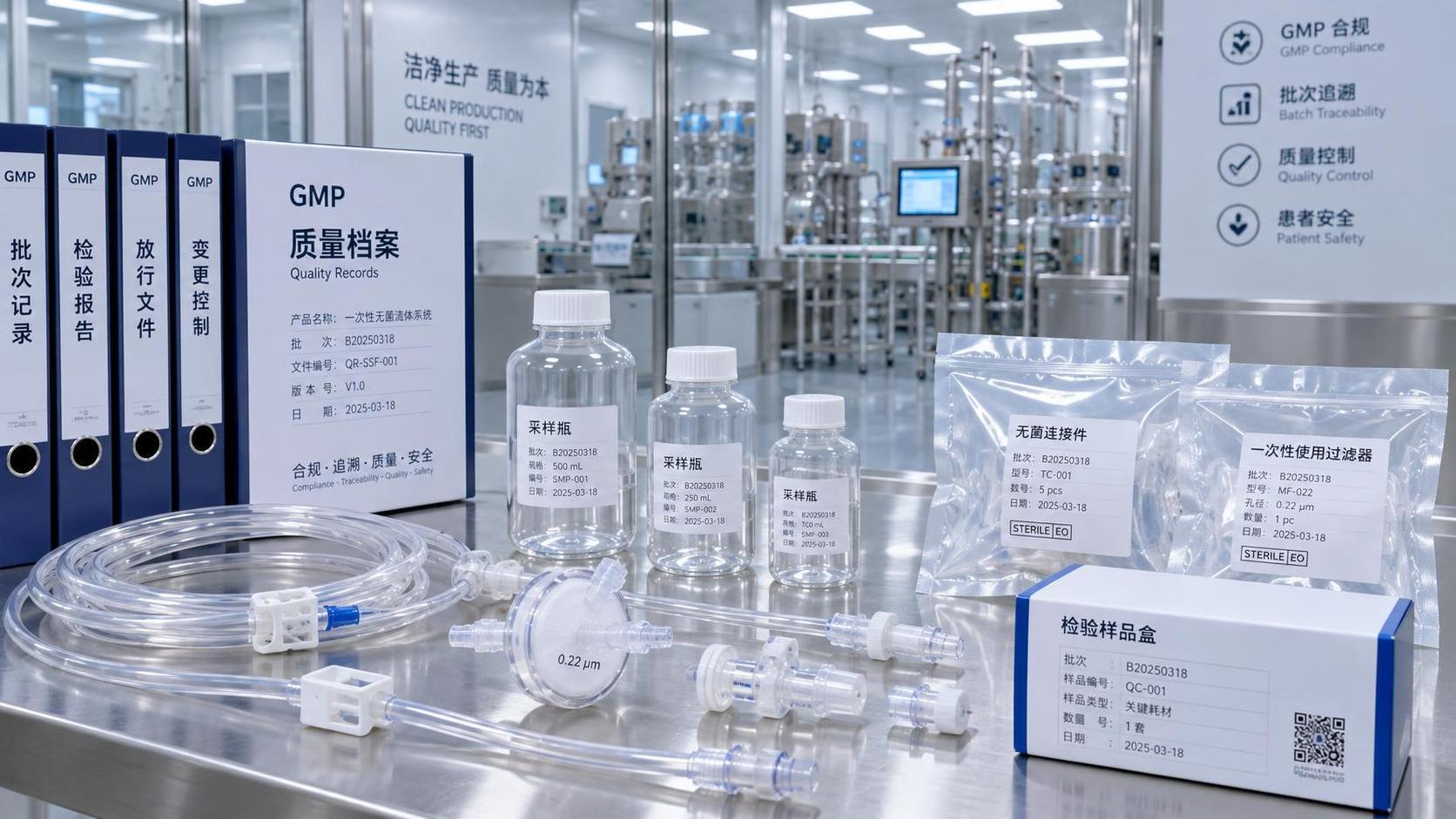
In a decentralized environment, benchmarking matters because buyers can no longer rely on simple brand familiarity or isolated site preferences. They need evidence that equipment can deliver fluidic precision, bioconsistency, scalability, and standards alignment across a wider operating network.
This is particularly important when comparing systems such as single-use bioreactors, glass-lined stirred-tank reactors, microfluidic platforms, precision dispensers, and advanced centrifugation technologies. The real question is not just whether a system performs well in one lab, but whether it can support repeatable outcomes across distributed R&D and pre-production environments.
Technical benchmarking against ISO, USP, and GMP-relevant criteria helps procurement teams and engineering leaders make more durable decisions. It also gives business stakeholders a better basis for comparing risk, serviceability, and long-term platform fit, rather than focusing narrowly on upfront cost.
Final takeaway: decentralization rewards precision in planning, not just flexibility in location
Decentralizing labs changes equipment planning because it shifts the goal from local optimization to network-wide performance. For pharmaceutical, chemical, and advanced bioprocess organizations, the most successful approach is not to distribute everything everywhere. It is to intentionally design a mix of standardized, site-specific, and shared equipment that supports compliance, speed, and capital efficiency.
If you are evaluating decentralized lab strategy, focus first on what must remain consistent across sites: precision, data integrity, qualification discipline, and transferability from R&D to production. Then decide where specialization and local flexibility create genuine business value. When equipment planning follows that logic, decentralization becomes a growth enabler rather than an operational compromise.
Expert Insights

Chief Security Architect
Dr. Thorne specializes in the intersection of structural engineering and digital resilience. He has advised three G7 governments on industrial infrastructure security.
Related Analysis
Core Sector // 01
Security & Safety
- Regulatory Compliance gaps that delay pharma launchesAuthor :Dr. Elena Carbon

- Pharmaceutical Process Improvement: Reducing Batch Variability Without Delaying Scale-UpAuthor :Dr. Elena Carbon

- Selecting Bioprocessing Modules for Scalable Upstream and Downstream WorkflowsAuthor :Dr. Elena Carbon

- Agricultural Processing Equipment Prices: What Buyers Should Compare Beyond the QuoteAuthor :Dr. Elena Carbon

- Wholesale Mechanical Seals: A Buyer’s Checklist for Materials, Duty, and Supplier QualityAuthor :Dr. Elena Carbon

- How to Qualify a GMP Compliance Supplier for Critical Lab ConsumablesAuthor :Dr. Elena Carbon

- Comparative Technical Benchmarking: Which Metrics Matter for Laboratory Platform Selection?Author :Dr. Elena Carbon

- How to Compare Reactor System Suppliers for Scale-Up, Compliance, and Total CostAuthor :Dr. Elena Carbon