Lab Automation Investment Insights From Underused Systems
Author
Date Published
Reading Time
- lab automation investment insights
- Lab-Scale Production
- Micro-Efficiency
- Personalized Therapeutics
- Bioprocess Engineering
- Pilot-Scale Reactors
- Synthesis Systems
- Precision Microfluidic Devices
- Bioreactors
- Cell Culture Infrastructure
- Laboratory Centrifugation
- Separation Technology
- Automated Pipetting
- Liquid Handling Systems
- Glass-Lined Stirred-Tank Reactors
- Sub-Microliter Precision Dispensers
- Multi-Sensory Lab Centrifuges
- ISO Standards
As lab automation budgets tighten, many firms overlook the hidden value locked in underused systems. This article explores lab automation investment insights through the lens of R&D-to-Production transition, showing why the best return often comes not from buying more equipment, but from improving the utilization, precision, compliance fit, and integration of what is already installed. For lab directors, procurement teams, project leaders, and quality stakeholders, the central question is straightforward: which underused systems can be optimized, redeployed, standardized, or retired to improve throughput, reduce risk, and support scale-up without unnecessary capital expenditure?
In many organizations, underused lab automation is not simply an efficiency issue. It signals mismatched workflows, fragmented ownership, insufficient method transfer, poor data integration, over-specified purchasing, or changing production priorities. That means these systems contain valuable investment signals. If assessed correctly, they can reveal where future spending should go, where existing assets can be recovered, and where hidden technical or regulatory weaknesses may compromise downstream execution.
Why underused lab automation matters more than most teams think
Underused systems are often treated as sunk cost. In reality, they can provide some of the clearest evidence for improving lab automation investment decisions. A low-utilization liquid handling platform, pilot-scale reactor, or lab centrifuge may indicate one of several strategic issues:
- The equipment is technically capable, but poorly aligned with real workflow demand.
- The system is too complex for routine operator adoption.
- Validation, SOPs, or training are limiting practical usage.
- The instrument lacks the fluidic precision, software connectivity, or bioconsistency needed for process-critical tasks.
- Teams purchased for projected scale-up, but process design never matured enough to use the asset fully.
For decision-makers, this matters because underuse is not only about idle capacity. It affects total cost of ownership, depreciation efficiency, maintenance burden, method reproducibility, and confidence during R&D-to-Production transition. In highly regulated pharmaceutical and chemical environments, low utilization can also mask a more serious problem: the installed base may not be supporting robust, transferable, standards-aligned process development.
What buyers and lab leaders should evaluate before approving new automation spend
Before expanding automation investment, organizations should assess whether existing systems are underused because of operational barriers or because they are fundamentally the wrong technical fit. This distinction is critical.
The most practical review usually starts with five questions:
- Is the system underused due to workflow design, or due to capability mismatch?
For example, an automated pipetting platform may sit idle not because automation demand is low, but because programming time is too high for frequent assay changes. - Does the equipment support the required precision at the relevant scale?
Sub-microliter precision dispensers may be essential in one screening environment and excessive in another. Precision without appropriate use-case fit does not produce ROI. - Can the system support scale-up or tech transfer objectives?
A system that works well in isolated experiments but cannot generate transferable process parameters has limited strategic value. - How well does it align with ISO, USP, GMP, and internal quality expectations?
Compliance readiness influences whether optimization is practical or whether replacement is the lower-risk path. - What is the actual utilization-adjusted cost per usable output?
This is often more useful than purchase price, especially when comparing underused legacy systems with modern modular platforms.
These questions help procurement officers and technical managers avoid a common mistake: treating all automation underuse as a justification for replacement. In many cases, the better move is process redesign, software integration, operator enablement, or asset reallocation across sites or functions.
Where underused systems still hold strong investment value
Not every underused asset should be written off. Some systems retain substantial strategic value because they support critical transition points between lab-scale development and industrial execution.
1. Automated pipetting and liquid handling systems
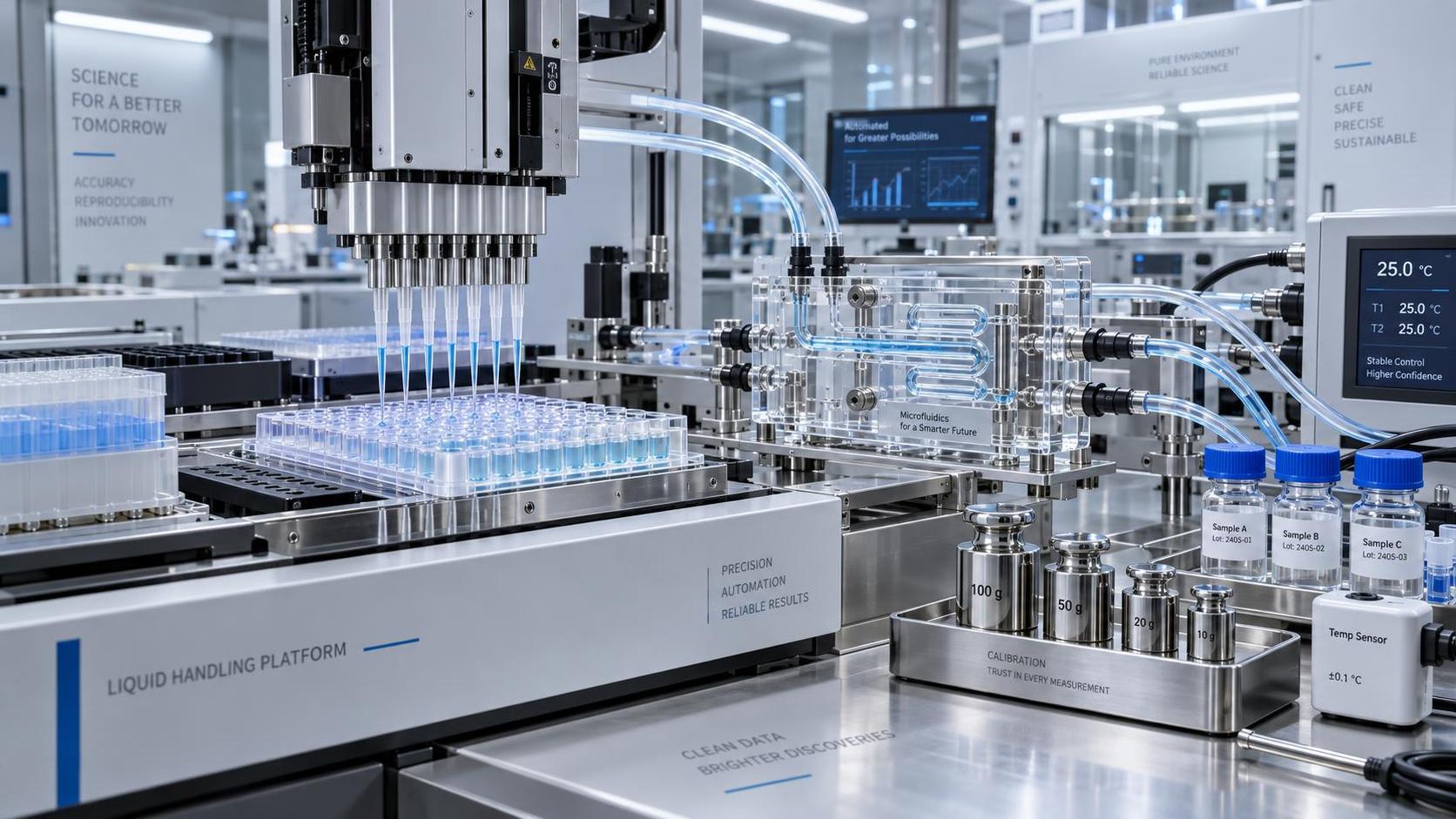
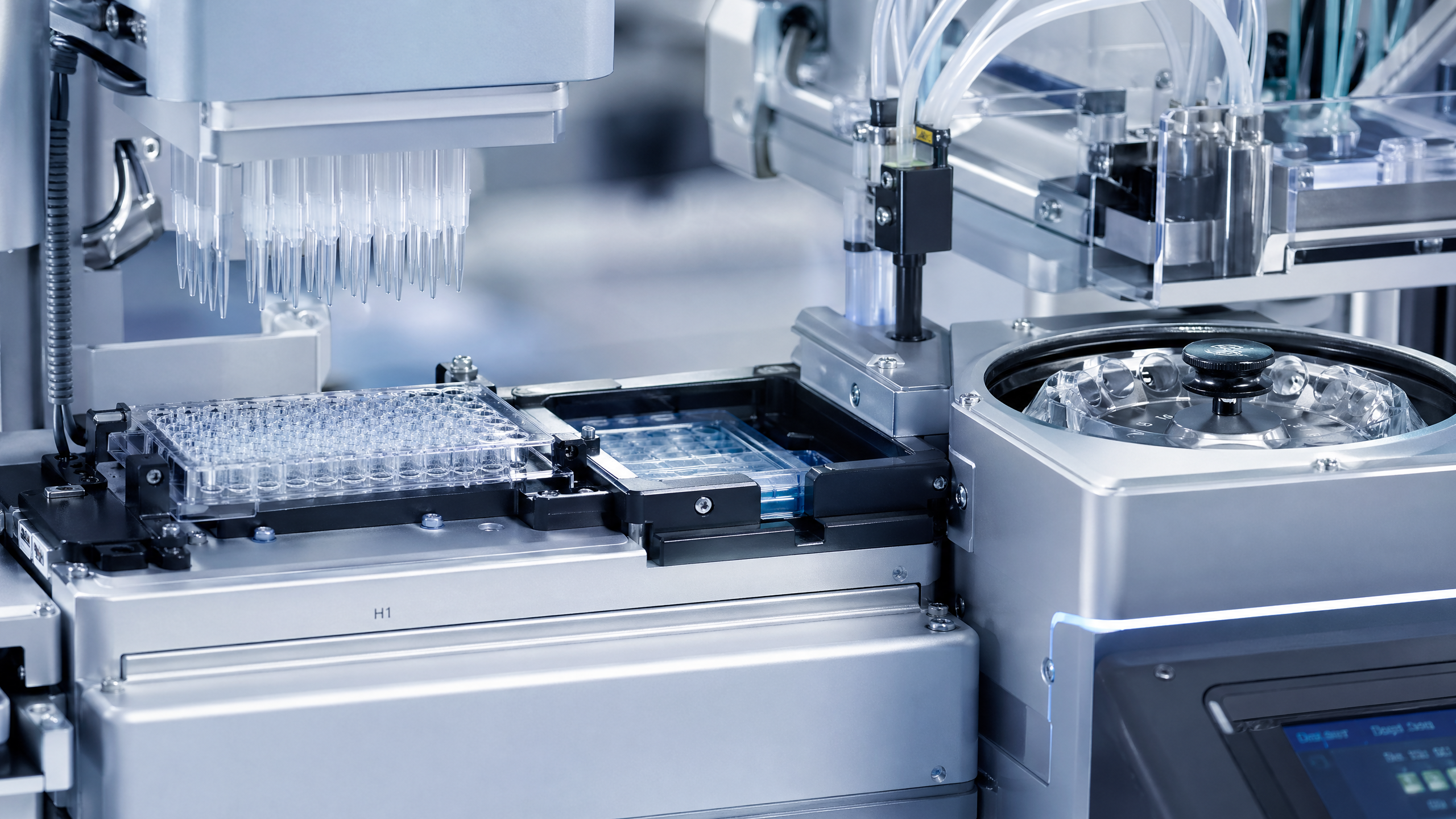
These are frequently underused due to protocol variability, insufficient scripting support, or poor assay standardization. Yet they often become high-value assets once workflows are stabilized. Their investment value rises when reproducibility, contamination control, sample traceability, and operator efficiency matter more than manual flexibility.
2. Precision microfluidic devices
Microfluidic platforms may appear niche or over-specialized when viewed only by utilization hours. However, in formulation development, reaction control, cell handling, or personalized therapeutics, they can provide unmatched fluidic precision and process insight. Their value should be assessed by quality of data, controllability, and translation potential—not by generic equipment utilization metrics alone.
3. Bioreactors and cell culture infrastructure
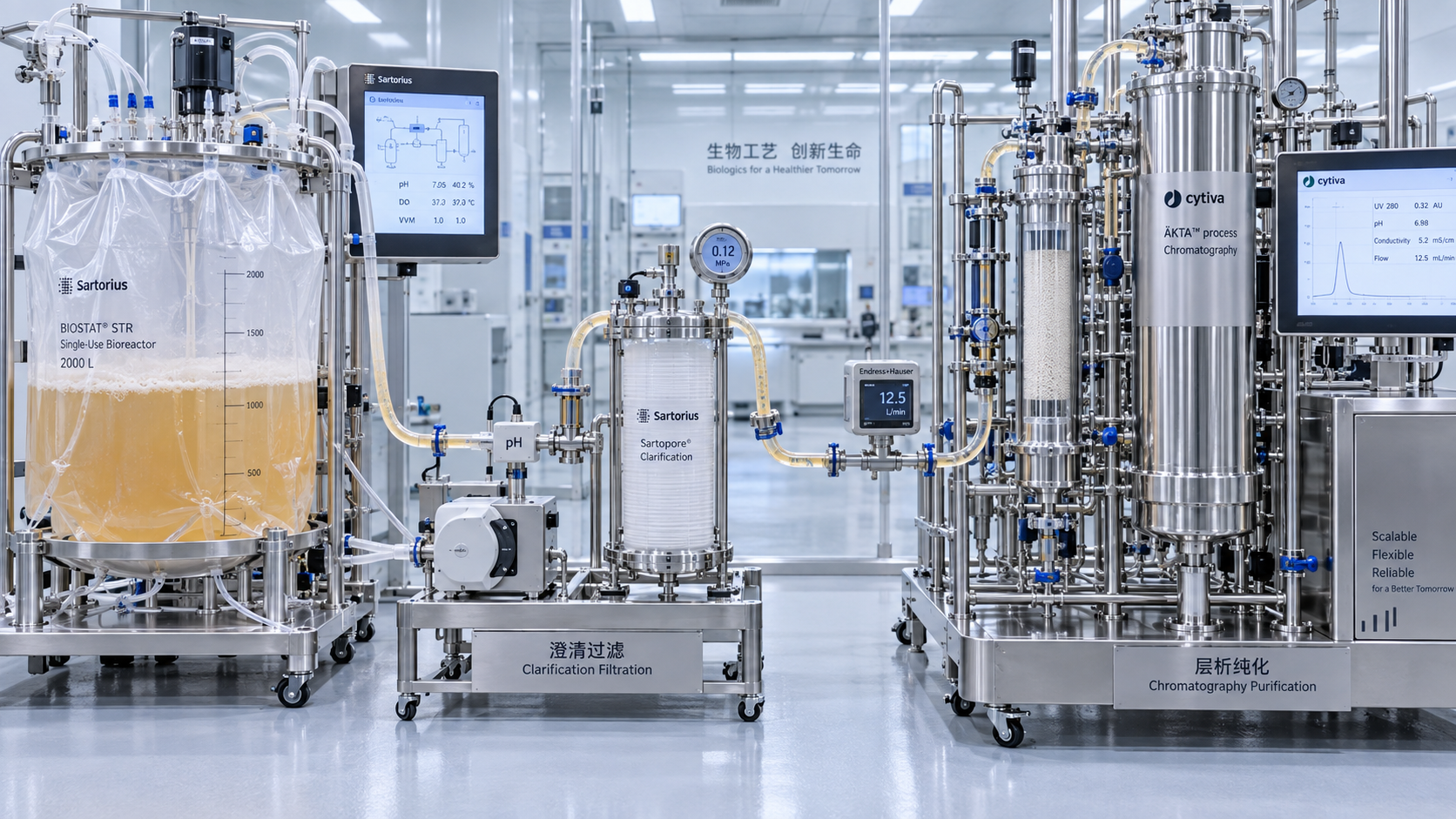
Single-use and lab-scale bioreactor systems are often underloaded when pipeline timing shifts. But for bioprocess engineering teams, these systems may remain essential for media optimization, clone screening, seed train planning, and scale-down modeling. The right evaluation focus is not only occupancy, but how effectively the system supports bioconsistent process development.
4. Laboratory centrifugation and separation technology
Multi-sensory lab centrifuges with advanced monitoring may be underused if current separation steps are simple. Still, they can become highly valuable in quality-sensitive workflows where consistency, temperature control, imbalance detection, and sample integrity are critical. Their role in method robustness can outweigh apparent underuse.
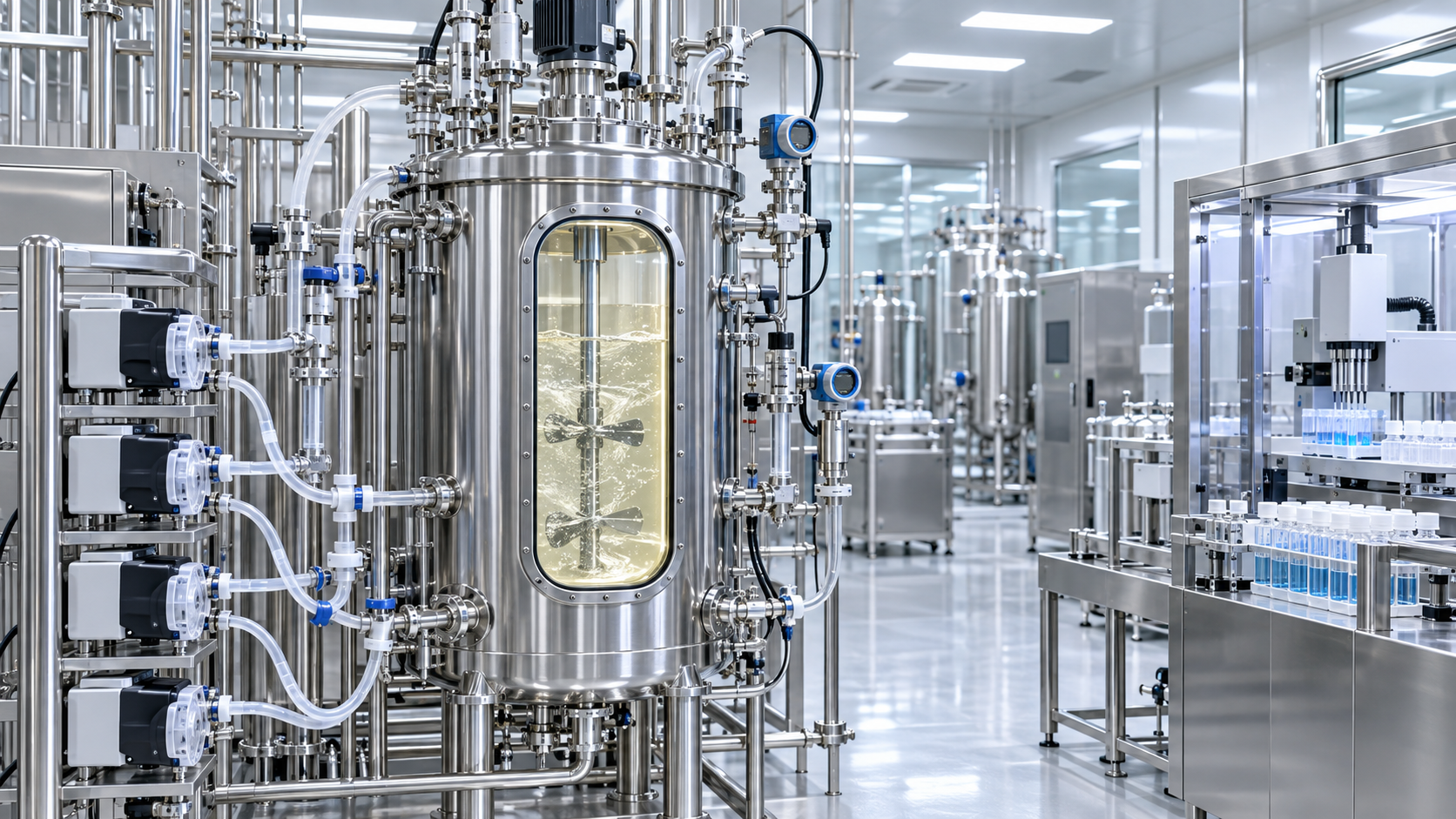
5. Pilot-scale reactors and synthesis systems
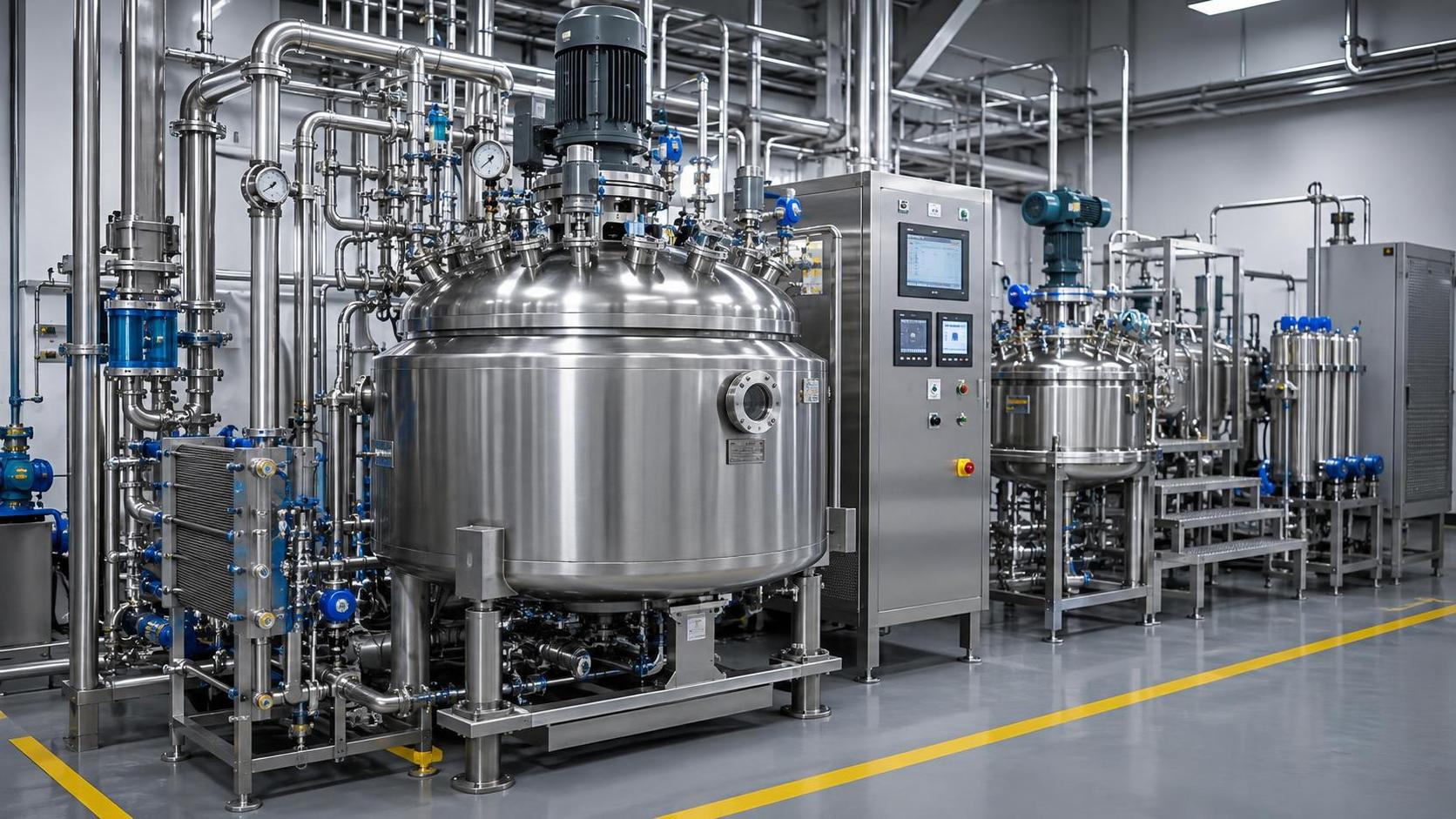
Glass-lined stirred-tank reactors and other pilot-scale assets are expensive and often experience intermittent use. But in batch-to-continuous evaluation, hazardous chemistry, or scale-up feasibility testing, they serve as key bridge infrastructure. Their value depends on how well they generate reliable engineering data for downstream production decisions.
How to tell whether optimization, redeployment, or replacement is the best move
For business evaluation teams and project owners, the real decision is rarely binary. The most useful framework is to sort underused systems into three categories: optimize, redeploy, or replace.
Optimize when the hardware is still technically suitable, but usage is blocked by process or organizational issues. Signs include:
- Strong performance during qualified runs
- Adequate precision and compliance fit
- Low adoption caused by training gaps, poor scheduling, or software friction
- Good fit for future R&D or pilot-stage workflows
Redeploy when the system has value, but not in its current location or application. Signs include:
- Low use in one department but clear need elsewhere
- Redundant capacity at one site and shortage at another
- Better suitability for quality control, method development, pilot work, or backup capacity
Replace when the equipment creates more cost, risk, or operational drag than value. Typical triggers include:
- Inability to meet required fluidic precision or reproducibility
- Poor integration with digital systems, LIMS, MES, or data integrity controls
- Excessive maintenance and downtime
- Inadequate compliance support for GMP-oriented workflows
- Architecture that no longer fits current production strategy
This decision structure helps management teams turn underused systems into actionable investment intelligence instead of viewing them as isolated operational disappointments.
Key ROI signals hidden inside underused lab systems
One reason many lab automation programs underperform is that ROI is measured too narrowly. Capital cost and utilization percentage alone do not capture system value. For more reliable investment insights, decision-makers should examine the following signals:
- Reproducibility gain: Does the system reduce assay variability, batch inconsistency, or operator-dependent error?
- Method transfer readiness: Does it generate process data and control logic that support transfer from lab-scale production to pilot or manufacturing?
- Labor leverage: Does it release skilled staff from repetitive tasks so they can focus on process development, troubleshooting, or quality oversight?
- Compliance efficiency: Does it simplify documentation, calibration, auditability, and validation burden?
- Risk reduction: Does it improve sample integrity, contamination control, process stability, or safety performance?
- Scalability relevance: Does it align with future batch-to-continuous or personalized therapeutics requirements?
These metrics are especially important in complex laboratory environments where system value comes from precision, consistency, and transferability rather than from simple throughput expansion.
Why R&D-to-Production transition should guide automation investment decisions
For organizations operating across pharmaceutical, biotech, specialty chemical, and advanced materials environments, automation investment should be judged by its ability to support the transition from experimental work to controlled, repeatable execution.
This is where many purchasing decisions fail. Teams buy highly capable instruments for localized lab needs, but the systems do not integrate into broader process architecture. A device may perform well in benchtop experimentation yet offer limited value when scale-up, validation, material compatibility, cleaning strategy, or process standardization become priorities.
A better approach is to ask: does this system strengthen the architecture of micro-efficiency across the full workflow? That means evaluating how a platform contributes to:
- Stable fluid handling across development stages
- Bioconsistent performance under varying operating conditions
- Comparable data generation across sites and teams
- Standardized operating windows for future process transfer
- Reduced friction between R&D, engineering, quality, and procurement
When viewed through this lens, underused systems become strategic indicators. They show where your lab automation architecture is fragmented, overbuilt, or not sufficiently aligned with industrialization needs.
What ISO standards and quality expectations change in the investment equation
For quality managers and safety or compliance stakeholders, underused systems can still create significant burden. Even idle or low-usage equipment may require maintenance, calibration, environmental control, recordkeeping, and procedural oversight. That means the investment equation must include not just technical potential, but quality-system cost.
Alignment with ISO standards, USP expectations, GMP-oriented practices, and internal validation requirements changes how value should be measured. A technically impressive system may not be a good investment if:
- Its documentation package is weak
- Calibration traceability is difficult to maintain
- Software controls are inadequate for data integrity expectations
- Material-contact surfaces complicate cleaning validation or compatibility assurance
- Its operating parameters are too unstable for controlled process development
Conversely, a system with moderate utilization may be highly valuable if it strengthens audit readiness, process repeatability, and quality consistency during scale-up. For regulated environments, compliance-fit often matters as much as raw performance.
A practical review model for underused automation portfolios
Organizations that want better lab automation investment outcomes should create a structured review process rather than rely on ad hoc purchasing debates. A practical model can include:
- Asset mapping: List systems by function, site, owner, age, qualification status, and workflow role.
- Utilization profiling: Measure actual use by run frequency, productive hours, protocol type, and output quality.
- Precision and fit analysis: Compare system capability against current and future process requirements.
- Quality burden assessment: Evaluate calibration, maintenance, validation, and compliance overhead.
- Transition relevance scoring: Rate each system for usefulness in R&D-to-Production transition.
- Action classification: Assign optimize, redeploy, replace, or retire decisions.
This type of review is particularly valuable for enterprises managing multiple automation categories, including microfluidic devices, bioreactors, centrifugation technology, synthesis systems, and automated liquid handling platforms. It allows capital planning to be based on technical evidence and workflow reality instead of on assumptions or vendor narratives alone.
Final takeaway: the best investment insight may already be sitting in your lab
Underused lab automation systems are not just signs of inefficiency. They are decision assets. They reveal where process architecture is misaligned, where operator adoption is weak, where precision is underleveraged, and where future scale-up may face hidden constraints. For lab directors, procurement leaders, project managers, and quality stakeholders, the smartest next investment is often not immediate expansion, but a disciplined review of existing equipment through the lenses of utilization, fluidic precision, compliance fit, and transition readiness.
In practical terms, the strongest lab automation investment insights come from asking not “What should we buy next?” but “What can our current installed base actually tell us about capability, risk, and scalable value?” When that question is answered rigorously, organizations make better capital decisions, improve lab-scale production performance, and build a more resilient path from bench to production.
Expert Insights

Chief Security Architect
Dr. Thorne specializes in the intersection of structural engineering and digital resilience. He has advised three G7 governments on industrial infrastructure security.
Related Analysis
Core Sector // 01
Security & Safety
- Regulatory Compliance gaps that delay pharma launchesAuthor :Dr. Elena Carbon

- Pharmaceutical Process Improvement: Reducing Batch Variability Without Delaying Scale-UpAuthor :Dr. Elena Carbon

- Selecting Bioprocessing Modules for Scalable Upstream and Downstream WorkflowsAuthor :Dr. Elena Carbon

- Agricultural Processing Equipment Prices: What Buyers Should Compare Beyond the QuoteAuthor :Dr. Elena Carbon

- Wholesale Mechanical Seals: A Buyer’s Checklist for Materials, Duty, and Supplier QualityAuthor :Dr. Elena Carbon

- How to Qualify a GMP Compliance Supplier for Critical Lab ConsumablesAuthor :Dr. Elena Carbon

- Comparative Technical Benchmarking: Which Metrics Matter for Laboratory Platform Selection?Author :Dr. Elena Carbon

- How to Compare Reactor System Suppliers for Scale-Up, Compliance, and Total CostAuthor :Dr. Elena Carbon